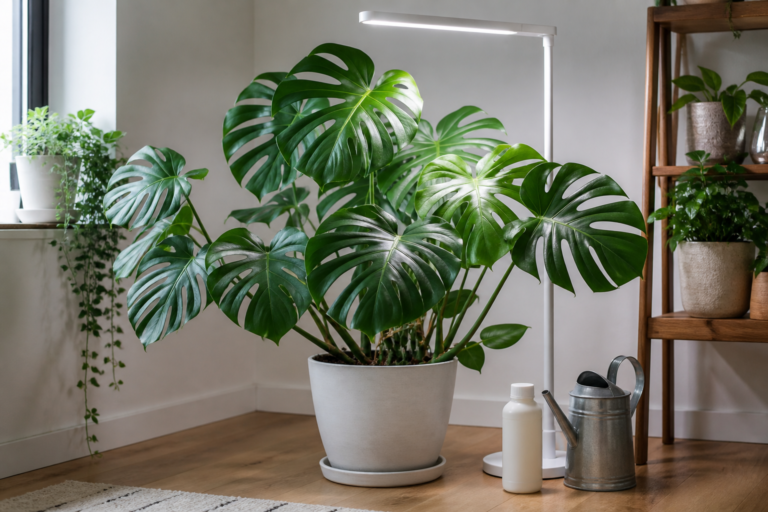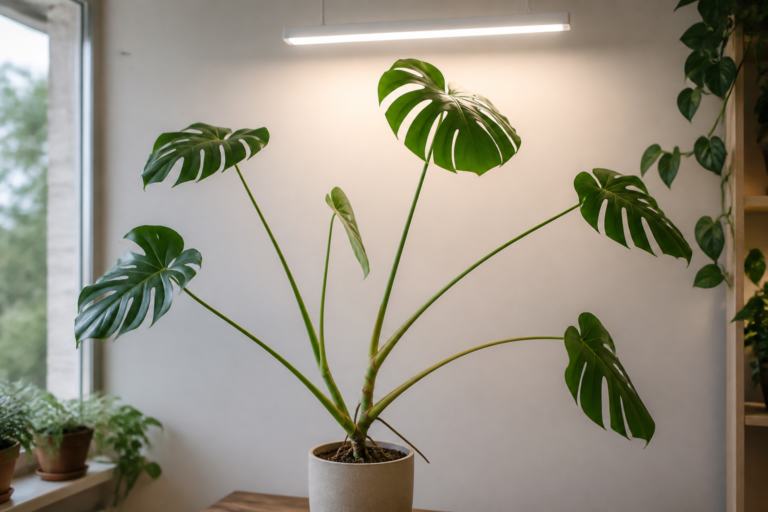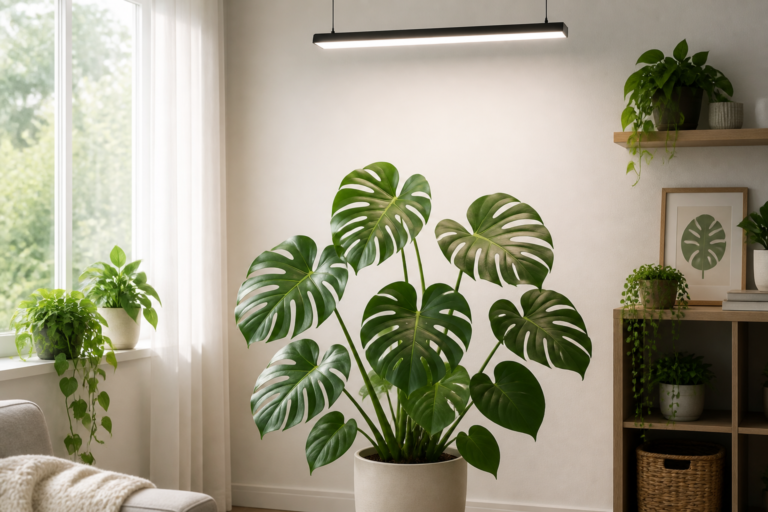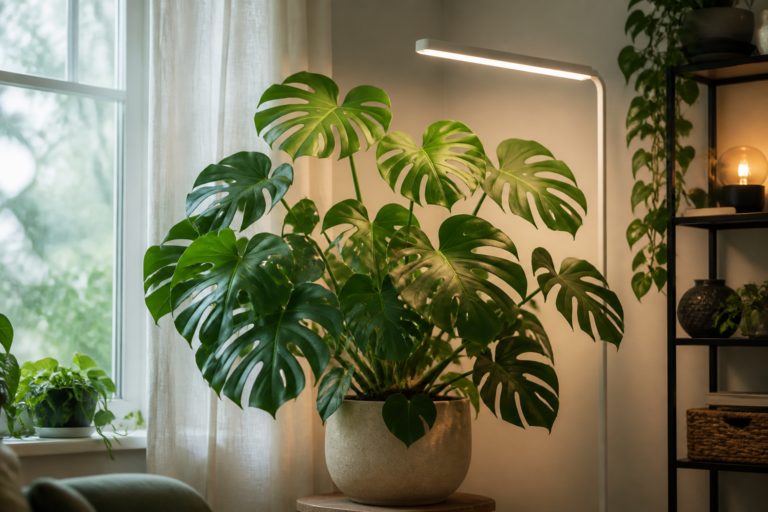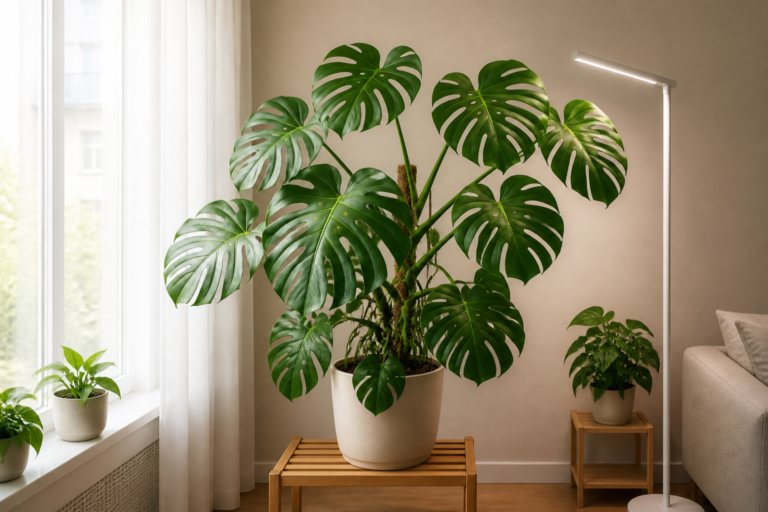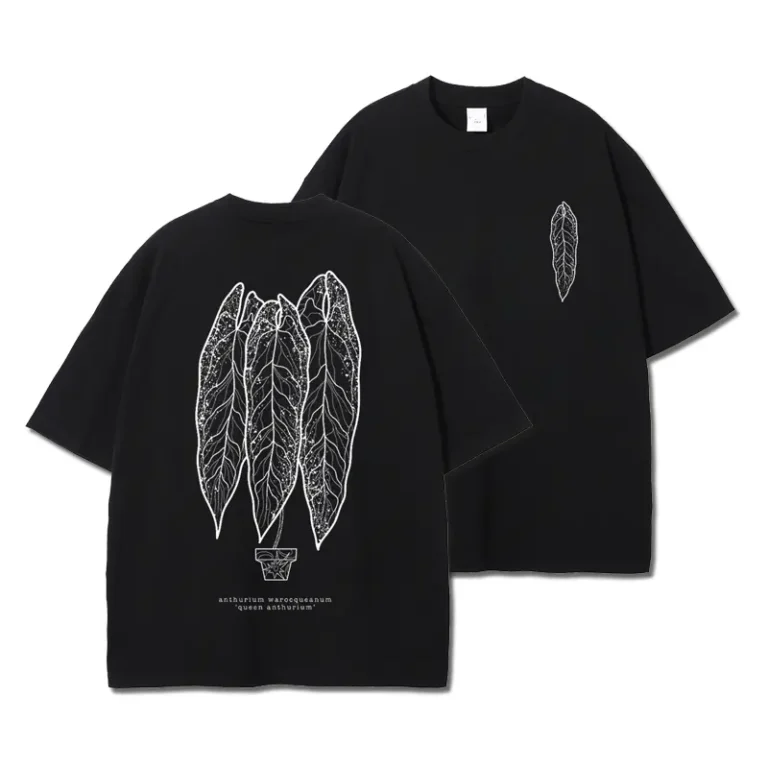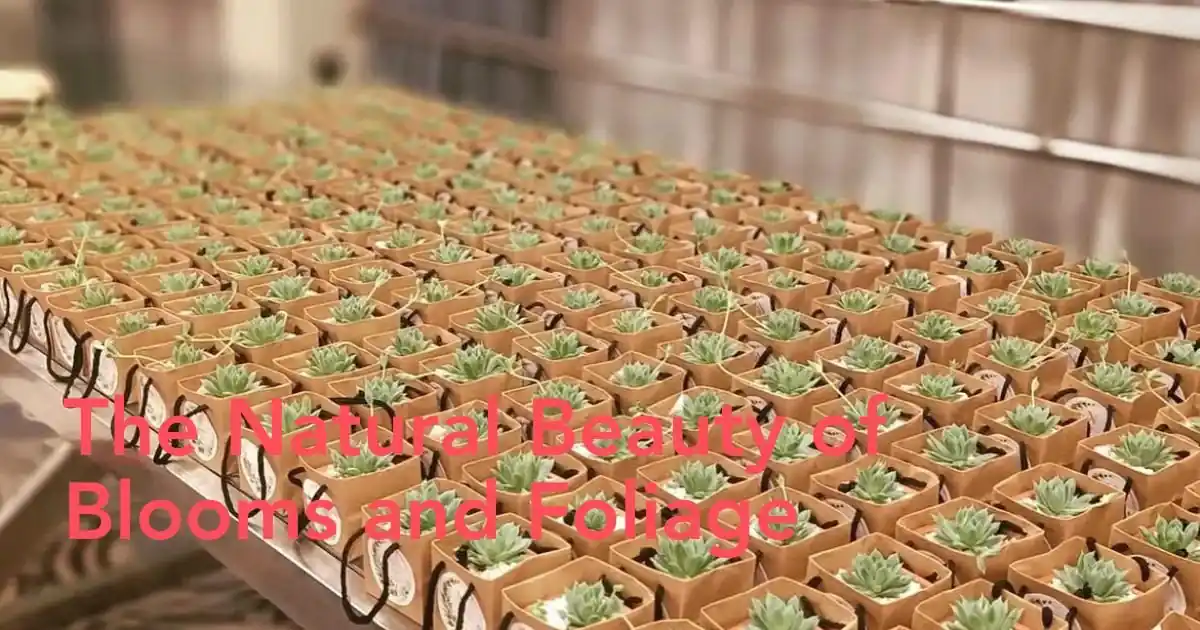
A notable phenomenon is unfolding in flower retail stores, plant nurseries, and specialized botanical shops worldwide.
The minimalist plant packaging and exhibition has quietly redefined the presentation methods of growers, florists, and plant aficionados for their precious greenery, reinforcing the timeless truth that simplicity often yields greater impact.
It’s a heartfelt shift that’s making room for nature’s own artistry to shine, especially in our tropical favorites that already command attention with their bold leaves and exotic blooms. As someone who’s spent years nurturing these green companions, I know how overwhelming it can feel when packaging steals the spotlight.
Today, let’s explore how this thoughtful approach is transforming floristry, nurseries, and your home jungle, all while honoring sustainability and your love for these living treasures.
The Heart of Minimalism: Why Less Packaging Means More Connection with Your Plants
Picture this: You’re eyeing that perfect fiddle-leaf fig or a cascade of philodendron, and nothing—not a flashy label or bulky wrap—gets in the way of appreciating its graceful form. That’s the philosophy at the core of the minimalist movement in plant packaging and display. It’s rooted in a simple, profound idea: Your tropical plants are already masterpieces. Why add noise when their natural elegance speaks volumes?
This isn’t just about stripping things down; it’s about creating space for what matters. In a world buzzing with distractions, minimalist packaging offers a calming respite. It taps into that quiet joy we all crave when tending to our indoor oases—whether it’s the soft rustle of a prayer plant’s leaves or the subtle scent of a blooming ginger lily. And let’s be real: As plant enthusiasts, we’re often juggling busy lives, so a presentation that feels authentic and uncluttered? It’s like a deep breath for the soul.
This mindset transcends superficial visual appeal. Minimalist packaging embodies a profound grasp of modern consumers’ core values. In today’s landscape, plant enthusiasts are growing more mindful of environmental consequences, actively seeking out products that adhere to sustainable principles.
The floral sector is answering this demand for accountability by cutting down on packaging materials, doing away with redundant plastics, and adopting understated labeling approaches. The outcome is packaging that communicates softly instead of making loud claims, delivering information without causing sensory overload.
But here’s where it gets even better for us tropical plant fans. This movement aligns perfectly with eco-conscious choices, reflecting values that many of us hold dear. By ditching excess materials, we’re not only reducing waste but also ensuring our vibrant calatheas and bird-of-paradise arrive in packaging that whispers sustainability. It’s a small act of care that echoes the resilience of these jungle-inspired beauties.
Quick Fact: Did You Know?
- Tropical plants like orchids and bromeliads thrive in minimalist setups, as reduced packaging stress minimizes transplant shock—leading to healthier, happier growth in your space.
Transparent Magic: Clear Stickers That Let Your Tropical Beauties Breathe
One of my favorite innovations in this space? Those whisper-thin clear stickers that vanish into the background while delivering just what you need to know. Imagine applying one to a glass cloche housing your prized epipremnum, or on a nursery shelf showcasing rare aroids—essential details like care tips or variety names appear without blocking the view. It’s practical poetry, designed for the modern florist or home grower who wants clarity without compromise.
The practical uses of these clear stickers exhibit an impressive range of diversity across the floral sector. In nurseries, they are affixed to the glass panels of greenhouses, enabling the identification of different plant varieties while ensuring unobstructed visibility of the internal growing conditions.
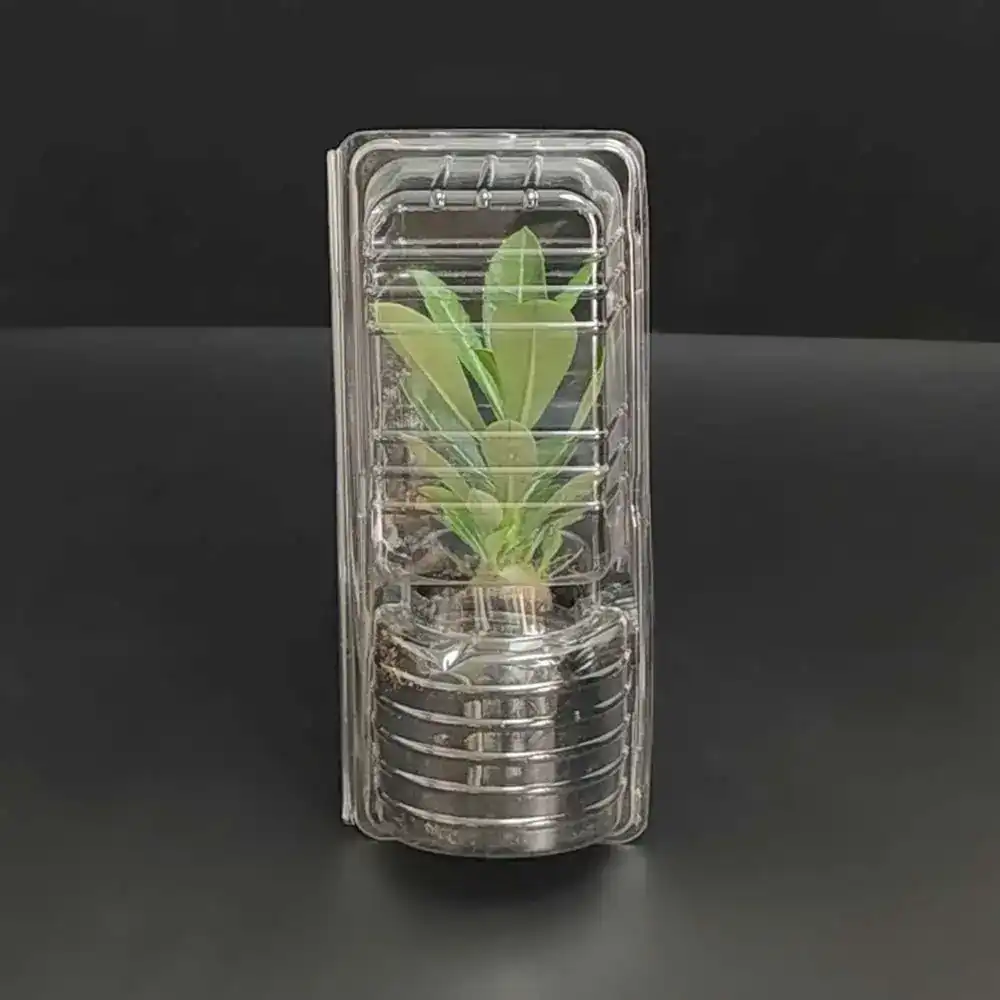
Artisanal florists utilize them on jars of preserved flowers and dried botanical samples, letting the beauty of the contents take center stage while effectively communicating care guidelines and brand details.
For retail plant stores, these stickers are applied to display windows to present pricing information and plant names—all without hiding the thoughtfully designed interior displays that play a key role in attracting customers.
Thanks to their unique ability to blend seamlessly when necessary and capture attention at critical points, these clear stickers prove to be perfect for application on jars, packaging materials, and display windows across the entire floral industry.
Versatility is key here. Pair them with natural elements like cork coasters under pots or linen slings for hanging ferns, and you’ve got a cohesive look that’s as durable as it is refined. No more clashing colors or textures pulling focus from your tropical stars. It’s all about harmony, making your plant collection feel like a serene extension of nature itself.
Going Green with Grace: Sustainable Materials for Eco-Friendly Tropical Displays
If there’s one thing that warms my heart about this minimalist wave, it’s how seamlessly it weaves in sustainability—especially for tropical plants that hail from some of the planet’s most biodiverse hotspots. We’re talking materials that cradle your alocasias during shipping without leaving a heavy footprint, so you can enjoy guilt-free greenery.
Let’s break down some standout sustainable picks that fit right into a tropical vibe:
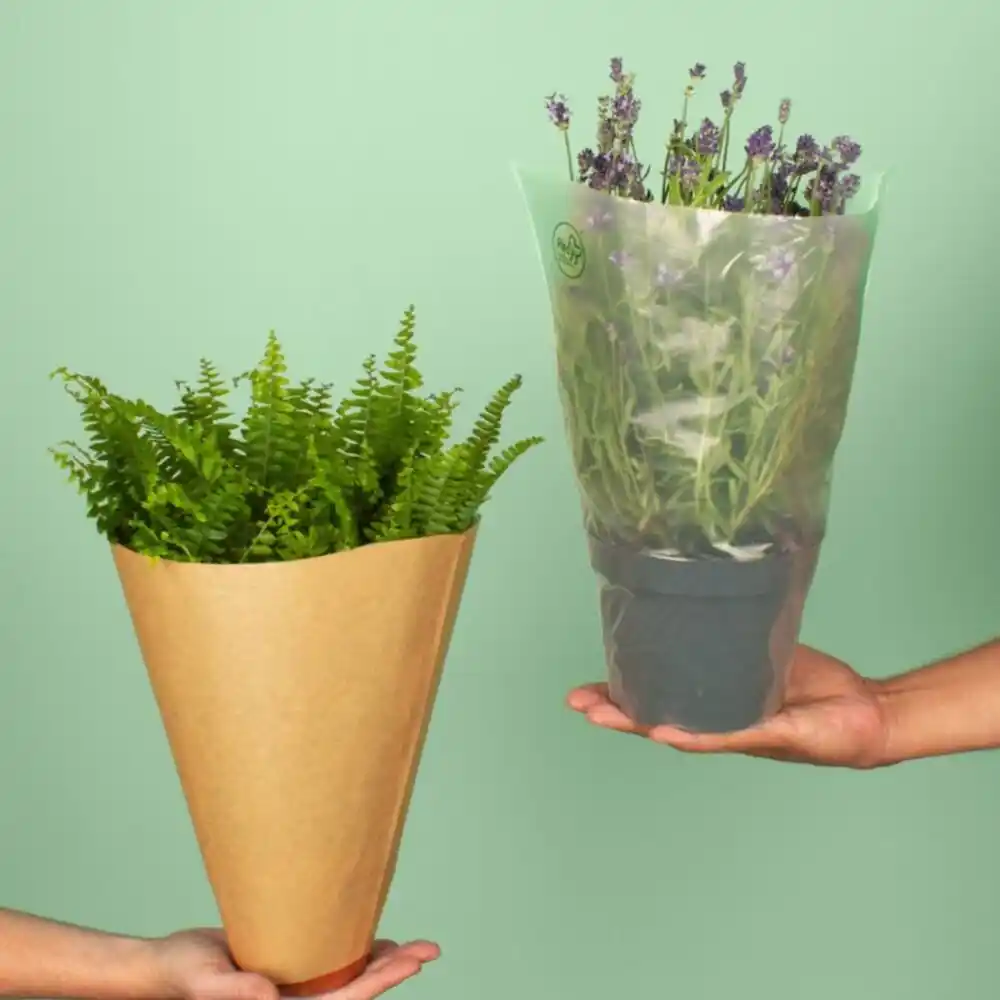
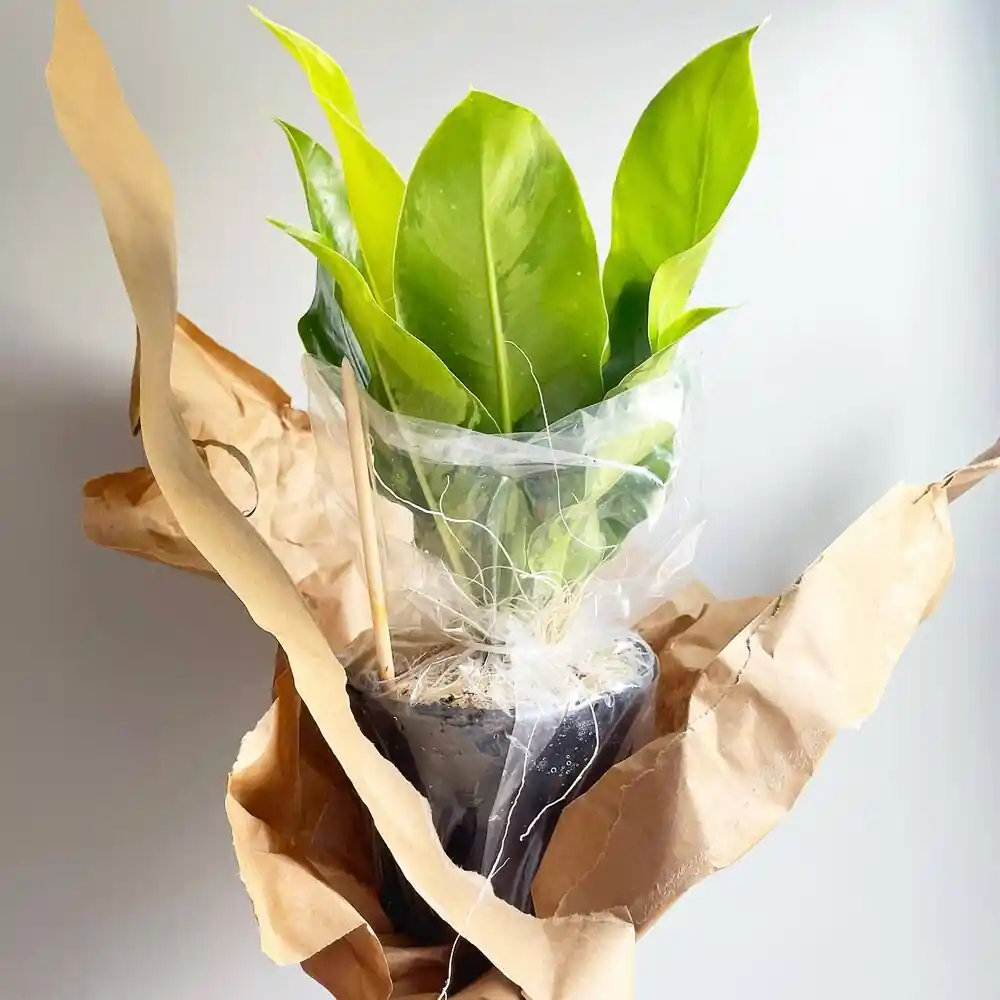
- Kraft paper wraps: Soft and breathable for bundling ti plants or crotons, fully compostable and oh-so-touchable.
- Natural jute twines: Gentle ties for securing palm fronds, swapping out plastics for something that biodegrades beautifully.
- Repurposable glass jars: Perfect for rooting cuttings of pothos or displaying air plants—turn them into forever vases post-bloom.
- Plant-based cellophane: A clear, eco-twist on wraps for sensitive ferns, dissolving harmlessly when done.
- Reclaimed wood crates: Rustic bases for showcasing staghorn ferns, adding that earthy charm without excess.
- Neutral linen folds: No-tape origami-style wraps around banana plants, elegant and endlessly reusable.
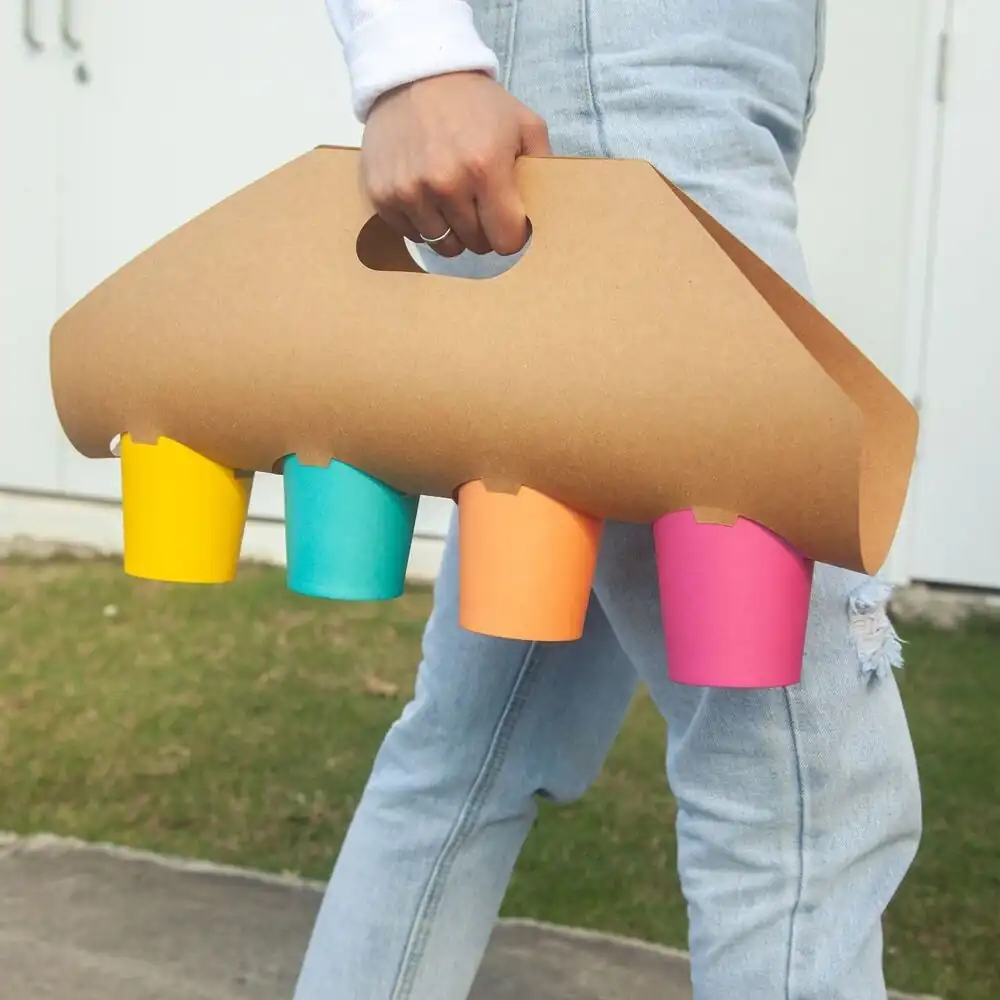
Beyond the realm of materials, the minimalist philosophy exerts a notable impact on the presentation of plants within retail spaces. Sleek, uncluttered shelving configurations grant each plant sufficient space to stand out, eliminating the overwhelming “visual clutter” that arises when an excessive number of specimens vie for customers’ attention.
Monochromatic backgrounds—such as crisp whites, subtle grays, and natural wood tones—craft gallery-esque atmospheres where plants transform into living works of art. Thoughtfully incorporated negative space guides the viewer’s gaze and fosters a sense of tranquility, elevating the overall shopping journey.
This environmentally mindful strategy also encompasses plant care instructions and product details. Instead of affixing numerous tags loaded with redundant content, minimalist-focused retailers condense essential information onto single, aesthetically pleasing labels or QR codes that direct users to thorough digital care resources.
This approach cuts down on paper waste while equipping customers with more in-depth information than what could ever be accommodated on a conventional tag. The end result is a shopping experience that strikes a perfect balance between contemporary style and intentionality.
Comparison: Traditional vs. Minimalist Plant Packaging for Tropicals
| Aspect | Traditional Packaging | Minimalist Approach |
|---|---|---|
| Material Impact | High plastic use, hard to recycle | Biodegradable options, low waste |
| Visual Appeal | Busy tags distract from plant details | Clean lines highlight leaf textures |
| Durability | Fades in humidity quickly | Weather-resistant, long-lasting |
| Customer Feel | Overwhelming, disposable vibe | Calming, premium, connection-building |
Transforming Your Space: How Minimalism Elevates Everyday Plant Joy
One of the most captivating elements of the minimalist trend in plant packaging and display lies in its significant influence on customers’ perceptions of and interactions with plant retailers.
By thoughtfully streamlining packaging and presentation, the overall shopping journey becomes more deliberate, more unforgettable, and ultimately more gratifying. Shoppers often express feeling less swamped and developing a deeper connection with their chosen items when the display is sleek and purpose-driven.
From a branding standpoint, minimalism conveys elegance, superior quality, and a focus on details. Floral designers and plant stores that adopt this aesthetic send a clear message to customers: they prioritize craftsmanship over mass manufacturing and genuine value over superficial appeal.
This impression directly fosters customer loyalty and increases their readiness to spend on high-end products. For instance, a simple bouquet packaged in natural paper adorned with just one refined label comes across as a heartfelt gift, rather than a mere commercial transaction.
In essence, this movement nudges us toward mindful greenery. It strips away the excess so we can savor the essence—healthier plants, lighter conscience, deeper appreciation.
Simple Steps to Bring Minimalist Magic Home
As we close the canopy on this chat, remember: The minimalist movement in plant packaging and display isn’t a trend—it’s a loving invitation to let your tropical treasures lead.
Key takeaways? Embrace transparent labels for clarity, lean into sustainable wraps for the planet, and create displays that breathe easy.
Start small: Swap one plastic pot sleeve for kraft paper next time you shop, or clear out a shelf for negative space around your favorites. You’ll feel the difference—a calmer space, thriving plants, and that warm glow of doing good.
Ready to green your world with less? Dive into these ideas, and watch how simplicity blooms into something extraordinary.
FAQ
What are the best clear stickers for tropical plant labeling?
Opt for waterproof, UV-resistant vinyl options like those from Avery or EcoEnclose—they adhere smoothly to glass or plastic without yellowing in humid conditions, perfect for your monstera tags.
How does minimalist packaging benefit tropical plant health?
By minimizing material contact and stress during transport, it reduces moisture buildup and transplant shock, helping sensitive species like anthuriums settle faster into your home environment.
Are there affordable sustainable materials for DIY plant wrapping?
Yes! Start with kraft paper rolls ($5–10 on Amazon) or jute twine from craft stores—both compostable and ideal for wrapping crotons without breaking the bank.
Can minimalist displays work in small urban apartments with tropicals?
Absolutely—use wall-mounted shelves with negative space and QR-linked care info to keep your fiddle-leaf fig display airy and informative, turning tight spaces into serene jungles.
How is the minimalist movement impacting tropical floristry trends?
It’s driving a 25% rise in eco-label adoptions (per 2025 Floral Insights report), with shops favoring neutral palettes and reusable crates to highlight bold tropical colors sustainably.