Walk down the soil aisle online and the choices get overwhelming fast: all-purpose mix, indoor mix, aroid mix, cactus mix, orchid bark, organic this, premium that. Most of it is the same handful of ingredients blended in different ratios for different roots. Once you understand what’s in the bag and what your plant actually wants, choosing takes about thirty seconds.
This guide covers the main types of potting soil sold for indoor plants, what each one is made of, the popular bagged brands you’ll see online, and a simple way to match the mix to your plant.

First, what “potting soil” actually is
Here’s the thing that trips up beginners: most bagged “potting soil” contains no actual soil at all. Garden soil and topsoil are too dense for containers — they compact, choke out air, and stay waterlogged. What you buy in a bag is a potting mix (or “growing medium”), a soilless blend engineered to hold water and air at the same time inside a pot.
The job of a good potting mix is simple: stay moist without staying soggy, and keep enough air pockets that roots can breathe. Everything else is detail.
A typical mix is built from two kinds of ingredients. Water-holding organic matter — peat moss or coconut coir — soaks up moisture and nutrients. Aerating minerals — perlite, pumice, or bark — create the air gaps that stop roots from drowning. Change the ratio of those two groups and you’ve created every “type” of potting soil on the market. For more on this, the Wikipedia overview of potting soil is a solid primer.
The components you’ll see on the label
| Component | What it does | Breaks down? |
|---|---|---|
| Peat moss | Holds water and nutrients; slightly acidic | Slowly |
| Coconut coir | Sustainable peat alternative; re-wets easily | Slowly |
| Perlite | White volcanic glass; adds drainage and air | No |
| Pumice | Heavier mineral aeration; won’t float | No |
| Orchid/fir bark | Chunky structure and airflow for thick roots | Yes, over 1–2 years |
| Vermiculite | Holds water and nutrients; softer than perlite | Slowly |
| Worm castings / compost | Natural slow-release nutrition | Yes |
| Horticultural charcoal | Helps “freshen” chunky mixes, improves drainage | Very slowly |
How many types of potting soil are there?
In practice, the bagged products you’ll buy online fall into about eight categories. Here they are, from most general to most specialized, with a difficulty/match rating for indoor growers.
1. All-purpose potting mix — ★ Easy
The default bag. Moderate water retention, moderate drainage, often with starter fertilizer mixed in. Fine for a huge range of common houseplants — pothos, peace lilies, dracaena, ferns in pots — but on the heavy, moisture-holding side for chunkier-rooted tropicals. Best for: general houseplants and anyone who wants one bag for everything.
2. Indoor / houseplant potting mix — ★ Easy
Essentially an all-purpose mix tuned for containers indoors. These are usually lighter, sometimes formulated to resist gnats by keeping the surface drier, and lower in the heavy compost that can stay wet inside a home. Best for: beginners and the average windowsill collection.
3. Aroid / chunky tropical mix — ★★ Intermediate
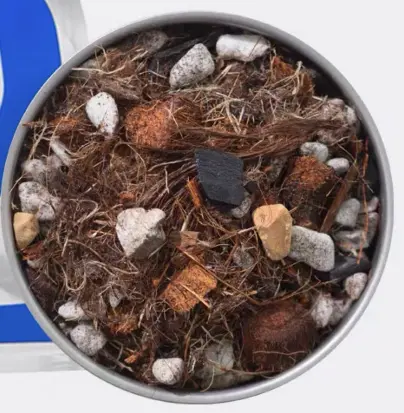
The mix the houseplant hobby revolves around. Built for aroids — Monstera, Philodendron, Anthurium, Pothos, Syngonium, Alocasia — whose thick roots want air as much as water. A chunky aroid mix is mostly bark, coco coir, and perlite (a common starting point is roughly equal parts bark, coir, and perlite, with optional charcoal and worm castings). It drains fast and almost never stays soggy. Best for:climbing and large-leaf tropicals. We break down ratios in our best soil for Monstera guide.
4. Cactus & succulent mix — ★ Easy
The opposite of an aroid mix in spirit: heavy on sand, grit, and perlite so water races through and roots dry out quickly. Best for: cacti, succulents, and anything you tend to overwater. Avoid it for thirsty tropicals — it’ll dry out before they’re happy.
5. Orchid mix (bark) — ★★ Intermediate

Barely “soil” at all — mostly fir bark chunks, often with charcoal and perlite. Epiphytic orchids grow on trees in the wild, so their roots need huge airflow and almost no dense medium. Best for: Phalaenopsis and most epiphytic orchids. The chunky bark also makes a great base ingredient for DIY aroid mixes.
6. Seed-starting mix — ★ Easy
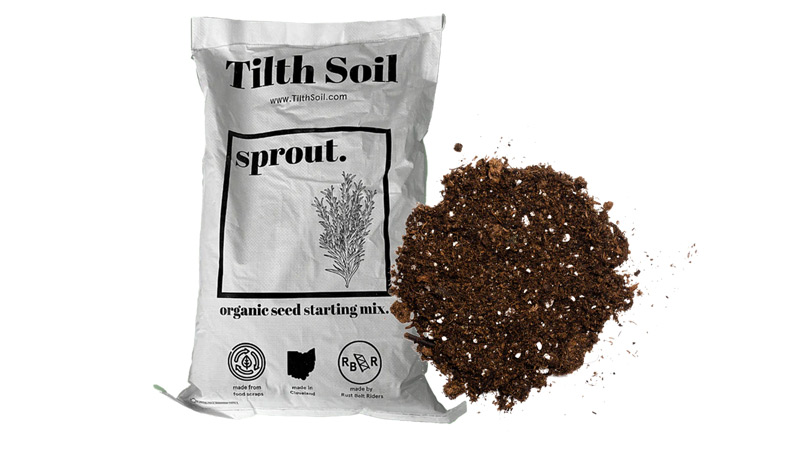
Very fine, light, and sterile, with little to no fertilizer so tender seedlings don’t burn. Not a long-term home for a plant — graduate seedlings to a regular mix once they’re established. Best for: starting seeds and rooting some cuttings.
7. African violet / specialty bloom mix — ★ Easy
Light, fluffy, and slightly acidic, designed for the fine roots of African violets and similar gesneriads. Sold as a niche product but genuinely better for those plants than a dense all-purpose bag. Best for: African violets, begonias, and other fine-rooted bloomers.
8. Organic / soilless premium blends — ★★ Intermediate
A quality tier rather than a single recipe. “Organic” mixes lean on coir, compost, worm castings, and beneficial microbes instead of synthetic fertilizer; “premium soilless” blends (peat/coir plus perlite or pumice, no field soil) prioritize aeration and consistency. Best for: growers who want richer nutrition or a cleaner, lighter medium and don’t mind paying more.
The popular potting soils sold online
You don’t need to memorize brands, but a few names dominate the shelves and search results. Here’s what each is known for, without the hype.
Miracle-Gro is the most widely available name in gardening. Its Indoor Potting Mix and Houseplant Potting Mix are reliable, affordable all-rounders with starter fertilizer included — a sensible default for common houseplants. Some hobbyists find the standard mixes too moisture-retentive for chunky-rooted tropicals and amend them with extra perlite or bark.
FoxFarm is the enthusiast favorite for nutrition. Ocean Forest is a rich, ready-to-go blend (forest humus, bark, worm castings, bat guano) popular with growers of fast, hungry plants, while Happy Frog is a lighter everyday option. Premium-priced, but well-regarded.
Espoma Organic Potting Mix is the go-to “best all-rounder organic” pick — coir, peat, and beneficial mycorrhizae, with no synthetic fertilizer. A good middle ground between a basic bag and a specialist mix.
Sun Gro / Black Gold and Coast of Maine round out the premium organic shelf, while specialist sellers like rePotme, Gardenera, and small-batch makers such as Molly’s Aroid Mix sell ready-made chunky aroid and orchid blends for people who don’t want to mix their own. You can see our own curated substrate and growing supplies in the shop.
Rule of thumb for tropicals: if a bagged mix feels dense and dark out of the bag, lighten it. Cutting any all-purpose mix with 20–40% extra perlite or bark turns a generic product into something most aroids will love.
How to choose the right potting soil
Skip the marketing and ask three questions.
1. What does the plant’s root system want? This is 90% of the decision. Match the plant’s natural habitat to the mix:
| Plant group | What it wants | Reach for |
|---|---|---|
| Tropical aroids (Monstera, Philodendron, Anthurium) | Fast drainage, lots of air, even moisture | Chunky aroid mix |
| Common foliage houseplants (pothos, peace lily, ferns) | Balanced moisture | Indoor / all-purpose mix |
| Cacti & succulents | Sharp drainage, fast dry-out | Cactus & succulent mix |
| Epiphytic orchids | Almost pure airflow | Orchid bark mix |
| African violets & fine-rooted bloomers | Light, slightly acidic | African violet mix |
2. What’s your watering habit? Honest answer required. If you tend to overwater, lean chunkier and faster-draining than the “default” recommendation — a heavier hand on the watering can is forgiven by an airy mix. If you forget to water, a more moisture-retentive mix buys you time.
3. Your pot and your environment. A plastic pot holds moisture longer than terracotta, so pair dense mixes with porous pots and chunky mixes with whatever you like. Low light and cool rooms mean soil dries slowly, which again argues for a more open mix. The same logic applies when you decide it’s time to repot — fresh, airy medium is half the benefit of repotting.
Many collectors also build hybrid mixes by adding sphagnum moss to soil for extra moisture without losing air, especially for plants recovering from root loss. If you’re brand new, our beginner-friendly tropical plants guide pairs easy plants with forgiving mixes.
Where to start
If you only buy one bag, get a quality indoor or all-purpose mix and keep a jug of perlite on the shelf — that combination covers most homes. The moment you move into Monstera, Philodendron, or Anthurium and other aroids, switch to a chunky aroid mix (or amend your all-purpose bag heavily) and you’ll see steadier growth and far fewer root problems. Buy the mix that matches the plant, not the prettiest bag — the roots can’t read the label.