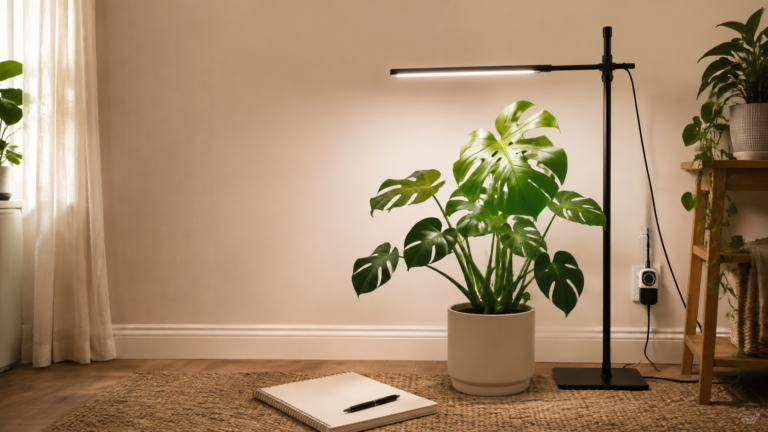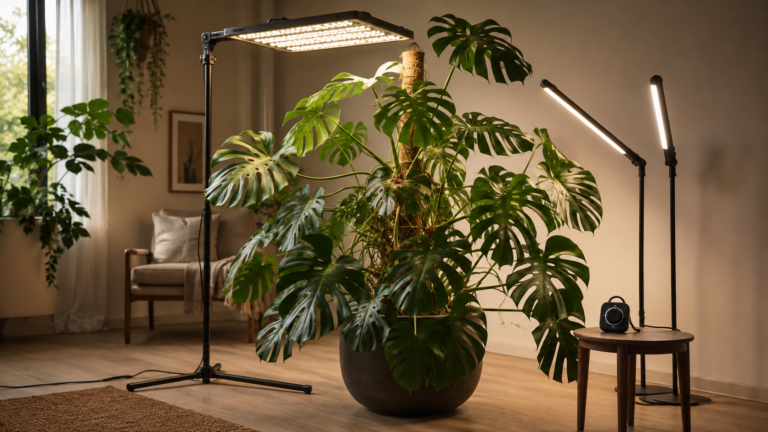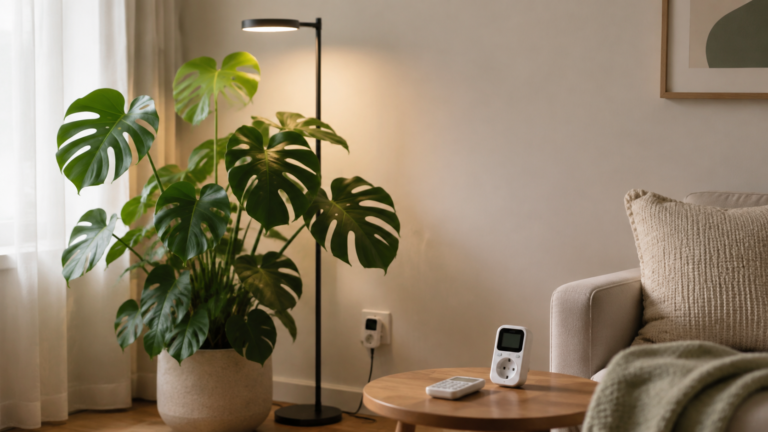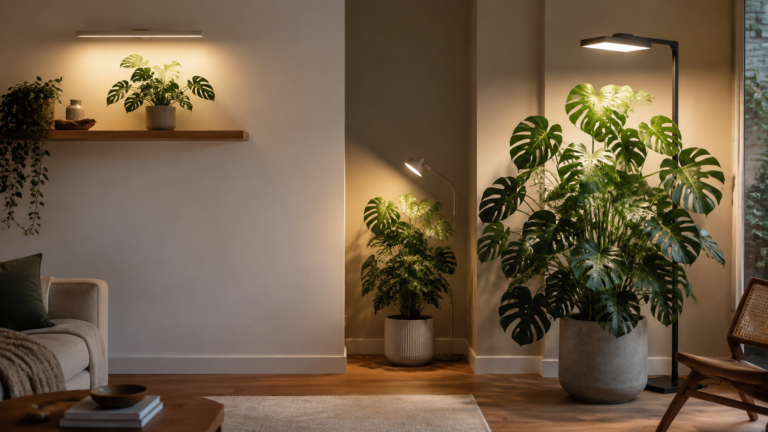
Have you ever felt that instant calm wash over you when you step into a room dotted with lush greenery? In our busy, screen-filled lives, it’s easy to feel disconnected from the natural world, leaving us stressed, stuffy, or just a bit off-balance. But here’s the good news: inviting interior plants into your space isn’t just about adding a pop of color—it’s a gentle.
The appeal of indoor plants has been on a steady rise, and this isn’t just a short-lived hype or a passing fancy—rather, it’s a thriving movement brimming with health and environmental perks. These benefits do more than boost our overall well-being; they also lend a helping hand to building a healthier planet.
To put it simply, introducing plants into indoor spaces is a simple yet effective way to bridge the gap between humans and nature, which in turn brings gains to both people and the world we live in.
The Healing Touch: How Interior Plants Boost Your Mental and Physical Health
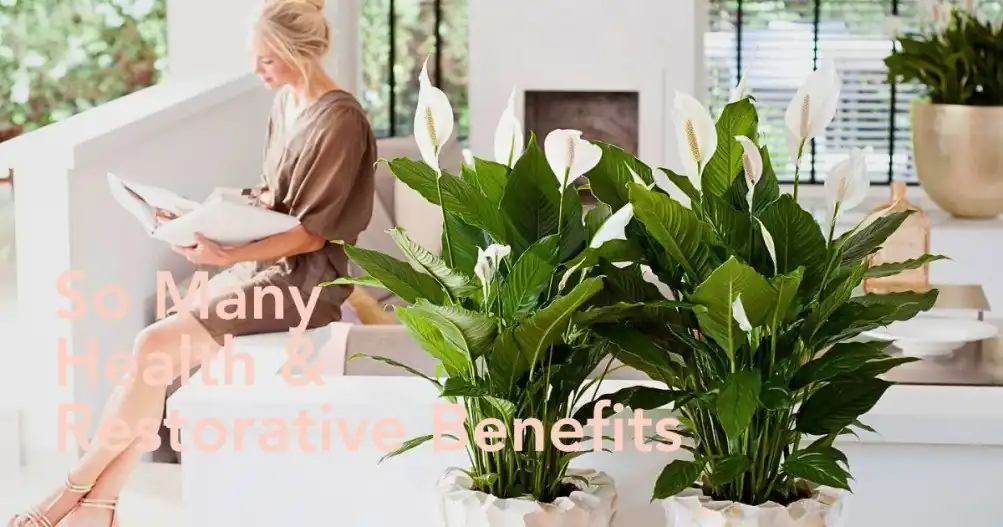
Imagine unwinding after a long day, your worries melting away as you glance at a vibrant leaf unfurling nearby. Interior plants, especially those hardy tropical varieties like peace lilies or fiddle-leaf figs, do more than decorate—they’re like quiet therapists for your mind and body. Let’s break it down with some heartfelt insights and what the research says.
Purify indoor air
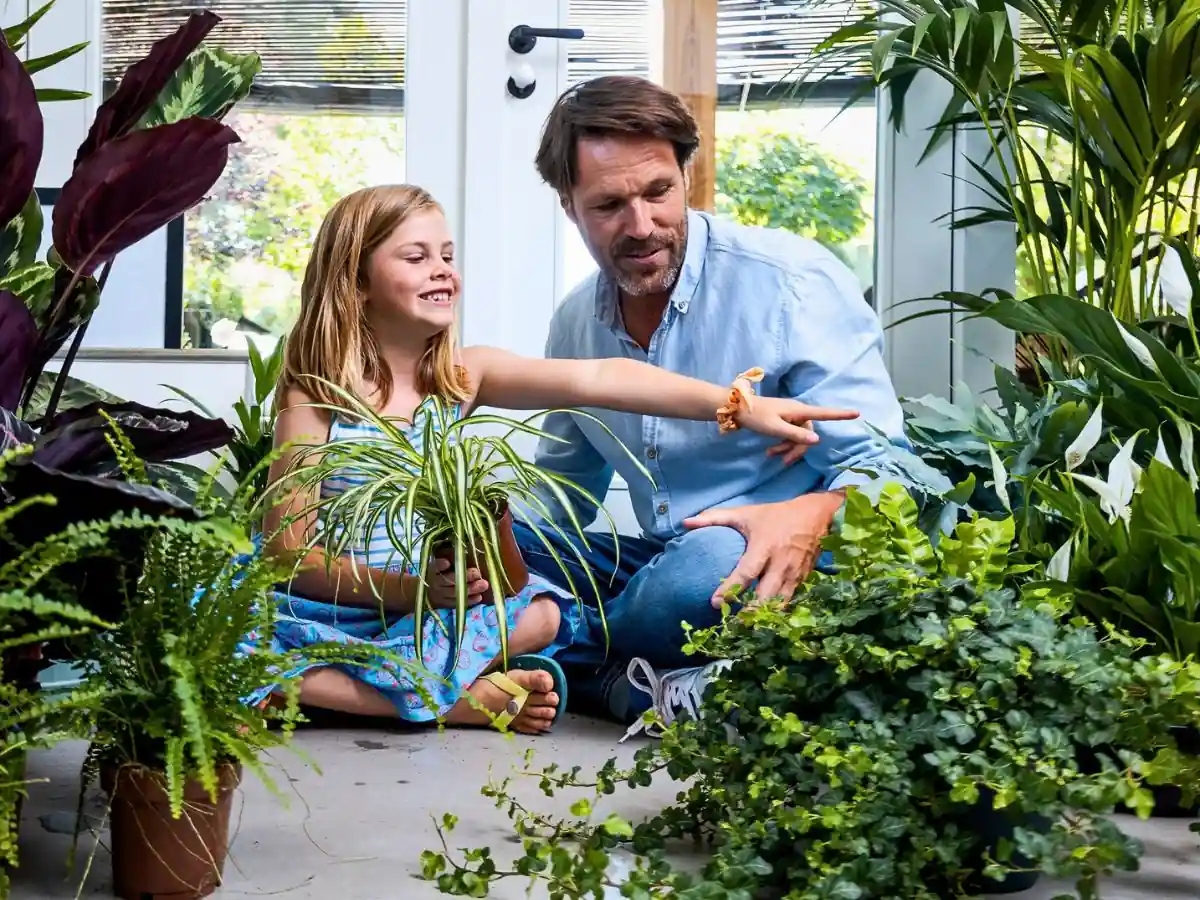
A highly recognized advantage of indoor plants lies in their remarkable capacity to cleanse the air within enclosed environments. Contemporary residences and office spaces are frequently designed as tightly sealed areas, which inadvertently trap various pollutants indoors.
These contaminants originate from a variety of sources, including furniture, electronic devices, and household cleaning agents, and they can trigger an array of health complications—ranging from mild symptoms like headaches and weariness to severe respiratory ailments.
Indoor plants, by their very nature, serve as exceptional natural air purifiers. They possess the unique ability to absorb detrimental chemicals such as formaldehyde, benzene, and trichloroethylene, while simultaneously emitting clean, oxygen-abundant air.
This process significantly boosts the overall air freshness of the space, rendering indoor plants an indispensable resource for individuals suffering from allergies, asthma, or other respiratory conditions.
To assist you in enhancing your home’s air quality, we’ve compiled a list of top-tier air-purifying plants that are sure to infuse your living space with a revitalizing breath of fresh air.
Easing Stress and Lifting Your Spirits
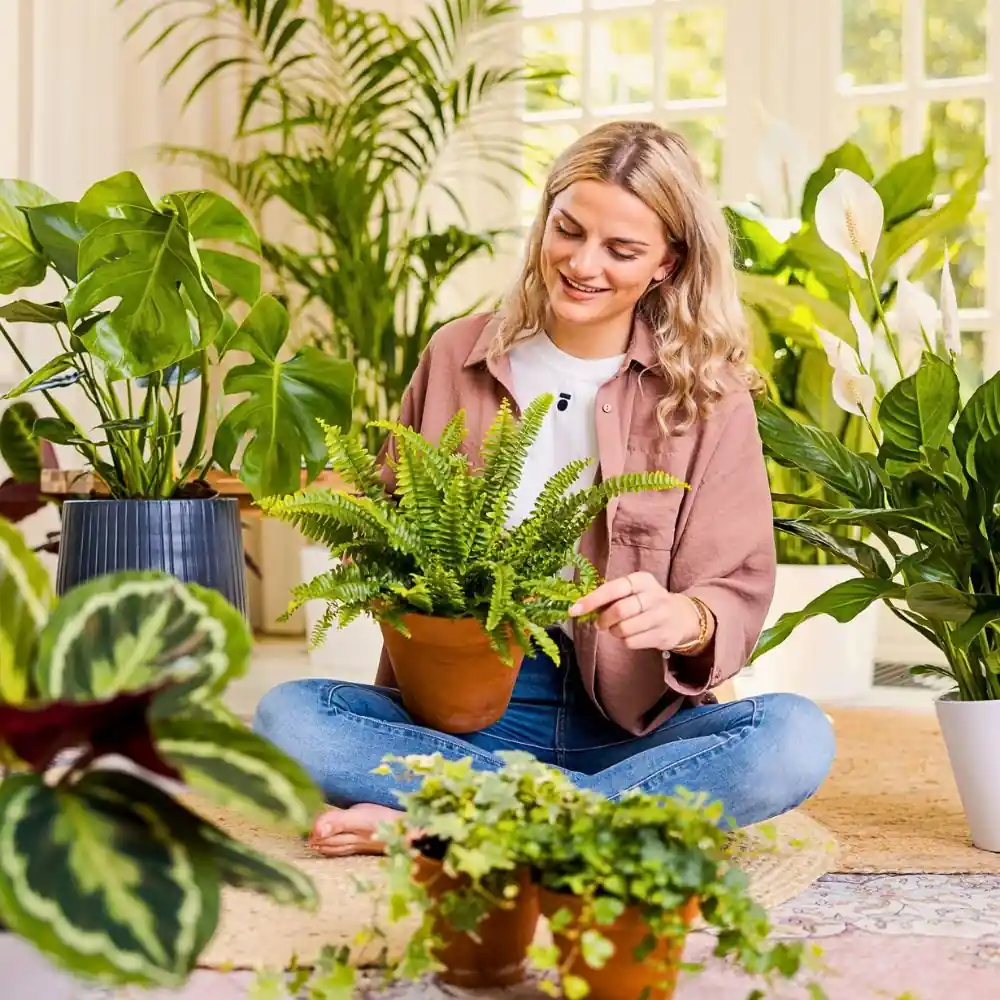
We all have those days when tension knots up your shoulders, right? Indoor greenery serves as an effective stress-alleviating agent as well. According to a research study featured in the Journal of Physiological Anthropology, incorporating plants into indoor environments has the ability to ease stress, fostering a greater sense of comfort and emotional stability among occupants.
Participants in this study reported diminished stress levels and even showed a decrease in blood pressure following interactions with these plants.
This soothing impact is further corroborated by a separate investigation that tracked the concentration of cortisol—the primary stress hormone—in participants. The findings revealed that exposure to natural settings and plant life leads to a reduction in cortisol secretion, thereby effectively mitigating overall stress levels. It’s like a mini-vacation in your living room—no packing required.
Quick Fact: Just 5 minutes around plants can drop your stress levels by up to 20%, per physiological markers.
Empathy Tip: If anxiety creeps in during work calls, place a snake plant on your desk—its upright leaves are a subtle reminder to breathe deep.
Sharpening Focus and Sparking Creativity
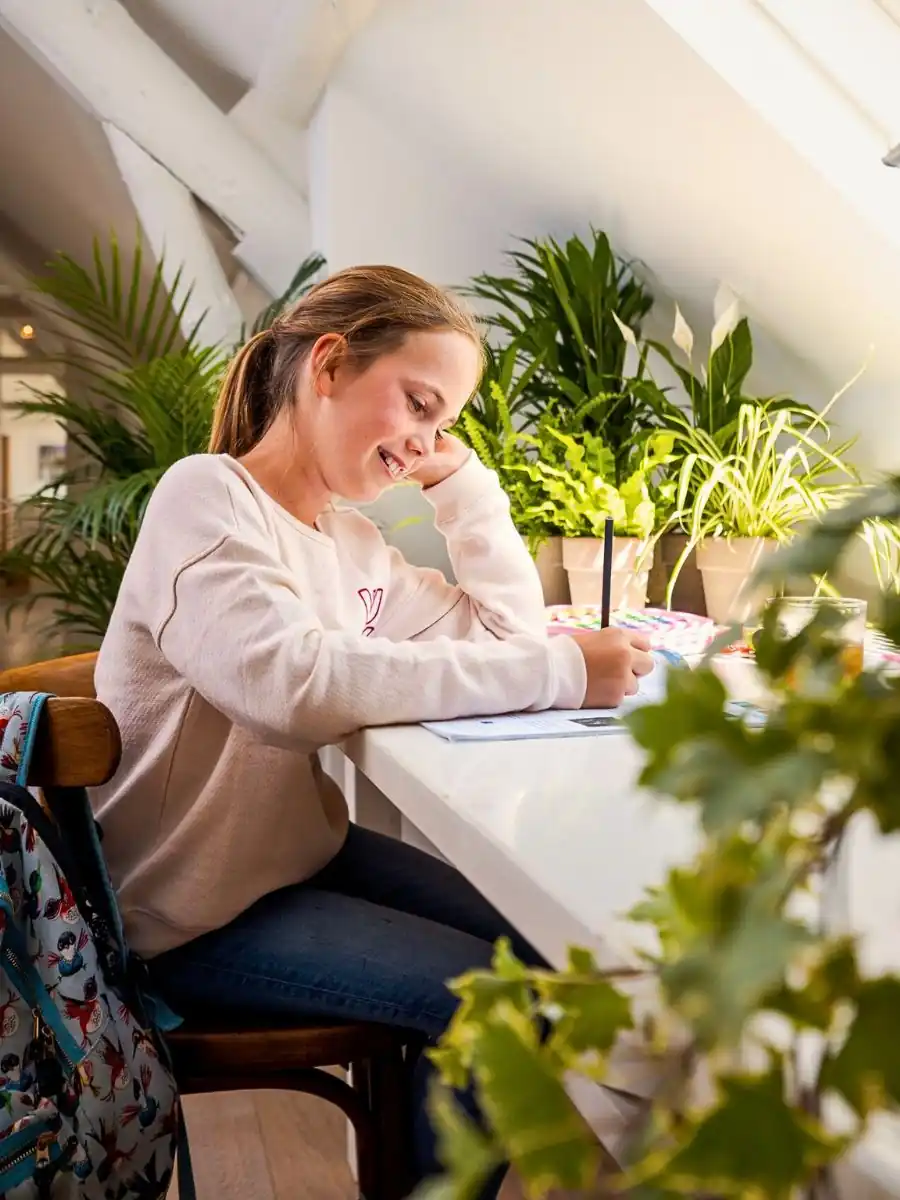
Plants are also capable of exerting a favorable influence on human cognitive functions. Multiple research studies have demonstrated that students attending classes in rooms adorned with potted plants achieved superior results in academic assessments covering mathematics, spelling, reading, and science compared to their peers in classrooms lacking such green elements.
For elementary school pupils specifically, learning in an environment with real plants led to noticeable improvements in their cognitive capabilities, attention spans, and levels of concentration—findings that were subsequently confirmed by brain scan analyses. Adults aren’t left out—offices with interior plants see productivity jumps of 15%, thanks to that restorative “nature pill” effect.
Consequently, visible greenery possesses a mind-restoring property, effectively boosting individuals’ capacity to maintain focus.
Purifying the Air You Breathe Every Day
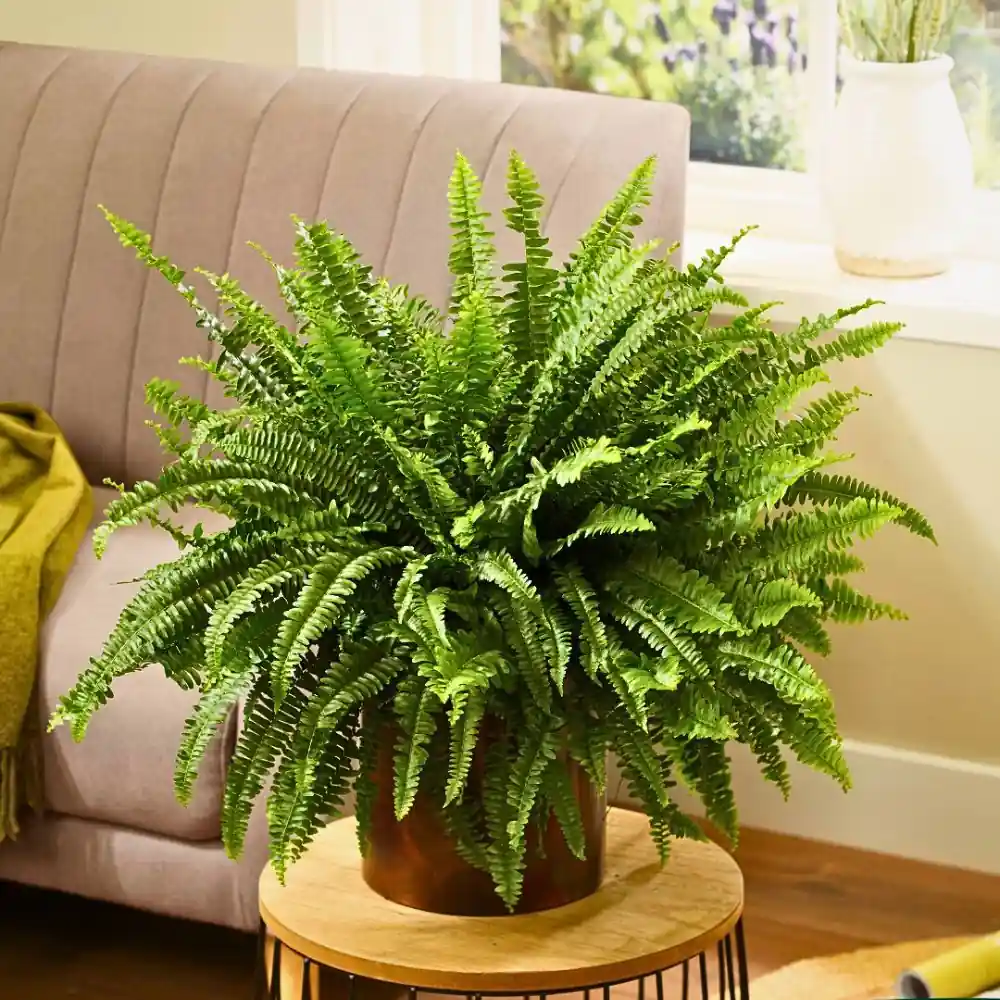
Tight on space but battling allergies or stuffy sinuses? Modern homes trap sneaky pollutants from paints, cleaners, and gadgets—think formaldehyde and benzene causing headaches or worse. Enter air-purifying powerhouses like spider plants or Boston ferns, which naturally filter these out, releasing oxygen-rich air in exchange. For tropical fans, a monstera or philodendron can tackle VOCs (volatile organic compounds) while thriving in your humid bathroom.
Pro Comparison: A single peace lily removes more toxins than many synthetics, all while blooming those elegant white spathes for a spa vibe.
Heartfelt Note: If respiratory issues keep you up at night, starting with low-maintenance purifiers can feel like a caring hug from Mother Nature.
Supporting Recovery and Emotional Resilience
Numerous additional research efforts have corroborated the healing potentials of plants. A notable example is horticultural therapy, which has proven valuable in assisting individuals grappling with mental health conditions like depression, anxiety, and dementia.
Remarkably, certain medical facilities have started incorporating “plant prescriptions” into their treatment plans for patients suffering from depression or anxiety. One such institution is the Cornbrook Medical Practice located in Manchester, UK.
At this clinic, the process of caring for a living plant is thought to diminish anxiety levels, sharpen concentration, and mitigate depressive symptoms. Furthermore, engaging with these plants serves as a constructive pastime that eases stress and fosters mental tranquility.
Beyond their positive impact on psychological health, indoor plants also contribute to the recovery of patients who are ill or recovering from surgery.
Comprehensive research analyses indicate that hospitalized patients who have access to plants in their rooms—either directly or via a view of natural scenery—experience greater emotional calmness, reduced pain perception, and shorter hospital stays. Flowers, in particular, exert an uplifting influence, brightening the environment and boosting the mood of those in their vicinity.
Greening the Globe: Interior Plants’ Role in a Sustainable World
It’s not just about feeling good—your indoor jungle quietly champions the planet too. In sealed-off spaces where indoor air can be 5 times dirtier than outside, these plants act as eco-warriors, absorbing CO2 and VOCs through photosynthesis. Tropical stalwarts like bird of paradise or areca palms shine here, humidifying dry air and cutting energy use by shading windows to keep rooms cooler.
Tackling Pollution and Climate Woes
Beyond their beneficial effects on human well-being, indoor plants also play a pivotal role in fostering a greener, more sustainable planet.
A well-documented phenomenon is that indoor pollution levels frequently surpass those outdoors. Indoor air typically consists of a combination of compounds originating from the outside environment and contaminants generated within the building itself.
Similarly, it is widely recognized that volatile organic compounds (VOCs) released by everyday items can pose significant risks to human health.
Fortunately, indoor plants possess the natural ability to absorb these VOCs and purify the air effectively. Examples include upright varieties such as Spathiphyllum, Ficus lyrata, and Monstera deliciosa, as well as trailing species like Hedera helix.
The 1989 NASA Clean Air Study shed light on how houseplants, in conjunction with their associated microorganisms, are able to remove VOCs from indoor air. Through the process of photosynthesis, these plants absorb carbon dioxide and release oxygen, thereby enhancing overall air quality.
Sustainability Hack: Grow kitchen herbs like basil indoors to slash food miles and packaging waste—fresh pesto, zero guilt.
Boosting Humidity and Energy Efficiency
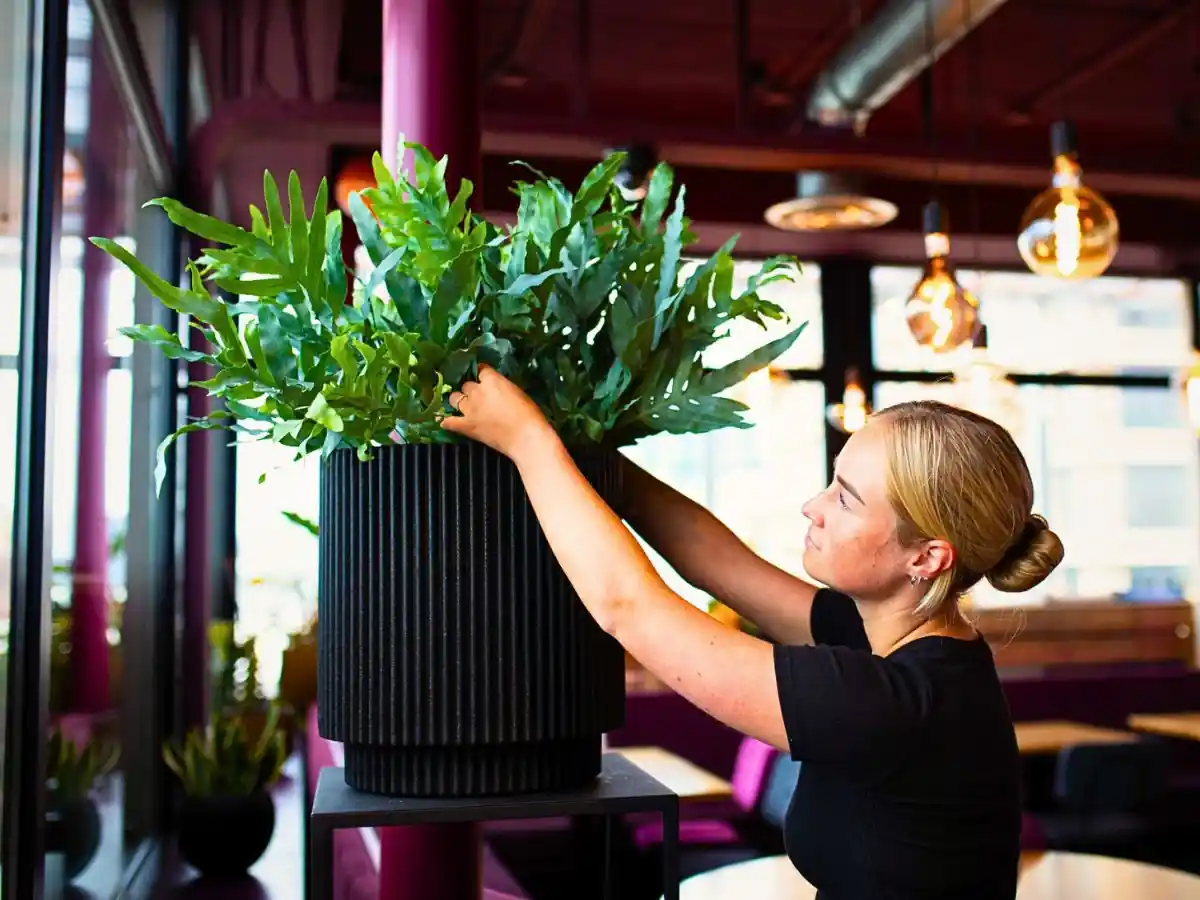
Indoor plants offer a range of practical and environmental advantages for households. A key benefit lies in their ability to boost indoor humidity—an especially valuable trait during the arid winter season, when heating and cooling systems frequently deplete moisture in enclosed spaces.
Low humidity can leave residents more prone to respiratory ailments such as colds and influenza, but houseplants counteract this by releasing moisture into the air, fostering a more pleasant and health-friendly living environment.
Beyond humidity regulation, these green additions also aid in carbon dioxide reduction. While their impact on CO₂ levels pales in comparison to outdoor plant life, they still make a meaningful contribution to lowering concentrations in indoor settings. This not only enhances overall air quality but also aligns with global initiatives aimed at combating climate change.
Additionally, indoor plants play a role in curbing energy usage. When positioned strategically, they help moderate indoor temperatures, potentially lessening the need for artificial heating and cooling.
This translates to reduced dependence on energy-hungry HVAC systems, leading to lower energy consumption and a smaller carbon footprint—positioning them as a viable component of broader sustainability efforts.
Indoor gardening can also promote eco-conscious habits in daily life. Cultivating herbs or small vegetables at home cuts down on the packaging waste typically associated with store-bought produce.
Moreover, this hands-on interaction with plants strengthens people’s connection to nature, which can heighten environmental awareness and inspire more sustainable choices across other areas of life.
Last but not least, nurturing a diverse array of indoor plants contributes to the preservation of plant species diversity. This is especially crucial for rare or endangered plant varieties that face threats in their natural ecosystems due to climate change and habitat destruction, as indoor cultivation provides a protective haven for these vulnerable species.
Seasonal Swap: Swap in humidity-lovers like nerve plants during dry spells for that tropical escape feel.
Bringing It Home: Practical Ways to Welcome Interior Plants
Indoor plants offer a wealth of advantages, so they undoubtedly deserve a prominent place in both residential and professional settings. In fact, the more plants you incorporate, the more remarkable their positive effects on people’s physical and mental well-being, as well as the surrounding environment.
This is especially true for rooms that overlook concrete urban scenery—adding some greenery here can drastically enhance the space. Fortunately, introducing indoor plants into your home or office doesn’t have to be an intimidating endeavor.
A little upfront planning and basic maintenance are all it takes to help them blend effortlessly into any environment, transforming it into a healthier, more aesthetically pleasing, and eco-friendly space.
Ready to green up? No green thumb needed—these tips make it effortless and joyful, fitting any space from cozy studios to airy lofts.

Creative Placement Ideas for Every Room
Indoor plants boast remarkable adaptability that constitutes their unique charm. Seamlessly fitting into diverse spaces—whether cozy studio apartments or expansive manor houses—they consistently deliver exceptional value regardless of the setting.
For compact living areas, vertical gardens stand out as an ingenious solution: by converting plain partitions into vibrant green walls, they not only make the most of vertical space but also infuse the room with striking visual appeal.
Hanging planters present another excellent alternative, suspending greenery from ceilings or shelves to evoke a sense of lightness and enliven elevated areas. Varieties such as English ivy (Hedera helix) and spider plants (Chlorophytum comosum) are especially well-suited for indoor spaces where floor area is at a premium.
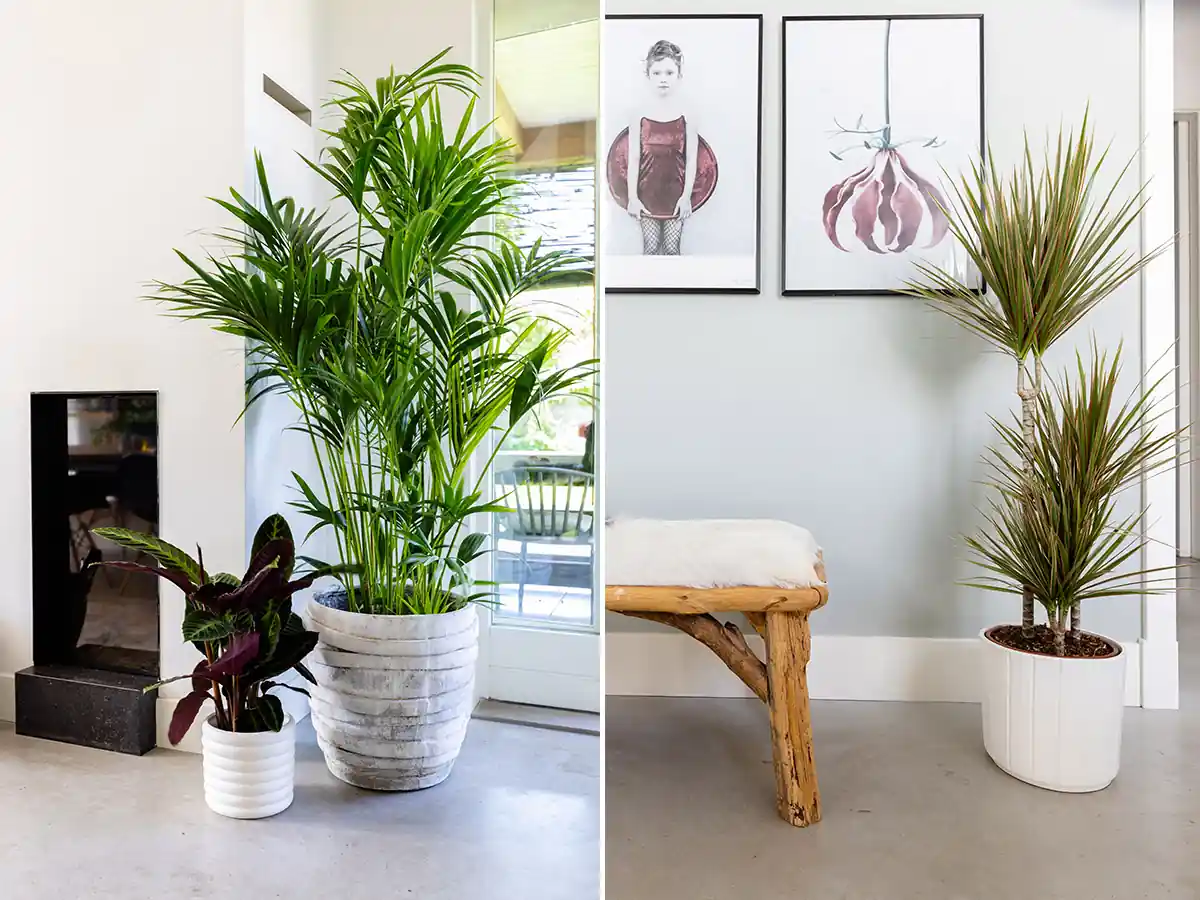
Beyond that, arranging plants of varying sizes and forms in clusters can craft eye-catching focal points, while taller specimens can double as natural room dividers, introducing privacy and definition to open-concept layouts.
Integrating plants with furniture is yet another creative approach—opting for pieces with built-in planters or dedicated shelving allows for a seamless blend of nature and interior design.
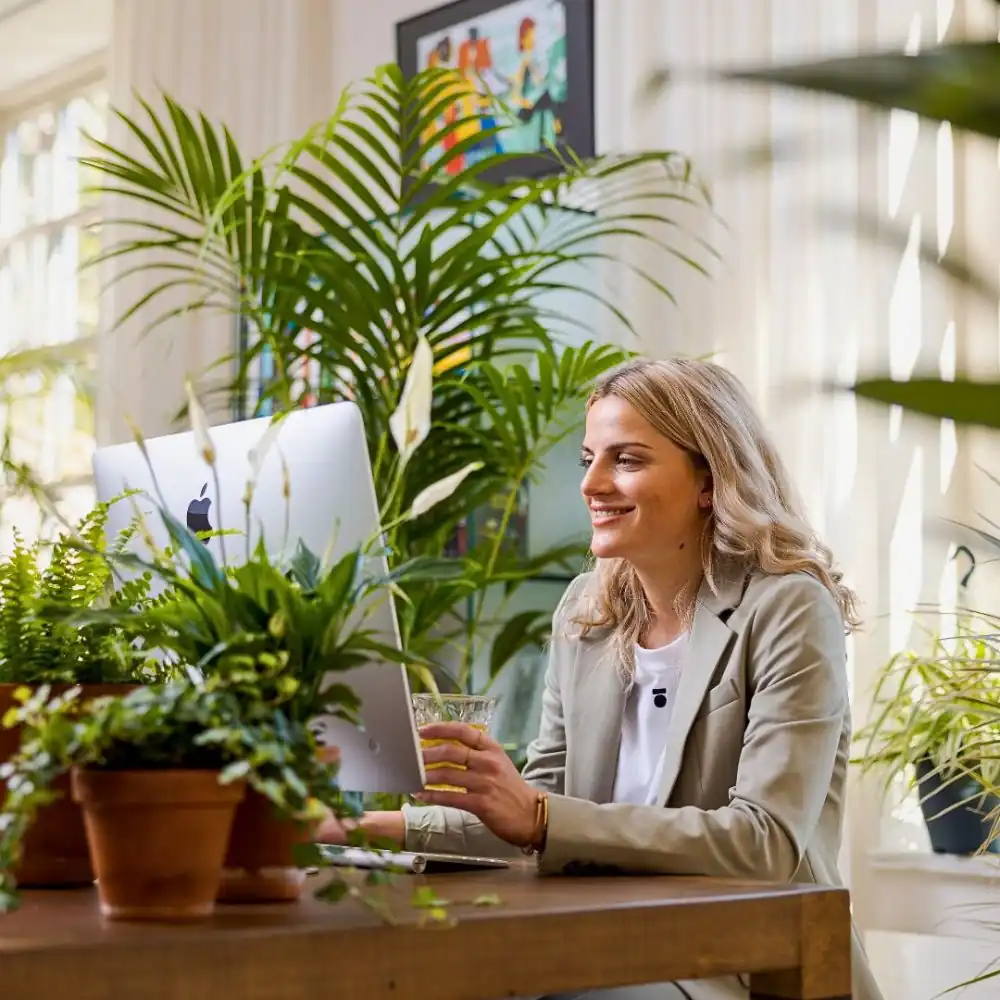
Strategic placement of these plants across indoor environments—from shelves and windowsills to desks and coffee tables—fosters a delightful, nature-infused atmosphere. Grouping them by height and texture enhances the visual dynamics of the space.
In office settings, this integration brings a touch of the outdoors into the workspace, with low-maintenance options like ivy or bird’s nest ferns being ideal choices.
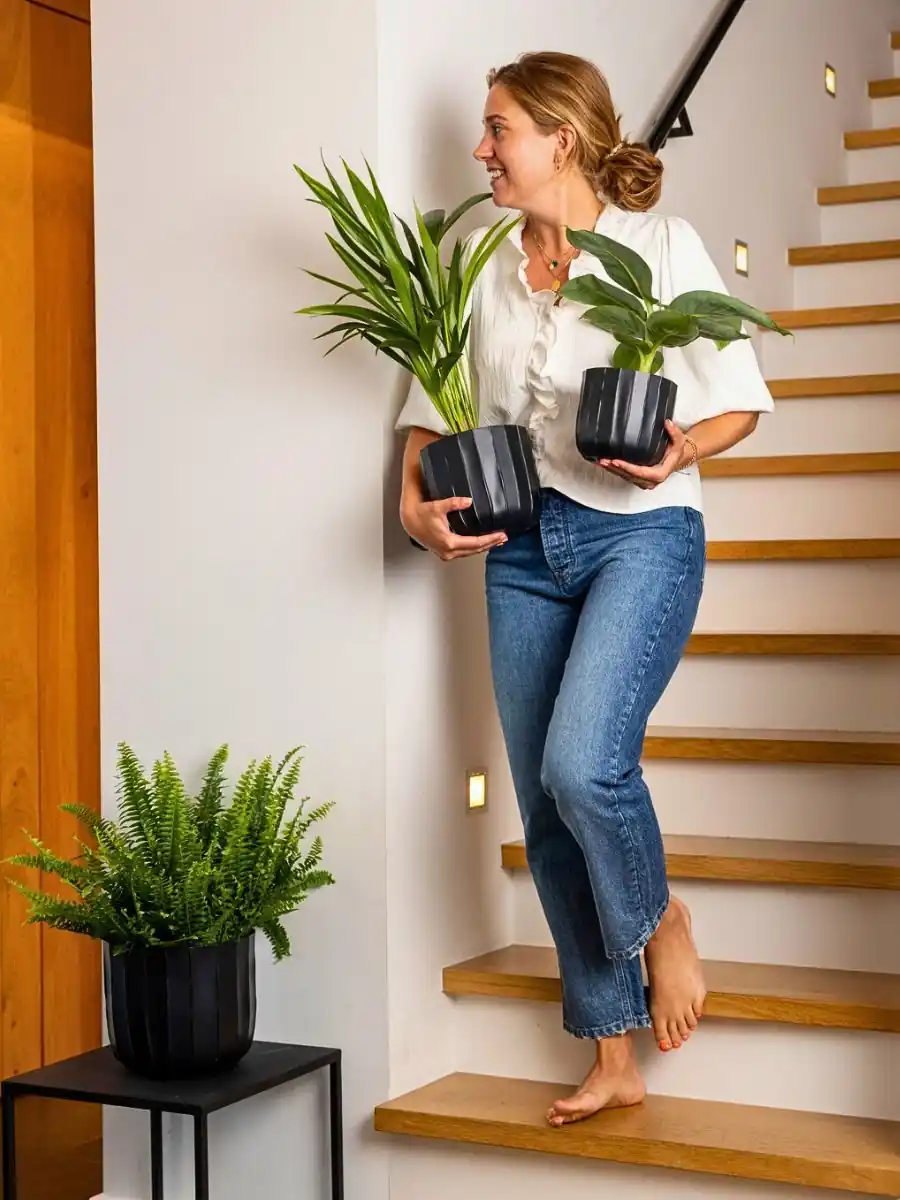
Terrariums and similar self-sustaining glass-enclosed ecosystems are perfect for small spaces or as decorative accents on shelves and tables. Larger floor plants, such as Kentia palms or areca palms, serve dual purposes: they can act as natural room dividers while also serving as striking focal points in living rooms and lobbies. Meanwhile, growing herbs in kitchen container gardens marries beauty with practicality, supplying fresh culinary ingredients and purifying the air simultaneously.
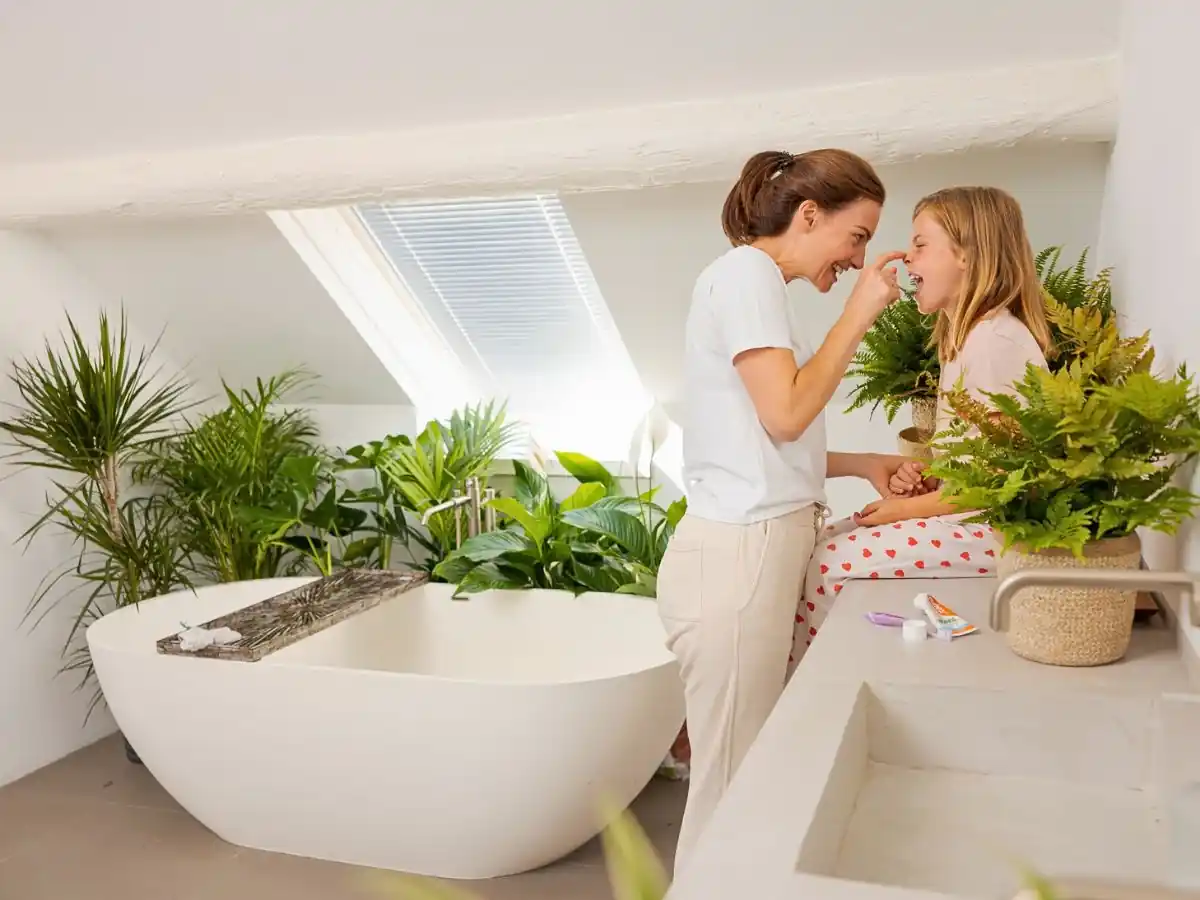
For bathrooms, humidity-loving plants like blue star ferns or peace lilies thrive remarkably well, offering multiple benefits and creating a serene spa-like ambiance.
In essence, the thoughtful selection and arrangement of indoor plants play a pivotal role in maximizing their functional and aesthetic advantages within any interior space.
Choosing and Caring for Your New Green Friends
When choosing indoor plants, a variety of factors deserve careful consideration. Key aspects to keep in mind include the light conditions each plant requires, its specific watering demands, and how well it aligns with the overall aesthetic you wish to achieve in your space.
For most indoor environments, low-maintenance houseplants such as Dracaena marginata, Ficus lyrata, and Asplenium make ideal selections. For areas with limited natural light, shade-tolerant varieties like Pteris and Didymochlaena truncatula stand out as top choices.
In brighter spots, flowering plants and trailing vines not only infuse a sense of vitality but also enhance multiple facets of your home environment.

Beyond these basics, it’s crucial to factor in other needs of indoor plants—such as their mature size and growth patterns—to ensure they fit seamlessly within the available space.
Additionally, the safety of pets and children should be a top priority. It’s wise to limit the inclusion of plants that produce excessive pollen or spores, and to verify that any plants brought into the home are non-toxic to kids and furry companions.
Taking the time to research the most suitable houseplant options and familiarize yourself with their specific care requirements (including watering schedules, fertilization needs, pruning techniques, and repotting timelines) is highly recommended.
Once you’ve selected your preferred plants, consistent and proper care is essential to sustain their health and extend their lifespan, as these routine tasks form the foundation of successful indoor plant cultivation.
Wrapping Up: Your Green Journey Starts Today
There you have it—interior plants aren’t a luxury; they’re a loving investment in your health, happiness, and the health of our shared home. From stress-soothing leaves to planet-purifying roots, these tropical treasures bridge us back to nature in the coziest way.
My recommendation? Pick one that speaks to you—a resilient monstera for focus or a blooming anthurium for joy—and watch the magic unfold. You’ve got this; your space (and the Earth) will thank you. What’s your first pick?
FAQ
What are the best interior plants for beginners?
Start with forgiving tropicals like snake plants or pothos—they thrive on neglect, purify air, and add instant zen to any room.
How many interior plants do I need for noticeable air purification?
Aim for 1-2 medium-sized plants per 100 square feet; studies show this combo tackles VOCs effectively without overwhelming your space.
Can interior plants really reduce stress?
Yes! Research links plant interactions to lower cortisol—try placing one near your workspace for daily doses of calm.
Are there interior plants safe for pets and kids?
Absolutely—opt for spider plants, Boston ferns, or parlor palms. Always verify toxicity lists to keep your furry friends safe.
How do interior plants help the environment indoors?
They absorb CO2, boost humidity, and cut energy use by regulating temps—small steps that add up to a greener footprint.