have you ever stepped into a room and felt that subtle heaviness in the air, especially after a long day? With more of us hunkering down indoors for work, relaxation, or just life, it’s natural to worry about those sneaky indoor pollutants creeping in.
I get it; creating a sanctuary that nurtures both your lungs and your spirit shouldn’t feel overwhelming. That’s where air-purifying plants come in—like gentle green allies, quietly working to filter out toxins while adding that soothing touch of nature.
in 1989, NASA conducted a study on plants and discovered that they can absorb harmful toxins from the air, especially in enclosed spaces with little airflow. This study has been the basis for newer studies throughout the years on indoor plants and their air-purifying abilities.
Let’s dive into the best ones to welcome into your home this year, with practical tips to keep them thriving.
Why Air-Purifying Plants Are Your Home’s Unsung Heroes
Imagine coming home to an environment that not only looks inviting but actively supports your well-being. Air-purifying plants do more than just sit pretty—they tackle common indoor nasties like formaldehyde from furniture, benzene from cleaners, and even excess CO₂ that can zap your focus. That NASA study? It kicked off decades of research showing how these plants absorb harmful VOCs (volatile organic compounds) through their leaves and roots, releasing cleaner oxygen in return.
But here’s the empathetic nudge: If you’re juggling a busy schedule or newbie nerves about plant care, rest easy. Many of these are low-fuss friends that forgive the occasional oversight. Plus, tending to them can be a mindful ritual, easing stress as you mist a leaf or reposition for that perfect light. In today’s world, where we’re spending up to 90% of our time indoors (per EPA insights), these plants boost mood, sharpen productivity, and even humidify dry air—perfect for allergy seasons or cozy winter setups.
Quick Fact: One mature plant can filter up to 87% of certain toxins in a small room over 24 hours, per follow-up studies from the Wolverton Clean Air Plant Study.
Our Top Picks: The Best Air-Purifying Plants to Try
We’ve curated this list of standout air-purifying houseplants, focusing on those with proven track records from scientific backs like NASA and beyond. Each one brings unique charm and care needs, so I’ve included empathetic tips to match your lifestyle—whether you’re a set-it-and-forget-it type or love a bit of hands-on green therapy. Start with one or two that speak to your space, and watch your home bloom.
Golden Pothos (Epipremnum aureum)
Meet the golden pothos—scientifically named Epipremnum aureum and commonly nicknamed “devil’s ivy”—a standout air-purifying houseplant that’s well worth welcoming into your living space. This vigorous, trailing vine has earned widespread acclaim for its impressive ability to filter out harmful airborne toxins, including formaldehyde, benzene, and carbon monoxide, making it a powerful ally in boosting indoor air quality.
One of its most appealing traits is its ultra-low maintenance nature. Unlike finicky houseplants, it adapts effortlessly to diverse lighting environments—thriving in anything from bright, indirect sunlight to dimly lit corners—proving itself a flexible fit for every room in your home, be it the living room, bedroom, or home office. What’s more, it demands minimal watering, sparing you the hassle of frequent care routines.
Beyond its air-purifying prowess, the golden pothos is a feast for the eyes. Its lush, heart-shaped foliage and cascading vines lend a vibrant, tropical charm to any interior, infusing spaces with natural beauty and elevating the overall decor. As one of the most effective indoor air-cleansing plants around, it seamlessly blends functionality with aesthetics.
All things considered, adding a golden pothos to your plant collection this year is a savvy decision that enhances both your home’s air quality and visual appeal.

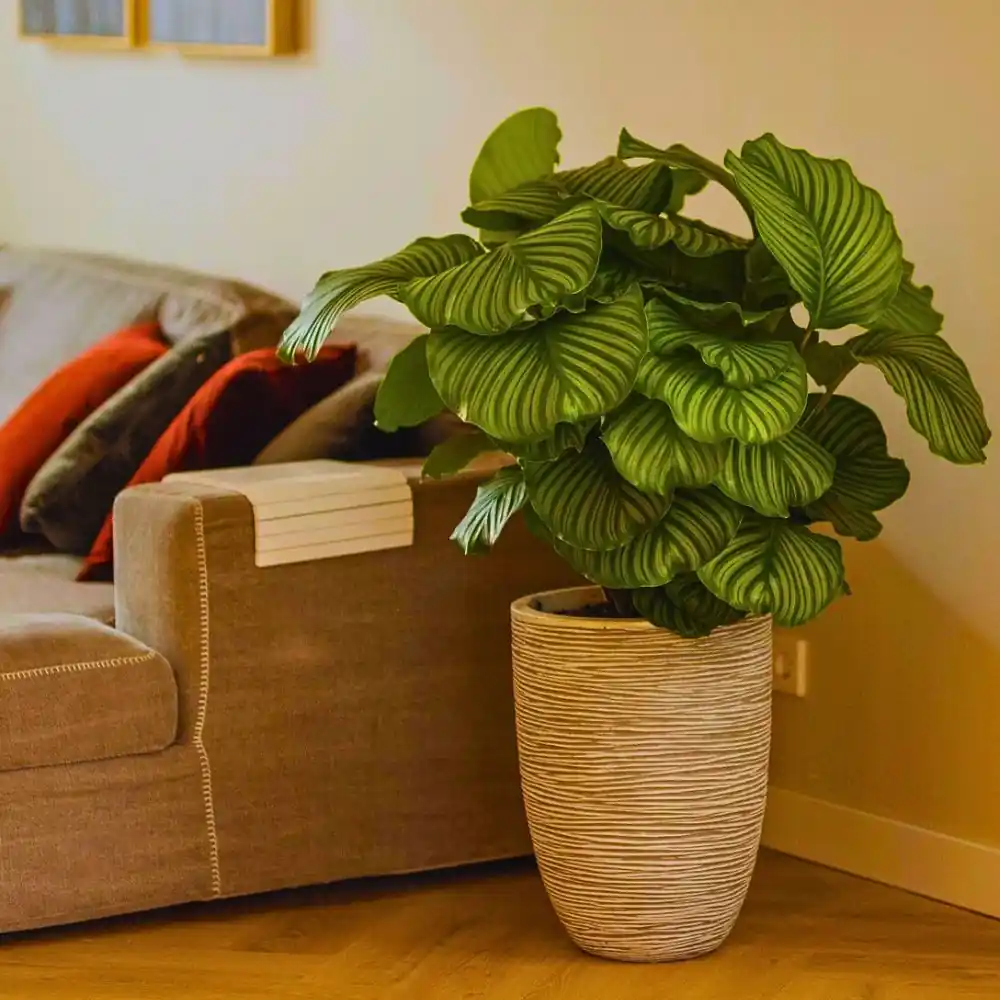
Calathea Makoyana (Peacock Plant)
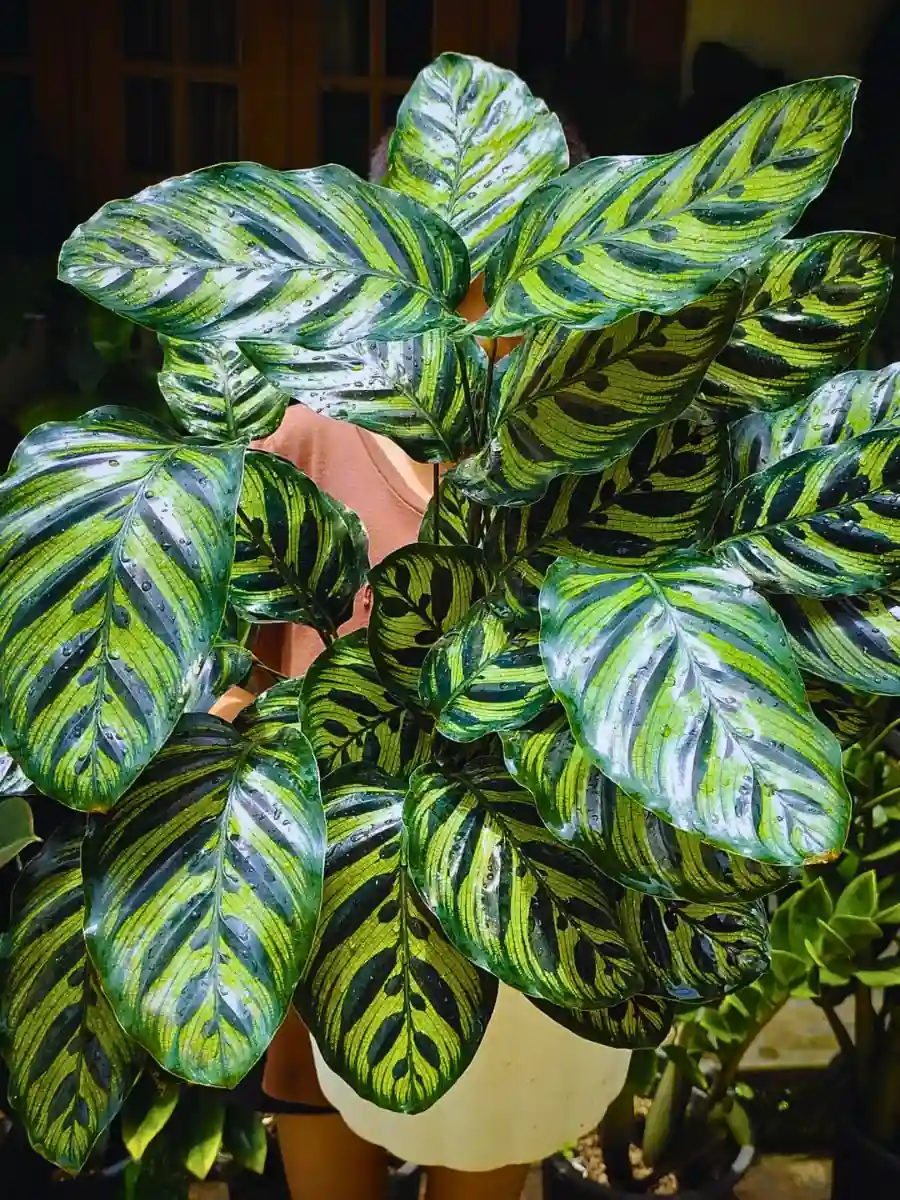
The Calathea makoyana, commonly called the peacock plant, stands out as a superb air-purifying houseplant ideal for residential settings. What makes this plant truly eye-catching is its stunning foliage: lush green leaves adorned with elaborate, feathery patterns that lend it remarkable visual charm.
Beyond its aesthetic allure, the peacock plant excels at purifying indoor air—most notably, it efficiently filters out formaldehyde, a prevalent indoor contaminant. As prioritizing indoor air quality grows more crucial for safeguarding our health and overall well-being, this plant proves to be an indispensable addition to any household.
Another notable advantage of the Calathea makoyana is its adaptability to diverse lighting environments. Though it flourishes best in bright, indirect sunlight, it can also thrive in medium-light spaces, making it a flexible option for placement across different areas of your home.
Moreover, its watering needs are fairly moderate, allowing it to effortlessly enhance living spaces with both decorative value and practical air-purifying functionality.
Nerve Plant (Fittonia albivenis)
Fittonia albivenis, commonly known as the nerve plant, is a charming and functional air-purifying houseplant that makes a wonderful addition to any household.
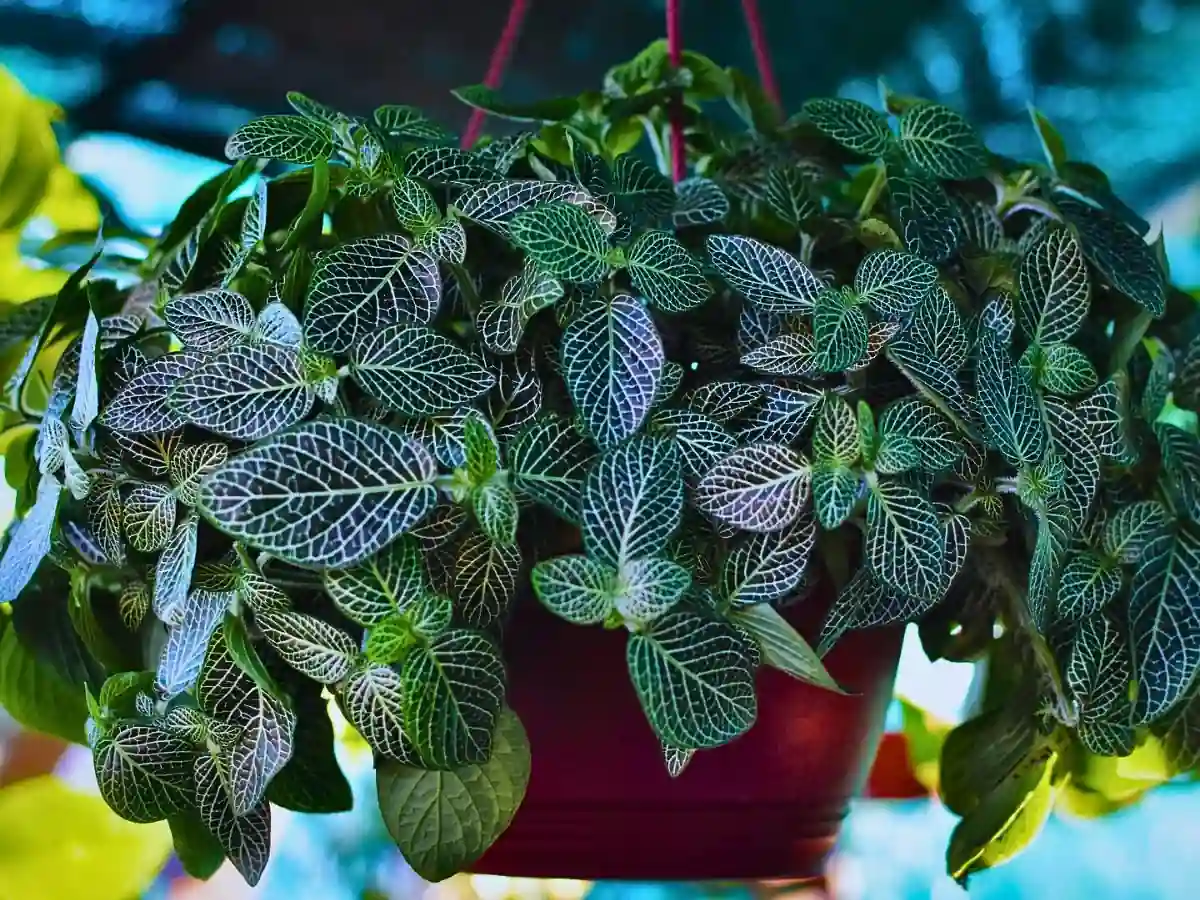
What sets this plant apart is its distinctive, eye-catching foliage: small, heart-shaped leaves adorned with vivid green, vein-like markings that infuse living spaces with a vibrant, refreshing vibe.
Beyond its decorative appeal, it excels at air purification, effectively filtering out common indoor toxins such as benzene and formaldehyde to enhance indoor air quality.
Classified as a low-growing creeping evergreen perennial, the nerve plant is typically cultivated as a potted houseplant and is particularly well-suited for terrariums or bottle gardens. Its most popular cultivars feature silvery-white veins, but it’s also easy to find varieties boasting veins in hues like red, pink, white, and green, offering plenty of aesthetic options.
Another notable advantage is its adaptability to diverse lighting conditions—it thrives equally well in bright, indirect light and lower-light environments, making it a versatile choice for placement in various rooms around the home.
Additionally, it favors moderate humidity and consistent soil moisture, which makes it an ideal choice for more humid indoor spaces such as bathrooms or kitchens.
English Ivy (Hedera helix)
Ever heard of Hedera helix? You might know it better by its common aliases: common ivy, English ivy, European ivy, or just plain ivy.
This charming flowering plant hails from the Araliaceae family’s ivy genus and originates from most areas in Europe and western Asia. What’s more, it’s one of the plants available at Air So Pure!
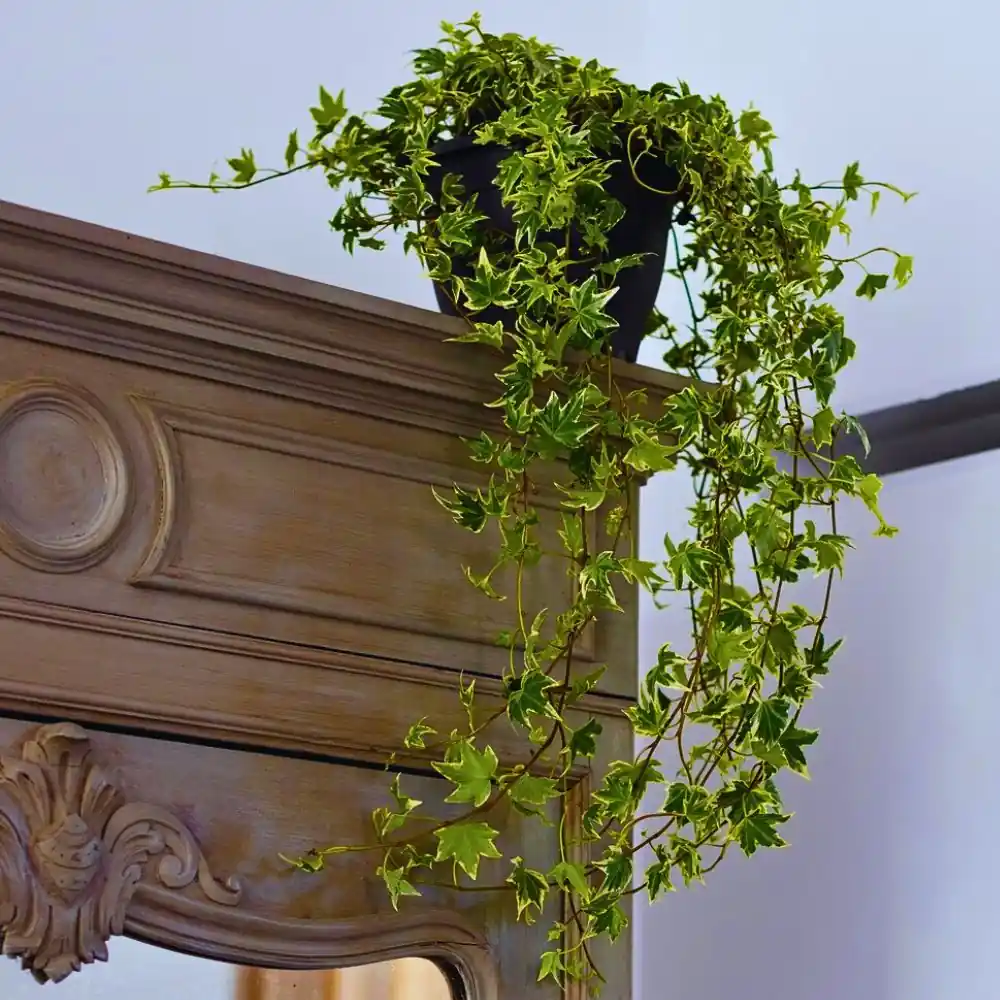
As a houseplant, it’s incredibly adaptable, fitting into all sorts of indoor setups. Hang it in a basket, place it at the foot of other potted plants, or give it its own pot—either way, it grows beautifully.
It’s also a favorite for shaping: gardeners often train it on trellises or wire topiary forms to create everything from sleek, structured designs to fun, quirky figures. Add in its ability to purify the air, and this ivy becomes a must-have houseplant that’s totally worth adding to your collection this year.
Dumb Cane (Dieffenbachia)
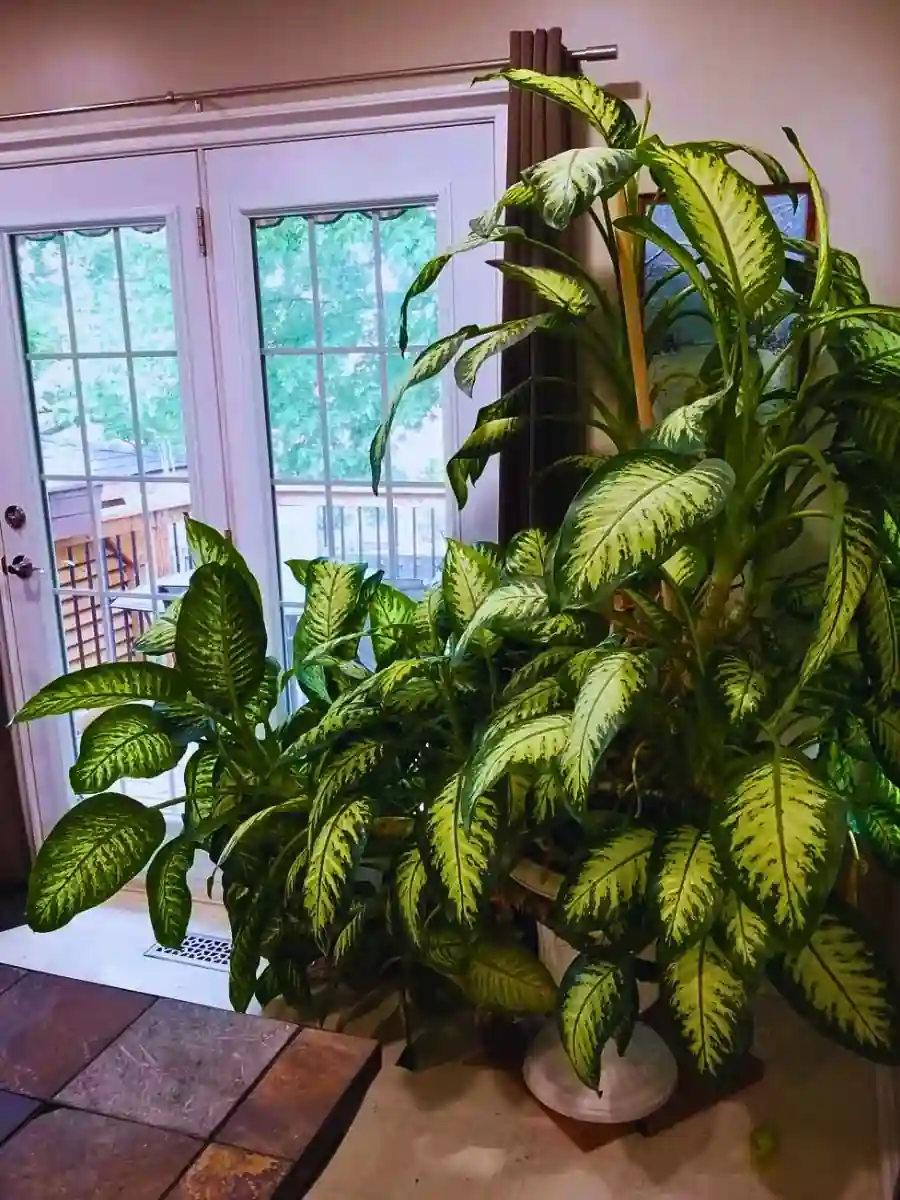
Dieffenbachia stands out as yet another captivating houseplant, infusing living spaces with a touch of tropical sophistication. Boasting expansive, variegated foliage that delights the eye with its exotic allure, this plant offers more than just aesthetic value—it’s a potent air-purifying powerhouse.
By efficiently filtering out harmful toxins and indoor pollutants, it becomes an invaluable ally in enhancing air quality, particularly in homes where contaminants tend to build up over time.
Indigenous to Tropical America and the West Indies, this herbaceous member of the arum family (Araceae) boasts a wide array of horticultural cultivars, all cherished for their striking leaves and remarkable tolerance to low-light conditions. Cultivated varieties typically feature large, uncomplicated leaves, many adorned with contrasting green variegations.
The plant honors Johann Dieffenbach, a 19th-century German botanist, in its scientific name, while its common moniker “Dumb Cane” stems from its toxic sap: ingestion can lead to temporary loss of speech, serving as a crucial reminder to handle it with caution.
Though relatively easy to care for, Dieffenbachia poses a toxicity risk to both humans and pets. It’s essential to place it beyond the reach of children and animals, and to wear gloves when handling it to prevent skin irritation.
Even so, its exceptional air-purifying capabilities and breathtaking appearance make it a worthy addition to any household striving for a healthier, more visually appealing environment.
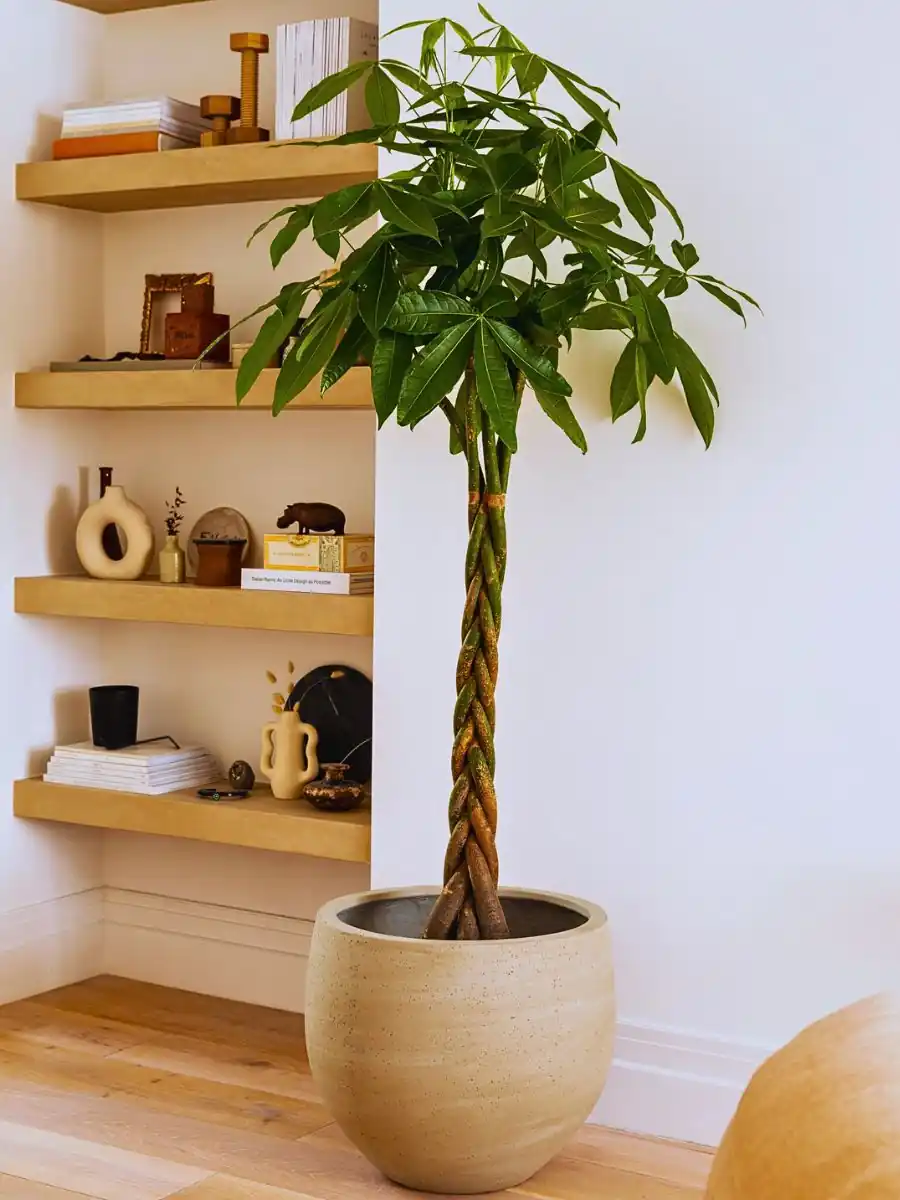
Money Tree (Pachira aquatica)
The Money Tree, scientifically termed Pachira aquatica, goes by a variety of common aliases such as water chestnut, Guiana chestnut, and Malabar chestnut.
Commercially, it is frequently marketed as a houseplant or bonsai, primarily under the well-known names “money tree” or “money plant.” A striking feature of this plant lies in its unique trunk—slender and elongated, it is formed by weaving together multiple intertwined stems.
This braiding technique is executed during the nursery cultivation stage: growers carefully plait the flexible, young green trunks before they mature into rigid, woody structures, all while the plant continues to grow. Each of its branches is adorned with five large, vivid green leaves.
Beyond its aesthetic appeal, the Money Tree offers a host of practical advantages, with air purification being a notable one. Furthermore, it holds symbolic significance linked to financial prosperity and good luck, a trait that has cemented its status as a highly sought-after houseplant for indoor spaces.
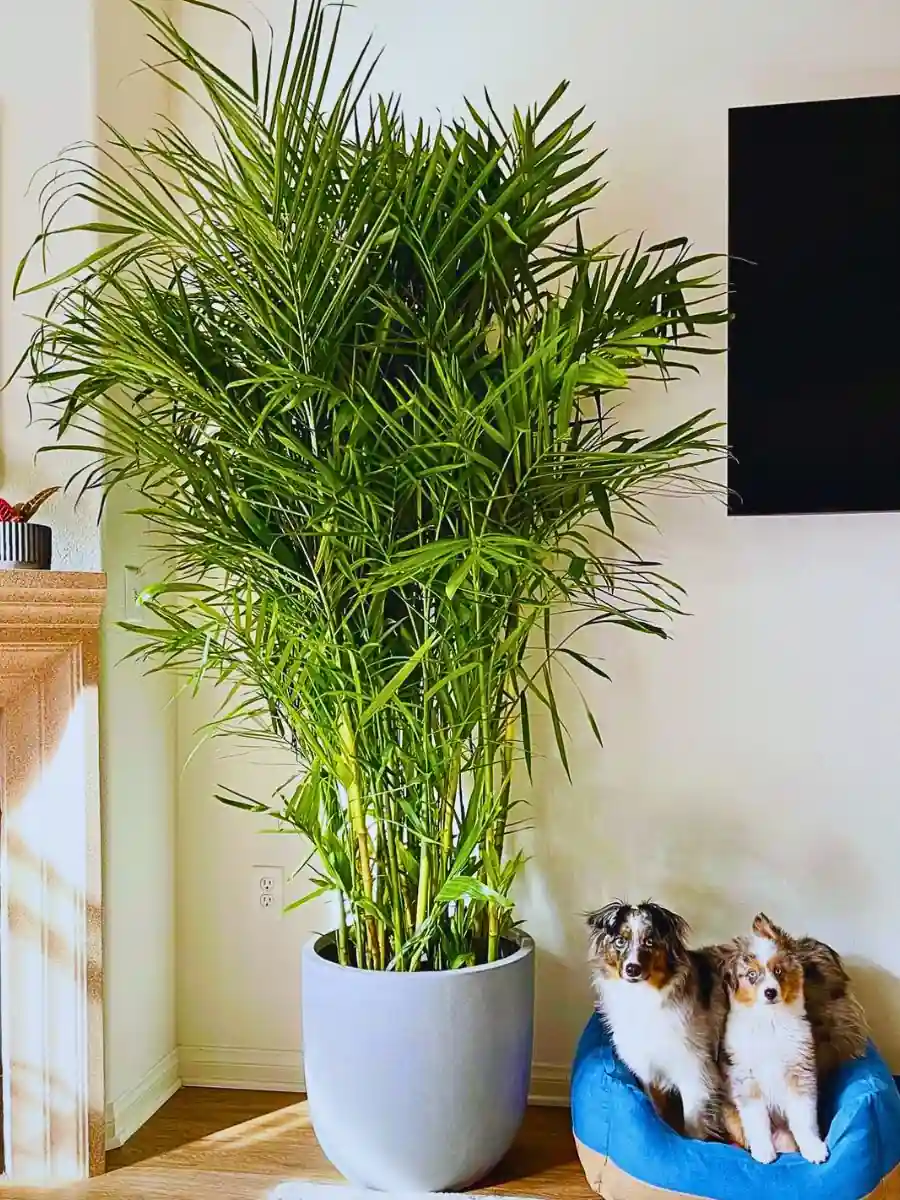
Bamboo Palm (Chamaedorea seifrizii)
Known commonly as the Bamboo Palm, Chamaedorea Seifrizii belongs to the Arecaceae family and originates from the forested areas of Central America—most notably Honduras, Guatemala, and Mexico.
A distinctive trait of this plant is that each cane bears roughly 10 to 15 feathery, deep green fronds. Its stems are sturdy and sheathed in a tan, bamboo-like fiber, which lends it the “bamboo palm” moniker.
In terms of growing conditions, the bamboo palm thrives in bright but indirect sunlight. This preference aligns with its natural habitat as an understory plant in forests, equipping it with excellent shade tolerance.
It adapts well to filtered light or dappled sunlight, making it versatile for various indoor settings. Beyond its ornamental value, the bamboo palm also serves a practical purpose: it effectively purifies indoor air by eliminating harmful pollutants, enhancing the quality of the surrounding environment.
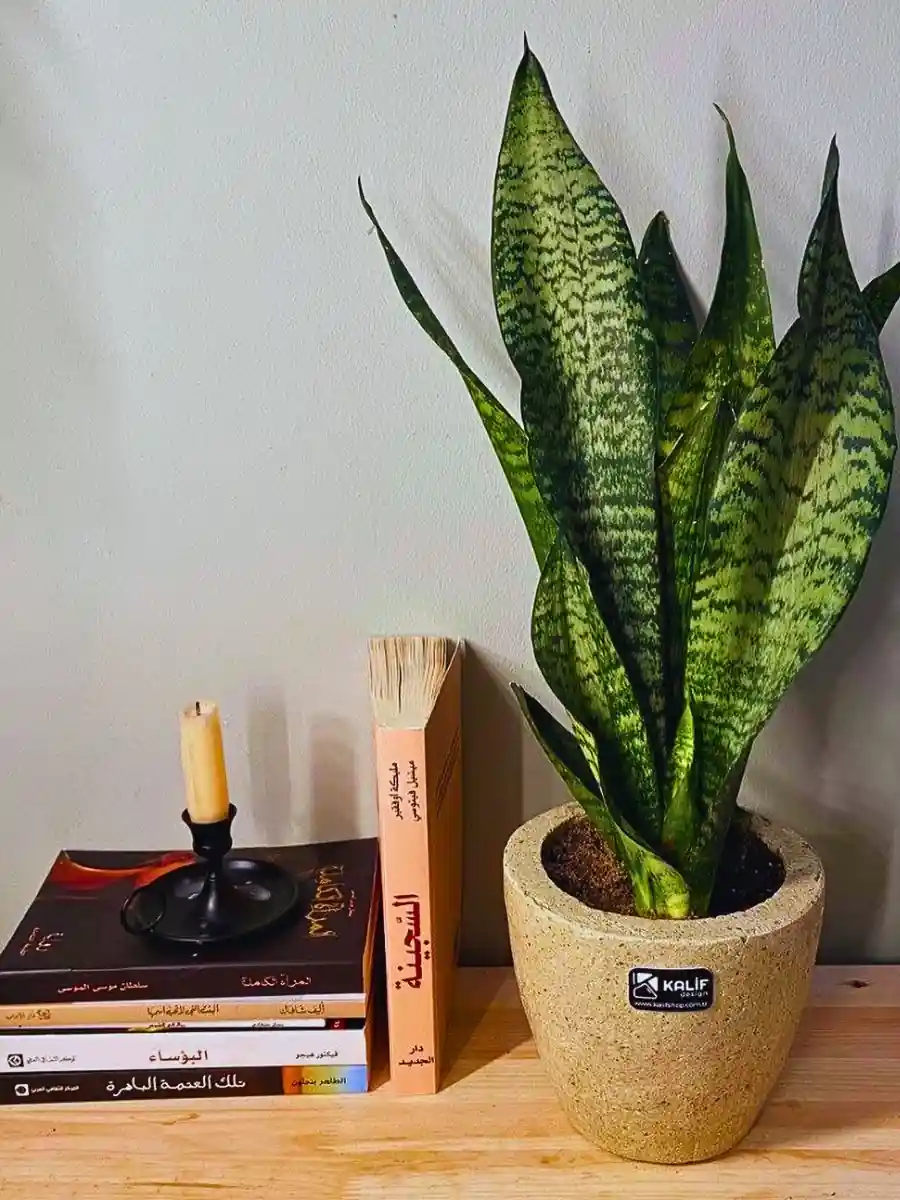
Snake Plant (Dracaena trifasciata)
Looking for a practical and beneficial houseplant? Consider Dracaena trifasciata – a flowering species from the Asparagaceae family that hails from West Africa’s tropical zones, stretching eastward from Nigeria to the Congo. You might also know it by its common name, “mother-in-law’s tongue.”
This charming succulent, with its distinctive yellow-tipped leaves, offers two key advantages for your home: first, it emits oxygen at night, enhancing your breathing experience while you rest; second, it excels at purifying indoor air by removing toxins like formaldehyde, xylene, benzene, toluene, and trichloroethylene. Undoubtedly, it’s a worthwhile plant to bring into your living space.
Rubber Plant (Ficus elastica)
Hailing from India, these burgundy-hued evergreens are remarkably resilient specimens. Thriving in bright, diffused sunlight, they require weekly irrigation during the summer months and a reduced watering schedule of once every two weeks come winter.
Known as rubber plants, they exhibit impressive adaptability—they can be cultivated in compact containers to maintain a smaller size, or nurtured to develop into substantial indoor trees, whether potted or planted directly in soil.
Beyond their ornamental appeal, these plants also serve as natural air purifiers, effectively filtering out harmful pollutants such as xylene, benzene, formaldehyde, and trichloroethylene from indoor environments.

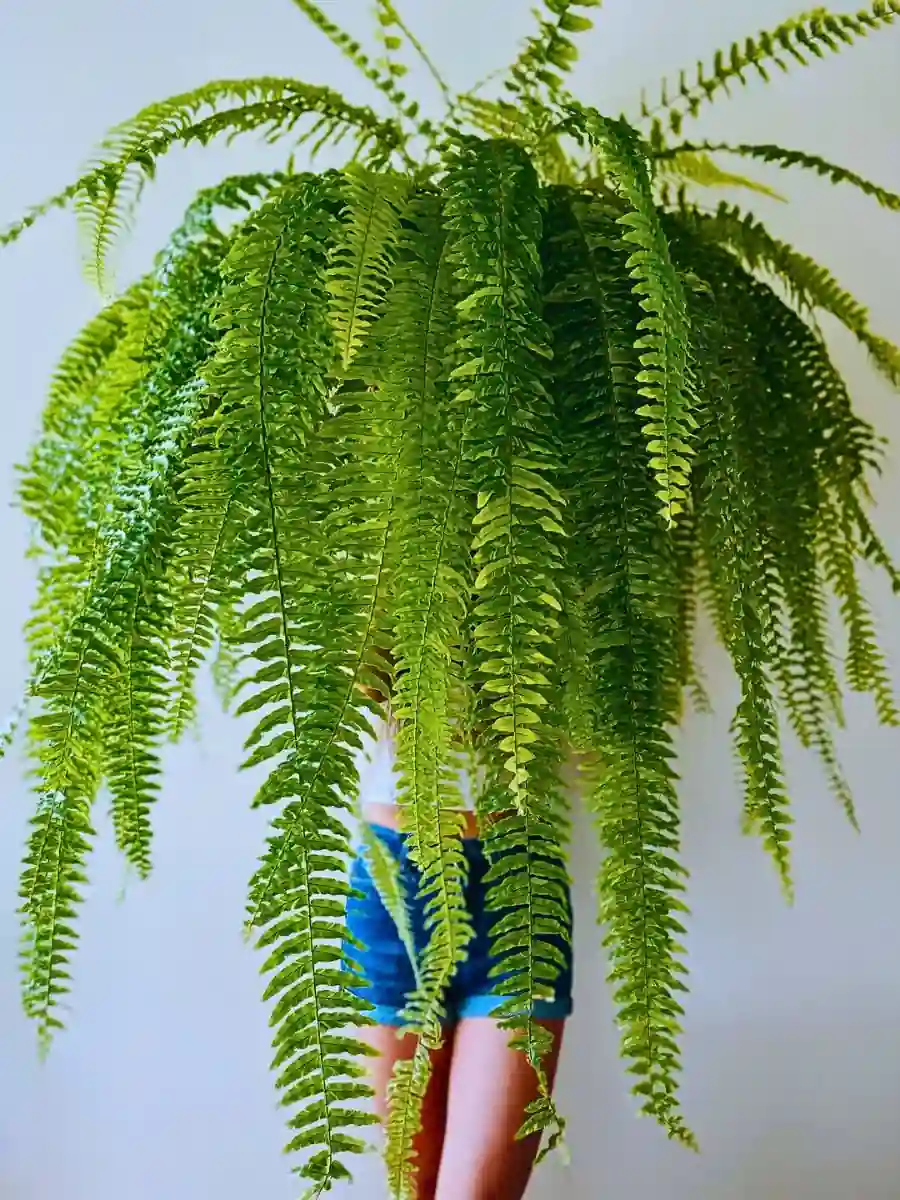
Boston Fern (Nephrolepis exaltata)
Among the top-tier air-purifying houseplants, the Boston fern stands out as a remarkable option. Botanically named Nephrolepsis exaltata, this elegant and verdant indoor plant has a unique ability to infuse indoor spaces with a refreshing touch of nature.
Its delicate, feathery fronds not only lend an air of calmness to any room but also introduce vibrant greenery that enlivens the interior ambiance.
Renowned for its sword-like foliage, this low-effort plant is ideally suited for display in hanging baskets or on pedestals, adding vertical interest to home decor.
Beyond its aesthetic appeal, the Boston fern excels as a natural air cleanser, efficiently filtering out harmful toxins such as formaldehyde and xylene from the surrounding air. This makes it a superb selection for enhancing indoor air quality, especially in households where pollutant levels tend to be higher.
In terms of care requirements, the Boston fern flourishes in bright yet indirect sunlight, favors humid conditions, and needs consistent soil moisture. To keep it healthy and thriving, regular misting, maintaining damp soil, and placing it in areas with indirect sunlight—such as near windows, balconies, or patios—are key.
Thanks to its relatively undemanding nature, it’s a fantastic choice for busy homeowners. That said, regular misting remains essential to sustain the humidity levels it needs to thrive.
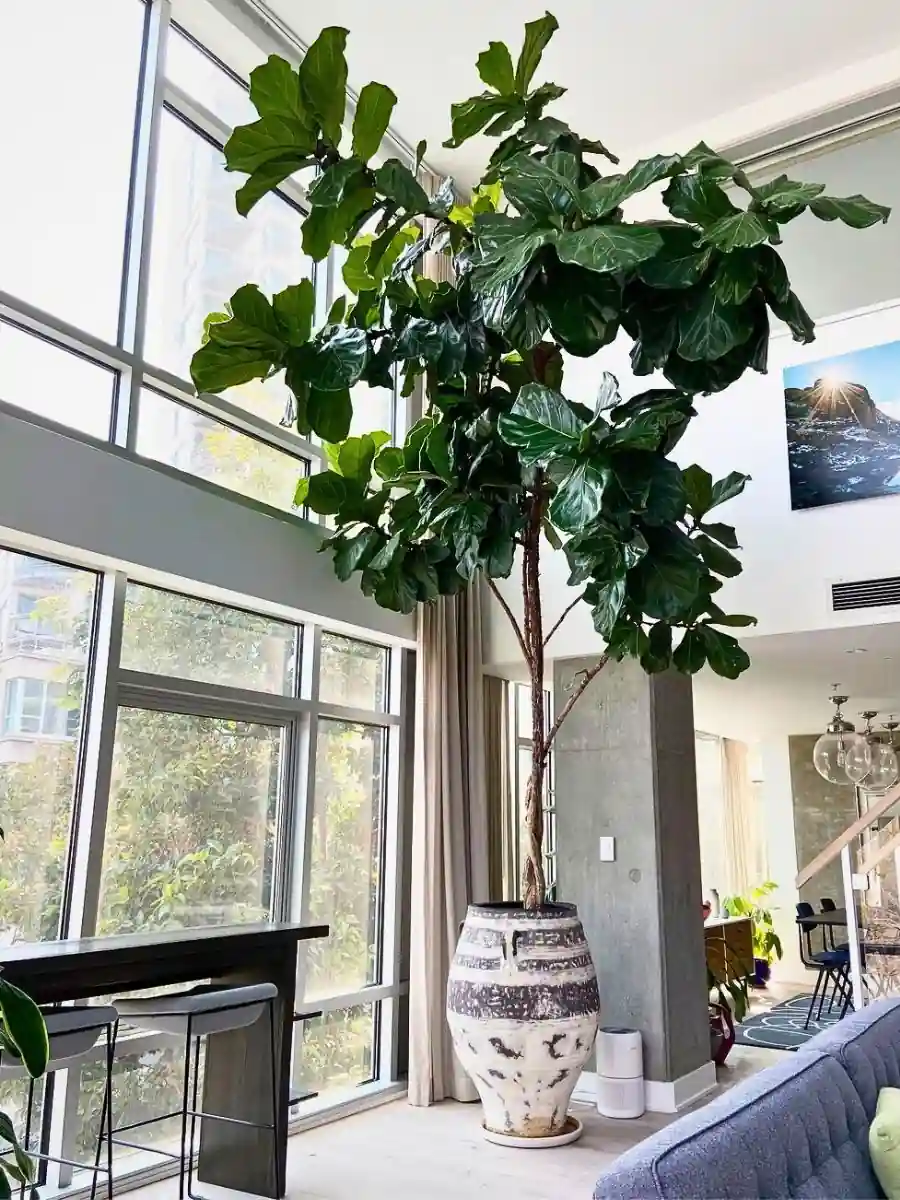
Fiddle-Leaf Fig (Ficus lyrata)
The fiddle-leaf fig, scientifically named Ficus lyrata, is far more than just a popular fixture on the pages and covers of design magazines.
When cultivated indoors as a houseplant, its lofty growth habit and large, graceful foliage add a striking sense of drama and vertical dimension to interiors, seamlessly unifying the overall aesthetic of any room.
A common misconception, however, lies in its placement: contrary to the stylized arrangements seen in photos, this plant thrives only when positioned directly in front of a window.
Admittedly, fiddle-leaf figs can be somewhat finicky during their acclimation period to a new indoor environment—until you master their care routine, particularly the precise watering schedule they require. Yet the effort invested is thoroughly rewarding, thanks to their numerous advantages, such as their ability to purify the air.
Dragon Tree (Dracaena marginata)
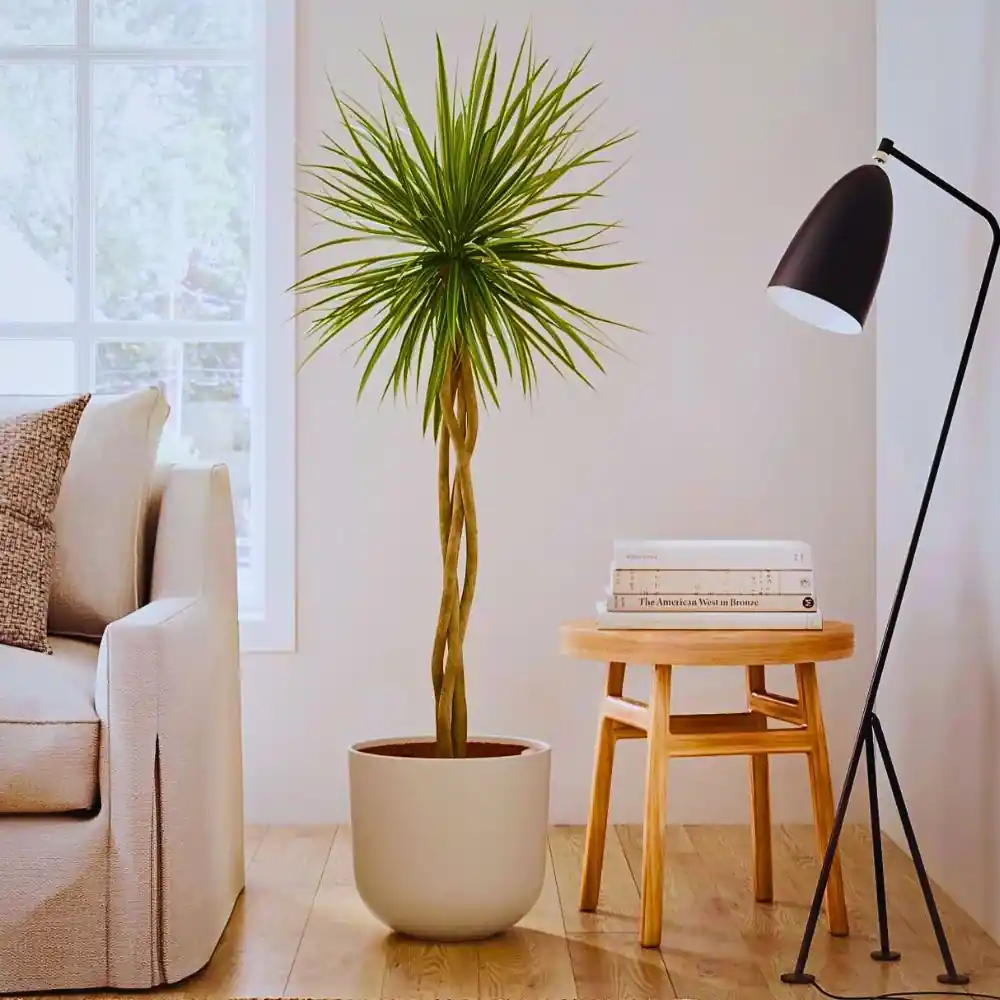
The Dragon Blood Tree (Dracaena marginata), a native of Madagascar, is a tough yet visually appealing houseplant that introduces a tropical touch to any home.
Its distinct spiky leaves, adorned with red margins, add a dramatic element to interior decor. More than just a pretty plant, it excels at natural air purification, effectively eliminating various toxins and proving highly beneficial for boosting indoor air quality—especially in spaces with prevalent pollutants.
Renowned as an excellent starter plant for beginner indoor gardeners, it boasts easy maintenance, drought resistance, and exceptional hardiness. This slow-growing species can be planted year-round and bears small white flowers in spring, though indoor blooming is uncommon.
It tolerates a wide range of light conditions and requires infrequent watering, but optimal growth calls for well-draining soil and allowing the soil to dry moderately between waterings. All in all, it’s a fantastic addition to any air-purifying houseplant collection.
Parlor Palm (Chamaedorea elegans)
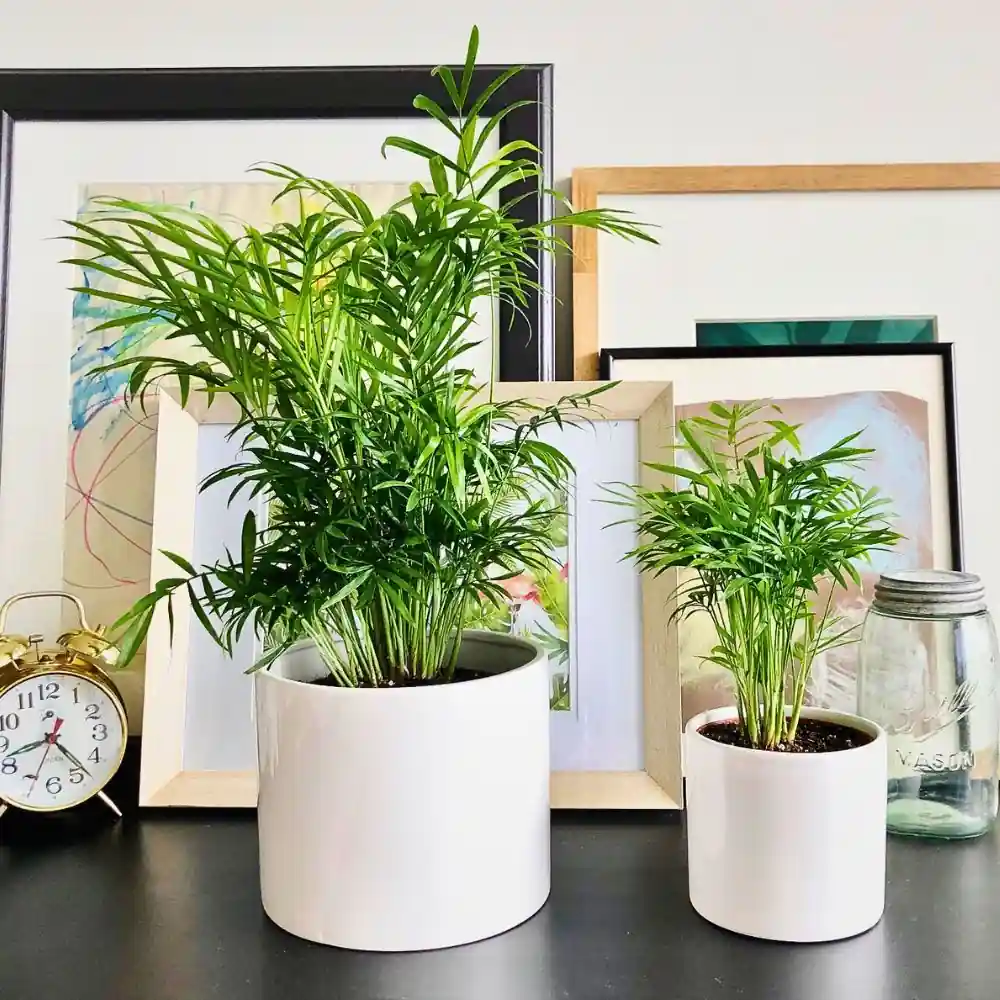
Meet the charming Chamaedorea elegans, commonly referred to as the parlor palm, Bella palm, or tabletop palm. Adorned with elongated, lustrous green fronds, this delightful plant boasts more than just aesthetic appeal—it’s a natural air purifier, effectively filtering out harmful toxins like benzene and trichloroethylene from indoor environments.
When it comes to care, the parlor palm thrives in bright, indirect sunlight and prefers a sparing watering routine. In fact, err on the side of underwatering rather than overwatering, as overmoist soil can be detrimental to its health. A general guideline is to water it every one to two weeks, adjusting based on your specific indoor conditions.
What’s more, this plant is completely pet-friendly, making it a worry-free choice for households with furry companions. Whether you’re an experienced plant parent or just starting your indoor garden, the parlor palm is a fantastic addition to any collection of air-purifying houseplants, blending functionality with timeless charm.
Peace Lily (Spathiphyllum)
Introducing the Peace Lily (scientific name: Spathiphyllum), another exceptional offering from Air So Pure. This exquisite houseplant not only excels at purifying indoor air but also infuses any living space with an air of sophistication and calm.
What makes it visually striking are its elegant white spathes—specialized leaf structures that encase the plant’s true blossoms—creating a delightful visual contrast against its dense, vibrant dark green foliage.
As a natural air-cleansing powerhouse, the Peace Lily efficiently eliminates harmful toxins such as formaldehyde, benzene, and ammonia from the surrounding air. When it comes to cultivation, this plant thrives in bright but filtered sunlight and favors warm, humid environments.
Consequently, during the summer months, regular watering and occasional misting are essential to meet its moisture needs. In winter, you can scale back on watering, but it’s crucial to ensure the soil never becomes completely dry.

Kimberly Queen Fern (Nephrolepis obliterata)
Meet the Kimberly Queen Fern—an evergreen variety boasting a lush, compact growth habit and elegantly curved fronds. Commonly called the sword fern due to its slender, upright, blade-like leaves, this foliage plant hails from Australia and adapts seamlessly to both indoor and outdoor environments.
Beyond its aesthetic appeal, it stands out as a powerful natural air purifier, adept at filtering out prevalent indoor contaminants such as formaldehyde, xylene, and toluene. These harmful chemicals are often emitted by household items and furniture, posing potential health risks with prolonged exposure.
Thanks to its leaves and root system, the fern efficiently absorbs these toxins, refining indoor air quality and offering much-needed relief to individuals with respiratory conditions or allergies. Additionally, through the process of photosynthesis, it releases oxygen, further elevating the freshness of the surrounding air.
Aesthetically, the Kimberly Queen Fern is a standout choice for interior styling. Its cascading fronds and delicate foliage infuse any indoor space with vibrant greenery and a touch of natural charm, effortlessly enhancing the overall decor.
What sets it apart from many other houseplants is its low-maintenance nature: it requires minimal pruning and fertilization, and can flourish in diverse indoor settings as long as it gets sufficient moisture and indirect sunlight—thriving equally well in bright, filtered spots and shadier corners.
With its rapid growth rate, full-bodied appearance, and versatility in containers (it excels as a hanging basket plant too), this fern is the perfect blend of beauty, functionality, and ease of care, serving as a hassle-free air-purifying addition to any home.

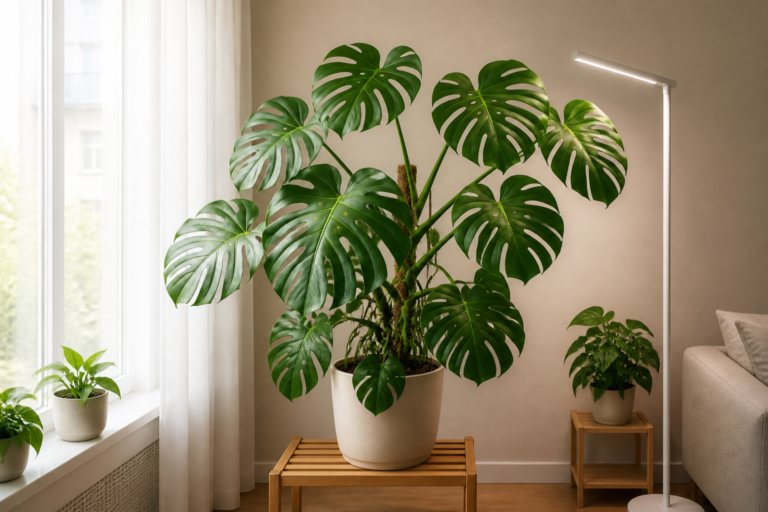
Monstera Deliciosa
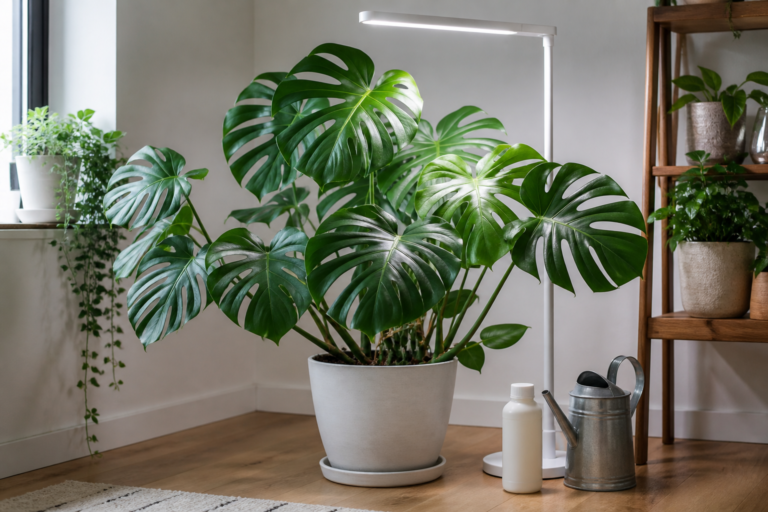
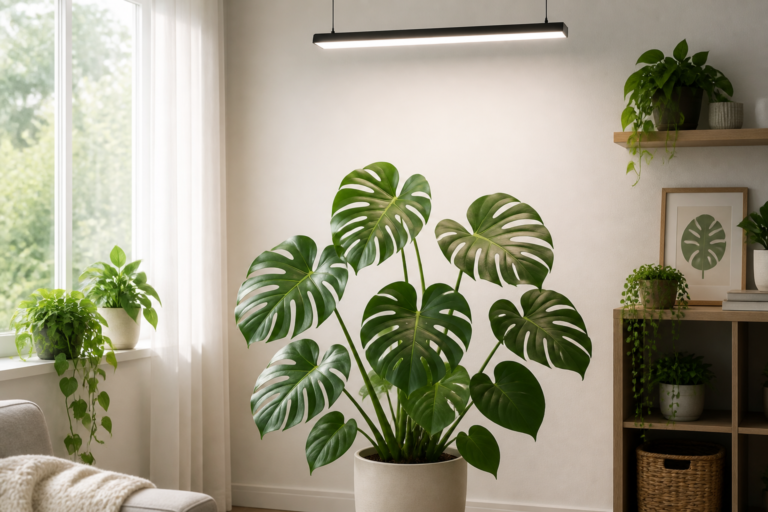
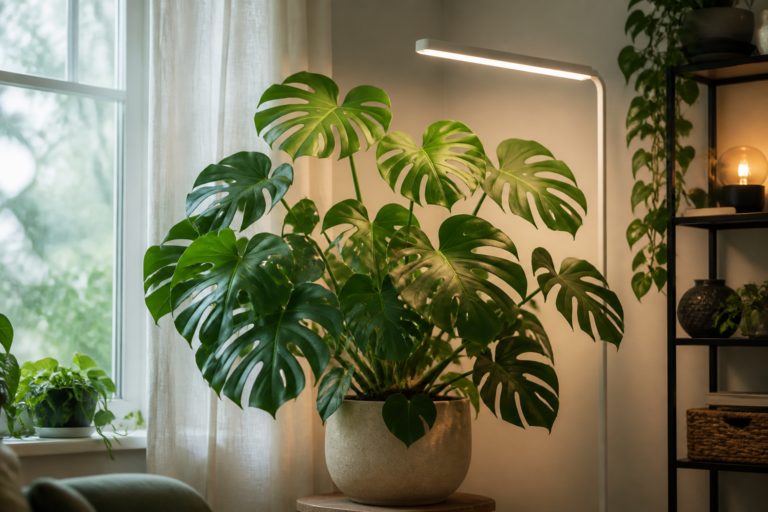
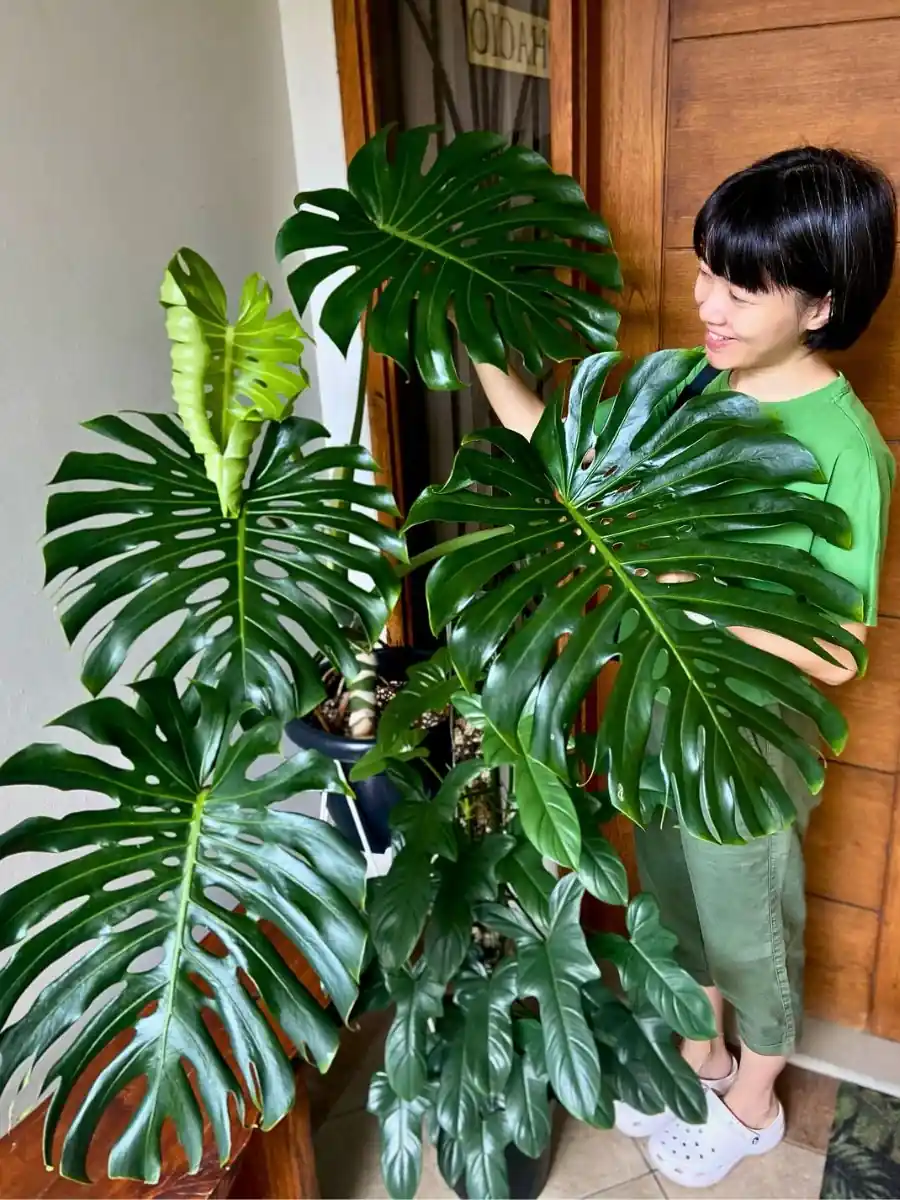
The Monstera deliciosa, renowned for its iconic fenestrated foliage that resembles Swiss cheese, stands out as one of the top-performing air-purifying houseplants available.
This eye-catching tropical specimen elevates indoor spaces on dual fronts: it efficiently eliminates hazardous pollutants such as formaldehyde and benzene, while simultaneously converting carbon dioxide into crisp, fresh oxygen.
Its expansive, lustrous leaves—adorned with characteristic holes—boast an ample surface area, a key feature that amplifies its air-filtration capabilities, allowing it to shine both as a striking decorative accent and a potent natural air-purifying solution.
What makes this plant even more desirable is its low-maintenance nature: it flourishes in bright, indirect sunlight and demands little upkeep, making it an ideal choice for those with bustling schedules. All the while, it tirelessly works to boost the air quality of your home.
Spider Plant (Chlorophytum comosum)
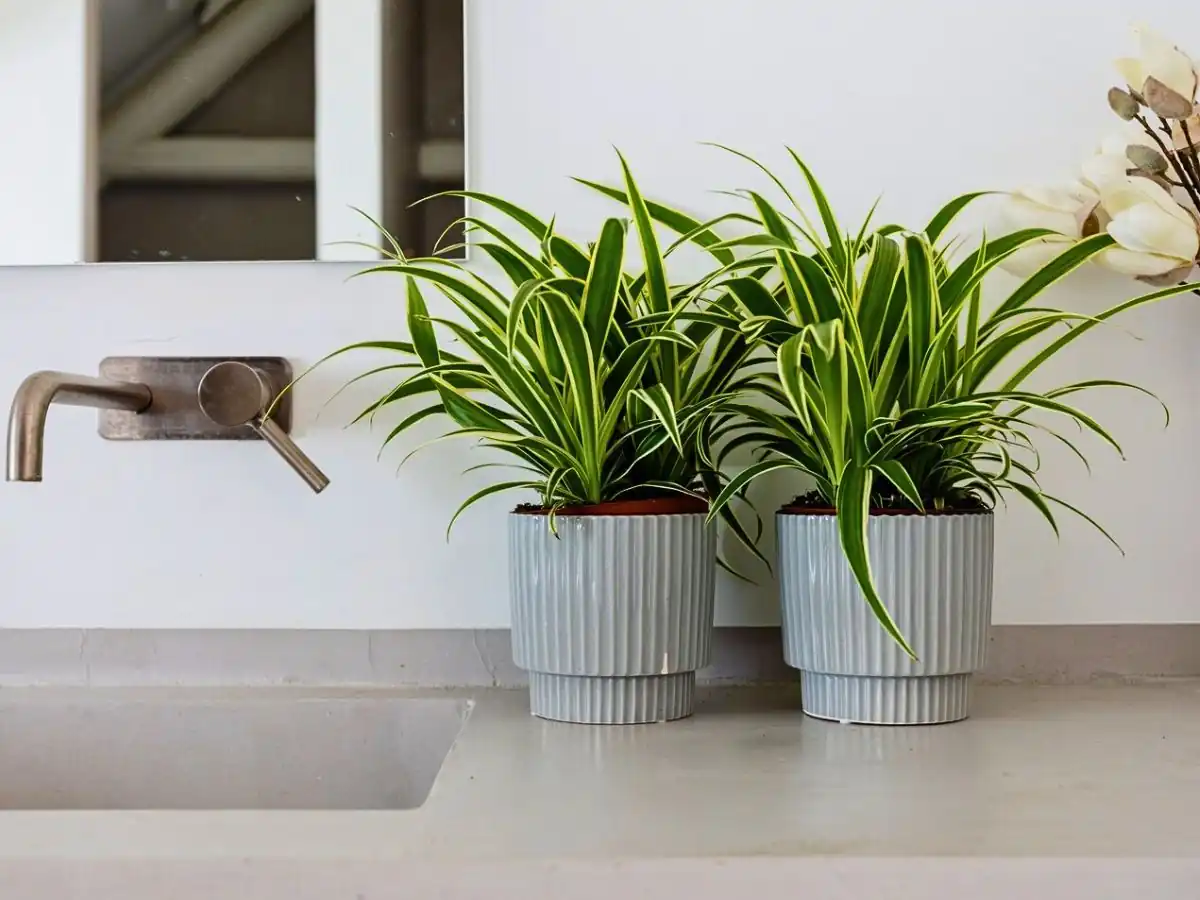
Chlorophytum, commonly referred to as the spider plant or grass lily, is a recognized natural air purifier with proven efficacy in eliminating indoor pollutants like formaldehyde, xylene, and toluene.
Named for its ribbon-shaped leaves and the annual growth of long shoots bearing small white flowers, this plant enhances air quality by absorbing toxic substances and facilitating the conversion of carbon dioxide to oxygen, according to research findings.
Characterized by low maintenance requirements and pet safety, the Chlorophytum is an ideal addition to promote healthier indoor air. Post-flowering, small plantlets emerge on its long offshoots, making it a graceful choice for hanging cultivation.
While bright, indirect light intensifies the whiteness of its leaf edges, direct sunlight should be avoided to prevent leaf browning. The optimal growth temperature for this plant ranges from 18 to 25°C. It is supplied by Air So Pure, a brand focused on delivering premium air-purifying plants.
Quick Tip List for Success:
- Group for Impact: Cluster 2-3 plants per 100 sq ft for optimal purification.
- Maintenance Hack: Wipe leaves monthly to boost efficiency.
- Seasonal Shift: Increase humidity in dry winters with pebble trays.
Wrapping Up: Fresh Air, One Leaf at a Time
There you have it—a heartfelt roundup of air-purifying plants ready to partner with you in crafting a healthier, happier home. From the forgiving Golden Pothos to the dramatic Fiddle-Leaf Fig, each offers practical purification backed by science, plus that soul-soothing connection to nature.
Start small: Pick one that resonates with your light and routine, and let it remind you that self-care can be as simple as a spritz of water. Your lungs, mood, and space will thank you—here’s to breathing easier, together. Ready to green up? Consult local nurseries for these gems, and share your wins in the comments below.
FAQ
What did NASA’s study reveal about air-purifying plants?
NASA’s 1989 Clean Air Study highlighted how common houseplants like golden pothos, peace lily, and snake plant effectively remove VOCs such as formaldehyde and benzene from indoor air, especially in sealed environments—proving they’re natural filters for healthier spaces.
How do air-purifying plants reduce stress and improve well-being?
By filtering irritants like dust and VOCs, these plants promote clearer breathing and better sleep, while their care routines activate calming biophilic responses. Studies show interacting with greenery lowers cortisol, fostering a restorative home vibe.
What are the ideal light and temperature needs for most air-purifying plants?
Most thrive in bright, indirect light with temperatures of 65-80°F (18-27°C). Avoid direct sun to prevent scorch and drafts below 60°F—stable conditions keep their purification engines humming efficiently.
Does the size of an air-purifying plant affect its pollutant removal?
Yes—larger plants with more leaves offer greater surface area for toxin absorption and humidity release. Even small ones help in spots like desks, but combining sizes creates a room-wide “green lung” for optimal results.
Which plants best combat indoor pollution year-round, and how can fans enhance them?
Resilient picks like snake plant and bamboo palm filter steadily through seasons. Pair with exhaust fans to circulate air, expelling stale pollutants and drawing in fresh—boosting efficiency by up to 30%, per air quality research.