People search “how many staghorn fern types exist” because the plant trade mixes native (wild) species, hybrids, and cultivar names under one label. That confusion makes it hard to learn what a “real” staghorn is, and it leads to mismatched care—especially when a thirsty pendant species gets treated like a dry-tolerant one.
In horticulture, staghorn ferns are Platycerium. There are dozens of accepted native species (the exact count shifts as taxonomy updates), and most hobby collections still circle around a smaller set of “core” species and their hybrids. As we mentioned in the Complete Guide to Staghorn Ferns (Platycerium) there are 18 recognized original species of Platycerium. This tutorial focuses on these 18 native species and helps us identify them by visible traits, understand their growth behavior, and choose beginner-friendly options.
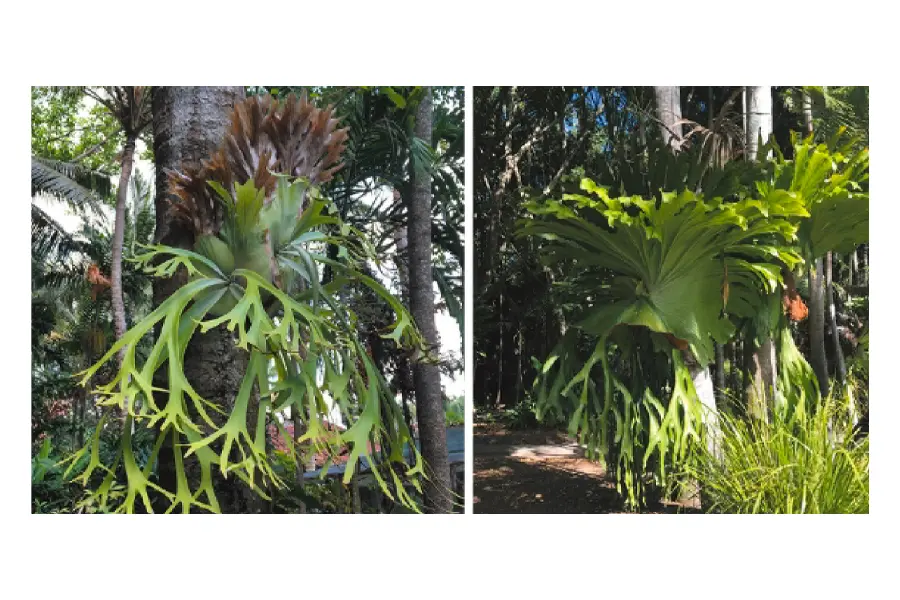
If our goal is to recognize native species, we need a practical lens: shield fronds (basal nest), fertile frond shape and posture, and whether the plant is colonial (pups) or solitary (single crown). Those three factors explain most of what we see on the wall and most of what goes wrong in care.
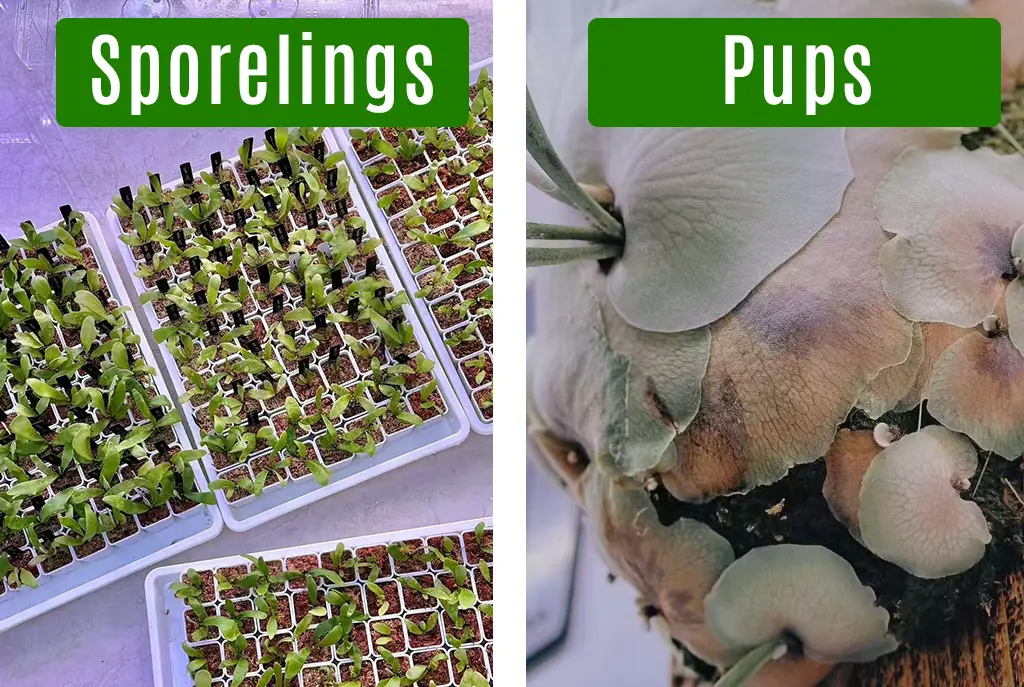
How do we identify staghorn fern species and how we choose between pups and sporelings.
Many staghorns look nearly identical when they are young. Nurseries also mount them in ways that hide the shield fronds, which is where the most useful ID clues live. If we guess the species from one photo of the antler fronds, we often end up wrong.
We identify Platycerium by combining multiple cues: (1) colonial vs solitary, (2) shield nest shape, and (3) fertile frond posture and division pattern. We also check for surface texture (silvery vs green), because that often signals how the plant handles drying. This approach will not replace herbarium-level taxonomy, but it is accurate enough to guide care and purchasing.
Honestly, identifying Platycerium sporelings is a nightmare, even for experts, because they lack distinct features at that stage. If you’re hunting for rare ones, my advice is to buy pups—meaning the offshoots you manually remove from the parent plant. That way, you’re guaranteed it’ll grow up to look like the mother plant. It’s much more reliable than taking a gamble on small seedlings.
In the world of Platycerium (Staghorn Fern) collecting, the choice between Sporelings and Pups is the difference between “taking a gamble” and “buying a guarantee.”
1. Genetics & Stability
- Pups (Offsets): These are clones of the mother plant. Since they grow biologically from the parent’s root system, they carry the exact same DNA. If the mother plant has a specific “look” (like extra white fuzz or wide shields), the pup will eventually look identical.
- Sporelings: These are the result of sexual reproduction. Even if the spores came from a rare plant, there is genetic shuffling. Every sporeling is a unique individual; it might grow up to look better than the parent, or it might look like a “downgraded” version.
2. Identification (The “Identity Crisis”)
- Pups: Because they are physically attached to the mother plant until they are cut, the ID is 100% certain.
- Sporelings: During the juvenile stage, almost all Platycerium species look the same (simple green heart-shaped or oval leaves). Even experts struggle to identify them until they develop “fertile fronds” (the long hanging leaves). This makes it very easy for sellers to mislabel them, either by mistake or on purpose.
| Feature | Pups / Offsets | Sporelings |
| Genetics | 100% identical to Mother (Clone) | Genetic variation (Potential for mutations) |
| Growth Speed | Faster (starts with more energy) | Slower (starts from a tiny speck) |
| Resilience | Generally tougher and hardier | Delicate; high risk of dying when tiny |
| Price | Usually more expensive | Cheaper; sold in bulk |
| Best For | Serious collectors wanting a specific ID | Hobbyists on a budget who like “surprises” |
The 5-step “real-life ID” checklist
Step 1: Check growth habit
- Colonial: produces pups around the base and forms a clump over time.
- Solitary: one main crown, usually no pups.
Step 2: Look at the shield fronds (basal fronds)
- Do they form a tight, bowl-like nest?
- Do they grow tall and flared like a basket?
- Are they smooth green or structured/veined?
Step 3: Observe fertile fronds
- Mostly upright or mostly pendant?
- Many small forks or few broad lobes?
Step 4: Note texture and color
- Silvery/fuzzy often points to stronger drought tolerance and higher light preference.
- Deep green often points to steadier moisture needs.
Step 5: Use the “most-likely group” rule
Before naming a rare species, confirm it is not one of the common lookalikes:
- bifurcatum / hillii (beginner clumpers)
- veitchii (silvery, tougher)
- willinckii (long pendant ribbons)
- superbum / grande (solitary nest builders)
The 18 native staghorn fern types growers ask about most
Below are 18 Platycerium species that are frequently referenced in collections, nurseries, and ID discussions. For each type, our team gives:
- Background (native range / general context)
- What it looks like (key visual ID cues)
- What makes it special
- Care difficulty score (1 easiest → 5 hardest)
- A typical image of the species
1) Platycerium bifurcatum (Elkhorn fern, Best for Beginners)
This is the most common staghorn in cultivation and one of the most forgiving native species. It comes from Australia and nearby regions and tends to form clumps as it matures.
It has classic “antler” fertile fronds that fork evenly, plus rounded shield fronds that stack and age tan. It usually looks tidy and balanced on a plaque mount.
Difficulty: 1/5 (best beginner baseline)
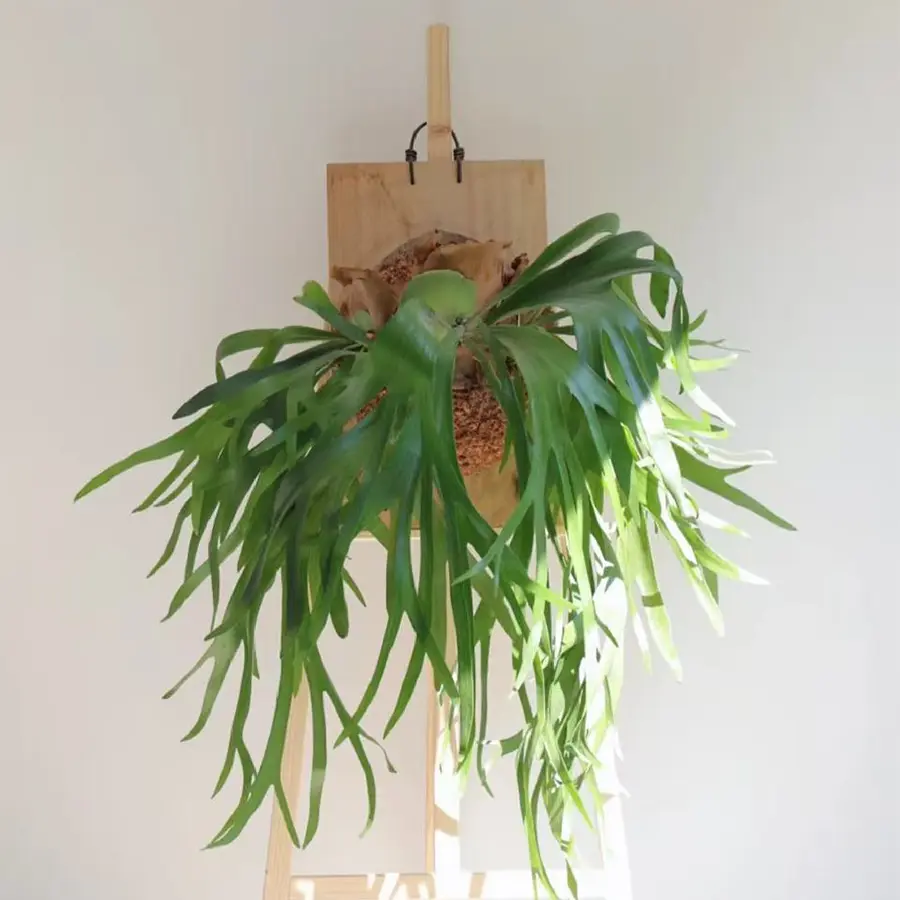
Most Platycerium bifurcatum (Common Staghorn) we see are bushy, messy, and have a lot of drooping fronds. This is because they’re so easy to care for—they’ll grow just fine with scattered light coming from almost any direction.
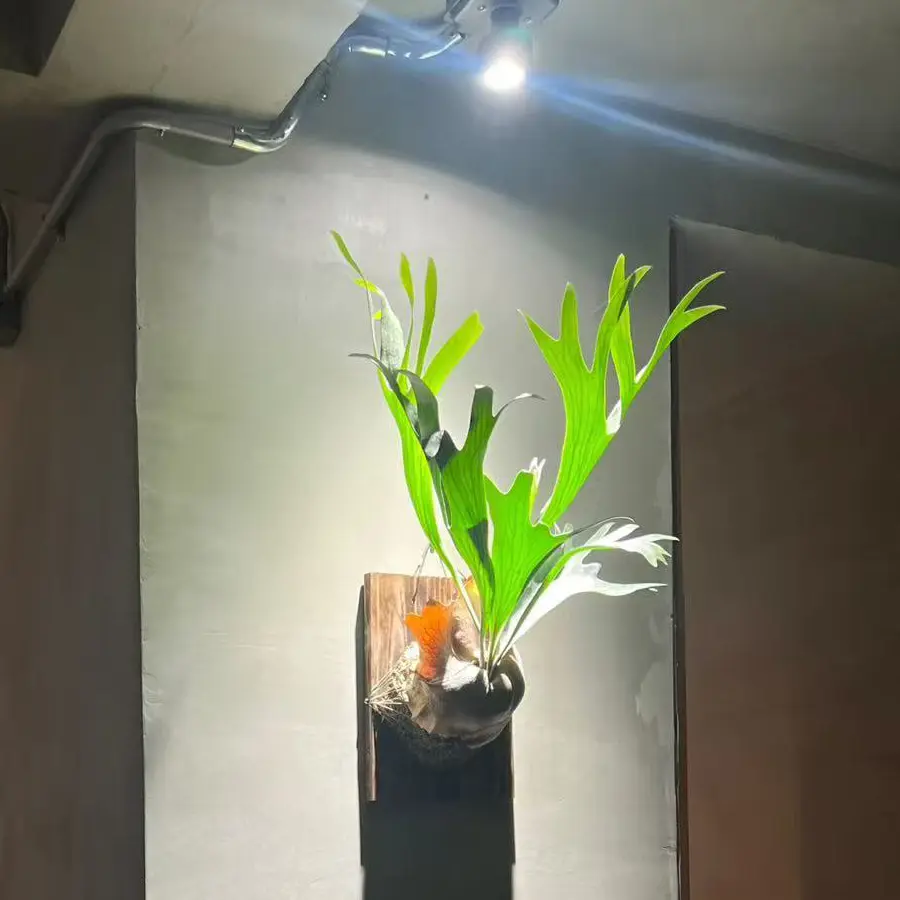
However, if you’re intentional with your setup, you can actually train a bifurcatum to have upright fronds. By controlling the light direction (using grow lights directly above the plant), you can encourage the leaves to reach upward, giving the plant a much more structured and “lifted” look.
2) Platycerium hillii
This Australian relative often gets sold as bifurcatum, but it tends to show broader, greener fertile fronds and can look more lush under good light. It also tends to like steadier moisture than people expect.
The plant usually stays attractive on a mount when it can dry predictably, but it sulks if it gets bone-dry too often.
Difficulty: 2/5
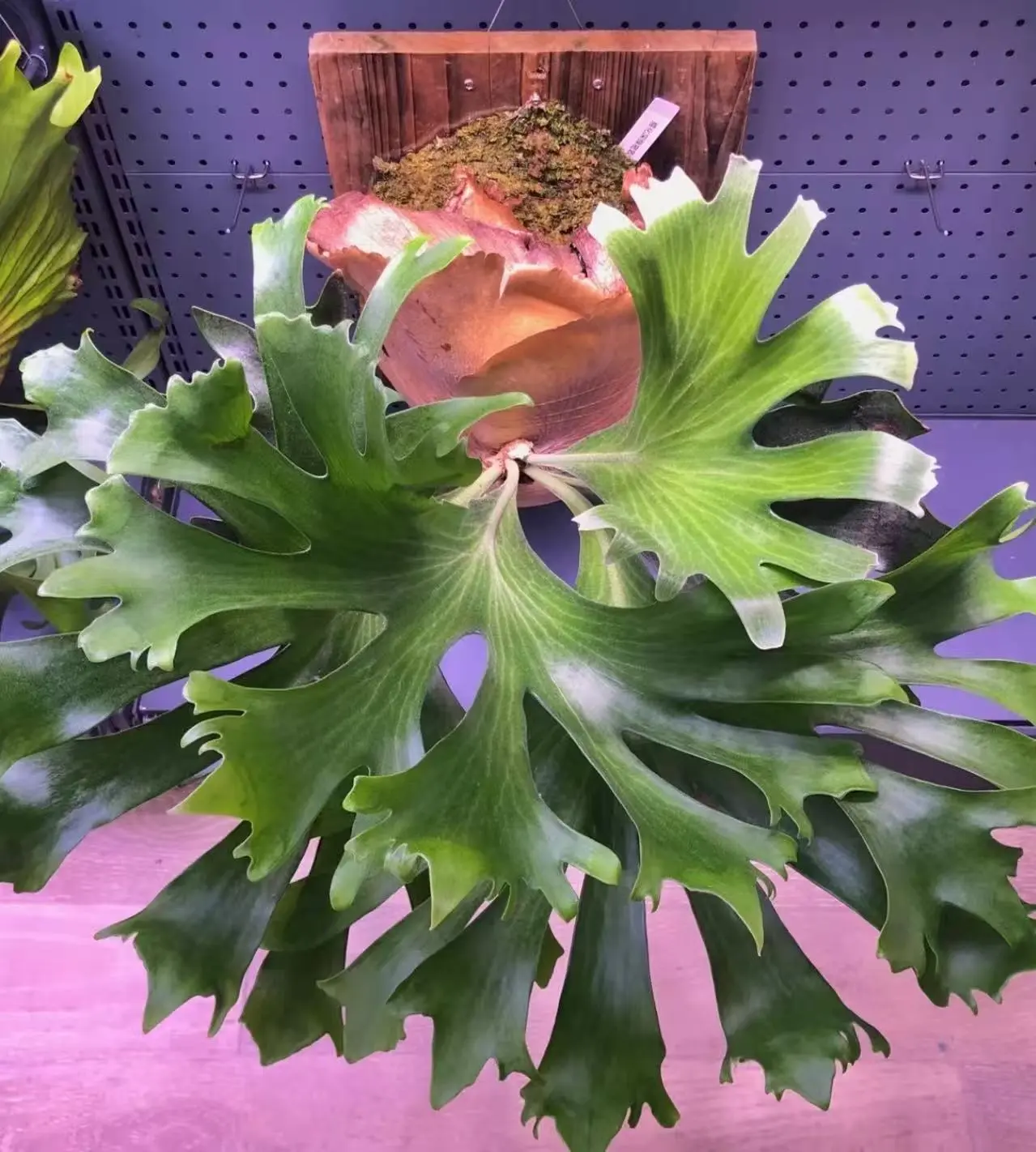
3) Platycerium veitchii (Silver staghorn)
This species is known for a silvery, fuzzy surface that helps it handle brighter light and drier air. Many growers keep it as the “tough” staghorn, but it still fails if the base stays wet.
The fertile fronds are often more upright and stiff, and the plant can look sculptural rather than drapey.
Difficulty: 2/5
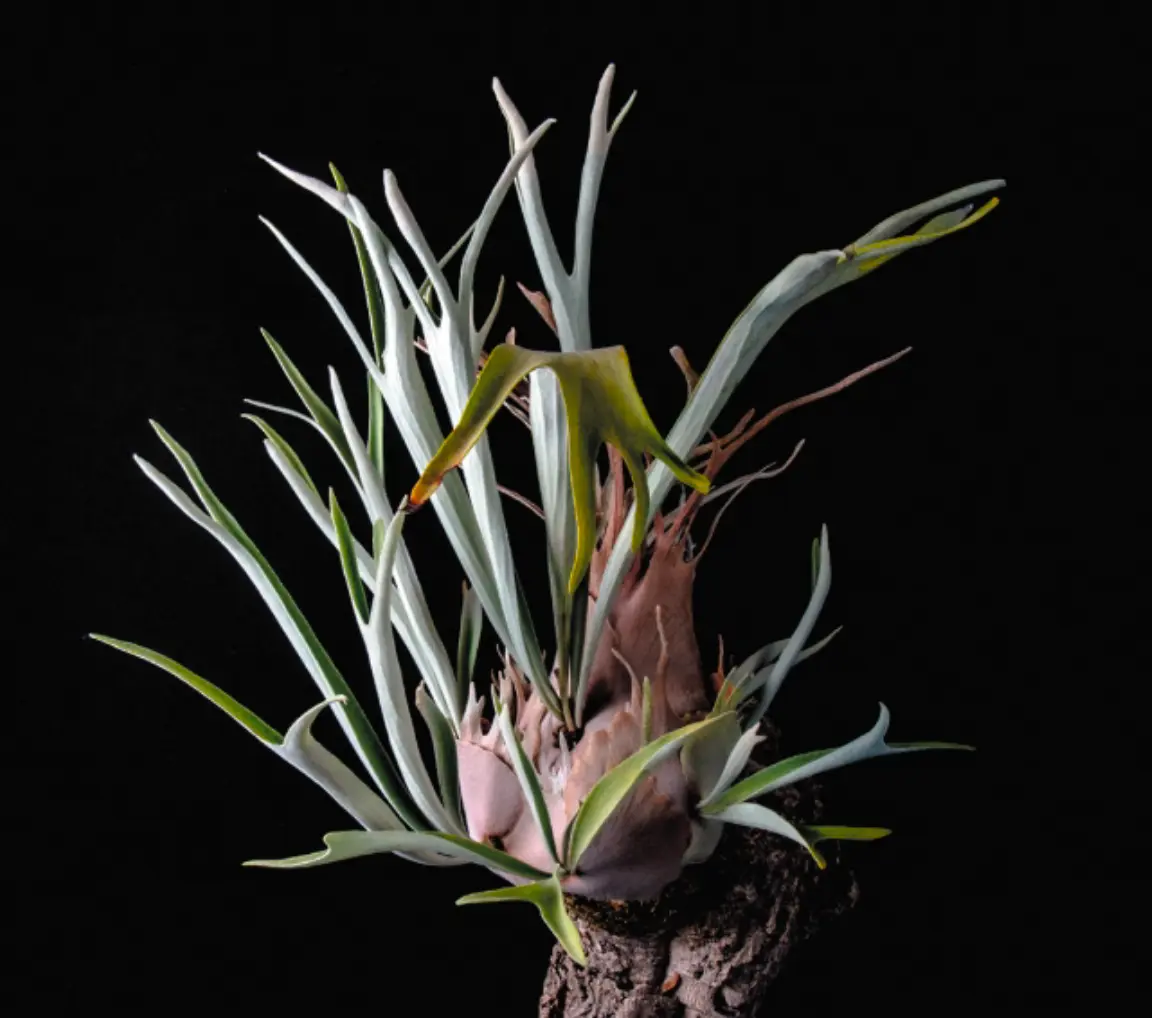
4) Platycerium willinckii
This is a favorite for dramatic hanging displays. It produces long, narrow, ribbon-like fertile fronds that hang and fork repeatedly, creating a layered waterfall effect.
It often needs higher humidity and more consistent hydration than veitchii, so it is easier to damage by “letting it dry hard” between waterings.
Difficulty: 3/5
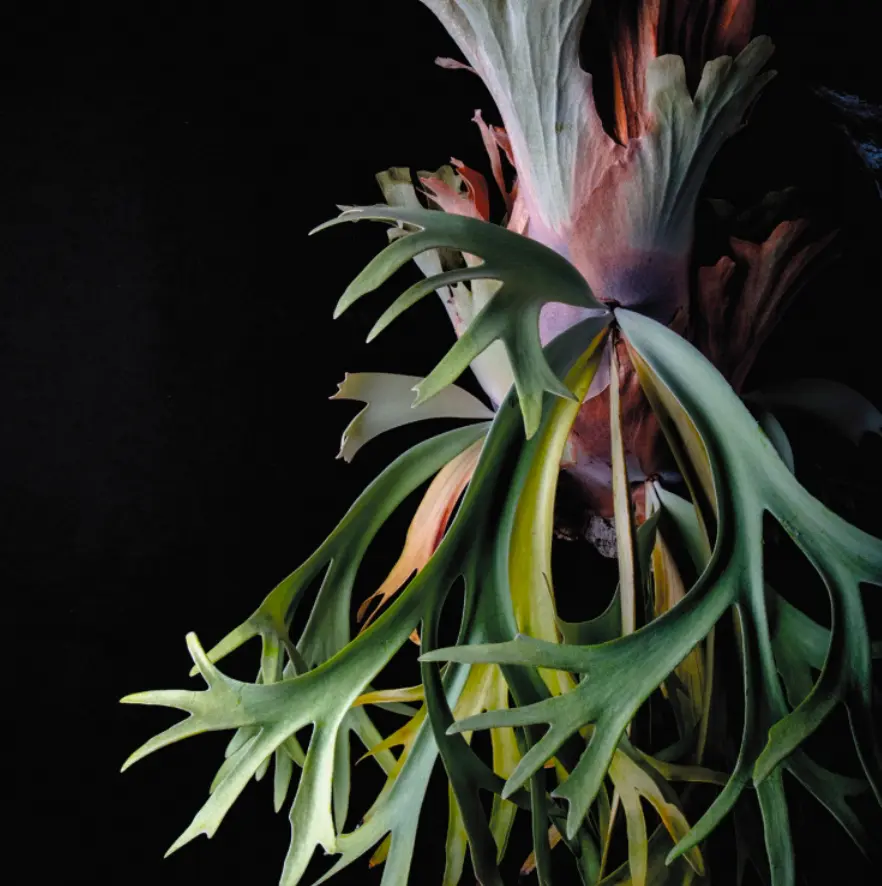
5) Platycerium superbum
This is a classic solitary nest-builder, famous for a large, bowl-like shield frond structure that can trap debris. It is often mistaken for a “pup-producing” species, but a true superbum is typically not a clumper.
Its fertile fronds can be big but are not the main show. The nest is the centerpiece, and it needs space and strong mounting.
Difficulty: 3/5
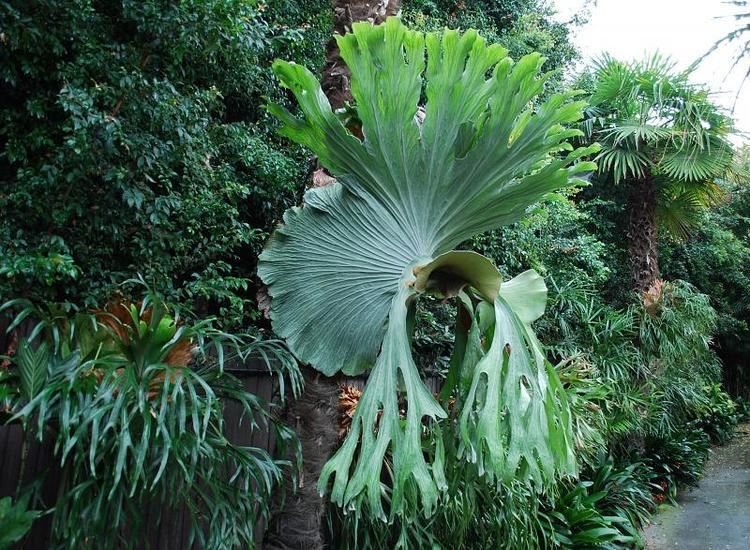
6) Platycerium grande
This species is often discussed alongside superbum. It is also a large solitary type with a bold nest, and small plants can be difficult to separate by casual ID.
In collections, it is treated like a large nest-builder: stable support, predictable drying, and patience as shields stack.
Difficulty: 3/5
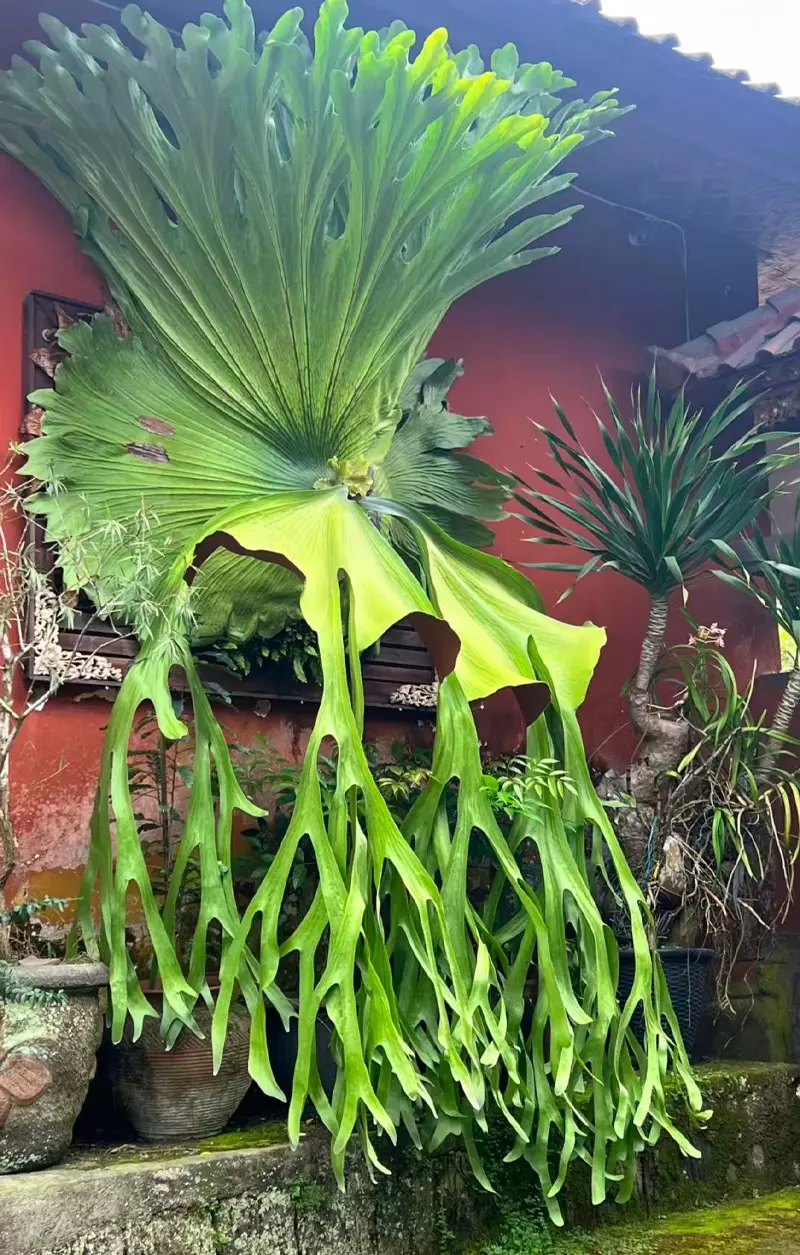
7) Platycerium wandae
This is a “big league” staghorn that becomes huge and heavy over time. The shields can build a massive nest structure, and the whole plant can outgrow casual mounts.
It is often less about tricky watering and more about engineering: strong boards, strong anchors, and enough room for the nest to form without staying wet.
Difficulty: 4/5
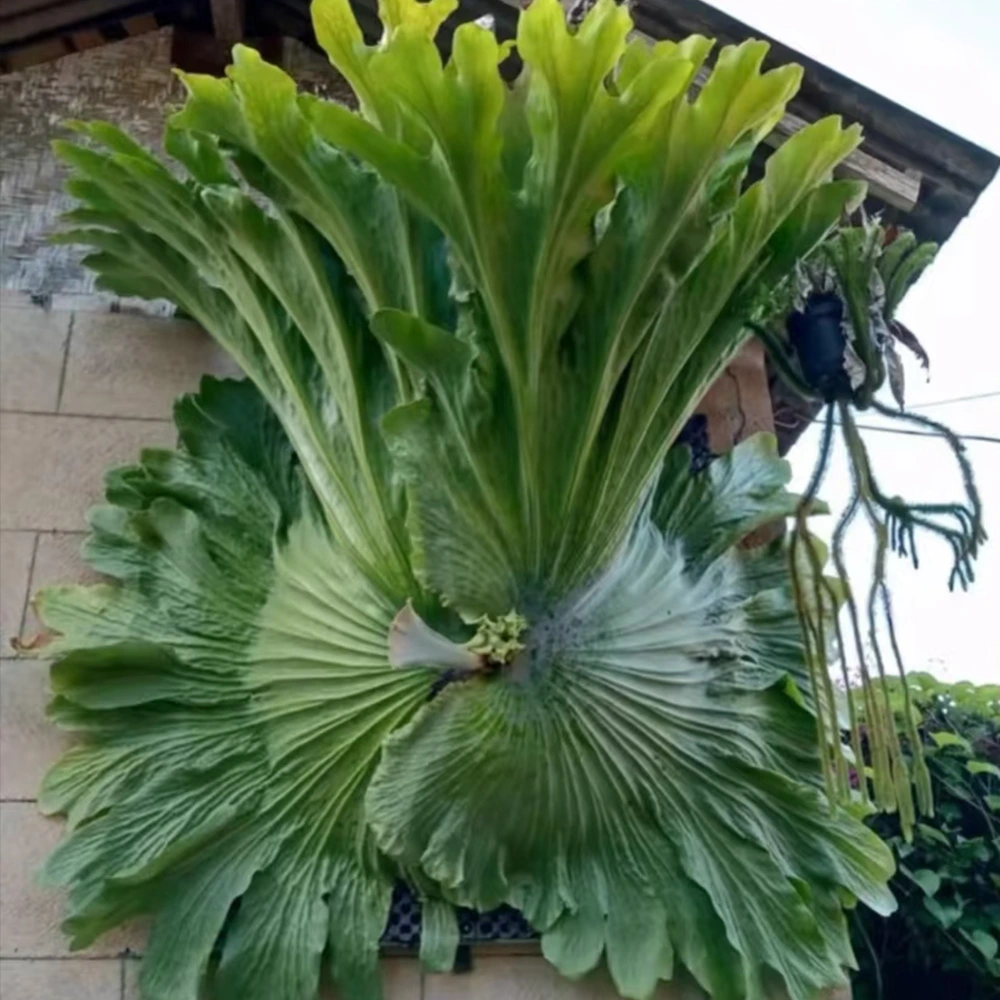
8) Platycerium coronarium
This tropical Asian species often looks upright and architectural, with fertile fronds that can create a “crown” look. It tends to respond strongly to warmth, humidity, and airflow.
In dry indoor air, it can stall and deform new fronds. It usually performs better in a bright, warm, humid plant room.
Difficulty: 4/5
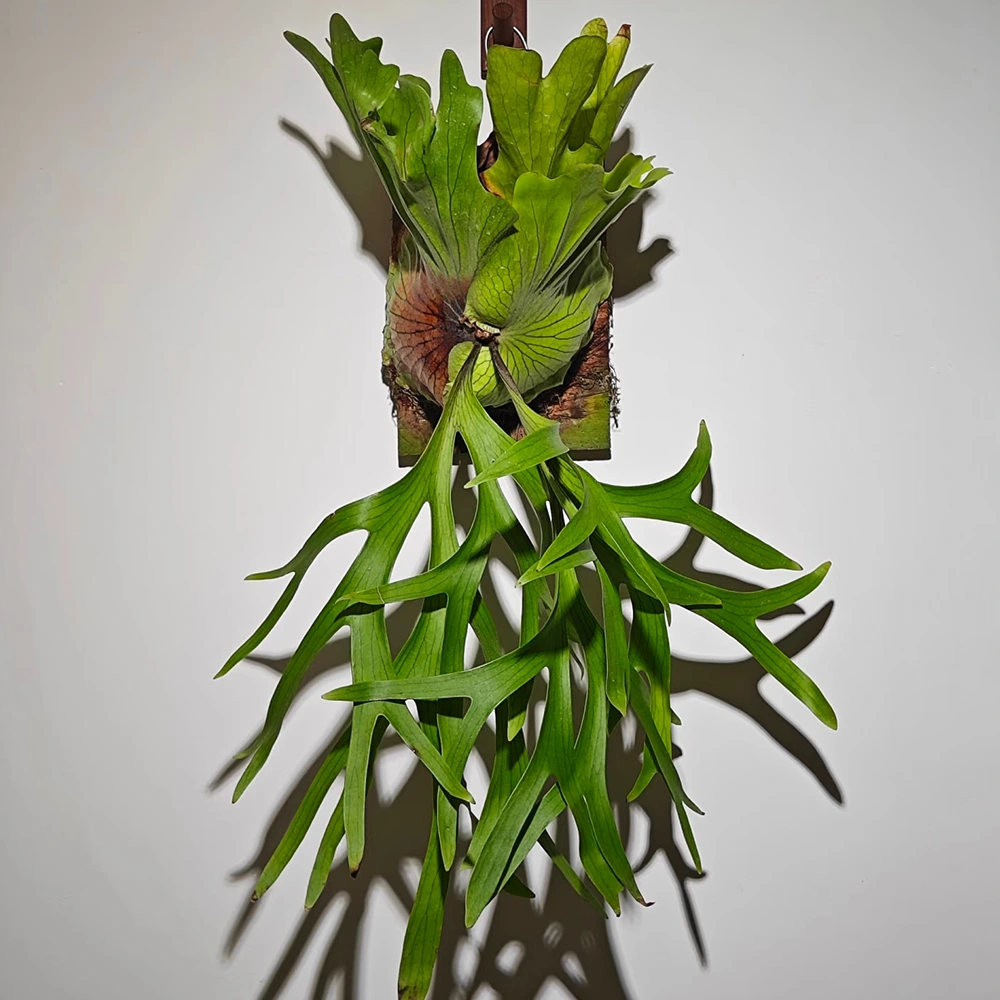
9) Platycerium ridleyi (Basket staghorn)
Ridleyi is famous for its unusual basket-like morphology and specialized debris-catching structure. It is often considered a collector species because it needs stable warmth, humidity, and airflow.
The common failure pattern is crown rot from a nest that stays wet and stagnant. The plant wants moisture, but it also wants movement of air.
Difficulty: 5/5
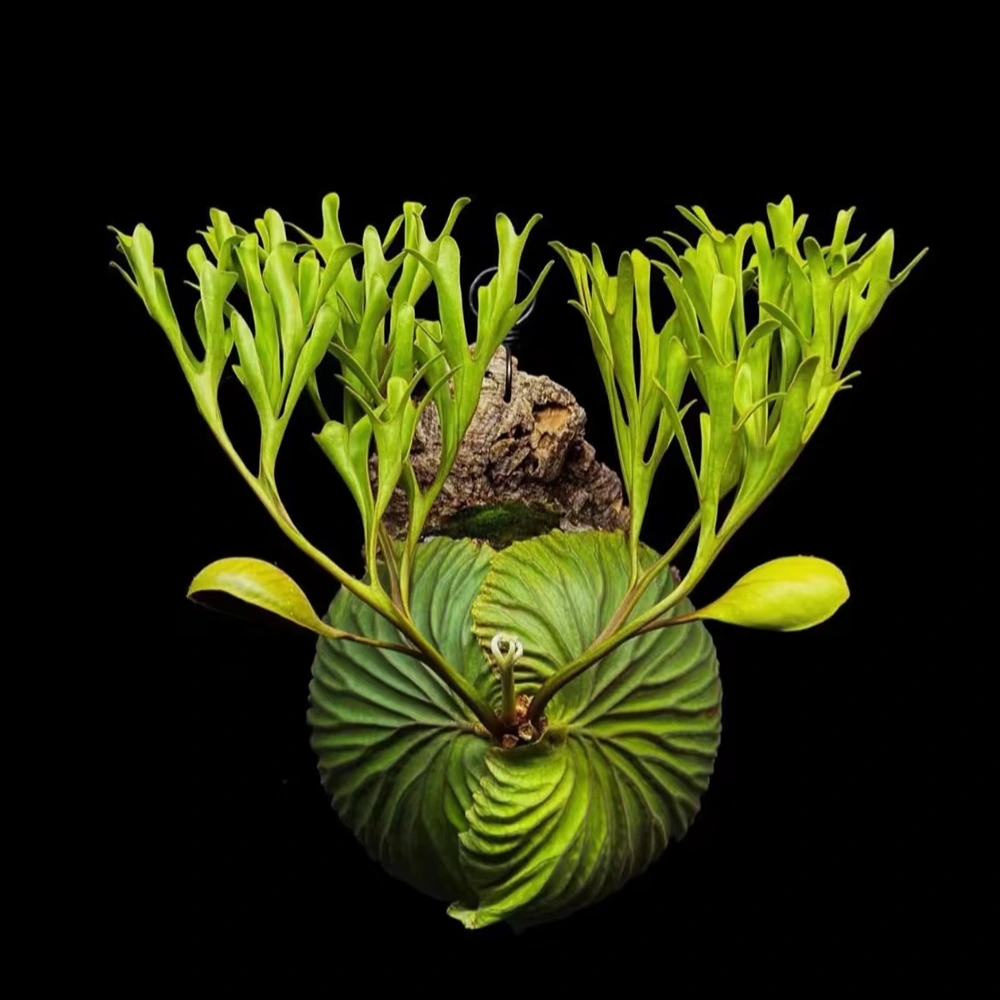
10) Platycerium holttumii
This is a large tropical species that many collectors group with other “advanced” types. It often builds strong shields and can become a substantial plant over time.
It usually needs warm conditions and careful mounting so the base does not remain wet for too long, especially in cooler seasons.
Difficulty: 4/5
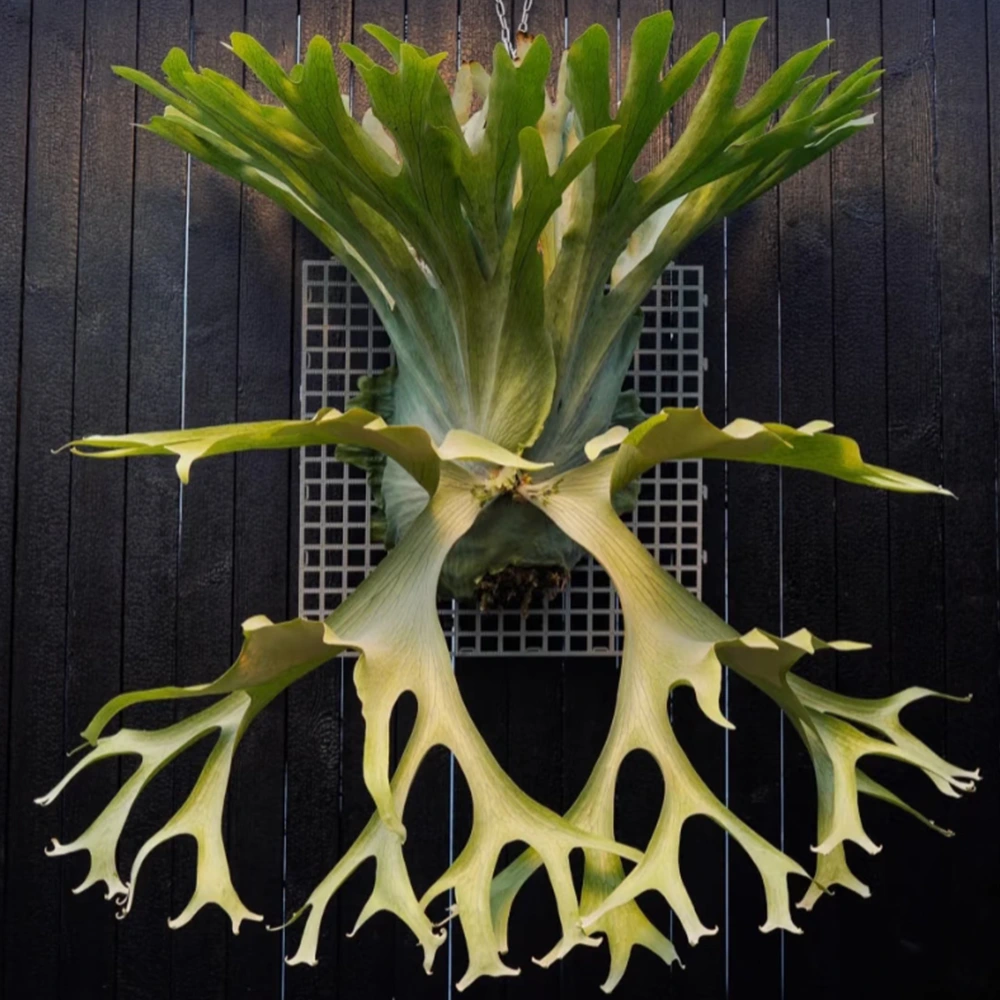
11) Platycerium wallichii
This species is often described as elegant, with narrower fertile fronds and a refined look. It tends to need stronger light than people expect to hold good form.
Low light often produces thin, stretched fronds that tear easily, and the plant may appear “weak” even when watering seems correct.
Difficulty: 4/5
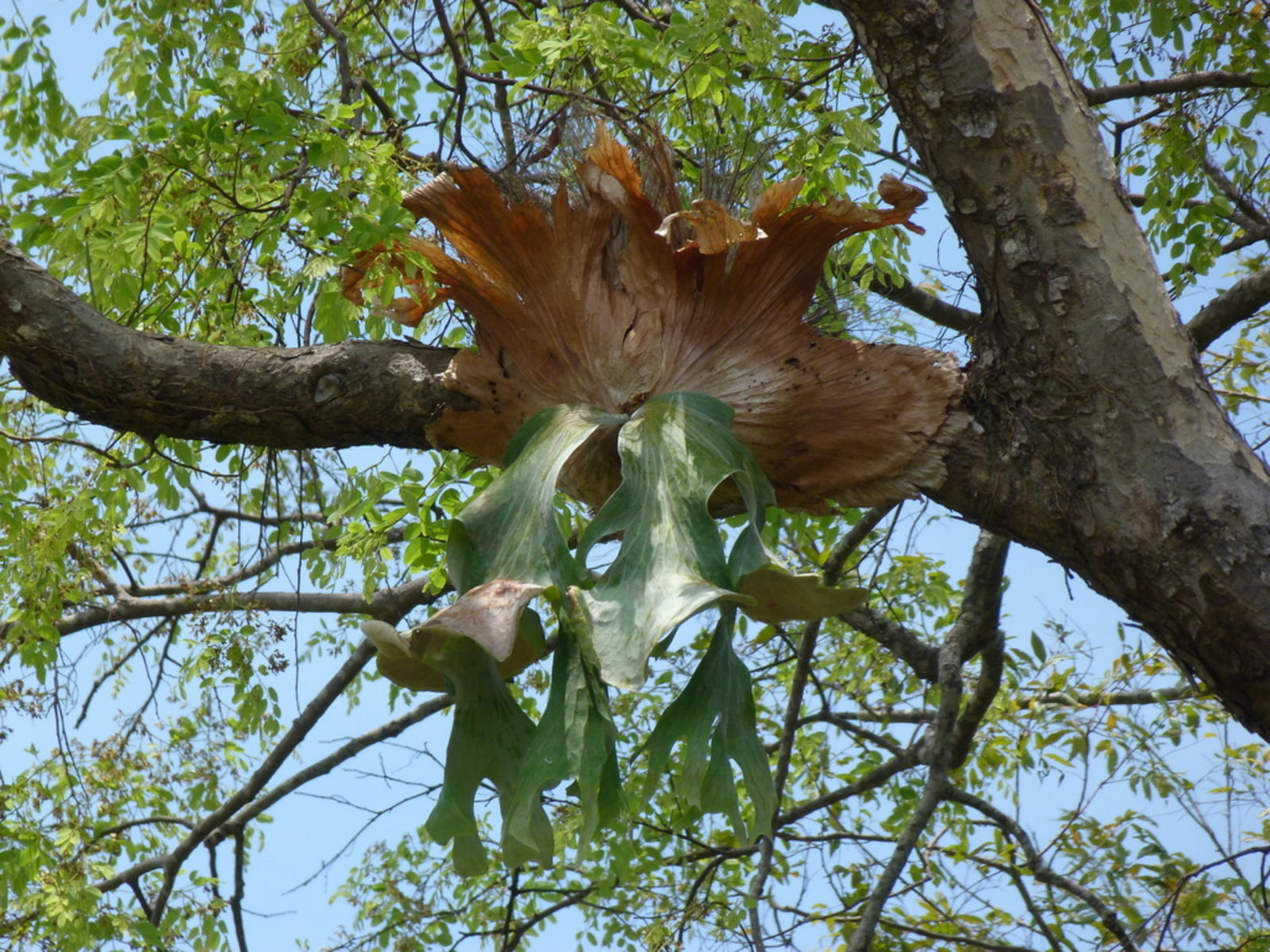
12) Platycerium stemaria (African staghorn)
Stemaria is an African native and can behave differently from the Australian types, especially with temperature. It tends to dislike cold indoor swings when wet.
It can be rewarding in warm conditions, but it often punishes drafty winter windows and inconsistent drying.
Difficulty: 3/5
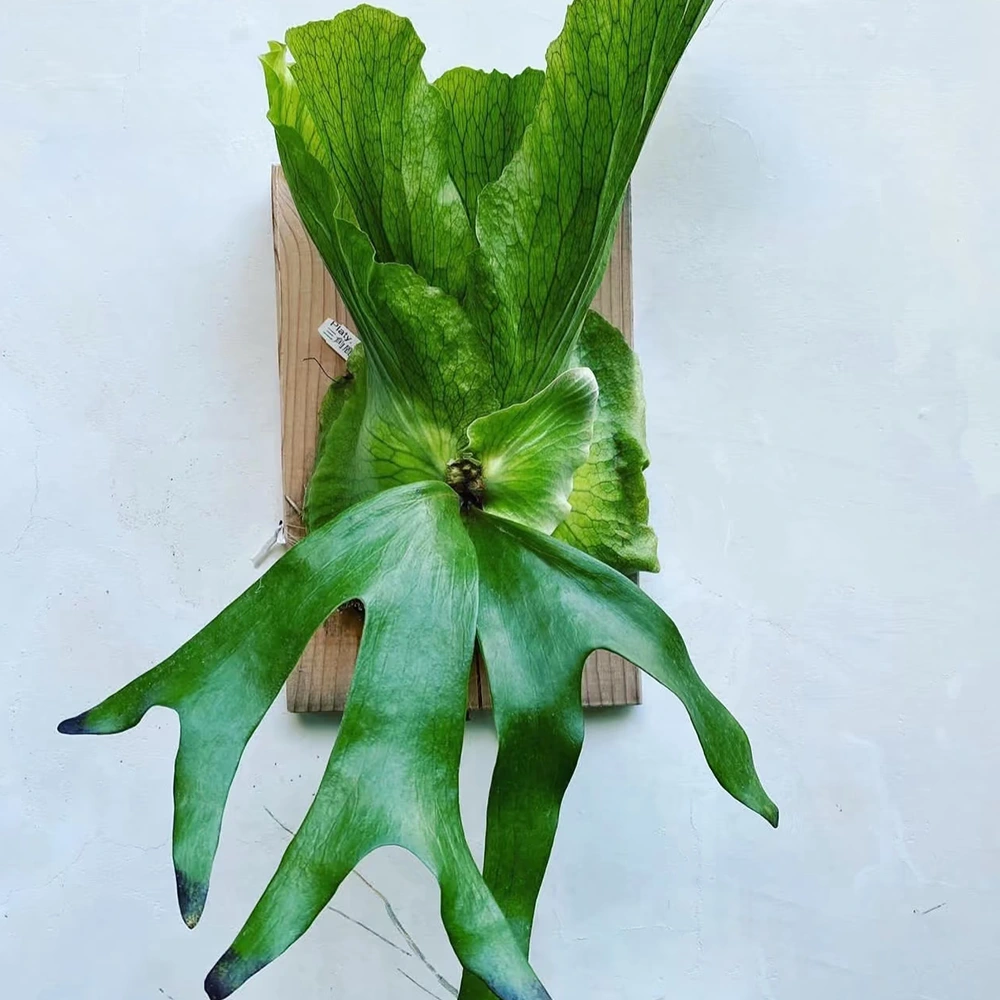
13) Platycerium elephantotis (Elephant ear staghorn)
This species stands out because the shield fronds can look like broad “ears,” and the plant can have a very different silhouette from the classic antler shape.
It is sensitive to stagnant moisture trapped in the core. Many losses come from well-packed moss that never breathes, not from lack of water.
Difficulty: 4/5
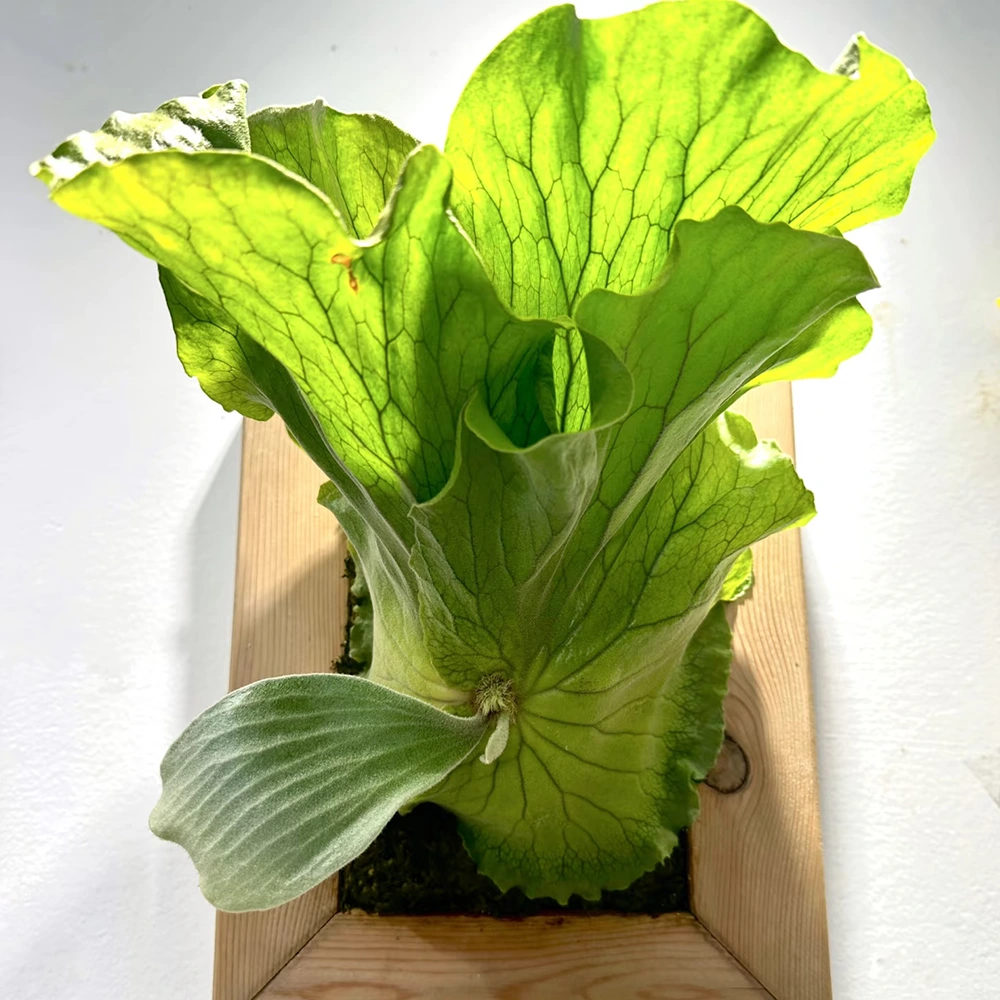
14) Platycerium andinum (South American staghorn)
Andinum is the notable South American native that collectors often want for species diversity. It is not simply an “Australian staghorn in a different place,” and its preferences can feel different in a home.
It often needs careful balancing of moisture and airflow, and it is less forgiving of extreme dry-down cycles.
Difficulty: 4/5
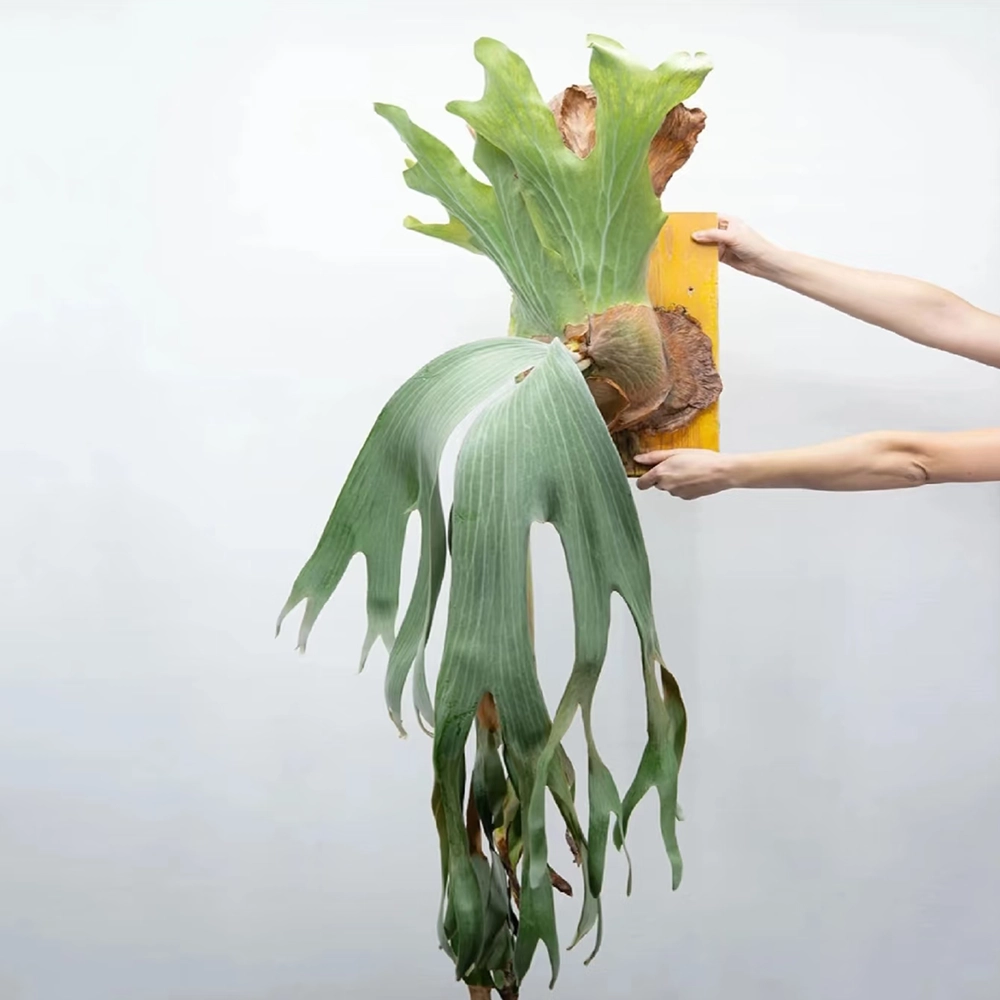
15) Platycerium alcicorne
Alcicorne is often described as compact and hardy, and it can be a good smaller-scale species for limited wall space. It usually looks neat on a plaque and can be a steady grower.
Its main risk is being treated like a cactus just because it is “tough.” It still needs real soaking and proper drying.
Difficulty: 2/5
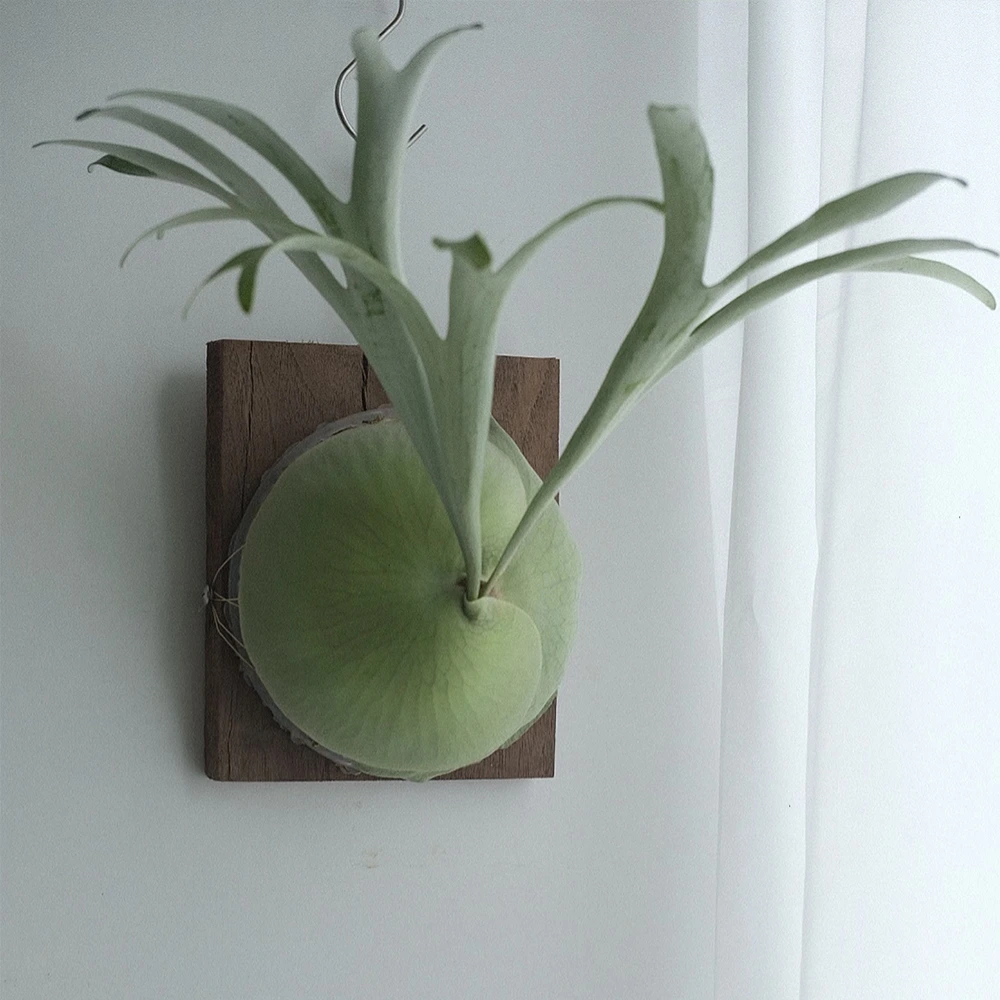
16) Platycerium ellisii
Ellisii is often listed as a Madagascar native and is less common in typical big-box nursery supply. It tends to be less forgiving of very dry indoor air and may need more controlled humidity.
Collectors like it for being different from the mainstream Australian set, but it generally does not tolerate neglect.
Difficulty: 4/5
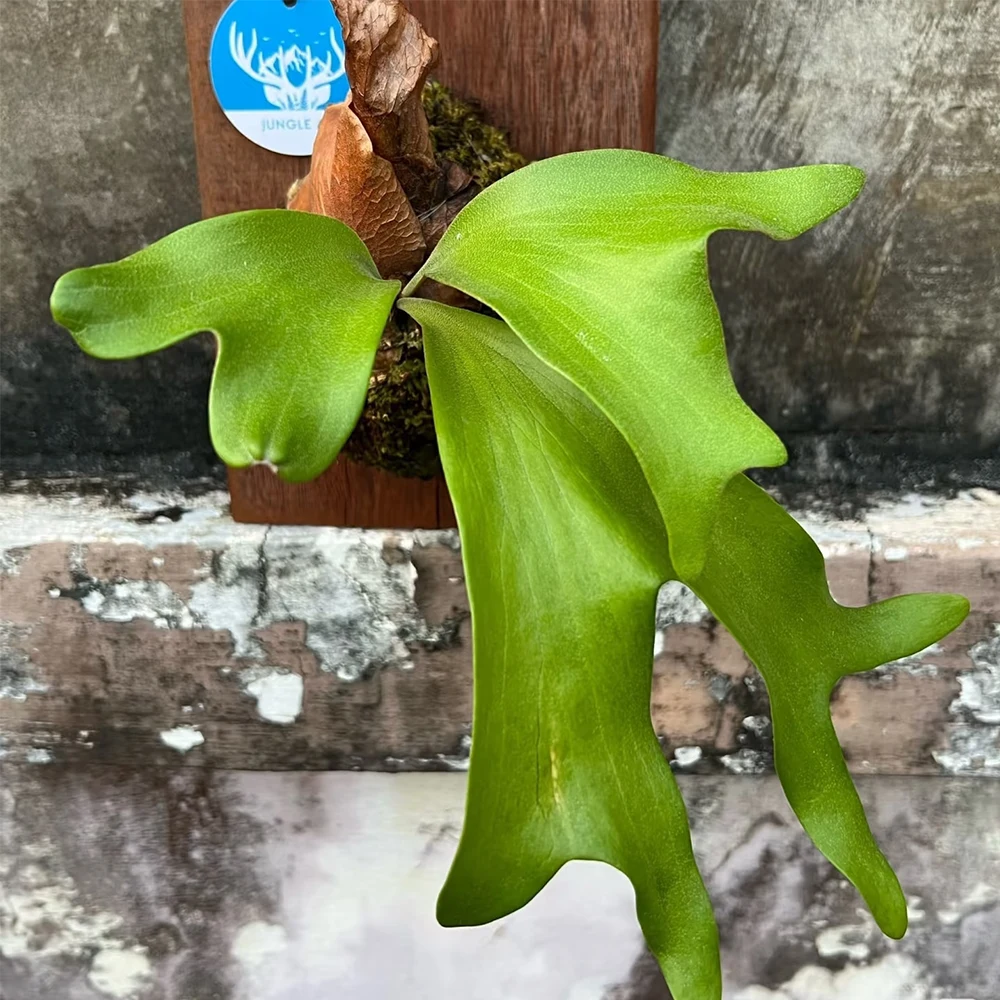
17) Platycerium madagascariense
This species is often called out as rare and visually striking because the shield fronds can show dramatic structure. That same structure often comes with stricter environmental needs.
It commonly fails indoors from low humidity, inconsistent moisture, and weak airflow. It is best treated as an advanced plant.
Difficulty: 5/5
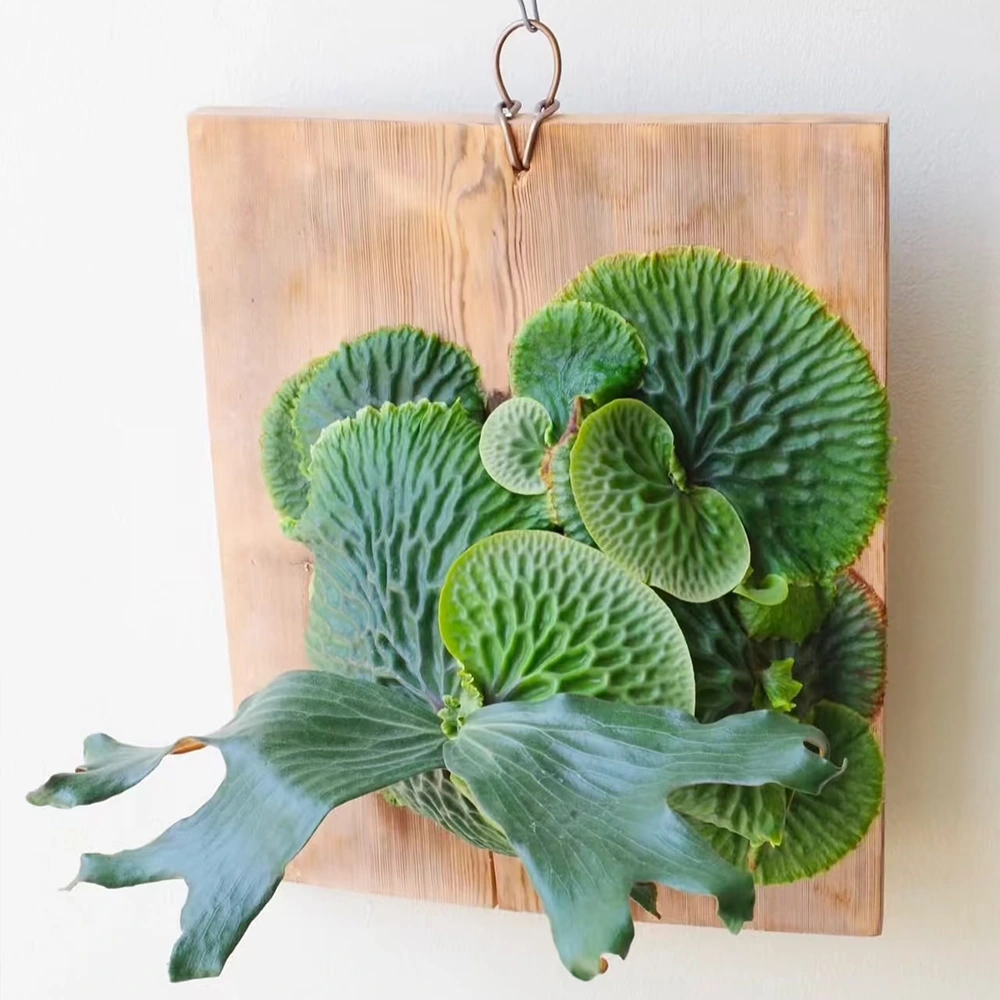
18) Platycerium quadridichotomum
This species is often referenced for its repeated division pattern and is sometimes treated as a slower, more specialized plant than bifurcatum. It tends to reward stable conditions and patience.
A frequent problem is underfeeding in very inert mounts combined with low light, which leads to slow, thin growth that looks “stuck.”
Difficulty: 4/5
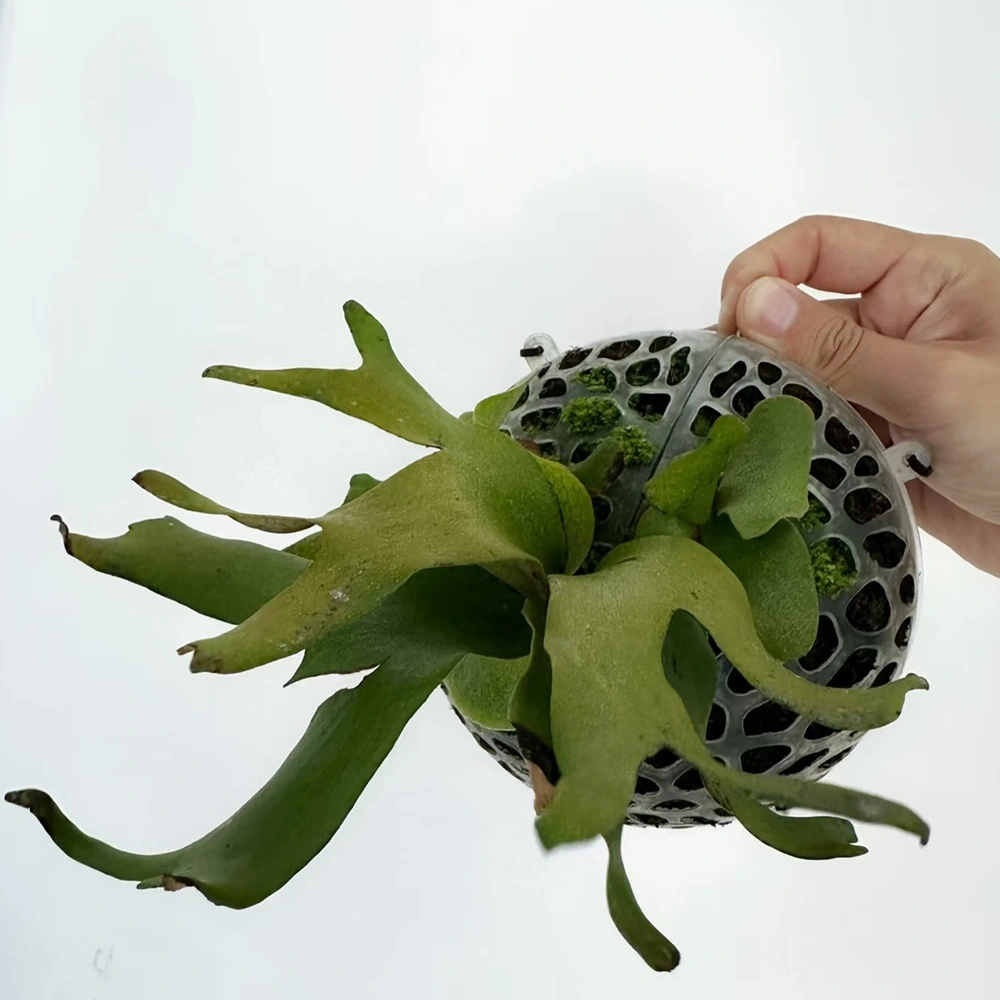
Which staghorn ferns are easiest, best for beginners, and best value?
Many people want a “native species” but also want a plant that survives normal home life. The safest approach is to start with a species that tolerates imperfect humidity and still grows on a basic mount.
Best beginner native species (most homes):
- Platycerium bifurcatum (1/5)
- P. hillii (2/5)
- P. veitchii (2/5)
- P. alcicorne (2/5)
These are easier because they tolerate a wider range of drying speeds, and they are less likely to collapse from one bad week.
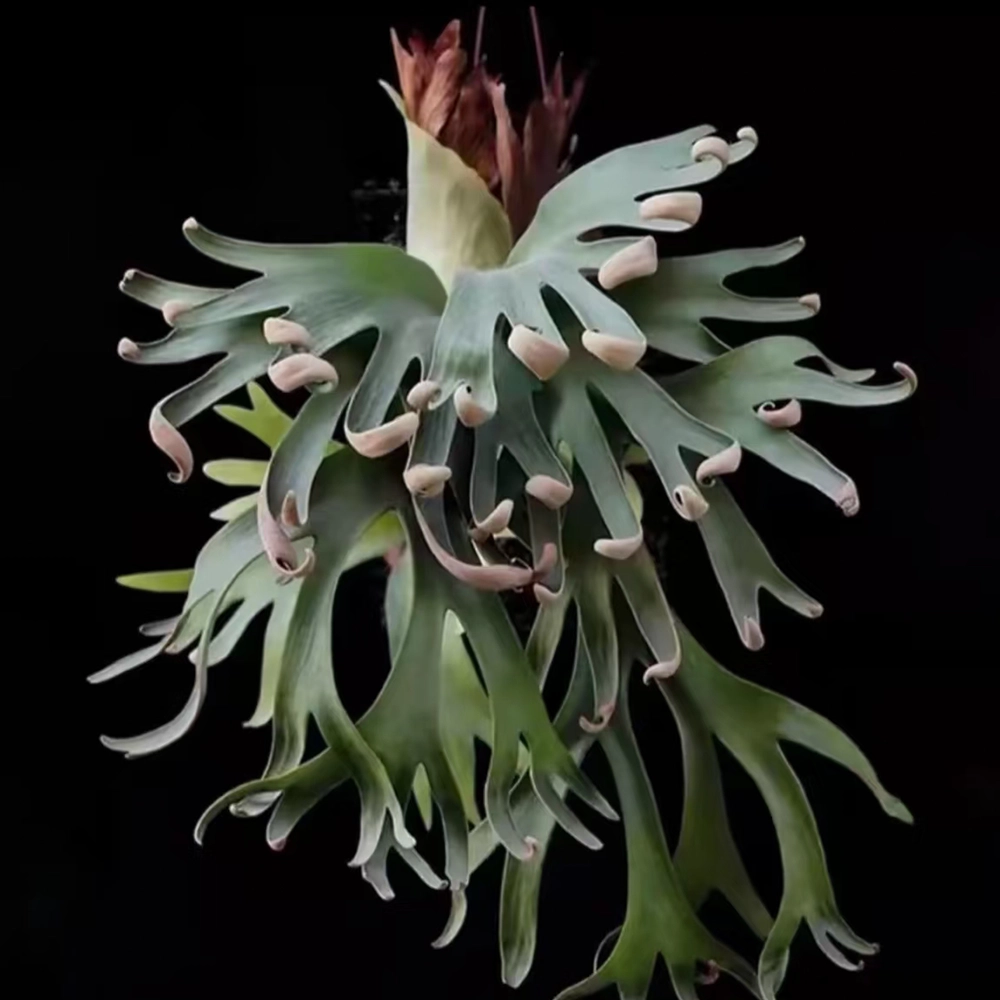
Which staghorn ferns are considered rarest, and why do they fail in homes?
“Rare” can mean different things: limited supply, slower propagation, or stricter environment needs. Some of the most sought-after natives are also the ones most likely to fail when the mount stays wet or the room air stays stagnant.
Often considered rare/collector types:
- P. ridleyi (5/5)
- P. madagascariense (5/5)
- P. wandae (4/5, also becomes massive)
- P. holttumii (4/5)
These often fail for the same reasons:
- A wet nest with low airflow leads to crown rot.
- Dry indoor air deforms new growth.
- Weak light produces thin fronds that tear and stall.
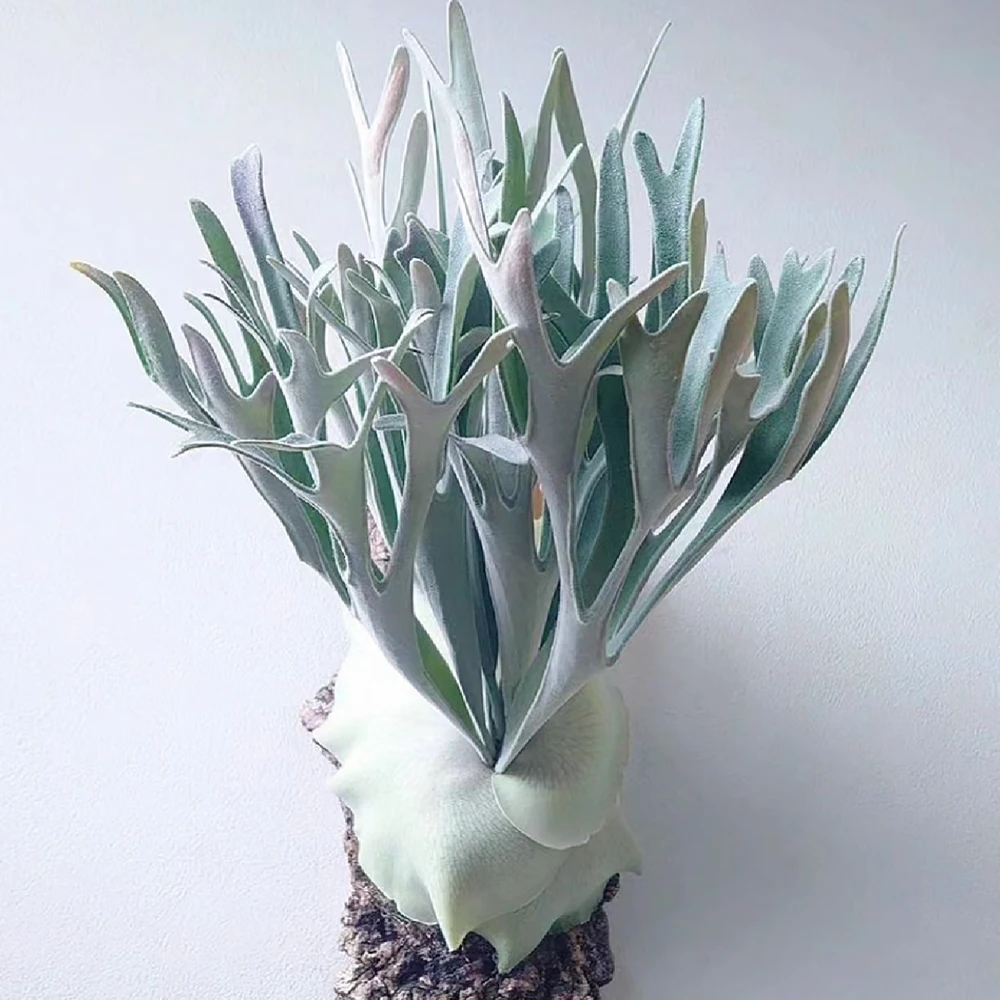
Summary table: 18 native staghorn fern types (ID cues + difficulty)
| Species | Colonial or solitary | Fast ID cue (what it looks like) | Best for | Difficulty (1–5) |
|---|---|---|---|---|
| P. bifurcatum | Colonial | Classic even “antlers,” clumps | Beginners, first mount | 1 |
| P. hillii | Colonial | Broader greener fronds than bifurcatum | Bright indoor spots | 2 |
| P. veitchii | Colonial/slow | Silvery fuzzy, more upright | Dry homes with good light | 2 |
| P. willinckii | Colonial | Long pendant ribbons | Hanging displays | 3 |
| P. superbum | Solitary | Big bowl-like nest | Large wall features | 3 |
| P. grande | Solitary | Superbum-like giant form | Large wall features | 3 |
| P. wandae | Often solitary/slow | Massive heavy nest | Advanced, big spaces | 4 |
| P. coronarium | Colonial | Upright “crown” look | Warm humid rooms | 4 |
| P. ridleyi | Solitary/slow | Basket-like specialized form | Advanced collectors | 5 |
| P. holttumii | Often solitary/slow | Large tropical shields | Warm controlled rooms | 4 |
| P. wallichii | Variable | Narrow elegant fronds | Bright light growers | 4 |
| P. stemaria | Colonial | African type, temp sensitive | Warm stable rooms | 3 |
| P. elephantotis | Colonial/slow | “Elephant ear” shields | Humid, airy setups | 4 |
| P. andinum | Often solitary | South American native | Advanced, steady care | 4 |
| P. alcicorne | Colonial | Compact and tidy form | Small wall mounts | 2 |
| P. ellisii | Colonial/rare | Madagascar type, humidity sensitive | Controlled humidity | 4 |
| P. madagascariense | Often solitary/slow | Dramatic structured shields | Advanced collectors | 5 |
| P. quadridichotomum | Colonial/slow | Repeated forking pattern | Patient growers | 4 |
Our practical recommendations before buying any “native species” staghorn
If the goal is learning native species, the best “starter set” is still a starter set. It gives us stable reference points for comparison, and it prevents expensive mistakes.
Our team recommends starting with:
- One forgiving clumper (bifurcatum or hillii)
- One silvery tougher plant (veitchii)
- One dramatic pendant plant only if humidity and airflow are stable (willinckii)
Once those grow well for a season, moving into rare nest-builders and basket types becomes much safer.
Conclusion
Native staghorn fern diversity is bigger than most labels suggest, but we can learn it quickly by focusing on growth habit, shield nest structure, and fertile frond posture. These 18 native Platycerium types cover most of what hobbyists encounter, and the difficulty ratings help match species to real homes. Tropical Plant Kit treats ID and care as one system, so each plant is chosen and mounted for the conditions it will actually live in.