Rare Genetics, Living Art, and Why Some Plants Are Worth a Fortune
By 2025, the global houseplant market has matured well beyond short-lived trends. While many once-hyped plants have become widely available thanks to tissue culture, a small group of exceptional specimens continues to command staggering prices. These plants are valued not just for appearance, but for genetic rarity, historical significance, cultivation difficulty, and long-term collector demand.
From ancient bonsai trees worth more than luxury homes to genetically unstable variegated aroids selling for tens of thousands of dollars, these are the 10 most expensive houseplants in the world in 2025—based on documented sales, auction records, and high-end collector markets.
1. 800-Year-Old Japanese White Pine Bonsai
Record Price: ~$1.3 million USD
The most expensive houseplant ever sold remains an 800-year-old Japanese white pine bonsai, auctioned in Japan in 2011 and still unmatched in value today. Its price reflects centuries of continuous care, impeccable form, and profound cultural importance.
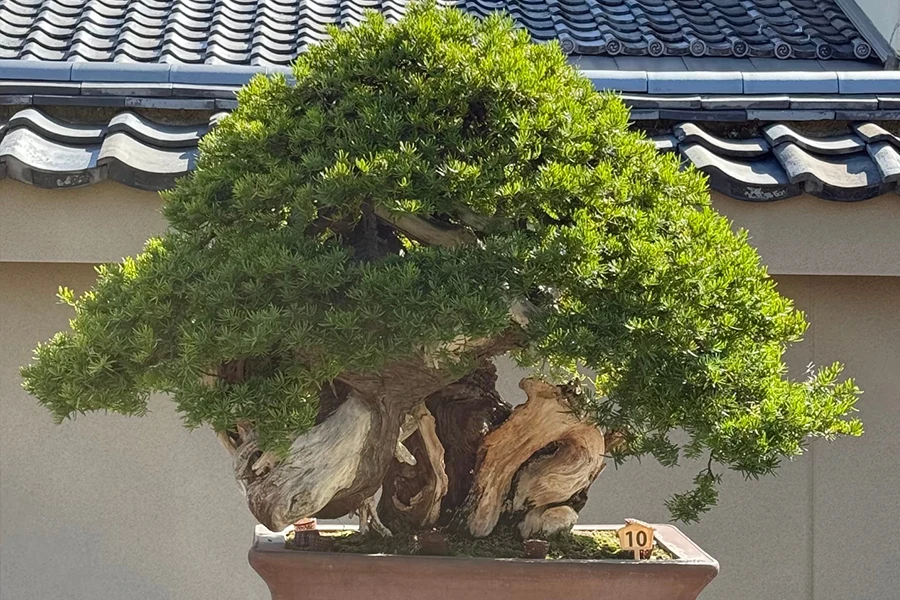
Bonsai of this caliber are not simply plants—they are living historical artifacts, passed down across generations of master growers. Age, trunk movement, balance, and lineage determine value, and specimens of this stature are effectively irreplaceable.
2. Shenzhen Nongke Orchid (Man-Made Orchid)
Record Price: ~$200,000 USD
Developed over eight years by researchers at Shenzhen Nongke University, this orchid does not occur naturally. Its value lies in its scientific origin, rarity, and the extraordinary labor required to create it.
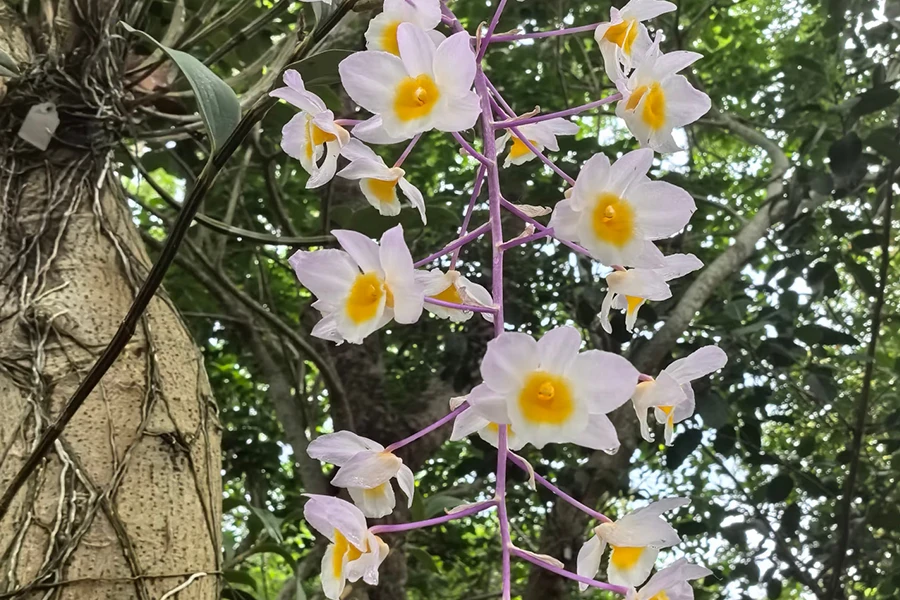
In 2005, a single plant sold for 1.68 million yuan, making it the most expensive orchid ever auctioned. Even in 2025, no other orchid has surpassed this record.
3. Monstera adansonii ‘Variegata’
Record Price: ~$38,000 USD
This plant remains the most expensive modern houseplant ever sold. The extreme white variegation, genetic instability, and rarity of well-balanced specimens make it a holy grail for collectors.
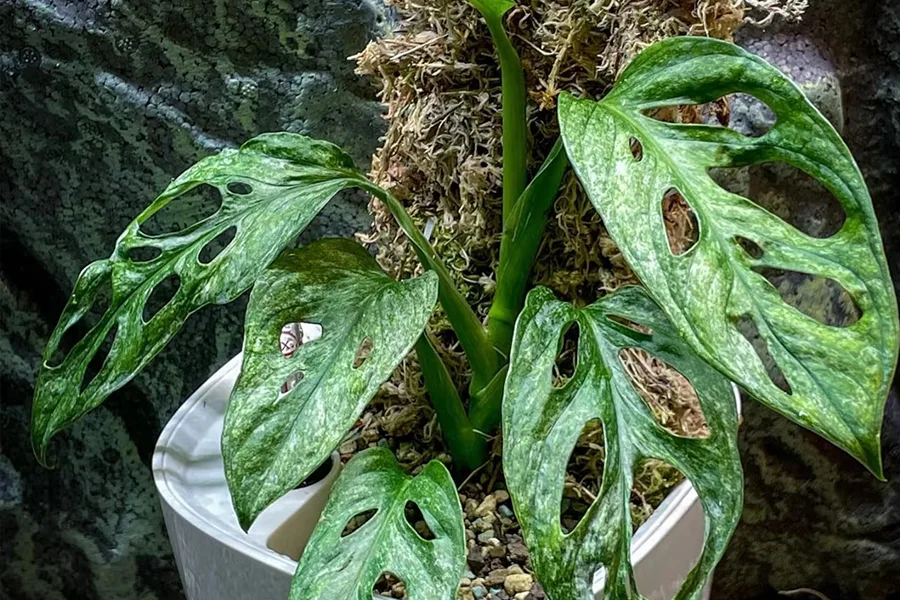
Unlike Thai Constellation Monsteras—which are now mass-produced—true variegated Monstera adansonii remains difficult to propagate reliably, preserving its elite status.
4. White Variegated Rhaphidophora tetrasperma
Record Price: ~$27,000 USD
Often mislabeled as a “Mini Monstera,” this plant is prized for high-contrast white variegation combined with a climbing growth habit. In New Zealand, a nine-leaf specimen sold for approximately $27,000 USD, breaking previous records.
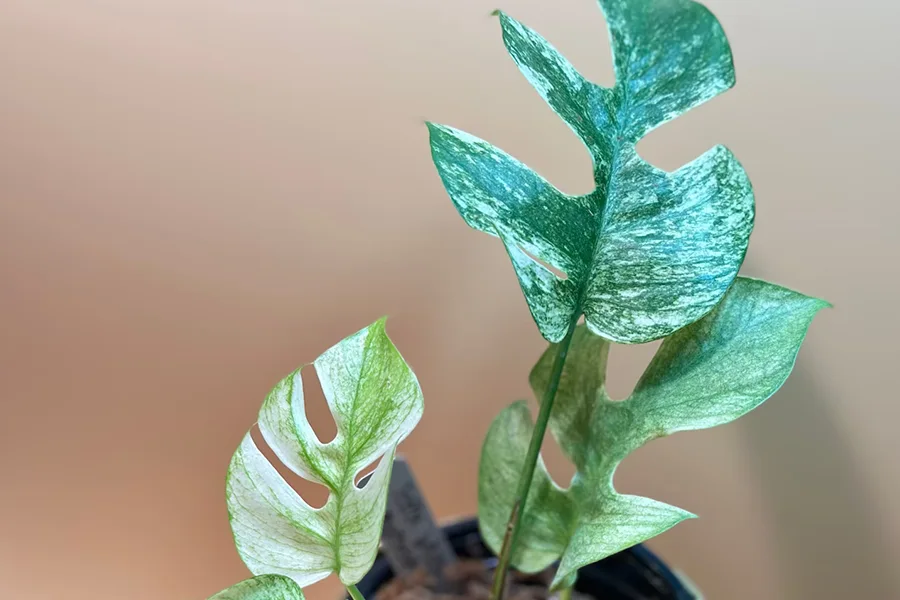
For comparison, a standard green Rhaphidophora tetrasperma typically sells for under $40—illustrating how genetics alone can multiply value by hundreds.
5. Monstera obliqua (True Species)
Reported Sales: Up to ~$23,000 USD
True Monstera obliqua is among the rarest aroids in cultivation. Its paper-thin leaves feature more holes than leaf tissue, making it both visually stunning and extremely fragile.
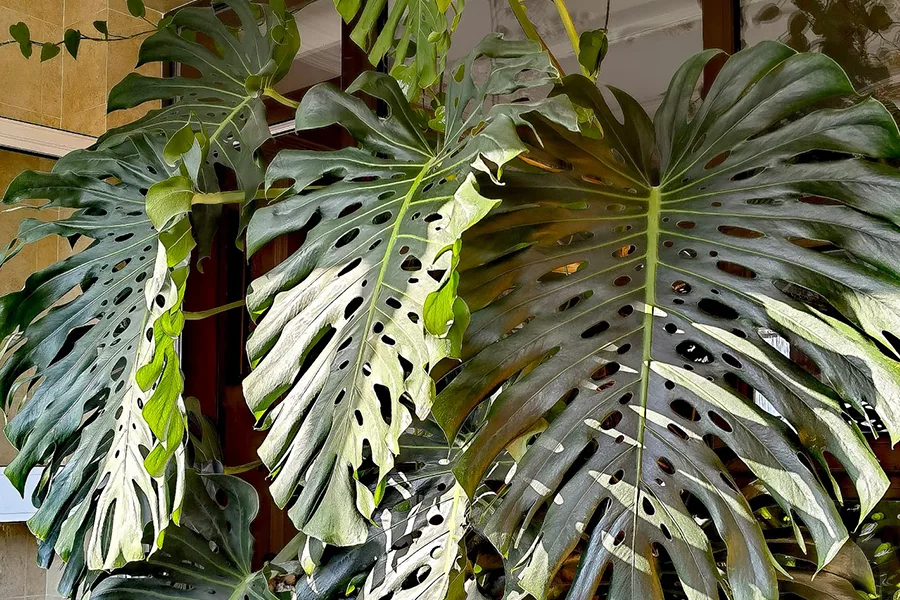
Because it is frequently confused with Monstera adansonii, verified specimens are scarce. Authenticated plants have reportedly sold for over $20,000, largely due to rarity and cultivation difficulty.
6. Philodendron spiritus-sancti
Market Value (2025): $10,000–$20,000 USD
Endemic to a tiny region of Brazil, Philodendron spiritus-sancti is one of the most geographically restricted aroids in existence. Export restrictions and conservation concerns severely limit availability.
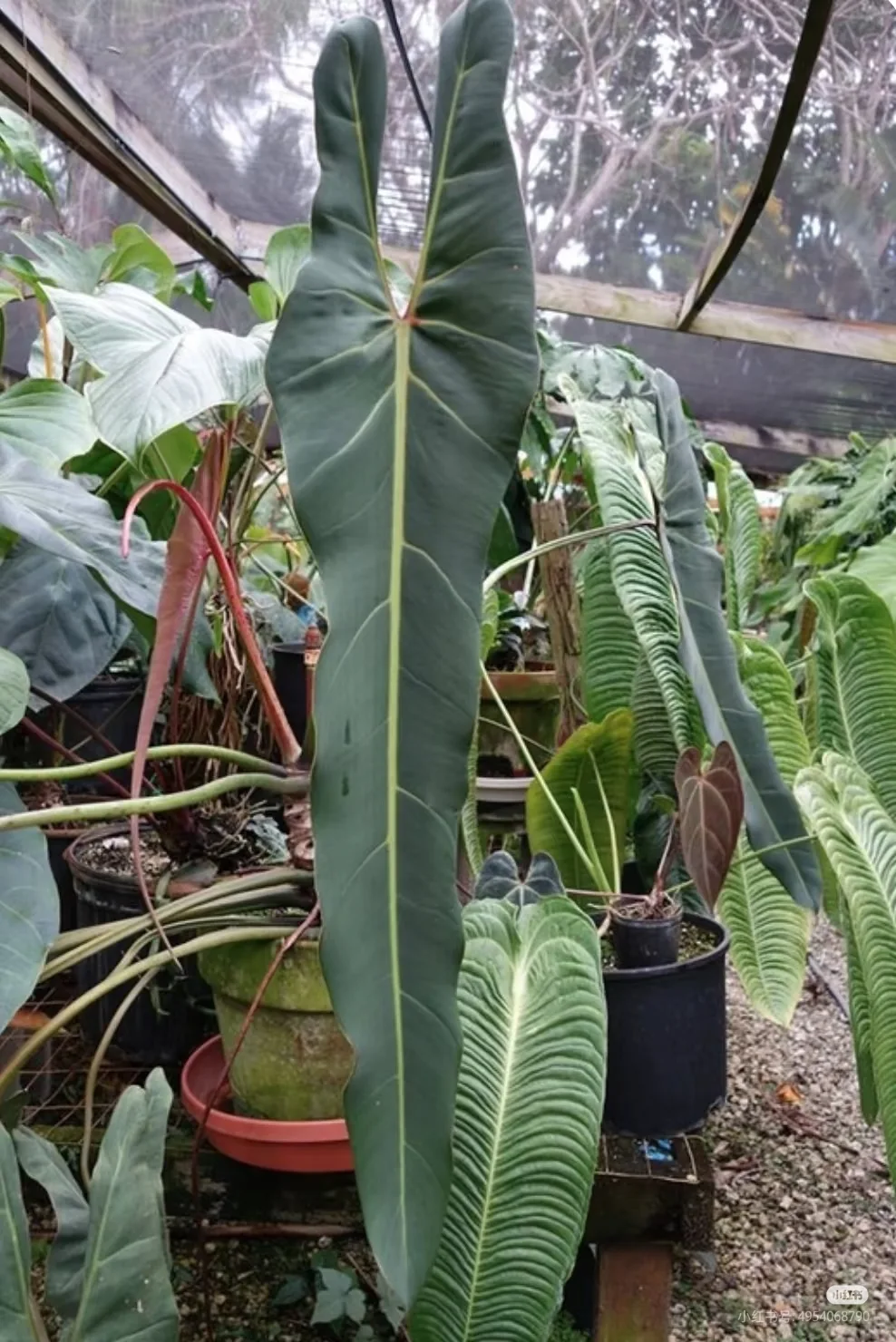
Even small specimens command five-figure prices, and ownership is often restricted to serious collectors with proper documentation.
7. Variegated Monstera deliciosa ‘Albo’ (High-Grade Specimens)
Market Value (2025): $3,000–$10,000 USD
While more accessible than in the early 2020s, exceptional Albo Monsteras—those with balanced, stable white variegation—remain expensive. Prices depend heavily on plant size, leaf quality, and variegation stability.
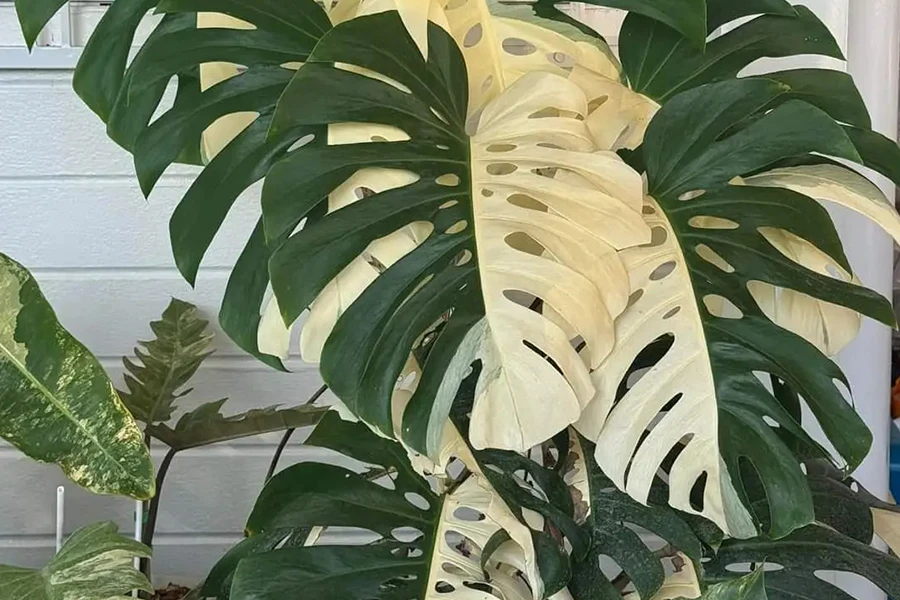
Unlike Thai Constellation Monsteras, which are lab-grown, Albo variegation cannot be reliably mass-produced, preserving its collector value at the high end.
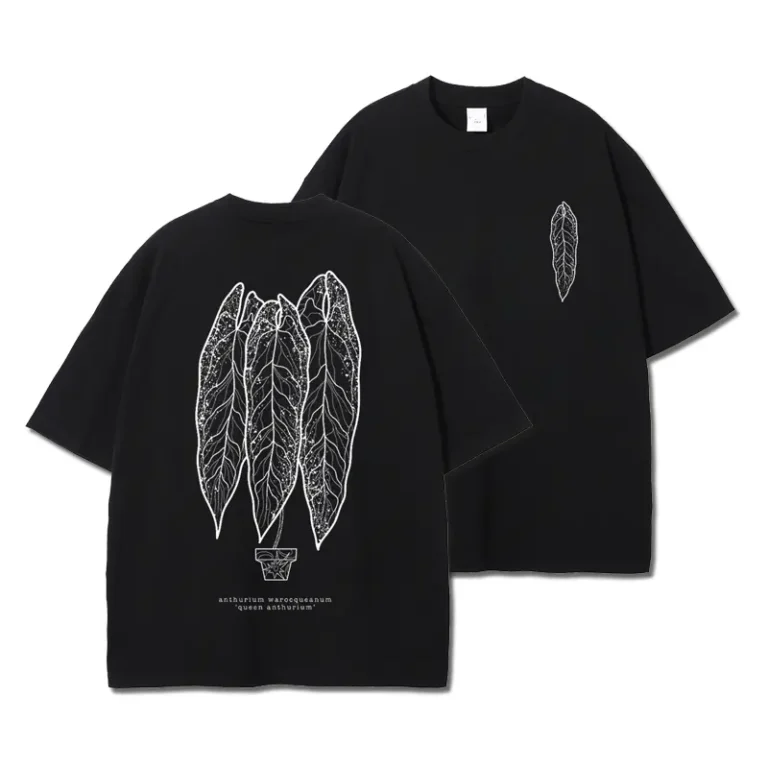
8. Anthurium warocqueanum (Queen Anthurium, Mature Specimens)
Market Value (2025): $3,000–$6,000 USD
Mature Anthurium warocqueanum plants with long, flawless velvet leaves are exceptionally difficult to grow well. Leaf size, vein clarity, and condition determine value.
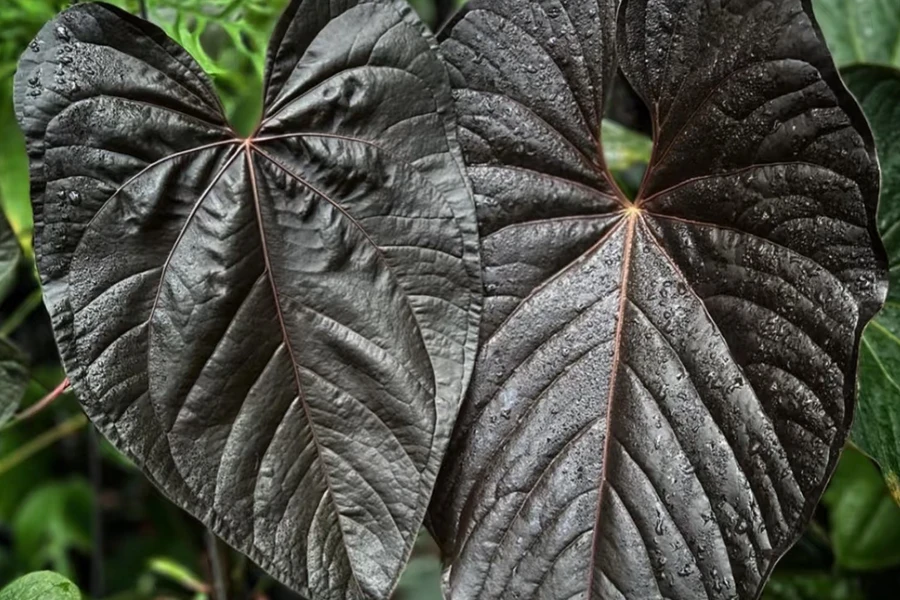
While smaller plants are more affordable, exhibition-quality specimens remain among the most expensive foliage plants available.
9. Alocasia azlanii
Market Value (2025): $700–$1,500 USD
Native to Borneo, this jewel Alocasia is prized for its nearly black leaves with metallic sheen and vivid pink or purple veins. Slow growth and sensitivity to humidity make large, healthy plants rare.
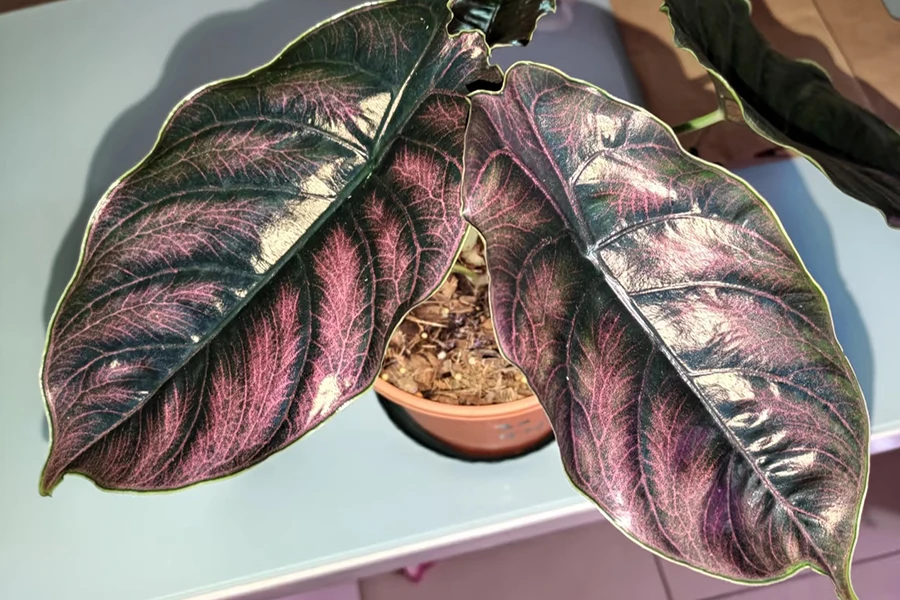
Prices have stabilized since its initial introduction but remain high for premium specimens.
10. Philodendron tortum (Large, Established Plants)
Market Value (2025): $400–$1,200 USD
While not the most expensive plant on this list, Philodendron tortum earns its place due to its distinctive skeletal foliage and sustained collector interest. Larger, mature plants command significantly higher prices than younger specimens.
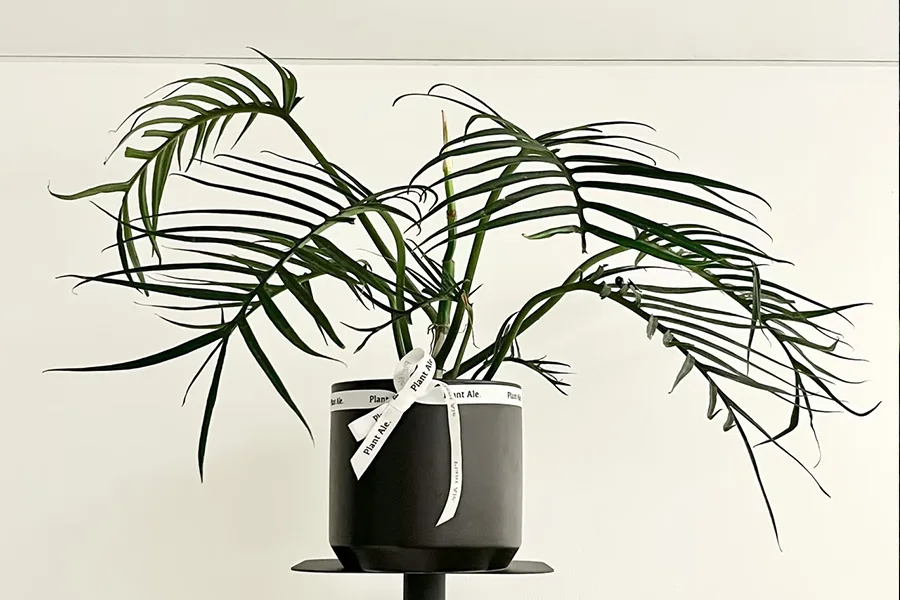
Its value lies in form rather than variegation, giving it long-term appeal beyond market trends.
Plants That Fell Out of the “Most Expensive” List by 2025
Several plants once considered ultra-rare—most notably Philodendron Pink Princess—are no longer investment-grade due to large-scale tissue culture. While still beautiful, availability has dramatically reduced their market value.
Is Investing in an Expensive Houseplant Worth It?
The value of a plant is never purely financial. While some plants retain or increase their worth due to scarcity and demand, others fluctuate as propagation methods evolve.
True long-term value tends to rest on:
- Genetic rarity that cannot be easily mass-produced
- Historical or cultural significance
- Cultivation difficulty
- Proven collector demand over time
As with art or antiques, knowledge matters more than hype.
FAQ: Rare & Expensive Houseplants
Why do some houseplants cost tens of thousands of dollars?
Rare genetics, slow growth, limited propagation, and strong collector demand all contribute to high prices.
Is proper lighting essential for rare plants?
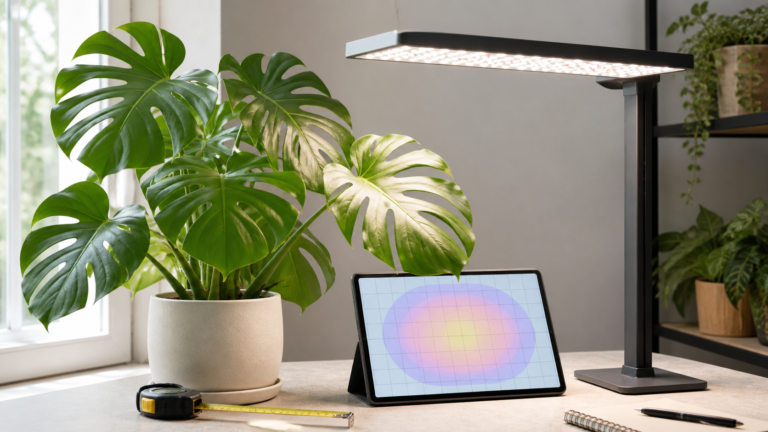
Yes. Stable variegation and healthy growth depend on consistent, high-quality light—often 12–16 hours daily for tropical species.
Which plant holds the price record?
The 800-year-old white pine bonsai at $1.3 million, and the $38,000 variegated Monstera adansonii.
What should buyers watch out for?
Unstable variegation, misidentified species, and poor plant health. Reputable sellers and proper lighting are critical.
Final Thoughts: What Truly Makes a Houseplant Expensive?
In 2025, the most valuable houseplants share common traits:
- Extreme genetic rarity
- Limited or impossible mass propagation
- Historical, cultural, or conservation significance
- Long-term collector demand
As the market matures, knowledge now outweighs hype. The most expensive plants are not those trending on social media—but those that remain rare even when trends fade.