Imagine walking into your office and being greeted by the lush, vibrant greens of tropical plants—ferns unfurling like welcoming hands, palms swaying gently under the lights. In the wild, these resilient beauties don’t just survive; they thrive through quiet, interconnected networks underground, sharing strength and signals to weather storms together. It’s a reminder that we’re wired the same way.
As plant lovers ourselves, we know how a single fiddle leaf fig can transform a space, but what if we looked deeper? What if tropical plants could guide us toward kinder, more supportive workplaces where stress doesn’t have to win?
In today’s fast-paced world, where deadlines loom and burnout whispers at every corner, it’s easy to feel isolated in the hustle. But here’s the empathetic truth: you’re not alone in this, and neither are your colleagues.
By drawing inspiration from the cooperative spirit of tropical ecosystems, we can cultivate offices that nurture mental well-being, boost productivity, and remind us all to breathe a little easier. Let’s explore how these green wonders can light the way.
How Tropical Plants Inspire Workplace Wellness
Tropical plants have evolved in some of the world’s most challenging environments—humid rainforests teeming with competition—yet they flourish through clever, communal strategies.
As fellow enthusiasts, we’ve seen firsthand how bringing these powerhouses into indoor spaces mirrors the support systems we all crave at work. Here are four timeless lessons from plant life that can help build resilient teams:
Clear Communication: The Chemical Whispers of the Forest
Amid the thick undergrowth of tropical regions, vegetation emits volatile substances to notify neighboring plants about impending perils, including insect infestations and drought conditions.
This forms an innate early-warning mechanism that safeguards the entire cluster of plants. These florae leverage chemical messengers to alert one another to hazards like pests and diseases, thereby establishing a collective defense network.
A key insight for the workplace: Transparent and prompt communication serves as a shield for teams, warding off burnout and preventing misunderstandings.
Workplace Tip: Foster open channels where teams can flag issues early—think quick check-ins or anonymous feedback tools—to prevent small stresses from escalating into full-blown exhaustion.
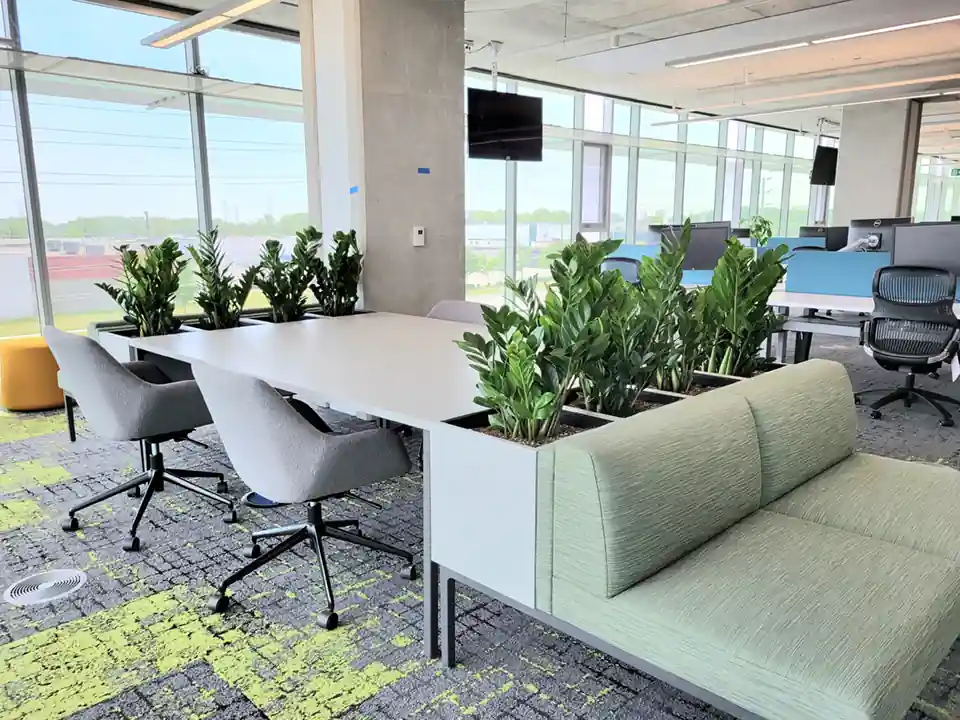
Nutrient Sharing: The Underground Lifelines
Tropical plant species such as orchids and figs engage in exchanges of water, sugars, and minerals via mycorrhizal fungi—this symbiotic interaction ensures that even the most shaded areas receive the essential resources required for growth.
Beyond individual plant-fungus pairs, mycorrhizal networks facilitate nutrient and water sharing between vegetation and fungi alike, fostering mutual survival in soil with low nutrient content. Translating this to the workplace context: The collective sharing of resources, tools, and expertise enhances the overall resilience of the entire team.
Workplace Tip: Encourage resource pooling, like shared digital libraries or cross-training sessions, so everyone benefits and no one feels left in the nutrient-poor soil.
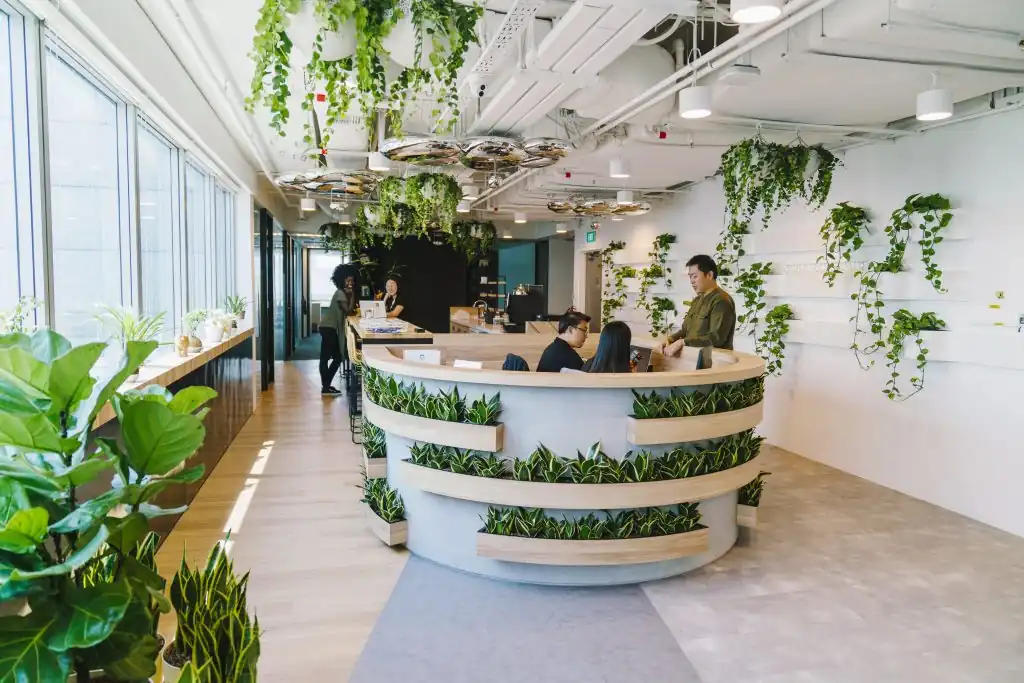
Biodiversity Balance: Harmony in Diversity
Tropical rainforests are renowned for their unparalleled biodiversity, encompassing everything from epiphytic flora to towering canopy trees. These rich ecosystems maintain remarkable stability, with every species fulfilling an indispensable function.
Vegetation serves as the linchpin for sustaining biodiversity, a factor that is crucial to both environmental equilibrium and the survival of countless organisms.
Workplace Tip: Champion diversity, equity, and inclusion initiatives that value unique perspectives, leading to innovative problem-solving and a sense of belonging for all.
Adaptive Resilience: Bending, Not Breaking
Whether buffeted by monsoon downpours or confronted with prolonged dry periods, tropical flora such as the bird of paradise adapt their foliage or root systems to weather the challenges, ultimately bouncing back even more resilient. Meanwhile, plants also modify their growth rhythms as a survival strategy to cope with drought conditions or shifts in climate.
Workplace Tip: Build flexibility into workflows, offering hybrid options or mental health days, so teams can pivot with grace during upheavals.
Quick Fact: Studies show offices with tropical plants can reduce employee stress by up to 15% and increase concentration—imagine the ripple effect on your daily vibe.
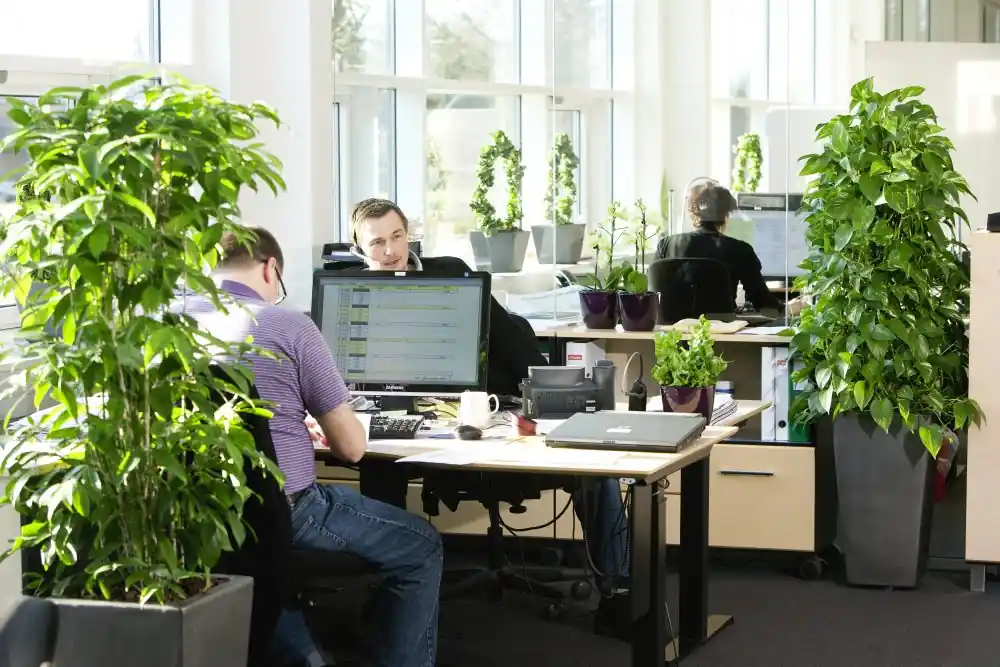
Unpacking Workplace Stress: Key Insights from the 2025 Report
We get it—work shouldn’t feel like a constant battle against overwhelm, yet for so many, it does. The good news? Data backs the need for change, and it’s more urgent than ever.
Lyra Health’s 2025 State of Workforce Mental Health Report, based on surveys of over 500 HR leaders and 7,500 employees across six countries, paints a clear picture: stress isn’t just personal; it’s a team and organizational imperative.
- 44% of employees named stress as their primary mental health hurdle last year—a trend echoed by 50% of benefits leaders, up 32% from 2023.
- 73% reported that work-related mental health issues directly impaired their performance, a sharp 24% rise year-over-year.
- Leading culprits? Excessive workloads (44%), staffing shortages (41%), and lack of recognition (33%). Beyond the office, financial pressures surged 27% in the U.S., with 63% of workers citing economic instability and 56% pointing to political unrest as mental health drags. Inequities amplify this: Women face higher financial stress (46% vs. 37% for men), while BIPOC employees grapple with identity-related strains and barriers to care.
These numbers aren’t just stats—they’re signals that compassionate action can turn the tide, much like how a well-tended tropical plant revives a weary room.
The 4 C’s: Your Blueprint for Compassionate Work Cultures
Just as a tropical forest relies on layered canopies for mutual protection, thriving workplaces need deliberate pillars of support. Enter the 4 C’s—a simple, heartfelt framework to weave empathy into everyday routines:
- Compassion: Start by truly seeing each other. A quick “How are you holding up?” can validate struggles and open doors to real talk.
- Communication: Prioritize transparent updates and listening sessions to build trust and nip misunderstandings in the bud.
- Consideration: Honor boundaries with flexible hours or no-meeting Fridays, respecting that life outside work matters deeply.
- Care: Roll out accessible resources like counseling apps or peer support groups, ensuring they’re inclusive for every team member.
Implementing these isn’t about grand overhauls—it’s about small, consistent acts that echo the nurturing roots of tropical plants, fostering environments where everyone can leaf through challenges lighter.

Actionable Steps to Safeguard Against Burnout
Burnout doesn’t announce itself with fanfare; it creeps in like morning mist. But with proactive steps, inspired by nature’s quiet efficiencies, you can clear the air. Here’s a practical roadmap, grounded in evidence:
Pinpoint and Tackle Stress Triggers
Run anonymous pulse surveys quarterly to uncover pain points—then act swiftly, whether reallocating tasks or hiring support. Remember, addressing root causes head-on prevents the “drought” from spreading.
Redesign Roles for Balance and Meaning
Craft job descriptions that blend challenge with achievable wins, incorporating growth opportunities to keep motivation blooming.
Empower Leaders with Wellness Know-How
Invest in training for managers to spot burnout signs—like withdrawal or irritability—and champion open conversations. Tools like role-playing workshops make it approachable.
Streamline Access to Support Services
Democratize benefits with on-demand therapy sessions or financial wellness webinars, tailored to diverse needs including cultural sensitivities.
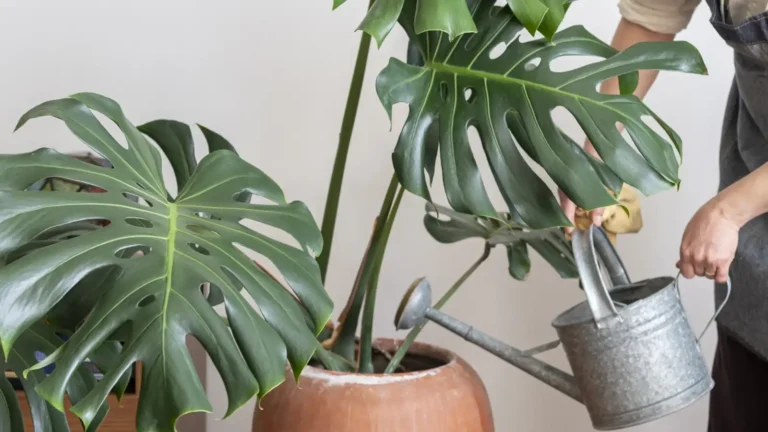
And don’t overlook the green uplift: Integrating low-maintenance tropical plants, such as snake plants or peace lilies, into break areas has been shown to lower cortisol levels and spark creativity. As plant enthusiasts, we recommend starting small—perhaps a cluster of monstera in the lobby—to create those restorative pockets that recharge without overwhelming your space.
Cultivating a Thriving Workplace Oasis
At the end of the day, just as no tropical plant flourishes solo—relying instead on sun-dappled companionship and shared soil—our workplaces bloom brightest when connection is the norm. We’ve unpacked how these green teachers illuminate paths to better communication, resource sharing, diversity, and adaptation, all while spotlighting the stark realities of stress from Lyra’s latest insights.
Key takeaways? Prioritize the 4 C’s, root out burnout proactively, and let tropical plants be your allies in crafting calming, productive havens. Whether you’re a busy professional craving calm or a leader aiming to uplift your team, remember: growth happens in the gentle give-and-take. Take a moment today—step outside, tend to a houseplant, or chat with a coworker. Your well-being, and theirs, deserves that sunlight.
FAQ
How do tropical plants specifically help with workplace mental health?
Tropical plants like philodendrons purify air, reduce noise, and evoke calming biophilic effects, lowering anxiety by 15-20% in studies—perfect for high-stress offices.
What are the top signs of burnout in a team, and how can plants help?
Watch for fatigue, irritability, or disengagement. Greenery creates restorative breaks, boosting mood via natural endorphins and encouraging informal chats.
Can adding tropical plants to an office really improve productivity?
Yes—research shows plant-filled spaces cut absenteeism by 10% and enhance focus, as the visual respite from screens refreshes cognitive load.
How do I choose low-maintenance tropical plants for a busy workspace?
Opt for forgiving varieties like ZZ plants or pothos; they thrive in indirect light and need watering just weekly, fitting seamlessly into any routine.
What’s the best way to integrate the 4 C’s with plant-inspired wellness?
Pair compassion with plant care workshops, communication via green-themed team huddles, and care through accessible therapy—turning your space into a living support system.