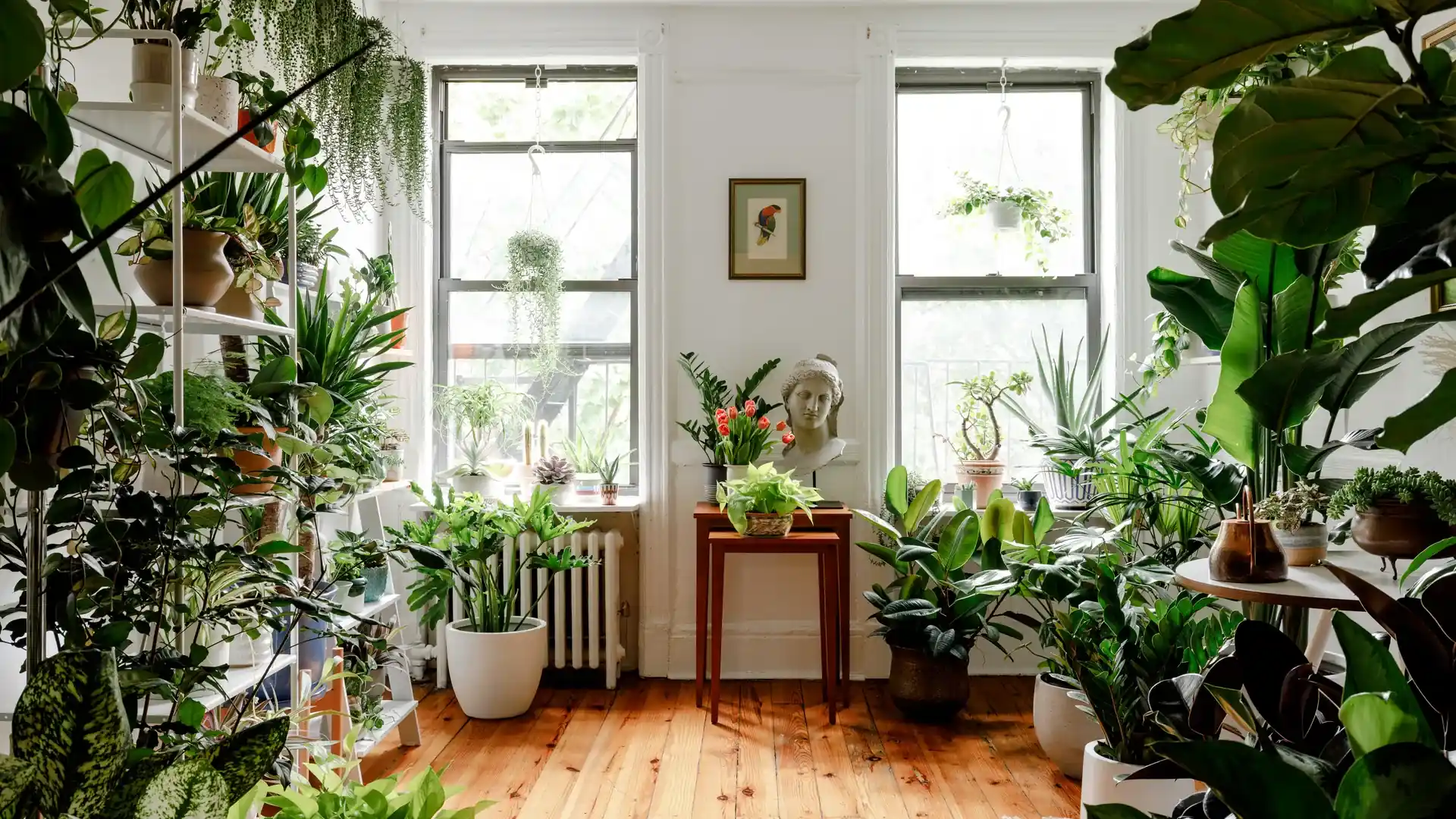
Bringing a touch of the tropics into your home shouldn’t come with the hassle of unwanted pests. If you’ve ever stared at a wilting leaf only to spot tiny invaders, you’re not alone—many of us feel that pang of frustration when our green dreams get derailed.
But here’s the good news: nature has gifted us with resilient tropical wonders that naturally ward off bugs, making indoor gardening feel like a gentle breeze rather than a battle. As fellow plant lovers, we get it—starting small and building confidence is key.
In this guide, we’ll explore 12 pest-resistant indoor plants that thrive with minimal fuss, helping you create a lush, bug-free sanctuary that nurtures your soul and your space.
These tropical and subtropical stars aren’t just tough; they’re practical allies for busy lives. Ready to reclaim your indoor oasis? Let’s dive in.
Why Choose Pest-Resistant Indoor Plants?
Before we meet our green guardians, a quick reality check: pests love cozy homes as much as we do, but selecting bug-repelling houseplants flips the script. Their thick, leathery leaves or aromatic oils make them unappealing snacks for insects, reducing your need for chemicals. Plus, many hail from humid tropical realms, so they double as air purifiers, filtering out toxins for a fresher feel.
Do pest-resistant plants really work? What the experts say: Do Indoor Houseplants Truly Keep Pests? Expert Insights for Greener Homes
Quick Fact: According to NASA’s Clean Air Study, plants like these can remove up to 87% of airborne pollutants in a sealed chamber over 24 hours—ideal for urban dwellers craving that rainforest calm.
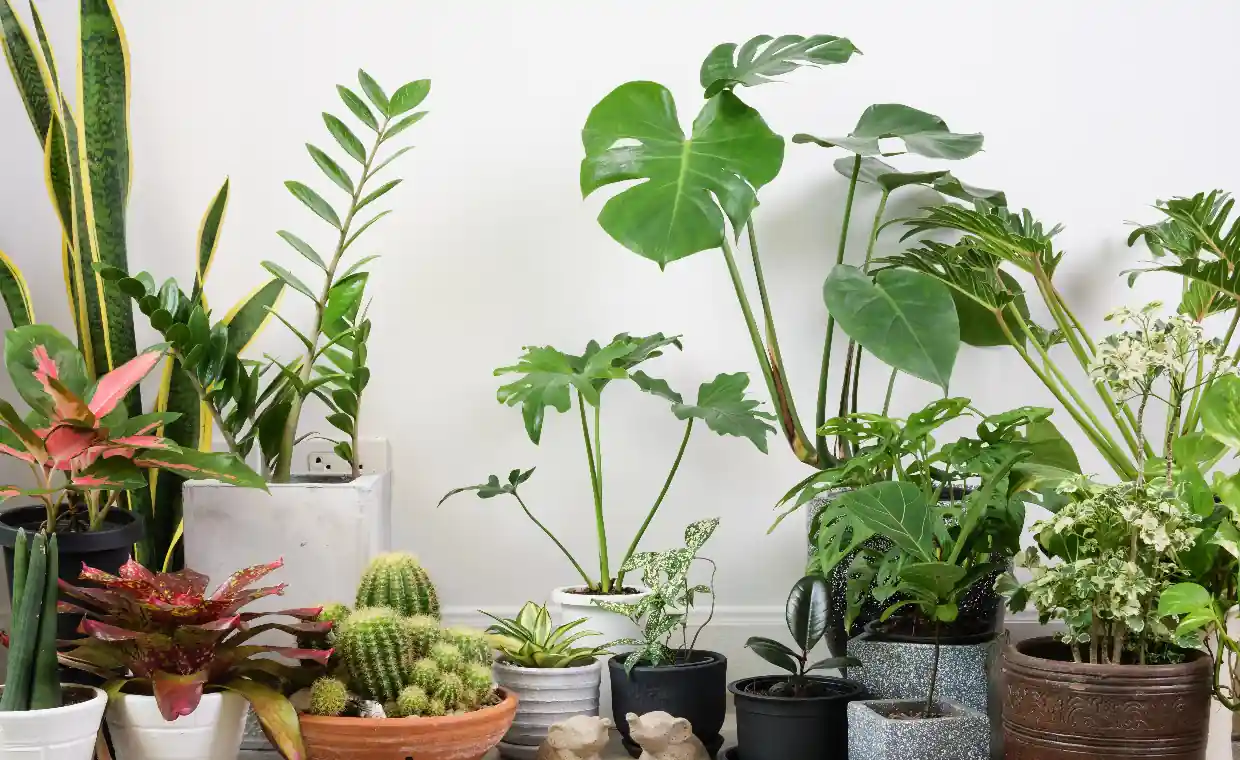
Safety First: Navigating Toxicity in Tropical Houseplants
Empathy alert: If furry friends or tiny hands are part of your world, toxicity is a heartfelt concern. Many pest-resistant picks have natural defenses that aren’t pet-friendly, so we’ll flag safe options throughout. For peace of mind, opt for non-toxic varieties or elevate plants out of reach. Always consult resources like the ASPCA’s plant toxicity list for specifics.
Reminder: A key factor contributing to the pest resistance of these houseplants lies in the natural toxicity of their foliage. Consequently, the majority of these plants are also harmful to animals—and occasionally even young children. Therefore, if you own pets or have infants and toddlers who may be prone to chewing on plants, it’s crucial to verify which varieties are safe and which are hazardous for your little ones and furry companions.
Now, let’s spotlight our top 12. Each is beginner-approved, with tips tailored for real-life success.
Top 12 Pest-Resistant Indoor Plants for Bug-Free Bliss
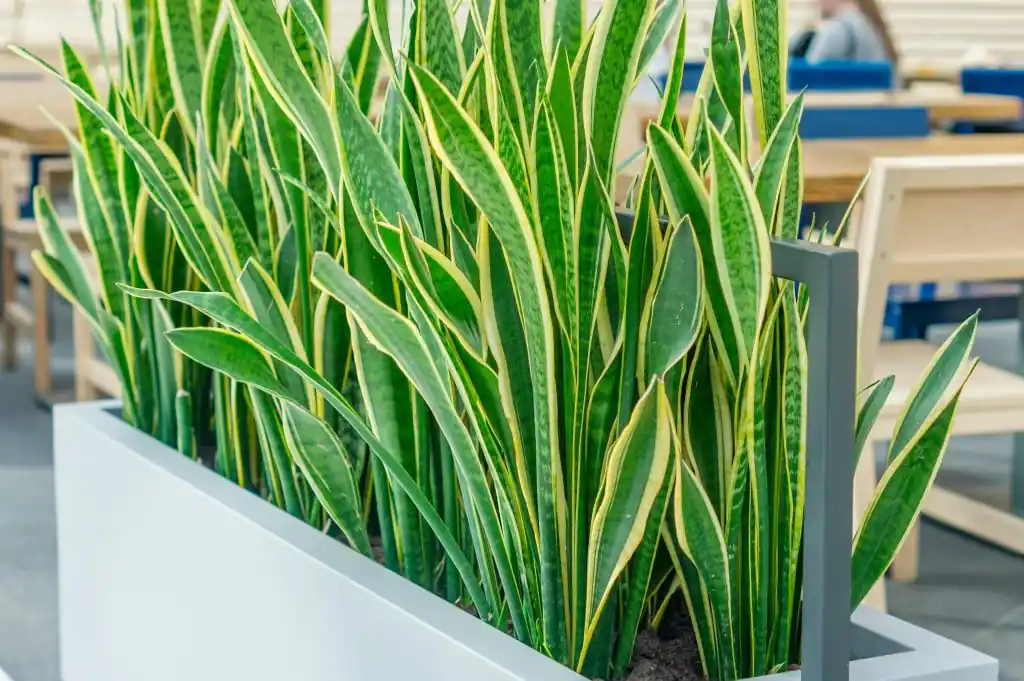
1. Sansevieria (Snake Plant or Mother-in-Law’s Tongue)
Known by the common names mother-in-law’s-tongue and snake plant, sansevierias stand out as some of the hardiest, pest-repellent houseplants available. To put it plainly, if you manage to kill one, you might just be a plant-killing expert!
Characterized by their thick, leathery foliage, these plants boast striking variegated patterns in shades of cream, yellow, and green. They grow in a rigid, upright manner and can attain heights of several feet. While sansevierias thrive in bright, sunny locations, they are remarkably adaptable and can flourish in almost any light condition.
The key to their care? Avoid overwatering at all costs—this is practically the only surefire way to harm them. Watering once every 10 days is more than sufficient, and during the winter months, this can be reduced to just once a month. These versatile plants make excellent statement pieces when potted in a sleek, tall container, or you can group multiple specimens for a more lush display.
They add a refreshing pop of greenery to workspaces without demanding constant attention. It’s important to note, however, that sansevierias are toxic, so it’s crucial to prevent pets and children from chewing on them.
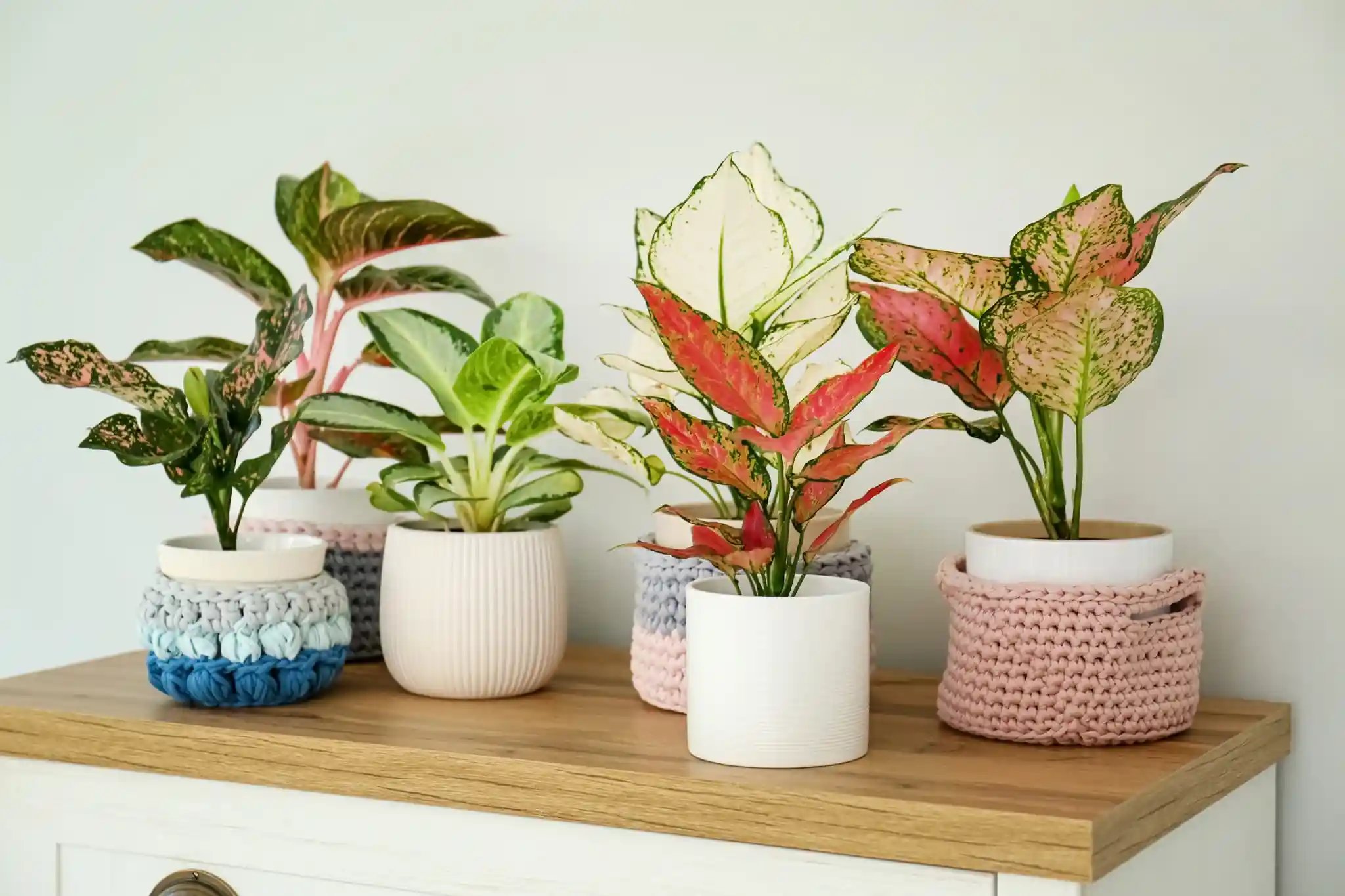
2. Aglaonema (Chinese Evergreen)
Meet the Aglaonema—an incredibly resilient houseplant that boasts exceptional disease resistance and tends to deter most pests. Adorned with beautifully variegated green foliage, it produces elegant white blooms reminiscent of calla lilies. Following these flowers, the plant develops green berries that gradually ripen into a vibrant red-orange hue.
One of its most notable traits is its remarkable adaptability to light conditions. A useful rule of thumb: varieties with more silver or yellow variegation in their leaves thrive with brighter light, while those with deep green foliage can flourish in shaded areas.
However, direct sunlight is a definite no-no for this plant. Interestingly, placing it under a ceiling floodlight that stays on for six to eight hours daily means it barely relies on natural light at all.
This light versatility, combined with its bold coloration and distinctive leaf patterns, makes the Aglaonema a top pick for our company when we aim to introduce eye-catching visual appeal to office environments.
In terms of care, the Aglaonema favors warm temperatures and appreciates a humid atmosphere. Watering it once every seven days to keep the soil slightly moist works well, and occasional dry spells are perfectly tolerable. The biggest threat to this plant? Drafts.
If you notice yellowing leaves on your Aglaonema, chances are it’s been exposed to harsh drafts—relocating it to a new spot should help. It’s also important to note that the Aglaonema is toxic to pets, so it’s advisable to keep it out of their reach or opt for this plant only in pet-free households.
3. Bromeliads
A top pick for pest-resistant indoor greenery at Good Earth Plant Company – bromeliads are truly standout houseplants!
Boasting over 2,000 distinct species, this family even includes pineapples – though we don’t advise growing pineapple plants at home. Instead, opt for the numerous decorative cultivars that are widely available commercially.
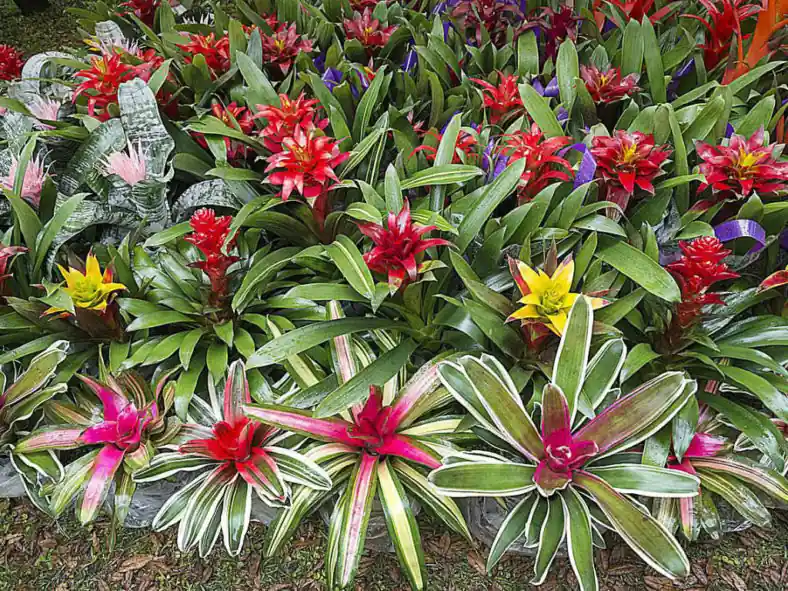
Characterized by their thick, succulent foliage, bromeliads feature leaves that curl upward to form a central cup, essentially a built-in tiny natural basin.
Thanks to these tough leaves, insects steer clear (they dislike munching on such rigid foliage), and the plants are rarely plagued by diseases. Their foliage showcases a vibrant spectrum of colors, adding instant visual appeal.
Thriving in indirect light (and even tolerating artificial lighting), bromeliads don’t require direct sunlight to survive. However, brighter indirect light will enhance the richness of their leaf hues.
When light levels are low, avoid keeping water stagnant in the central cup, and ensure the potting soil stays only slightly damp. For watering, simply fill the central “cup” whenever the soil appears dry – it doesn’t get simpler than that! In winter, keep the plant drier; notably, bromeliads can go weeks without water and still thrive.
Perfect for both homes and offices, these plants infuse any space with colorful vitality. And here’s another big plus: bromeliads are among the rare non-toxic houseplants, making them a fantastic choice for households with pets or kids!
4. Aspidistra Elatior (Cast Iron Plant)
Chances are, you can figure out the story behind the “Cast Iron” plant’s name—it’s as tough as nails, and that’s putting it mildly! This hardy foliage thrives in practically any environment, holding its own against extreme temperatures (both hot and cold), inconsistent watering (whether overdone or neglected), dusty surroundings, and even low-light spaces.
What’s more, it’s a true pest-resistant powerhouse.
When it comes to ideal care, the Cast Iron plant prefers cool, filtered sunlight and soil that stays consistently moist. The key is to water it deeply once the soil dries out completely, then let it be—no fussy follow-ups needed.
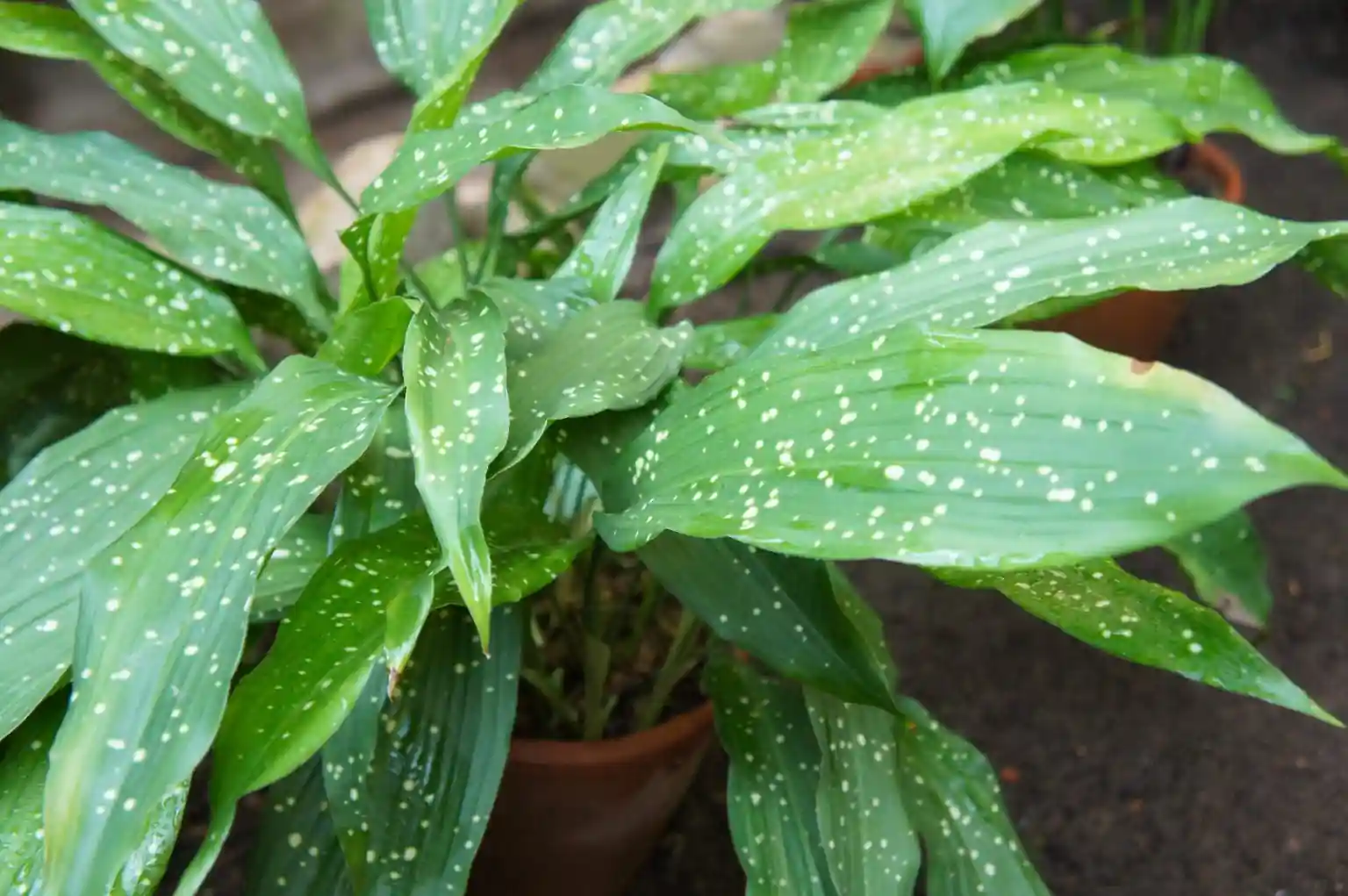
Botanically, there are more than 93 documented species of this plant. Most feature glossy, deep green leaves that can reach lengths of up to 24 inches. Propagating it from cuttings is also a breeze: Simply snip a leaf along with a portion of its roots, plant the cutting in potting soil, and before long, you’ll have a brand-new specimen.
One final perk? The Cast Iron plant is completely non-toxic, making it a safe choice for homes with pets or kids.
5. Cissus (Grape Ivy or Kangaroo Vine)
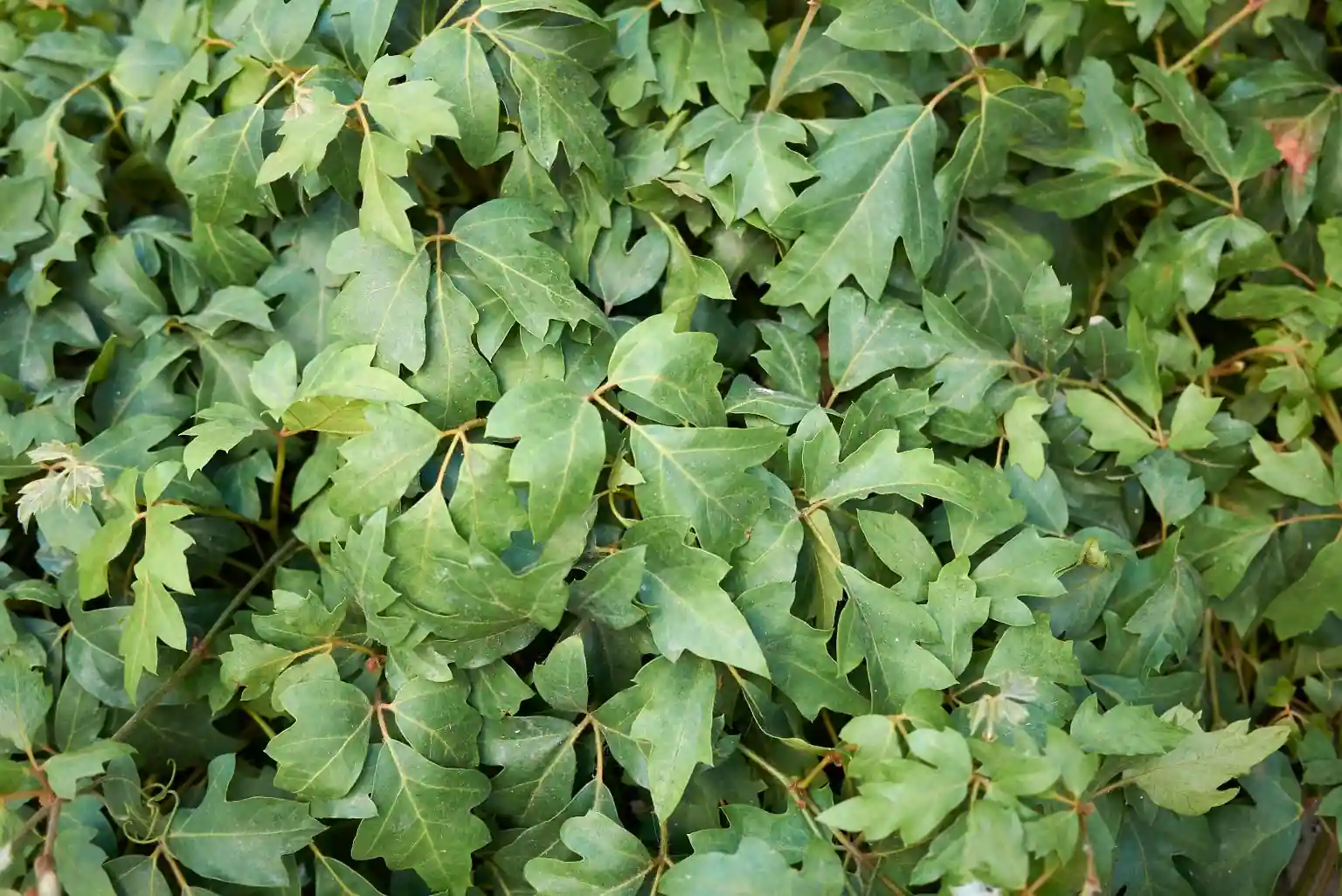
Known alternatively as grape ivy or kangaroo vine, the cissus is yet another pet-friendly and child-safe plant option. It exhibits remarkable adaptability to cooler environments and breezy areas, though direct sunlight is best avoided—beyond that, it thrives in most conditions.
Being a notably vigorous climber, it’s important to clear any objects in its vicinity that it could latch onto for support. Featuring delicate small green foliage, this plant also complements decorative planters beautifully, flourishing nicely in such settings.
6. Coleus Blumei
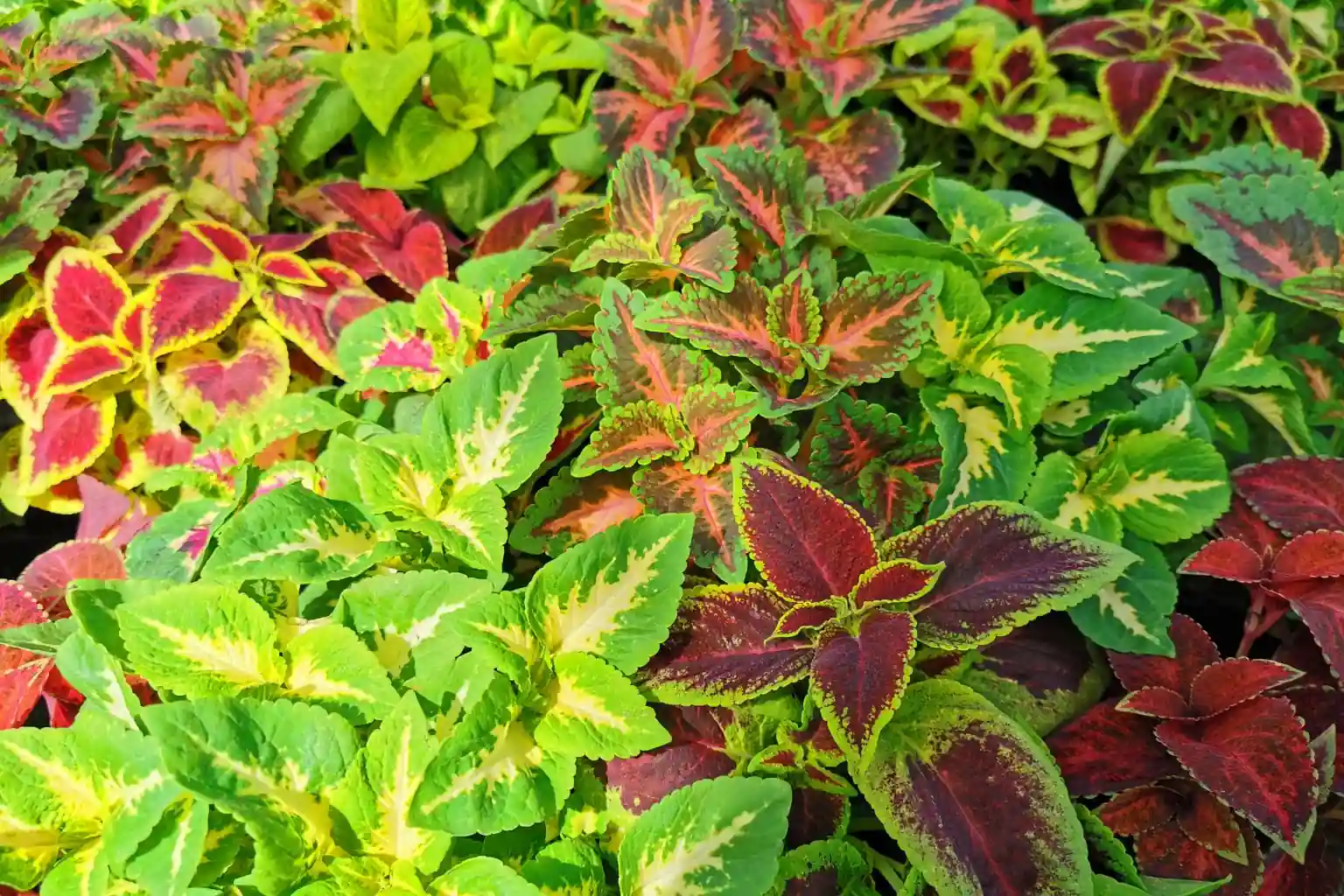
Renowned for its vibrant, wild foliage that showcases an almost full spectrum of rainbow hues, this Coleus variety thrives in bright sunlight and requires consistently moist soil—making it an ideal choice for gardening enthusiasts who enjoy reaching for the watering can regularly. Boasting thick, leathery leaves, it’s quite resilient to insect infestations, as pests tend to avoid the extra effort needed to feed on such tough foliage.
While completely non-toxic to humans, this particular Coleus should be kept out of pets’ reach, as ingestion can quickly cause illness in animals.
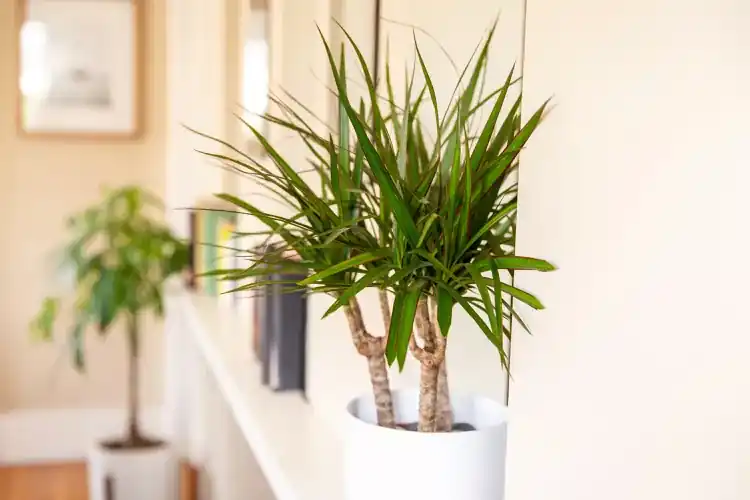
7. Dracaena
It’s likely that you’re acquainted with these tall, resilient plants. Boasting long, spear-like leathery foliage, they exhibit a diverse range of color patterns—think yellow or cream-speckled, white-striped, burgundy-edged, and solid green varieties.
Thriving indoors is a breeze for them, as they can endure even suboptimal environments, as long as they aren’t completely neglected. Dracaenas thrive in ample filtered light, and certain types adapt remarkably well to fluorescent lighting too.
When it comes to watering, maintain moist but not waterlogged soil. These plants have a penchant for humid surroundings, making them ideal additions to kitchens or bathrooms. While their leathery leaves act as a natural insect repellent, it’s important to note that they are toxic to pets.
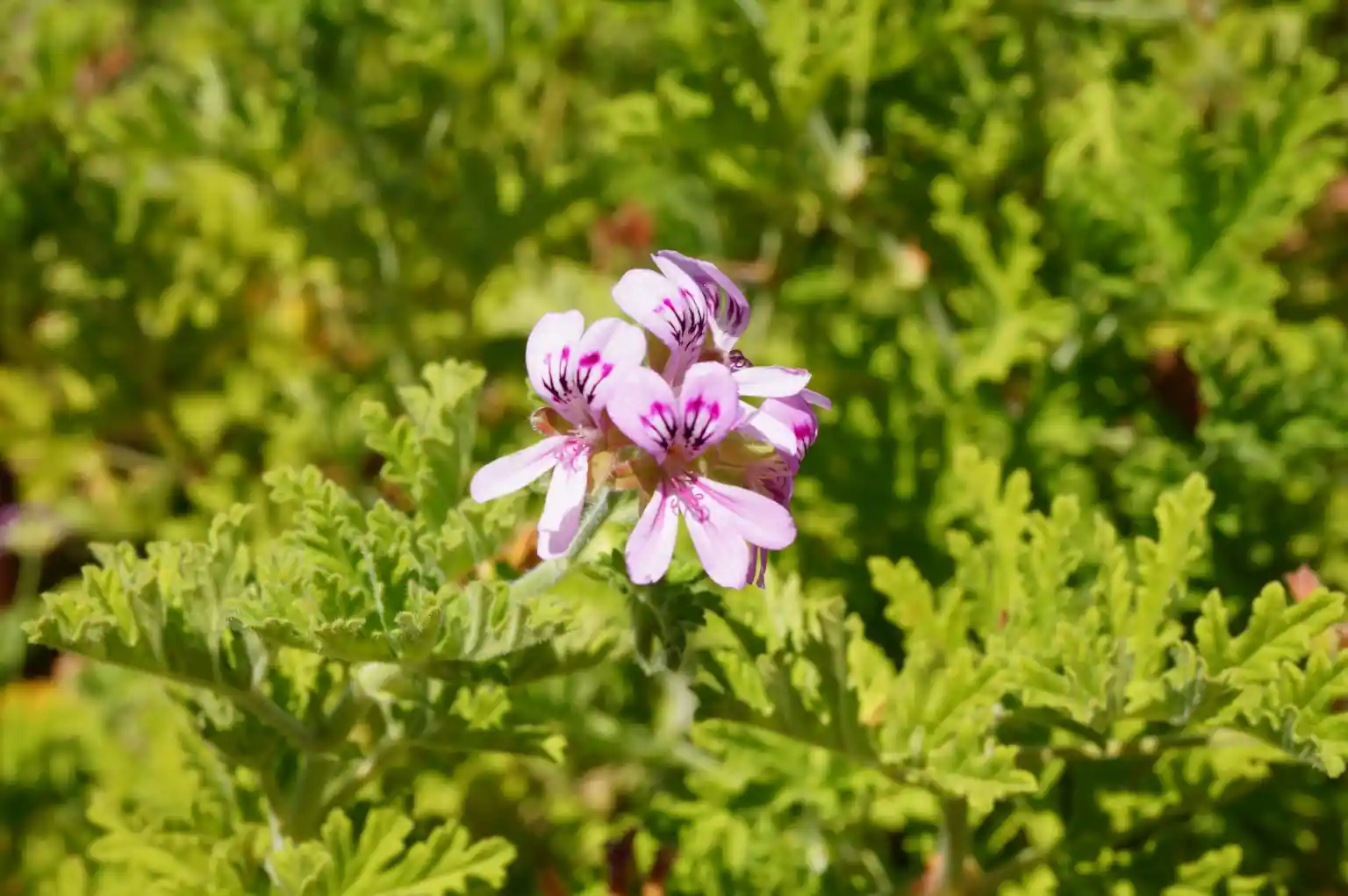
8. Citronella Plant (Mosquito Plant)
Belonging to the geranium family, this particular plant is a hybrid cultivar developed by a Dutch botanist through crossing African geraniums with Citronella grass.
A standout feature of this plant is its leaves, which emit a distinct citronella scent—known for its natural mosquito-repelling properties. For on-the-spot protection, simply crush a leaf and apply the residue to your skin to ward off mosquitoes naturally.
Versatile in terms of cultivation, it thrives as an indoor plant and typically reaches a height of around one foot. It also boasts excellent adaptability to light conditions, tolerating everything from full sunlight to partial shade.
Beyond indoor growth, it’s a fantastic choice for potted planting on porches or patios, adding both greenery and practical mosquito defense. The foliage of the Citronella plant carries a potent citrusy fragrance, serving as an effective, all-natural deterrent against mosquitoes.
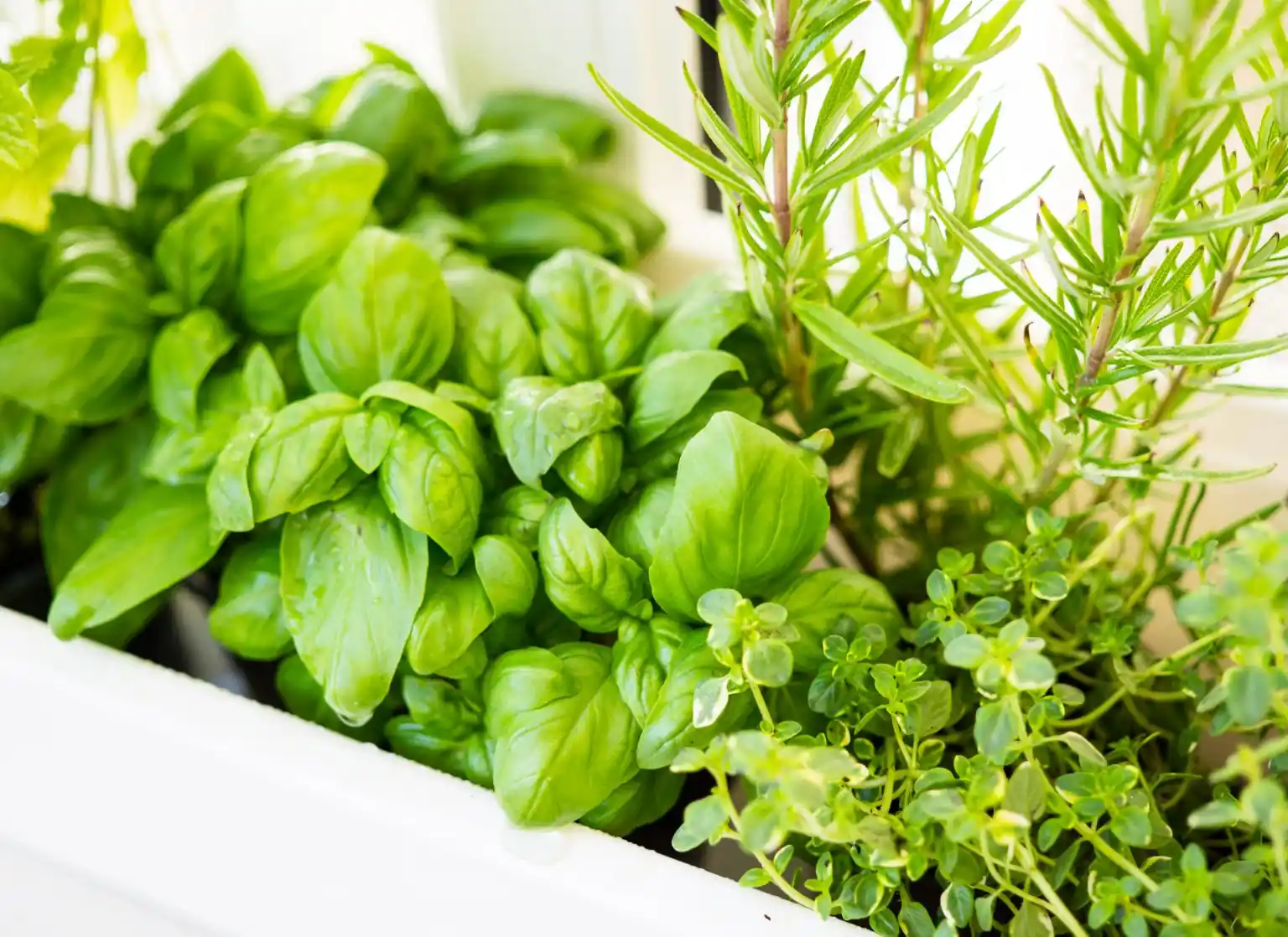
9. Culinary Herbs (Basil, Mint, Chives)
Most culinary herbs boast potent aromatic compounds and essential oils that act as a powerful deterrent to the majority of garden pests. Varieties like basil, chives, chamomile, and mint are particularly effective at warding off insects—mosquitoes included.
While nearly all herb types available at garden centers thrive when planted together in rectangular planters, mint is a notable exception. This vigorous grower is highly invasive, often outcompeting and displacing neighboring plants, so it’s best cultivated in its own separate container.
In general, cooking herbs demand ample sunlight and well-draining soil to flourish. Cultivating them on a sunny kitchen windowsill is not only enjoyable but also convenient, as you can readily harvest fresh sprigs for cooking or brewing herbal teas. These herbs are naturally non-toxic, though it’s wise to prevent pets from consuming them excessively.
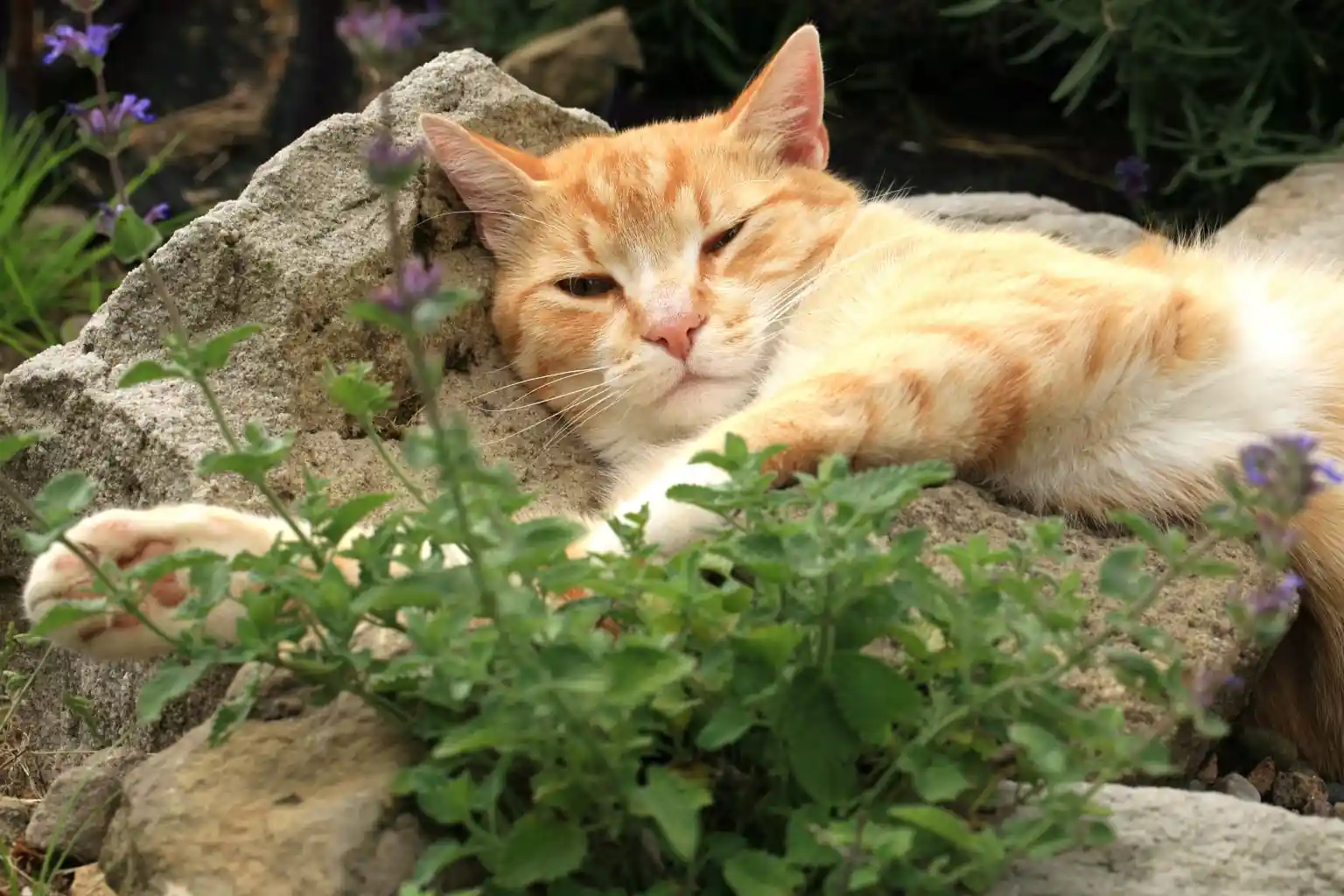
10. Catnip (Nepeta cataria)
For all the feline enthusiasts out there, I’ve added catnip to the mix! Scientifically known as Nepeta cataria, this plant houses a key compound called nepetalactone — the very substance that sends cats into a playful frenzy.
Surprisingly enough, it also works wonders as a natural cockroach repellent! Resembling familiar culinary herbs in appearance, catnip thrives in the same bright, sunny environments. It typically reaches a height of around six inches.
To utilize its pest-deterrent properties, grow it in a container and prune the foliage regularly. You have two easy application methods: either sprinkle a light dusting of the trimmed leaves in areas where you want to ward off roaches, or simmer small portions of the plant in water to create a homemade spray. Simply transfer this solution to a spray bottle and apply it to corners and baseboards.
A word of caution, though — while this spray will keep cockroaches at bay, it’s sure to spark excitement in your feline friends, making them eager to play! On the plus side, catnip is completely nontoxic to humans and other household pets.
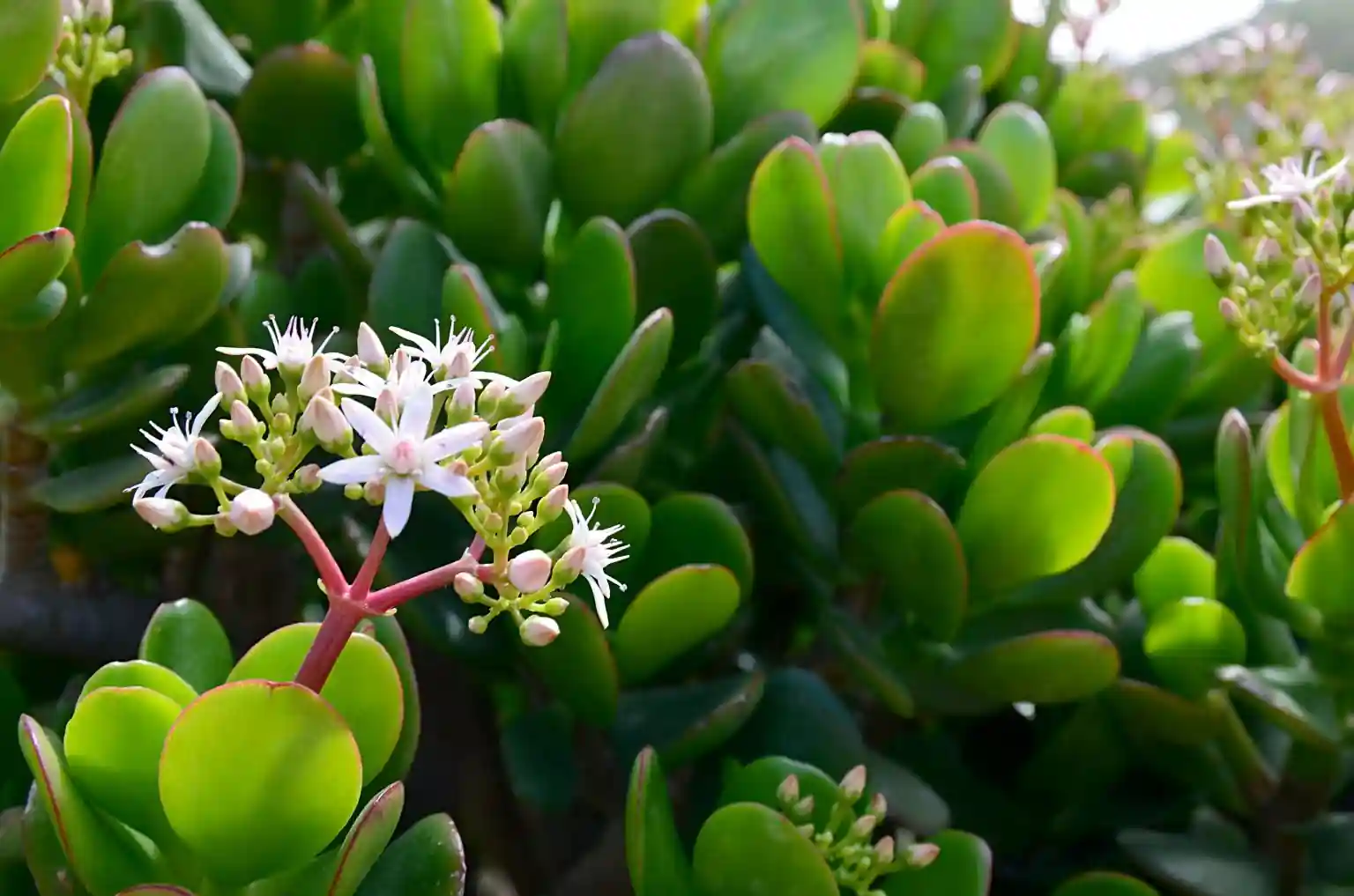
11. Crassula Arborescens (Jade Plant)
You’re probably familiar with the jade plant — a popular succulent available in a wide range of varieties and color variations.
What unites all these types is their sleek, plump succulent foliage, which insects steer clear of thanks to the plant’s toxic, unpalatable sap. Jade plants are notably fast-growing; in fact, they often outgrow their pots surprisingly quickly.
The upside? You can prune them quite aggressively without causing harm, and even propagate new jade plants from the cuttings.
These low-maintenance plants are quite adaptable: while they thrive in sunlight, they can also grow well in medium light conditions. A windowsill is their ideal growing spot, and they’re highly temperature-tolerant, able to withstand most climate conditions indoors.
To keep your jade plant in top shape, regular repotting is recommended. However, a crucial note for pet owners: jade plants are toxic to cats and dogs, so they should be kept out of your furry companions’ reach.
12. Venus Flytrap (Dionaea muscipula)
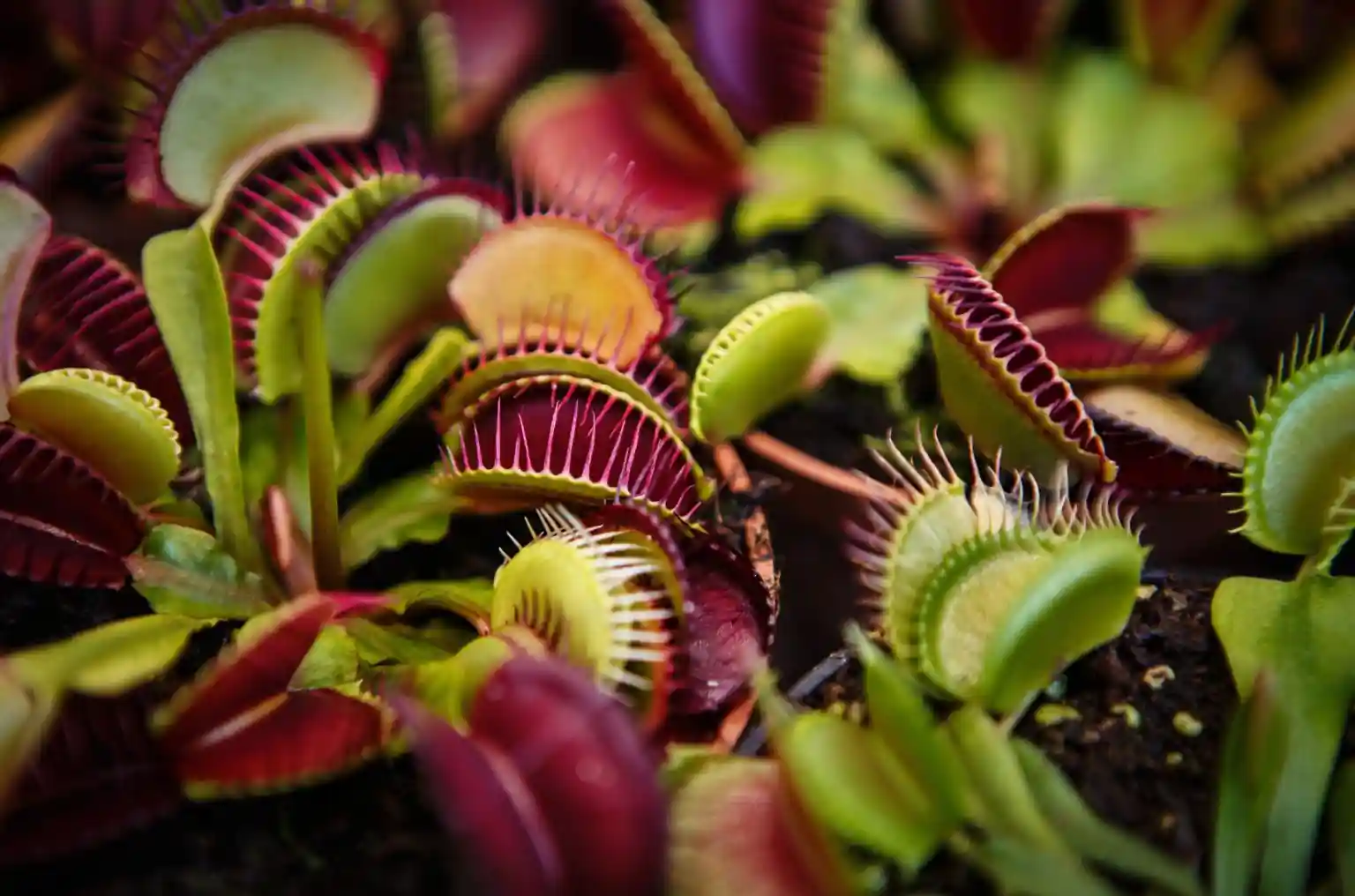
It’s safe to say carnivorous plants aren’t exactly bug magnets! Take the Venus Flytrap (scientific name Dionaea muscipula) – this unique species hails from the wetland regions along the East Coast, particularly the Carolinas.
Its leaves feature a specialized trapping mechanism, activated by the delicate hairs covering their surfaces. When an insect lands on or scurries across the leaves and brushes against one of these hairs, the trap begins to close.
But here’s the fascinating part: if a second touch occurs within roughly 20 seconds, the leaf snaps shut with surprising speed – it’s quite a sight to behold! The plant then proceeds to break down and digest its insect prey.
This clever adaptation evolved because the Venus Flytrap’s native damp soil is low in nitrogen, a vital nutrient. The plant compensates for this deficiency by extracting nutrients from insects. Growing up to around six inches in height, these plants are surprisingly easy to cultivate indoors.
What’s more, they’re actually effective at keeping flies and gnats at bay! They thrive in sunny spots with consistently moist soil. I picked one up on a spur of the moment at Home Depot recently – I’m curious to see how it fares. Maybe a terrarium would be the perfect home for it?
Cultivate Confidence with These Tropical Defenders
Whew—what a lineup of pest-resistant indoor plants to spark your tropical adventure! From the indestructible snake plant’s quiet strength to the Venus flytrap’s quirky hunt, these bug-repelling houseplants prove that easy care and natural pest control go hand in hand.
Start with one that speaks to your space—maybe a low-light aglaonema for that shady nook—and watch your confidence bloom alongside it. Remember, they’re not just pretty; they purify air, lift moods, and connect us to wilder worlds.
Small wins today lead to a thriving jungle tomorrow— you’ve got this, plant friend.
FAQ
Are pest-resistant indoor plants truly bug-proof?
Not entirely, but their natural defenses—like tough leaves or scents—make them far less appealing to common pests like aphids or spider mites. Pair with good airflow for best results.
Which pest-resistant indoor plants are safe for pets?
Opt for bromeliads, cast iron plants, cissus, culinary herbs, catnip, and Venus flytraps—they’re non-toxic and worry-free for curious cats or dogs.
How do I care for tropical pest-resistant houseplants in low light?
Choices like snake plants, Chinese evergreens, and cast iron plants excel in dim spots. Water sparingly and use grow lights if needed to mimic their native understory.
Can bug-repelling houseplants improve indoor air quality?
Absolutely—many, like dracaenas and snake plants, filter VOCs and boost oxygen, per NASA’s research, creating a healthier, fresher home environment.
What’s the easiest pest-resistant indoor plant for beginners?
The snake plant (Sansevieria) tops the list—drought-tolerant, low-light flexible, and nearly impossible to kill, making it a gentle entry to tropical greens.