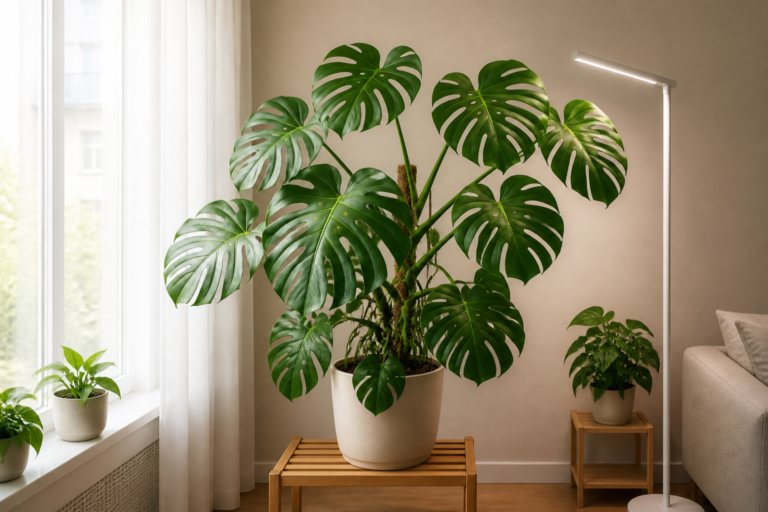
Have you ever stared at a cherished fiddle leaf fig or monstera, only to spot those tiny unwelcome visitors creeping in? It’s heartbreaking, isn’t it? Those aphids or mites can turn your serene indoor oasis into a battleground, and no one wants to reach for harsh chemicals right away.
The good news? Nature might have your back with some everyday houseplants that naturally deter pests. As someone who’s spent years nurturing tropical beauties and chatting with fellow enthusiasts, I know how rewarding it feels to find simple, safe ways to keep your greens thriving.
We spoke with experts to get their take on a simple, nontoxic method of pest control: growing insect-repellent plants. So you can breathe easier and enjoy your plants better.
Understanding How Indoor Houseplants Repel Pests
Imagine your home as a cozy jungle for your tropical treasures—vibrant, humid, and full of life. But just like in the wild, pests can hitch a ride. The magic behind pest-repelling houseplants lies in their natural defenses: aromatic compounds, like essential oils, that release scents insects simply can’t stand.
These volatile goodies—think the zesty punch of citrus or the fresh kick of herbs—work like invisible shields. Insects rely heavily on smell to navigate, and certain aromas scream “stay away!” For instance, it’s no secret that lavender’s soothing floral notes keep moths at bay in closets, much like how they can protect your potted palms indoors.
But here’s the empathetic truth: no single trick is a silver bullet. If you’re dealing with a full-blown mite party on your peace lily, pairing these plants with gentle care routines can make all the difference. We reached out to trusted voices in the field to unpack this—because you deserve advice that’s practical and proven, not just promising.
Meet Our Plant-Savvy Experts
- David Price, an entomologist and certified pest control specialist with Mosquito Joe, brings his bug-battling wisdom to help us decode insect behaviors.
- Mary Jane Duford, a master gardener, passionate houseplant collector, and founder of Home for the Harvest, shares her hands-on tips from years of turning homes into thriving green spaces.
Quick Fact: Did you know that over 80% of houseplant owners face pest issues at least once a year? You’re not alone—let’s arm you with knowledge to turn the tide.
Top Indoor Houseplants That Naturally Repel Pests
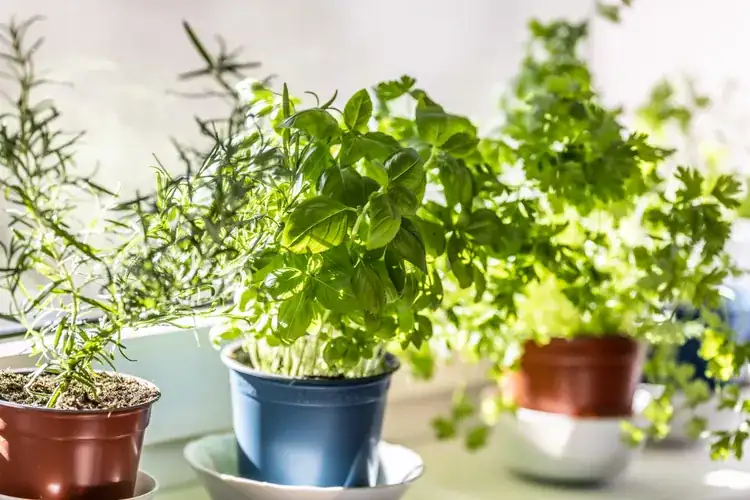
When it comes to building a pest-resistant indoor garden, especially with tropical staples like calatheas or philodendrons, choosing the right companions matters. Outdoor gardens love a scatter of thyme or oregano for their pest-pushing powers, but indoors? We need sun-lovers that thrive in your windowsill setup—aim for at least five hours of bright, indirect light to keep them happy.
Not all fragrant friends are created equal, though. Rosemary might chase flies but could invite spider mites if they’re lurking nearby. Basil is a whitefly warrior, yet it might draw aphids to the party. The key? Select wisely to avoid swapping one pest for another. Here’s a curated list of reliable indoor options that experts endorse for repelling common houseplant foes like aphids, mealybugs, thrips, and mites:
- Mint Varieties (Peppermint, Spearmint, Chocolate Mint): David Price swears by mint’s menthol magic—it repels aphids, whiteflies, ants, and even rodents. Plus, it’s forgiving in partial shade and adds a refreshing aroma to your space. Pro tip: Keep it in its own pot; mint loves to spread like wildfire!
- Lavender: This sun-kissed herb deters a broad spectrum of insects with its calming yet potent oils. Ideal for brighter spots, it’s a tropical gardener’s dream for edging out moths and fleas. Just ensure good drainage to mimic its Mediterranean roots.
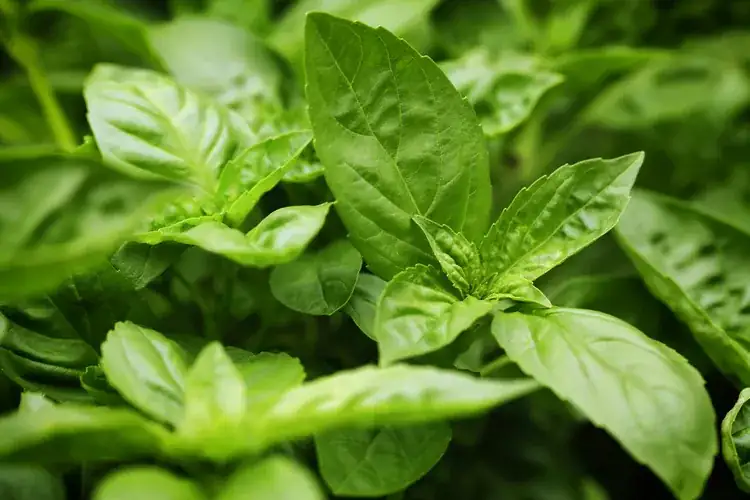
- Basil: A go-to for whiteflies and mosquitoes, basil brings Italian flair to your indoor herb corner. Grow it near your tomatoes or peppers (if you have them inside) for extra synergy, but monitor for aphids.
Other honorable mentions include lemongrass for its citrusy mosquito-repelling vibe and catnip, which fends off squash bugs and aphids while delighting your feline friends.
For complete coverage of pest-resistant houseplants, check out: Pest-Resistant Indoor Plants: Tropical Gems That Deter Bugs Naturally.
Quick Comparison Table: Pest-Repelling Power at a Glance
| Plant | Key Pests Repelled | Light Needs | Bonus Perk |
|---|---|---|---|
| Mint | Aphids, whiteflies, ants | Partial sun | Rodent deterrent, easy grow |
| Lavender | Moths, fleas, general bugs | Full sun (5+ hrs) | Relaxing scent for you! |
| Basil | Whiteflies, mosquitoes | Bright indirect | Culinary use in meals |
These picks aren’t just pretty faces—they’re practical allies for your tropical plant collection, helping maintain that humid, lush vibe without the bug drama.
Want to stay ahead of the curve? Our free newsletter delivers great content like this straight to your inbox every week—like tips for tackling yellowing leaves or tricks for brighter blooms.
Do These Pest-Repelling Houseplants Actually Work? Real Talk from Pros
I get it—after a tough week, the last thing you need is false hope about your indoor jungle. So, does surrounding your snake plant with mint really keep thrips from crashing the scene? The short answer: Yes, but it’s part of a bigger picture.
Mary Jane Duford nods enthusiastically to lavender, mint, and basil as solid deterrents, especially against flyers like whiteflies. To address this, he proposes the implementation of sound plant hygiene protocols, including the maintenance of a clean cultivation environment, the sanitization of gardening implements and containers, and the avoidance of potting soil reuse. Such measures, according to his analysis, play a vital role in reducing the incidence of pests and plant diseases.
David Price echoes this, emphasizing mint’s broad appeal but urging a multi-layered approach. Pests thrive in chaos, so why not create harmony instead?

Essential Prevention Pairings for Lasting Results
To boost your success rate and keep those tropical fronds frill-free, weave in these empathetic, everyday habits:
- Hygiene Heroes: Wipe leaves weekly with a damp cloth, sterilize tools with rubbing alcohol, and refresh potting soil annually—old soil is a pest playground.
- Swift Spotting: Inspect new plants (quarantine them for two weeks!) and act fast at the first sign of trouble. A quick neem oil spritz can nip issues in the bud.
- Strategic Placement: Tuck repellents near vulnerable spots, like your humidifier zone for ferns, or by windows where flies sneak in.
- Entryway Guardians: As warmer days approach, pot up lavender or basil outside doors—it’s like a welcoming mat that says “bugs, buzz off.”
Remember, every plant parent has faced a setback—it’s how we grow stronger together.

Wrapping Up: Your Path to a Pest-Free Indoor Paradise
You’ve got this—nurturing indoor houseplants that repel pests isn’t about perfection; it’s about creating a nurturing nook where your greens (and you!) can flourish. Key takeaways? Embrace aromatic allies like mint, lavender, and basil for natural deterrence, but layer them with spotless habits and quick responses for unbeatable protection. Whether you’re safeguarding a sun-loving croton or a shade-tolerant pothos, these strategies keep things practical and peaceful.
My recommendation? Start small: Grab a mint starter today and place it near your most-loved tropical. Watch how it transforms your routine into a ritual of joy.
FAQ
Can indoor houseplants like mint really repel aphids without chemicals?
Absolutely—mint’s menthol naturally deters aphids, whiteflies, and ants. Place it near affected plants for best results, and combine with leaf inspections for full efficacy.
What’s the best light for pest-repelling herbs indoors?
Most, like lavender, need 5+ hours of bright, indirect sun. Mint thrives in partial light, making it forgiving for various windowsills.
Will basil attract other pests if I use it for whitefly control?
It might draw aphids if they’re already around, so monitor closely. Opt for mint as a safer, broader repellent.
How do I prevent pests from entering my home in the first place?
Seal cracks, use screens, and station pots of lavender or basil at entryways. Quarantining new plants helps too.
Are there tropical-specific plants that repel indoor pests?
Yes! Lemongrass repels mosquitoes effectively in humid setups, pairing well with your monstera or bird of paradise.