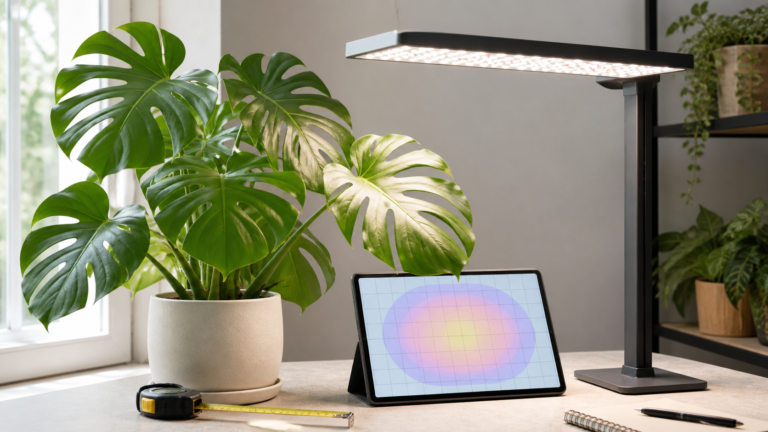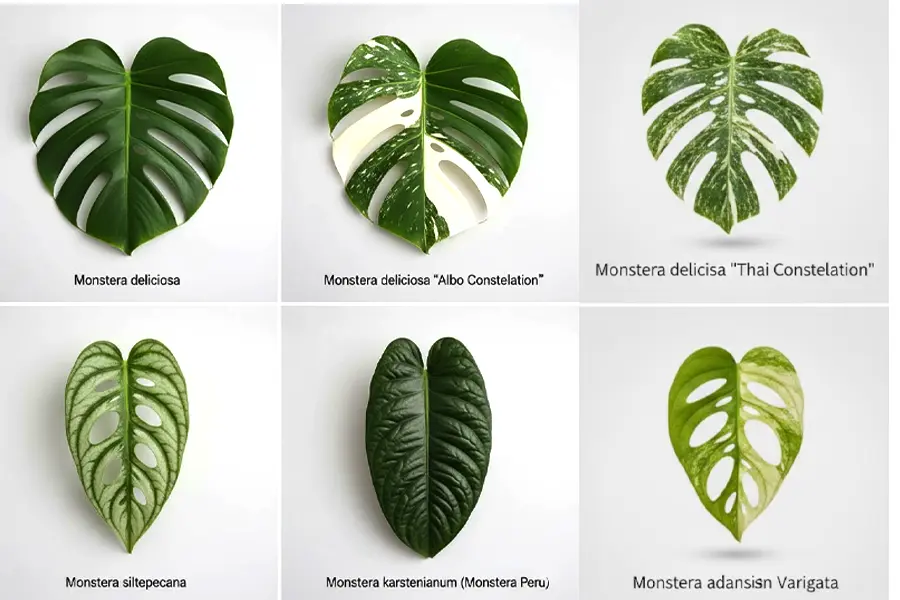
As plant lovers at Tropical Plant Kit, we’ve learned that few genera spark as much fascination as Monstera. Whether it’s the architectural leaves of Monstera deliciosa, the jewel-like texture of M. karstenianum, or the elusive variegation of Albo, this genus covers an extraordinary range of forms—climbers, shinglers, split leaves, fenestrated leaves, and even species that change shape dramatically from juvenile to adult stages.
Although there are 48–50 officially recognized Monstera species, only around 15–20 commonly enter the ornamental market, and even fewer become mainstream houseplants. In this guide, we focus on the 10 most popular and widely grown varieties, blending botanical insight, practical care knowledge, and firsthand experience from raising Monsteras in our own studio (100+ tropical plants and counting… we really couldn’t help ourselves). If you’re already comfortable with aroids and want to challenge yourself with rare, high-value plants, you can explore our Top 10 Rare and Expensive Monstera Varieties (We will update next week), where we break down the collector species in detail.
Since this article is strictly about variety recommendations, we won’t cover watering, soil mixes, humidity, or troubleshooting here. For growing instructions, feel free to read our Complete Monstera Care Guide for Indoor Growers, which explains everything from light and substrate to moss poles and repotting.
Now, let’s look at the Monstera varieties that make the best first choices—and why they’re so well-loved by beginners.
Table of Contents
1. Monstera deliciosa
The quintessential Monstera—what most people imagine when they think “Swiss cheese plant.”
Botanical & Morphological Notes
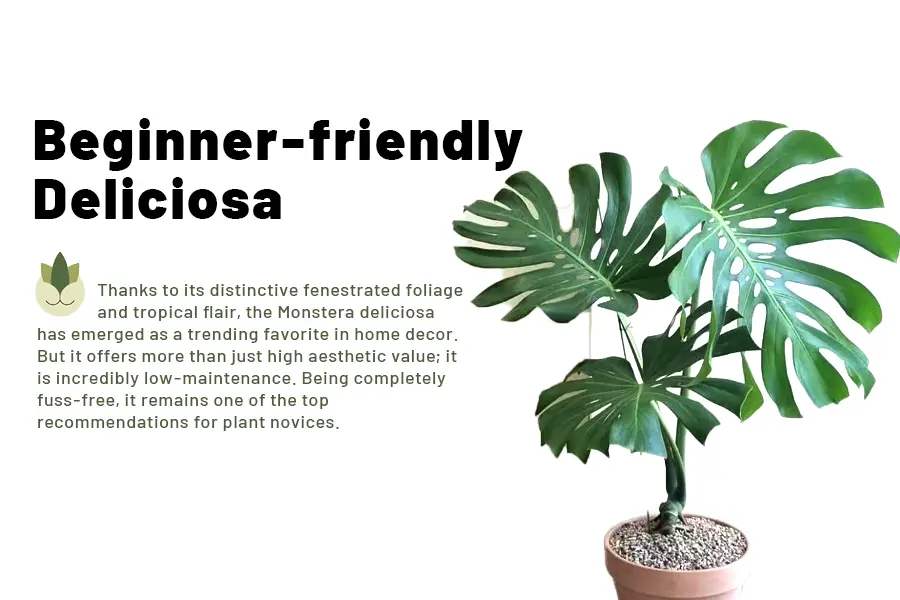
Monstera deliciosa was described in 1840 and remains the most widely cultivated species. Large, glossy, heart-shaped leaves develop splits and holes as the plant matures. The species produces an edible fruit in the wild, giving rise to the name “deliciosa.”
Identification
• Deeply cut lobes with perforations
• Thick petioles with a ruffled petiole sheath
• Larger leaves in bright light; smaller leaves in low light
Indoor Growth Behavior
This species adapts exceptionally well to indoor life, provided it has bright indirect light and a structural support. Without climbing support, it becomes sprawling and irregular.
Care Notes
• Prefers airy mixes (orchid bark + perlite + potting soil)
• Benefits from moss pole support to maintain symmetry
• Responds quickly to fertilizer during active growth
Collector Notes
Many confuse juvenile deliciosa with Borsigiana (now considered a smaller form rather than a separate species).
2. Monstera deliciosa ‘Thai Constellation’
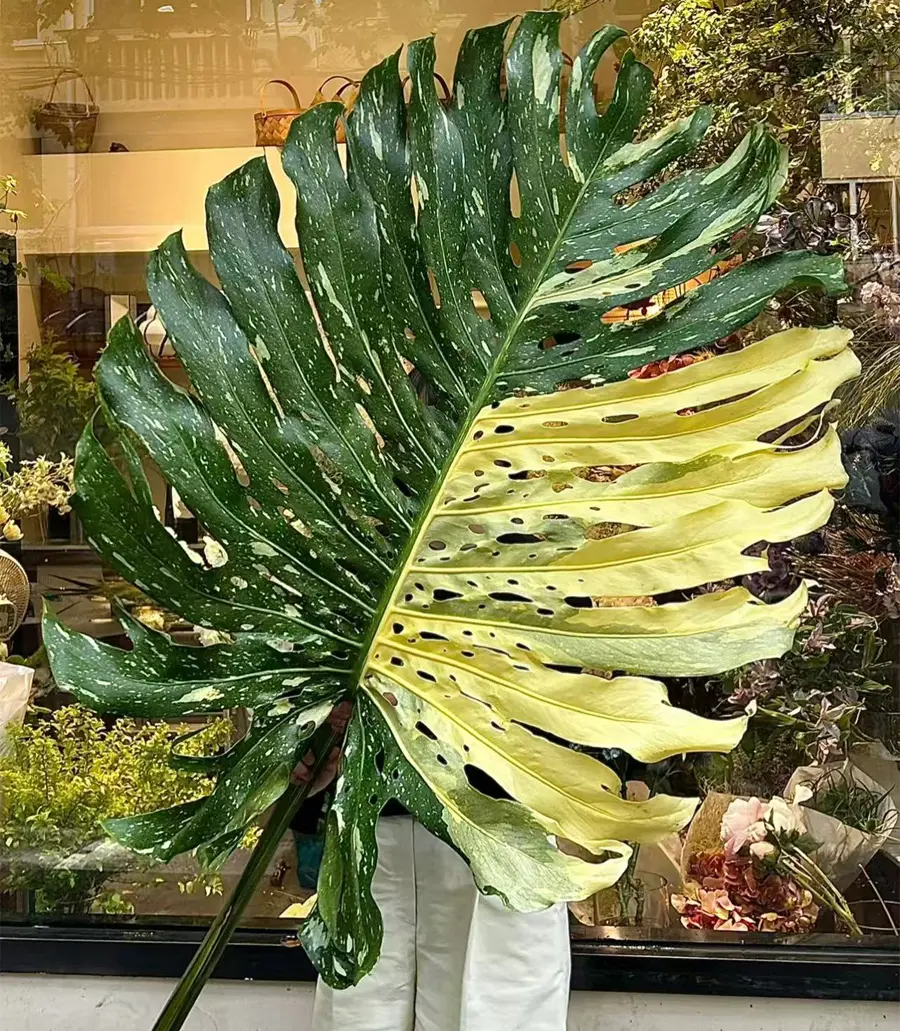
A tissue-culture variegated form with creamy marbling reminiscent of scattered stars.
Botanical Background
Developed via tissue culture in Thailand (hence the name), this cultivar is genetically stable, making its variegation uniform and predictable compared to spontaneous mutations.
Identification
• Cream-yellow speckles and marbling
• Larger leaves than Albo
• Consistent variegation even on new shoots
Indoor Behavior
Slower than standard deliciosa, but still vigorous if given high light and a strong climbing structure.
Care Notes
Because variegated sections contain fewer chloroplasts:
• Provide more light (but avoid direct midday sun)
• Maintain slightly warmer temperatures
Collector Notes
Stable, resilient variegation makes it beginner-friendly for those entering the variegate world.
3. Monstera deliciosa ‘Albo Variegata’
Unpredictable, dramatic, and prized—this is one of the most recognizable variegated Monsteras.
Botanical Background
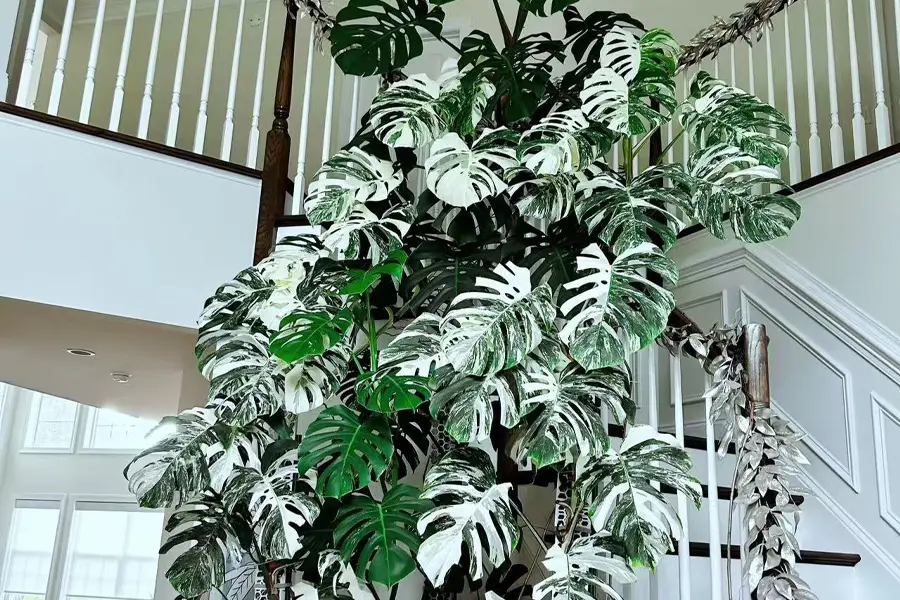
This is a chimeric variegation (not tissue culture developed), meaning it arises from genetic mutations. Variegation is unstable—some nodes revert, others produce high-white leaves.
Identification
• Large white patches and sectors
• High-contrast marbling
• Strongly variegated stems
Indoor Behavior
Slower growing and more sensitive to low light than Thai Constellation.
Care Notes
• Requires very bright light to support white foliage
• Avoid too many all-white leaves (risking sunburn or early leaf death)
Collector Notes
Every cutting has unique pattern potential. This unpredictability is exactly why collectors love it.
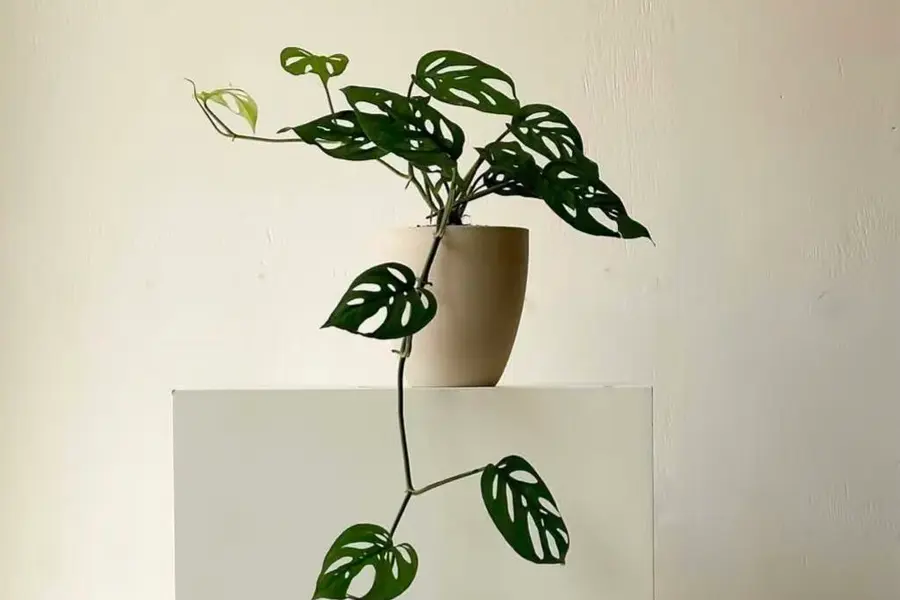
4. Monstera adansonii
The “Swiss cheese vine.” Beautiful holes, smaller leaves, and huge popularity among beginners.
Botanical Notes
Widespread across Central and South America, with multiple subspecies and forms.
Identification
• Many oval holes
• Vining habit
• Thinner foliage compared to deliciosa
Indoor Behavior
Grows quickly, especially when climbing. Hanging growth leads to smaller leaves; climbing increases leaf size and fenestration.
Care Notes
• Enjoys moisture but dislikes compact soil
• Responds extremely well to moss poles
Collector Notes
Subspecies like adansonii laniata or adansonii narrow form add even more variations in leaf shape.
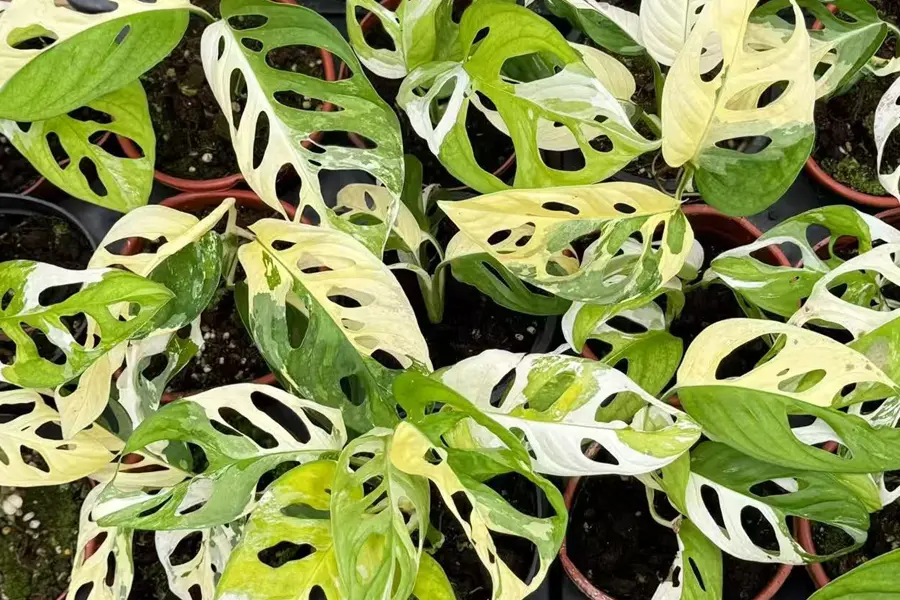
5. Monstera adansonii Variegata
A high-demand variegated version of adansonii.
Identification
• Creamy or white marbling
• More delicate structure
• Slower growth
Indoor Behavior
Much more sensitive than green adansonii; needs stronger light and humidity to maintain variegation.
Care Notes
• Prioritize stable humidity (60–75%)
• Provide climbing support for larger leaf development
Collector Notes
Patterns vary wildly—flakes, half-moons, mottling. High-white forms require careful balance of light and hydration.
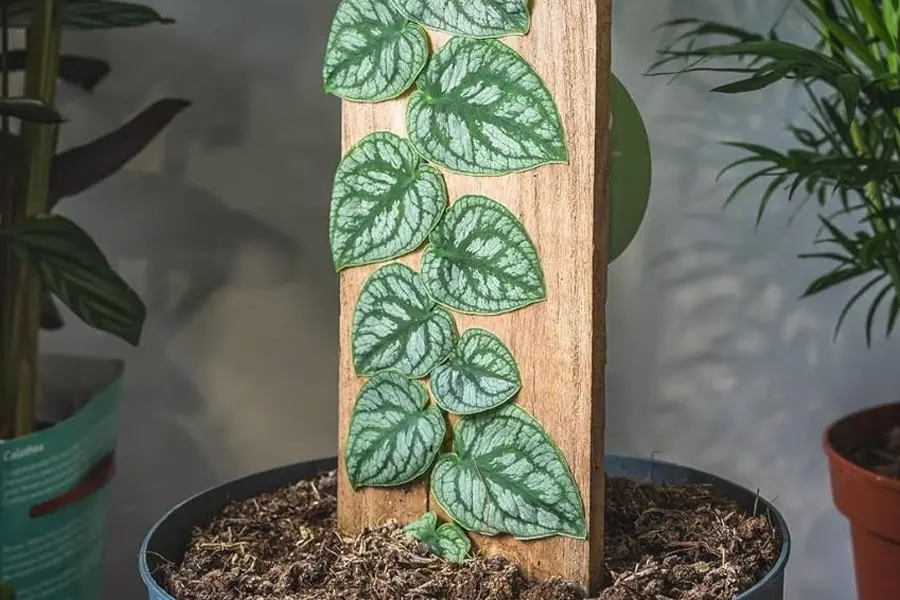
6. Monstera dubia
A dramatic shingling species that undergoes one of the most striking juvenile-to-adult transformations.
Botanical Notes
Found growing flat against tree trunks. Leaves only fenestrate when the plant reaches higher light near the canopy.
Identification
• Juvenile: flat, heart-shaped, silver-patterned leaves
• Mature: perforated, larger leaves lifting off the surface
Indoor Behavior
Requires a board or tree-like surface for true shingling. Without it, leaves become spaced out and lose their shingle effect.
Care Notes
• Bright light for maturity
• Maintain stable moisture but avoid oversaturation
Collector Notes
Many growers never see the adult form indoors—but with strong vertical light and a textured board, it is achievable.
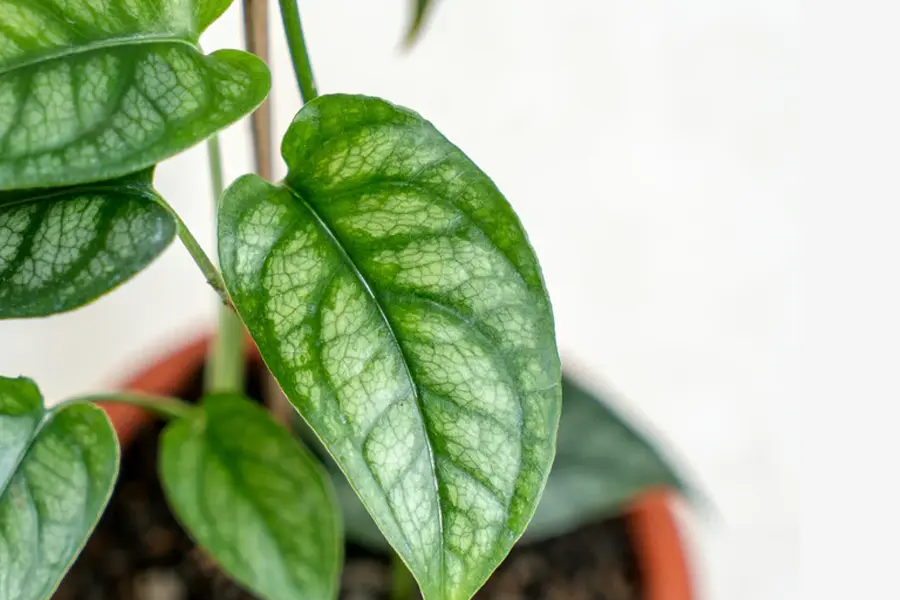
7. Monstera siltepecana
A silver-veined, fast-growing climber with distinct juvenile and adult phases.
Identification
• Juvenile: small blue-silver leaves with dark veins
• Mature: larger, greener leaves with partial fenestrations
Indoor Behavior
Extremely fast growing; will climb eagerly given nearly any support.
Care Notes
• Benefits from poles, planks, or mesh
• Requires pruning to maintain shape
Collector Notes
Affordable, easy, and visually rewarding—often used as an introduction to climbing aroids.
8. Monstera standleyana (Albo / Aurea)
Often mislabeled as a Philodendron, but truly a Monstera.
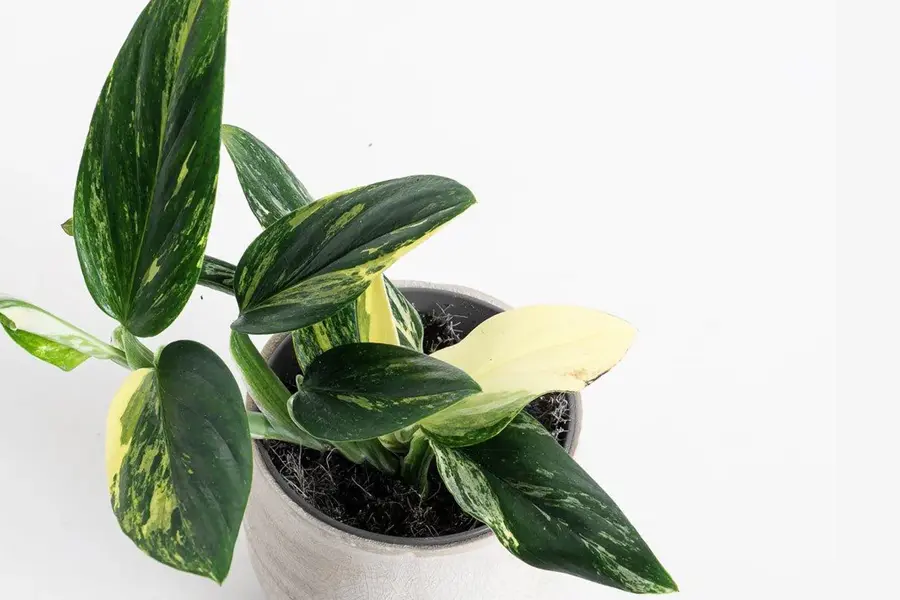
Identification
• Elongated, lance-shaped leaves
• Streaked or speckled variegation
• Non-fenestrated foliage
Indoor Behavior
Prefers to climb; foliage remains small without support.
Care Notes
• Provide bright light for variegated cultivars
• Avoid overwatering—this species dislikes soggy soil
Collector Notes
The Aurea (yellow variegation) and Albo (white variegation) forms are both popular but less dramatic than deliciosa variegates.
9. Monstera pinnatipartita
A species that transforms from plain juvenile leaves to deeply split adult leaves.
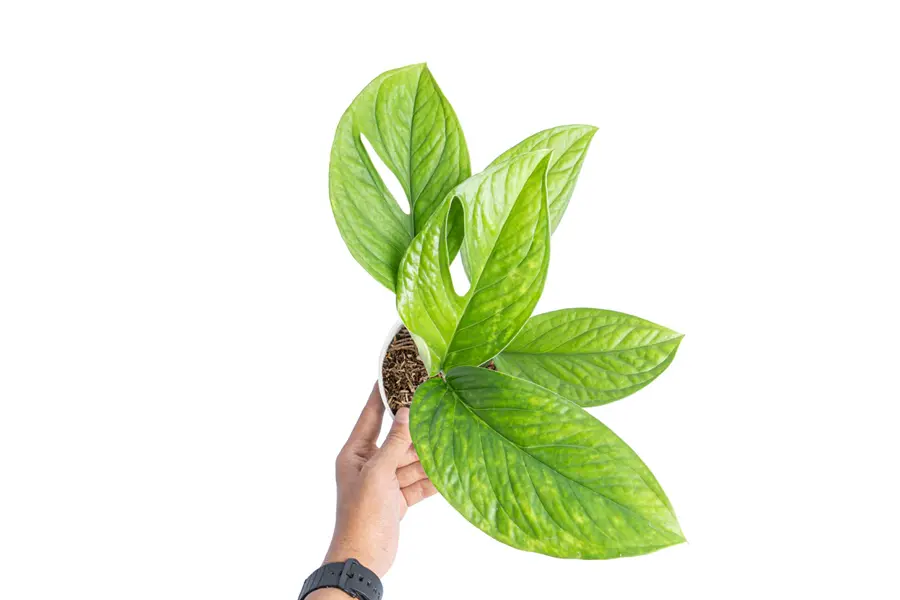
Identification
• Juvenile: solid leaves resembling Cebu Blue Epipremnum
• Adult: pinnate splits similar to palm fronds
Indoor Behavior
Needs strong light and a tall climbing structure to reach adult morphology. When conditions are ideal, transformation is dramatic.
Care Notes
• Keep humidity moderate to high
• Use a thick moss pole or wood board
Collector Notes
Often confused with Monstera Peru or immature forms of other species.
10. Monstera karstenianum (Monstera Peru)
A textured, non-fenestrated species with thick, corrugated leaves.
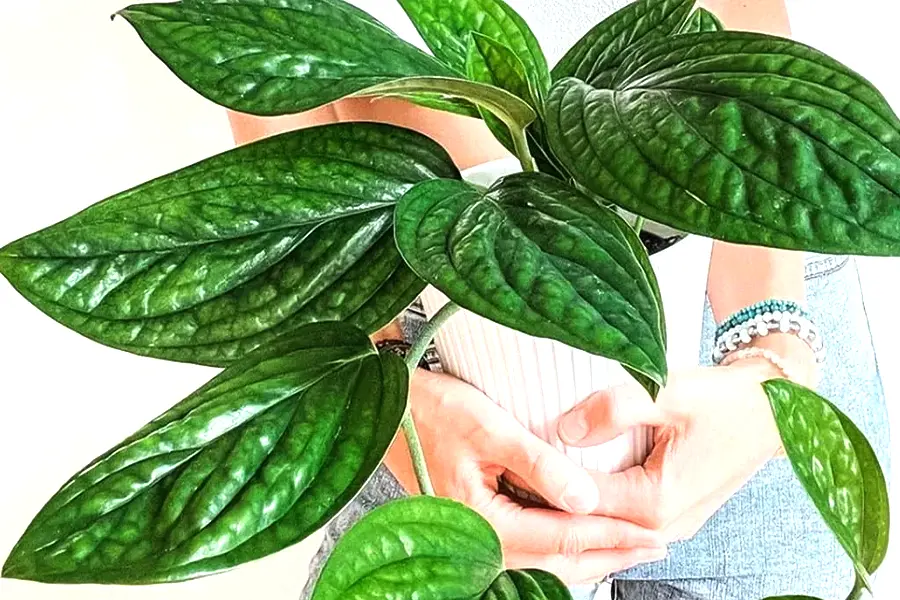
Identification
• Dark green, puckered, leathery leaves
• Compact internodes
• Climbing tropical vine
Indoor Behavior
One of the most tolerant Monsteras. Compact enough for small apartments.
Care Notes
• Prefers semi-moist substrate
• Benefits from a pole for larger leaf size
Collector Notes
No fenestrations—but its texture makes it visually unique in any Monstera collection.
Comparison Table: Popular Monstera Varieties at a Glance
| Variety | Growth Habit | Variegation | Beginner-Friendly | Light Demand | Notable Traits |
|---|---|---|---|---|---|
| M. deliciosa | Climber | None | Yes | Medium | Classic fenestrations, large leaves |
| Thai Constellation | Climber | Cream marbling | Yes | Medium–High | Stable variegation |
| Albo Variegata | Climber | White sectors | Moderate | High | Unpredictable, dramatic patterns |
| M. adansonii | Vine/Climber | None | Yes | Medium | Many holes; fast grower |
| Adansonii Variegata | Vine | Cream/white | No | High | Delicate variegation |
| M. dubia | Shingler | None | Moderate | Medium–High | Strong juvenile–adult transformation |
| M. siltepecana | Climber | None | Yes | Medium | Silver juvenile leaves |
| M. standleyana | Climber | White/Yellow | Moderate | Medium–High | Narrow leaves; streak variegation |
| M. pinnatipartita | Climber | None | Moderate | Medium–High | Strong fenestration in adulthood |
| M. karstenianum | Climber | None | Yes | Medium | Textured leaves, compact size |
Choosing the Right Monstera for Your Space
At Tropical Plant Kit, we often help beginners choose varieties based on their environment:
Best Monstera choice for Low-Maintenance Growers
• Monstera deliciosa
• Monstera adansonii
• Monstera karstenianum
Best Monstera choice for Small Spaces
• M. karstenianum
• M. siltepecana
• M. standleyana
Common Misunderstandings About Monstera Species
1. “My Monstera won’t split—what’s wrong?”
Usually not enough light or no climbing support.
Fenestrations are a maturity milestone, not a guarantee.
2. “Variegation means the plant is unhealthy.”
Not necessarily. Variegation simply reduces chlorophyll.
It needs more light—not more water.
3. “All Monsteras grow the same way.”
No. Shingling Monsteras behave completely differently from climbing ones.
For a deeper understanding of light requirements, see our Monstera care guide where we explain why window direction matters and how to size moss poles appropriately.