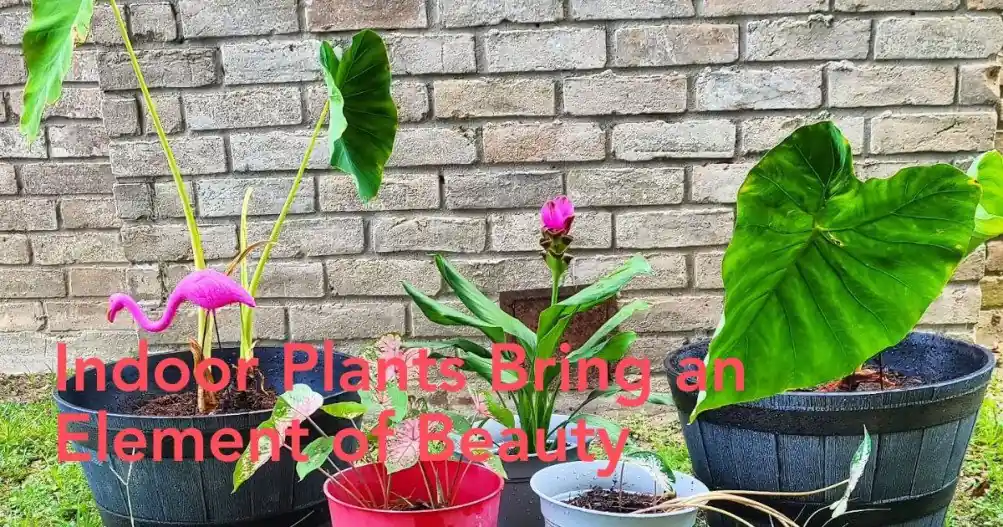
It’s widely known that indoor plants infuse our living spaces with beauty, a sense of calm, and cleaner air. Ranging from the large, vibrant foliage of monstera plants to the delicate trailing vines of pothos, these green companions are far more than mere decorative pieces.
However, when it’s time for a thorough deep clean, our leafy allies are frequently overlooked—or worse, damaged by harsh cleaning chemicals, sudden temperature changes, or trapped dust during the process.
Maintaining a neat home doesn’t have to come at the cost of your plants’ health. In fact, the deep cleaning period presents an excellent opportunity to give your greenery some extra care and attention.
With a bit of advance planning and simple protective measures, you can absolutely keep your home spotless without disrupting the natural growth cycle of your indoor plants.
As someone who’s spent years championing tropical plant care at TropicalPlant Kit, I’ve seen how a few thoughtful tweaks make all the difference. Let’s walk through this together, step by gentle step, so your home feels refreshed and your greens stay gloriously happy.
Why Your Tropical Plants Need Extra Love During Deep Cleans
Tropical houseplants like philodendrons, calatheas, and those ever-reliable pothos aren’t just pretty faces—they’re sensitive souls adapted to humid, stable vibes that our cleaning frenzies can throw off kilter.
Dust buildup blocks their sunlight absorption, chemical mists can scorch tender leaves, and sudden moves might trigger transplant shock. But fear not; this isn’t about skimping on the scrub-down. It’s about syncing your routine with their needs for a win-win.
According to Sofia Martinez, founder and CEO of Sparkly Maid Austin, opting for plant-safe strategies isn’t just smart—it’s essential for long-term harmony in plant-filled homes.
Whether you’re rolling up your sleeves solo or calling in the pros, these empathetic, easy-to-follow tips prioritize your plants’ well-being while banishing grime. Think of it as a team effort: your home gets the glow-up, and your tropicals get the stability they crave.
Relocate Your Greenery with Care: Safe Spots for the Day
Before initiating the vacuuming process and surface scrubbing, make sure to set aside some time to move any fragile or irreplaceable plants. Relocate them to a space that won’t undergo cleaning on that particular day, such as a bedroom or hallway with diffused sunlight.
This precautionary measure shields the plants from potential spills, accidentally knocked-over pots, and turbulent air currents that may occur during the cleaning process.
It’s advisable to group plants with comparable light requirements together, as this minimizes disruption to them during the move. Taking this simple step helps avoid subsequent plant shock or leaf drop.
Additionally, this is an ideal opportunity to clean your plant stands and quickly sanitize their usual positions before moving the plants back. If you have decorative plant baskets or trays, be sure to clean those as well. A cleaner home translates to a healthier environment for your plants, and they will undoubtedly thrive in such conditions.
- Group by light lovers: Cluster sun-seekers like bird of paradise with their kin, and shade-dwellers like nerve plants together. This minimizes stress and makes the shuffle a breeze.
- Quick refresh ritual: While pots are portable, wipe down stands or trays with a mild soap solution. Your plants will return to a sanitized spot, feeling right at home.
- Pro tip for the empathetic gardener: If you’ve got hanging baskets of trailing ivy, secure them gently to avoid soil scatter—it’s these small acts that build resilience.
By starting here, you’re not just dodging disasters; you’re giving your tropical collection a mini-vacation that sets a positive tone for the whole clean.
Gentle Dusting: Breathe Easy, Leaves
Plants, much like all other surfaces, have a tendency to accumulate dust. A swift wipe using a damp microfiber cloth or a quick rinse under the sink will help them respire more smoothly and maintain a healthier appearance.
It’s advisable to dust the plants first before cleaning the rest of the room—this way, you can avoid dust settling back on them after you’ve tidied up other areas.
When it comes to dusting, don’t neglect both the upper and lower surfaces of the leaves. The undersides are often overlooked, yet they’re a prime breeding ground for pests such as spider mites.
For plants with fuzzy foliage, like African violets, opt for a dry soft brush instead of water when dusting. This straightforward practice yields significant benefits: it enhances the amount of light your plants receive and helps keep pest infestations at bay.
- Top and bottom matters: Flip those leaves! Undersides harbor spider mites, those tiny tropical terrors that love humid hideouts.
- Fuzzy friends first: For velvety stars like prayer plants or African violets, swap water for a dry, soft brush—zero sogginess, all sparkle.
- Quick fact: Clean leaves can boost photosynthesis by up to 20%, per plant care studies, letting your greens soak up light like they’re back in the rainforest.
This ritual isn’t chores; it’s a moment of connection, ensuring your plants “breathe” freely as you tackle the room around them.
Choose Kindred Cleaners: Non-Toxic Allies for Your Indoor Oasis
Regular cleaning sprays often include harsh ingredients like bleach, ammonia, or synthetic fragrances—substances that turn toxic to plants if they come into contact with foliage or linger in the surrounding air.
Opt for eco-friendly, non-toxic cleaning solutions instead, as these won’t disrupt the fragile ecological balance that plants depend on. If you’re having someone else handle the cleaning, make sure they use green products that are safe for both pets and plants.
It’s worth noting that even natural cleaning formulas can cause irritation to specific plant species when used in high concentrations. For this reason, always conduct a patch test on a small area before full application.
Whenever feasible, open windows to improve ventilation, and steer clear of spraying any products directly in the vicinity of your plants’ leaves. When uncertainty arises, cover nearby plant pots with a lightweight cloth during more thorough cleaning sessions—this is especially important when using sprays on adjacent surfaces like mirrors, countertops, or furniture.
- Test-drive wisely: Dab a leaf corner first; even naturals can overwhelm a finicky fittonia.
- Ventilation vibes: Crack those windows for fresh flow, and shield pots with a breathable sheet during spritz sessions on nearby surfaces.
- Hire with heart: If pros are on deck, chat about plant-safe protocols—Sparkly Maid’s approach, for instance, keeps the air pure for pets, kids, and your lush lineup alike.
Remember, it’s okay to go slow; your tropicals thank you with unfurling fronds and that satisfying rustle of health.
Water Wisely: No Soggy Surprises in the Shuffle
During cleaning sessions, when plants are shifted around, it’s surprisingly easy to lose track of which ones have already received water. Overwatering tends to be a frequent misstep on days dedicated to deep cleaning.
The best approach is to stick to your usual watering schedule and resist the urge to water a plant simply because you’re handling or moving it.
If you’re relocating multiple pots at once, a basic card or plant pot tag can serve as a handy reminder. When you’re unsure whether a plant needs hydration, skip the guesswork: perform the finger test or grab a moisture meter before reaching for the watering can.
With time and practice, staying consistent with your plants’ care—no matter what other household tasks are underway—will pay off, resulting in stronger root systems and more vigorous growth.
- Memory aids that work: Jot “watered” on a tag or snap a quick photo—simple safeguards for multi-pot moves.
- Check-in tools: The finger plunge (up to the first knuckle) or a trusty moisture meter reveals truths without guesswork.
- Empathy in action: If dry air from fans creeps in, mist humidity-hungry types like calatheas with room-temp water. It’s like a soothing spa day amid the bustle.
Steady hydration builds those deep roots, turning your plants into the sturdy companions they were born to be.
Steady the Climate: Guarding Against Drafts and Shifts
Adjusting indoor ventilation—such as opening windows, running fans, or using scented sprays—can alter the microclimate that your plants have acclimated to. Sudden fluctuations in temperature or direct air currents can cause stress to your flora, particularly tropical varieties.
During cleaning sessions, it’s advisable to position your plants away from air vents and doorways to sustain a stable growing environment.
Avoid placing them in close proximity to heat-emitting appliances like radiators, or exposing them to direct sunlight that they aren’t adapted to at other times of the day.
Additionally, if the air turns excessively dry during cleaning, you can mist water on humidity-loving plants. These minor adjustments help sensitive plant species maintain balance amid changes in their surrounding conditions.
- Placement perks: Tuck them behind furniture buffers or in stable nooks to preserve their micro-humid zone.
- Humidity hacks: If the air turns arid, a pebble tray or quick spritz restores balance without fuss.
- Temperature TLC: Aim for that cozy 65-75°F sweet spot; abrupt swings stress more than spills ever could.
These nudges keep your greens grounded, literally and figuratively, as your home transforms.

Ease Them Back Home: A Soft Landing Post-Clean
After the cleaning process is completed, hold off on replanting until all surfaces have fully dried and any pungent, lingering odors in the air have dissipated entirely.
Take a moment to inspect the plants for signs of distress, such as dislodged soil, crumpled leaves, or other abnormal conditions. Gradually acclimating your plants back to their original spot will help them adapt smoothly and avoid experiencing shock.
- Stress-spot scan: Peek for tipped soil or wilted edges; a gentle reposition fixes most.
- Recurring rhythm: For frequent cleans, recurring services with green products (shoutout to Sparkly Maid San Antonio’s model) minimize disruptions, especially in verdant-heavy homes.
- Heartfelt close: Watch them settle—it’s your cue that harmony’s restored.
Your effort here? It’s the quiet magic that fosters bounce-back growth.
Blooming Balance for You and Your Greens
Whew—what a journey, right? Deep cleaning doesn’t have to dim your tropical plant passion; with these heartfelt strategies, you’re crafting a sanctuary where both shine. Key takeaways? Relocate with kindness, dust diligently, choose clean wisely, water with wisdom, steady the air, and reintegrate gently. Your reward: lusher leaves, fewer frustrations, and that soul-soothing sense of a home alive with nature.
Ready to try? Start small next clean—pick one tip, like the dusting ritual—and build from there. Your plants aren’t just surviving; they’re celebrating alongside you.
FAQ
Can I use regular household cleaners near my tropical plants?
Not ideal—stick to non-toxic, plant-safe options like diluted vinegar to avoid leaf burn or air toxicity. Always ventilate and test small areas first.
How often should I dust my houseplants during routine cleaning?
Aim for every 1-2 weeks in dusty homes; it’s a quick win for better light absorption and pest prevention, especially for broad-leafed tropicals.
What if my plant shows stress after a deep clean?
Check for drafts or overwatering culprits, then offer stable light, consistent moisture, and time—most bounce back with patient care.
Are there pros who specialize in plant-friendly cleaning?
Yes! Look for services using green products; recurring visits reduce shock for extensive collections.
How do I maintain humidity during fan-heavy cleans?
Group plants together, use misting, or add a humidifier—tropicals like 50-60% humidity to stay perky amid the air stir.