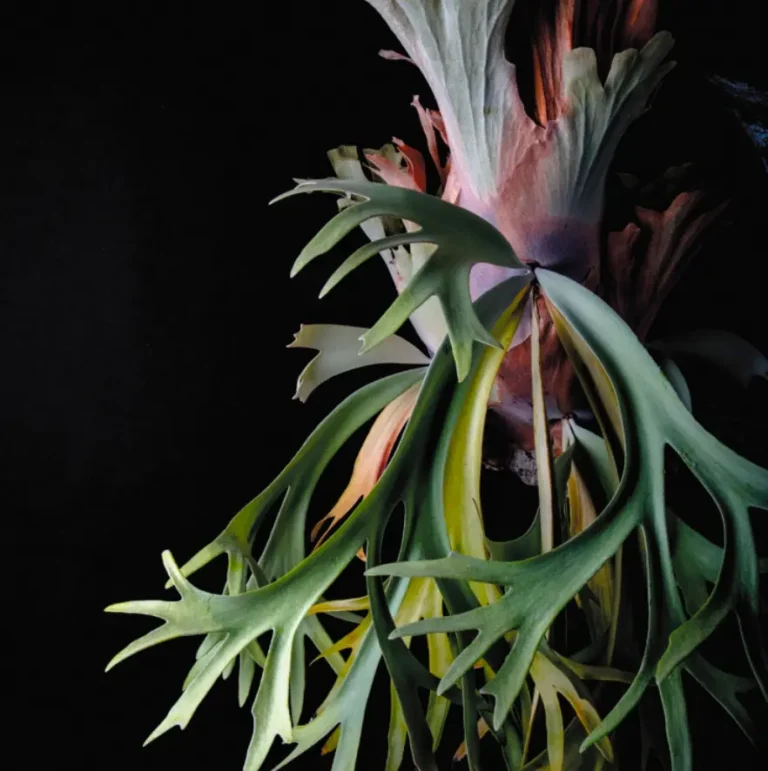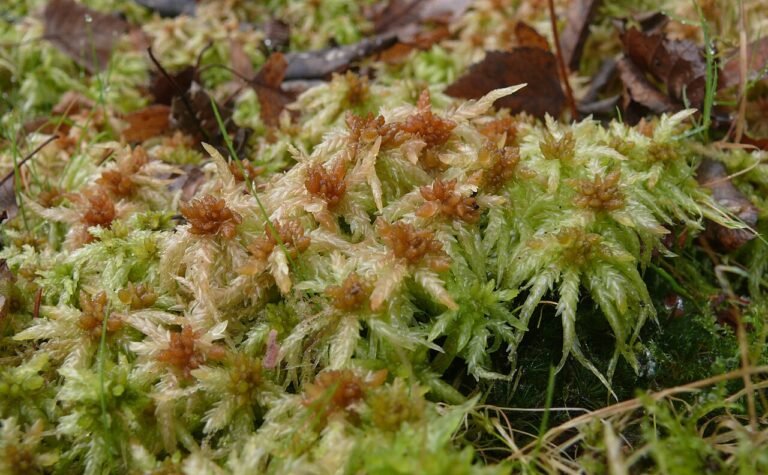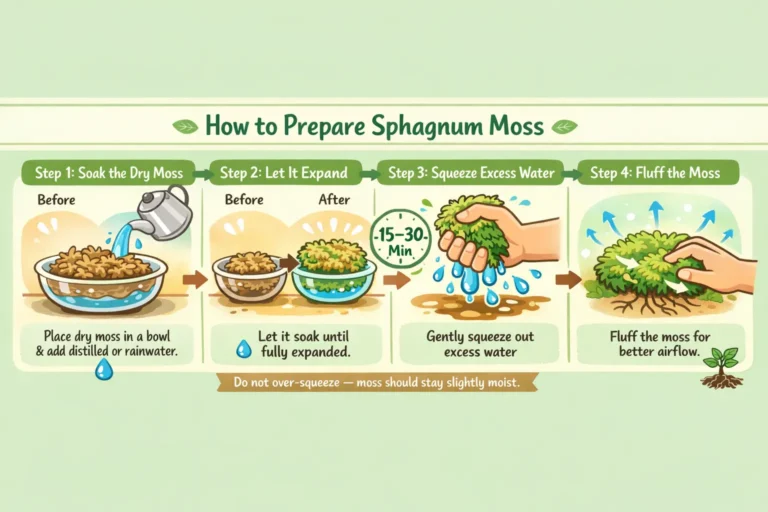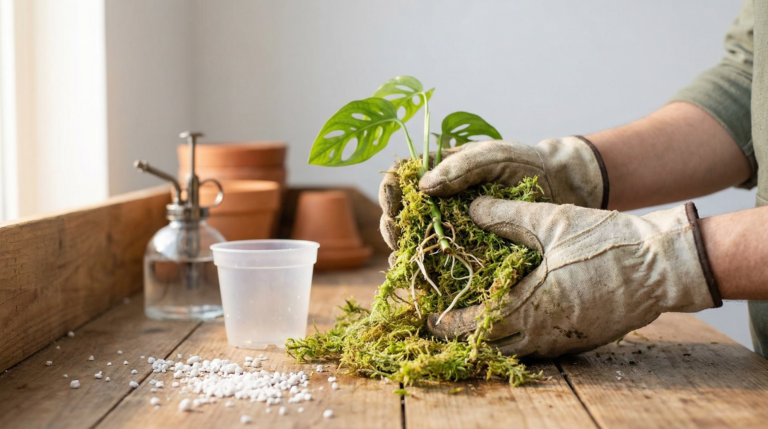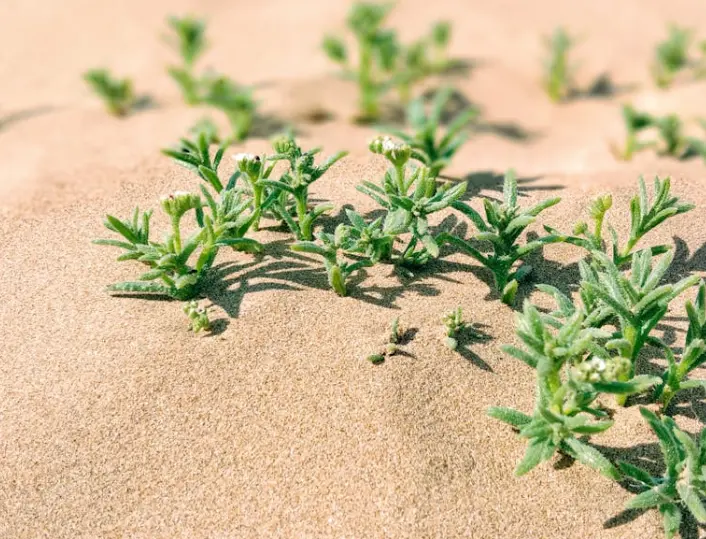
Sphagnum moss is the darling of the houseplant community. It is the go-to medium for rooting rare Monstera cuttings, mounting staghorn ferns, and keeping orchids blooming year after year. Because it is so highly praised, it is incredibly common for new indoor gardeners to assume that all plants will benefit from a handful of moss mixed into their soil. This assumption often ends in disaster.
While sphagnum moss is a miracle worker for tropical epiphytes, it is an absolute death sentence for plants that evolved in arid, dry, or alkaline environments. Because sphagnum moss holds up to 18 times its dry weight in water , using it on the wrong plant will guarantee severe root rot within a matter of weeks. In this guide, we break down exactly which plants should NOT be grown in sphagnum moss, why it kills them, and what you should be using instead.
Why Sphagnum Moss is Bad for Certain Plants
To understand why sphagnum moss kills certain plants, you have to look at two specific properties of the moss: its moisture retention and its acidity.
1. The Moisture Problem
Plants like succulents and cacti store water in their fleshy leaves and stems. Their roots are designed to absorb water quickly during a rare desert rainstorm, and then sit in dry, sandy soil for weeks. If you wrap these roots in sphagnum moss, they are forced to sit in a wet, humid sponge. The roots literally drown from a lack of oxygen, turn to mush, and the rot travels up into the stem of the plant.
2. The Acidity Problem
Sphagnum moss is naturally acidic, usually sitting at a pH between 4.0 and 4.5 . While many tropical jungle plants enjoy a slightly acidic environment, many other plants require a neutral or slightly alkaline pH to absorb nutrients properly. If planted in pure moss, these plants will suffer from nutrient lockout, displaying yellowing leaves and stunted growth even if they manage to avoid root rot.
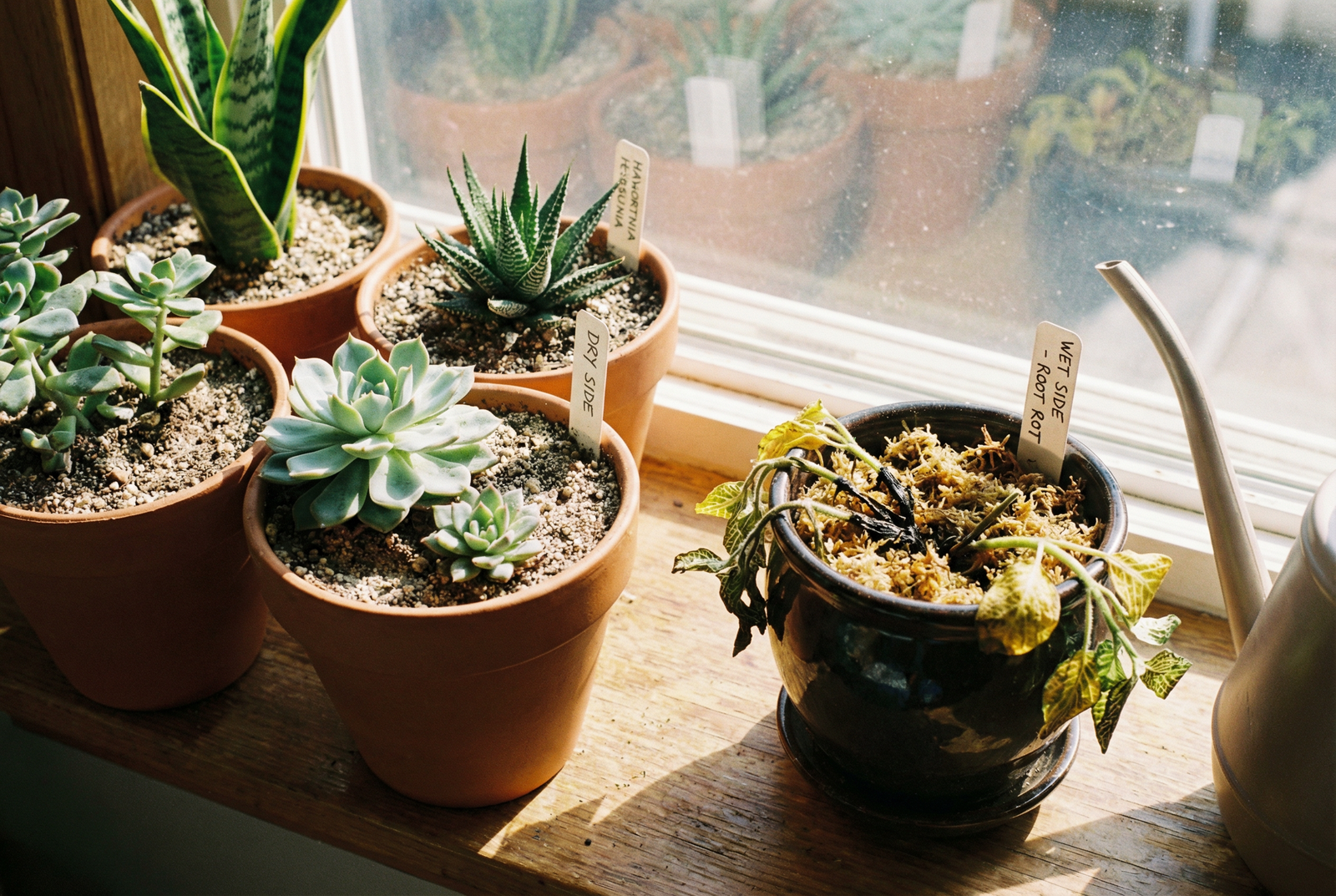
Plants that store water in their leaves, like these succulents, require fast-draining, dry soil. Placing them in a moisture-retentive medium like sphagnum moss is a guaranteed recipe for root rot.
The List: Plants That Hate Sphagnum Moss
If you own any of the plants on this list, keep the sphagnum moss far away from their pots.
For tuberous plants and some sandy plants, I would recommend using pots specifically designed for tuberous plants. The denser drainage holes allow the soil to remain well-ventilated and dry over a long period of time, making watering easier for beginners as they don’t have to worry about overwatering.
1. All Succulents (Echeveria, Haworthia, Jade, etc.)
Succulents are native to arid regions with sandy, rocky soil. They need their soil to dry out completely—and quickly—between waterings. Adding sphagnum moss to their soil mix traps moisture against their delicate, shallow roots, causing them to turn black and mushy.
•What to use instead: A gritty mix of 50% potting soil and 50% coarse sand, pumice, or perlite.
2. All Cacti
Even more extreme than succulents, cacti demand exceptional drainage. A cactus sitting in damp sphagnum moss will rot from the base up in a matter of days.
•What to use instead: Specialized cactus soil heavily amended with inorganic materials like pumice, gravel, or chicken grit.
3. Snake Plants (Sansevieria / Dracaena trifasciata)
Despite being marketed as “unkillable” houseplants, the number one way to kill a Snake Plant is overwatering. Because they store massive amounts of water in their thick leaves and underground rhizomes, they need a soil that drains instantly. Sphagnum moss will keep their root zone too wet for too long.
•What to use instead: A well-draining succulent mix.
4. ZZ Plants (Zamioculcas zamiifolia)
Similar to Snake Plants, ZZ plants have large, potato-like rhizomes under the soil that store water for months. If these rhizomes sit in the wet, humid environment created by sphagnum moss, they will quickly rot and turn to mush, causing the green stalks to collapse.
•What to use instead: A chunky, fast-draining mix of potting soil, bark, and heavy perlite.
5. Aloe Vera
Aloe is a desert plant. Its thick, gel-filled leaves are built to withstand drought. Wrapping Aloe roots in sphagnum moss is the equivalent of making a desert plant wear a wet winter coat.
•What to use instead: Sandy, gritty cactus soil.
6. Mediterranean Herbs (Lavender, Rosemary, Thyme)
If you are growing herbs indoors, never use sphagnum moss. These plants originate from the rocky, dry cliffs of the Mediterranean. They despise “wet feet” and require excellent drainage and alkaline soil. The acidic, soggy nature of sphagnum moss will kill them rapidly.
•What to use instead: Standard potting soil mixed with sand and a pinch of garden lime to raise the pH.
7. Paphiopedilum Orchids (Slipper Orchids)
This is a tricky one. While most orchids (like Phalaenopsis) love sphagnum moss, Paphiopedilum orchids are often the exception. Many species of “slipper orchids” are terrestrial or lithophytic (growing on rocks) and prefer a more neutral or alkaline pH. The high acidity of decaying sphagnum moss can cause them to decline .
•What to use instead: A mix of fine orchid bark, charcoal, and perlite.
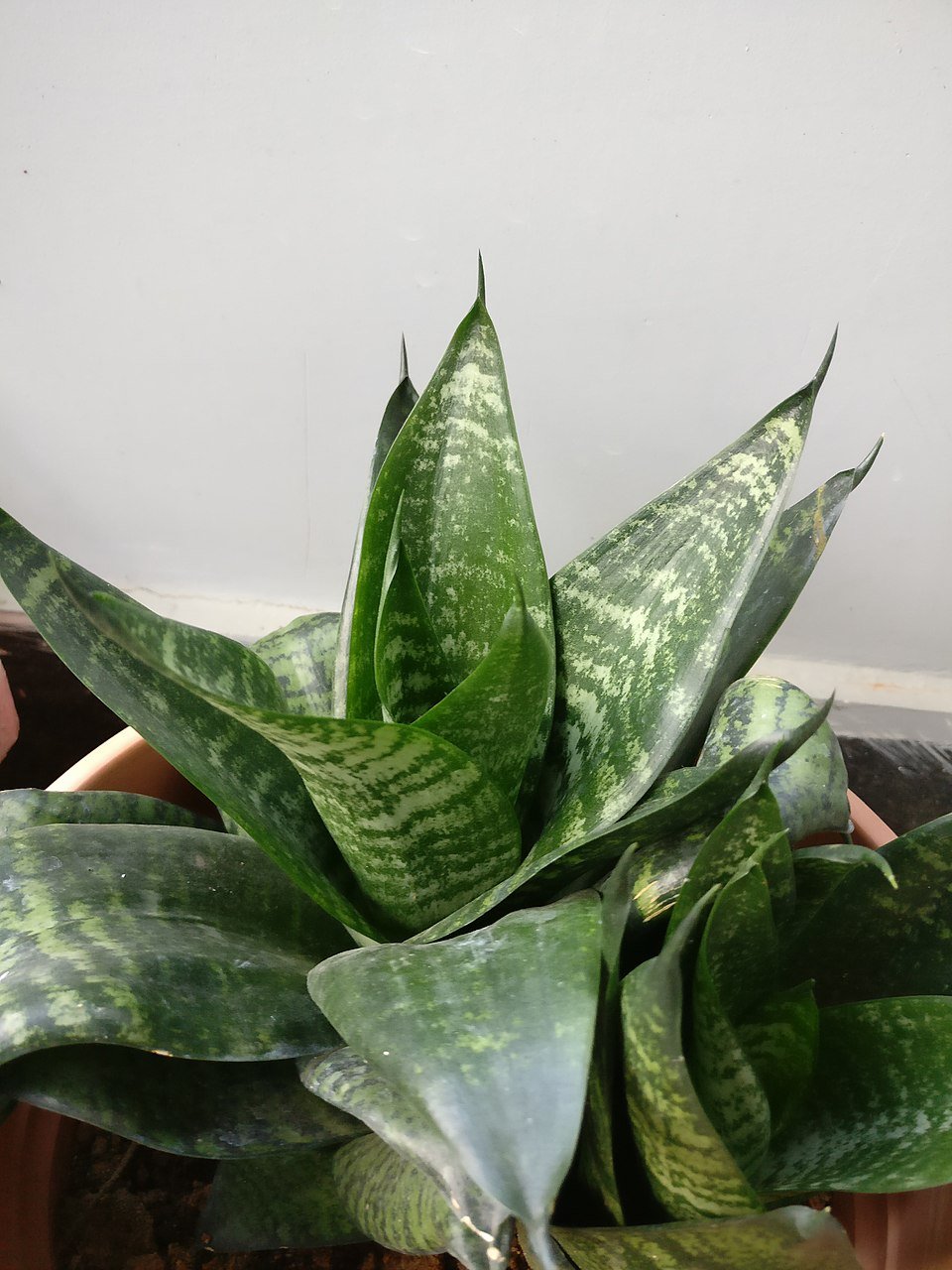
Snake plants (Sansevieria) store water in their thick leaves and rhizomes. They require fast-draining soil and will quickly rot if planted in moisture-retaining sphagnum moss. (Photo by Mokkie, CC BY-SA 3.0, via Wikimedia Commons)
What About Monsteras and Philodendrons?
You might be wondering: “Wait, I thought aroids liked sphagnum moss?” They do, but context matters.
While sphagnum moss is the absolute best medium for rooting cuttings in a propagation station, and is perfect for stuffing into a modular moss pole, you should not plant a mature Monstera in 100% pure sphagnum moss. If you are wondering whether it is time to move your Monstera into a fresh mix, check our guide on when to repot Monstera deliciosa.
Mature aroids need structural stability and a mix of wet and dry cycles. If you plant a massive Monstera in pure moss, the moss will eventually compact, become anaerobic, and rot the roots. Instead, you should formulate the best soil for a Monstera by mixing a small amount (10-20%) of chopped sphagnum moss into a chunky base of orchid bark, perlite, and potting soil.
Common Mistakes When Using Sphagnum Moss
| Common Mistake | The Effect on Your Plant | The Solution |
| Using it on succulents | Leaves turn yellow, translucent, and mushy | Repot immediately into dry, sandy cactus soil |
| Using pure moss for mature aroids | Moss compacts over time, suffocating the roots | Mix moss (10-20%) with bark and perlite instead |
| Assuming all orchids like it | Acidic moss harms alkaline-loving Slipper Orchids | Research your specific orchid genus before potting |
| Using it to “fix” dry soil | Creates uneven, soggy pockets in the pot | Amend soil uniformly with perlite or pumice instead |
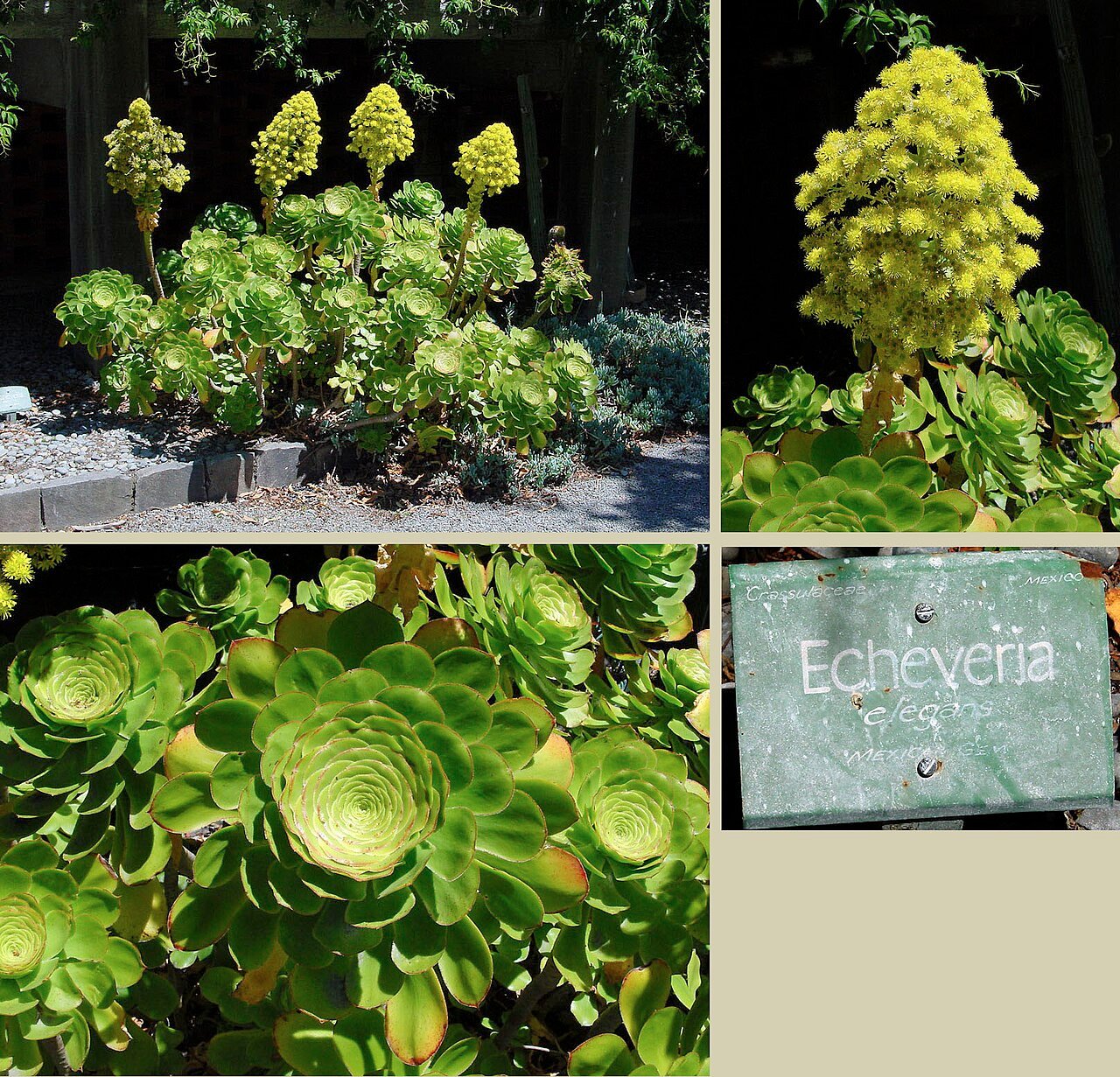
Echeveria and other succulents store water in their fleshy leaves. They require fast-draining, sandy soil and will rot quickly if planted in moisture-retaining sphagnum moss. (Photo via Wikimedia Commons, CC BY-SA 3.0)
Practical Tips for Saving an Overwatered Plant
If you accidentally potted a succulent, ZZ plant, or snake plant in a mix containing too much sphagnum moss, here is how to save it. If you are unsure about the right time to act, our guide on when to repot Monstera deliciosa also covers the signs of a stressed root system that apply to most houseplants:
1.Unpot Immediately: Do not wait for the soil to dry out. Sphagnum moss takes weeks to dry. Remove the plant from the pot immediately.
2.Remove the Moss: Gently tease all the wet moss and soil away from the root system. If the roots are dark brown, slimy, or smell foul, they have rotted.
3.Trim the Rot: Take a pair of sterilized scissors and cut away any mushy roots until you only see firm, healthy tissue.
4.Repot in Dry Soil: Repot the plant in a dry, gritty succulent mix (no moss!). Do not water the plant for at least a week to allow the cut roots to callous over and heal.
Conclusion
Sphagnum moss is an incredibly powerful tool, but it is not a one-size-fits-all solution. The rule of thumb is simple: if a plant naturally grows in a desert, on dry rocky cliffs, or stores water in its leaves, it belongs nowhere near sphagnum moss. Reserve your premium moss for the plants that truly appreciate a humid, jungle-like environment—like orchids, climbing aroids, and carnivorous bog plants. By matching the growing medium to the plant’s evolutionary needs, you will completely eliminate the risk of root rot.
References
[1] Sybotanica. (2025, August 29). Sphagnum Moss FAQ: Everything for Happy Plants.
[2] Here But Not. (2021, July 9 ). Pure Sphagnum Moss for Plants: Why it’s Not the Perfect Option.
[3] Greg App Editorial Team. (2024, October 21 ). Determining If Your Sphagnum Moss Is Dying.