When you bring home a new tropical plant, the standard potting soil from the hardware store is rarely the best environment for it to thrive. Many indoor gardeners quickly discover the magic of custom soil mixing, and one ingredient almost always comes up in the conversation: sphagnum moss. But a common question arises: can you mix sphagnum moss with soil, or is it only meant to be used on its own for propagation and orchids?
The anwser is Yes, you can mix sphagnum moss with soil to improve moisture retention for tropical houseplants. The best ratio is generally 10% to 20% sphagnum moss mixed with potting soil, perlite, and orchid bark. For epiphytes like Anthuriums, a 50/50 mix of sphagnum moss and perlite provides excellent hydration without suffocating the roots.
Why Mix Sphagnum Moss into Potting Soil?
To understand why we add sphagnum moss to soil, we have to look at how tropical plants grow in the wild. Plants like Monsteras, Philodendrons, and Anthuriums often grow on the forest floor or climb up trees. Their roots are accustomed to an environment that is constantly humid and moist, but never sitting in stagnant mud.
Standard indoor potting soil is usually made of heavily decomposed peat moss. When you water it, it compacts and holds water tightly, squeezing out the oxygen. When it dries, it shrinks and pulls away from the sides of the pot.
Sphagnum moss, on the other hand, is a structural sponge. When you mix chopped long-fiber sphagnum moss into your soil, it does two things simultaneously:
1.It holds water: Sphagnum can hold up to 18 times its dry weight in water . It acts as a reservoir within the soil, slowly releasing moisture to the roots as the surrounding soil dries out.
2.It creates air pockets: Because the moss is fibrous and springy, it prevents the finer particles of the soil from compacting together. This ensures that oxygen can still reach the root system, which is critical for preventing root rot.
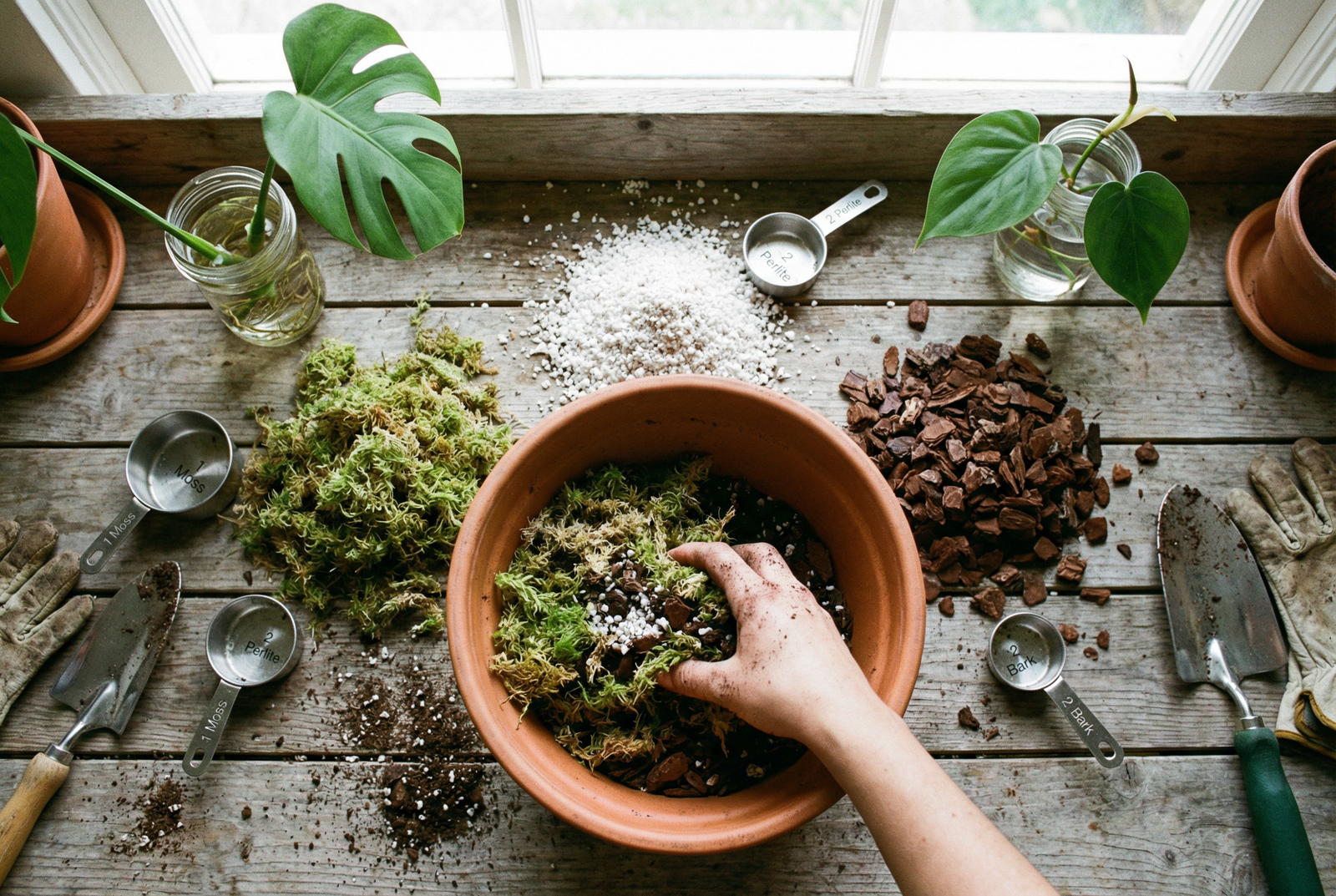
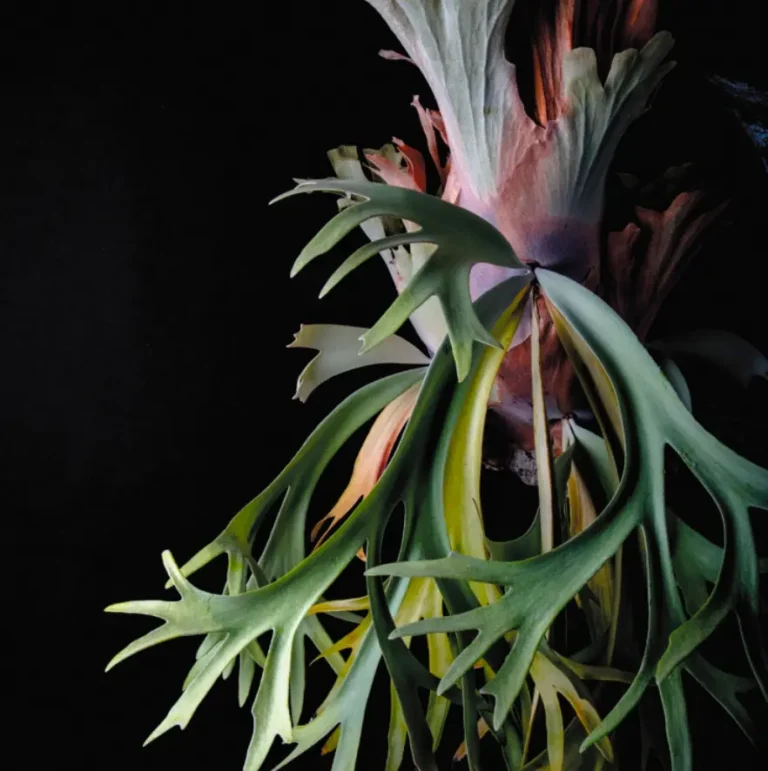
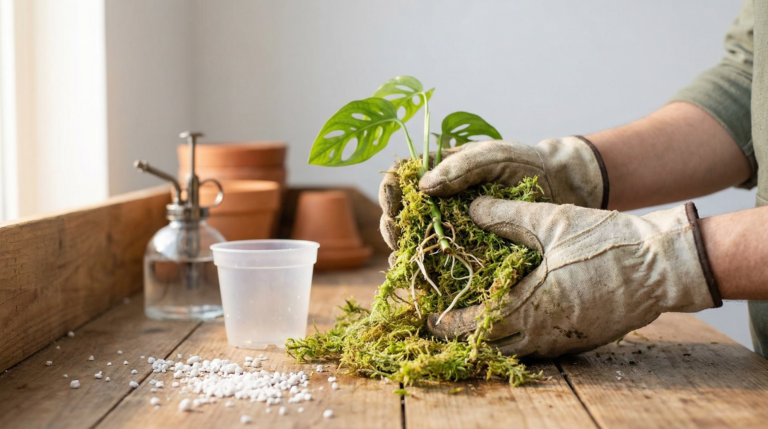
Sphagnum moss is a key ingredient for moisture-loving tropicals. (Image Source: TropicalPlantKit)
The Best Sphagnum Moss Soil Ratios
There is no single “perfect” soil recipe because different plants have different evolutionary needs. Here are the most effective ratios for mixing sphagnum moss based on the type of plant you are growing.
1. The Aroid Mix (Monsteras, Philodendrons, Pothos)
Aroids need a soil that drains quickly but stays slightly humid. If you are trying to formulate the best soil for a Monstera, you want a mix that is chunky and airy.
•The Ratio: 40% high-quality potting soil, 30% orchid bark, 20% perlite, and 10% chopped sphagnum moss.
•Why it works: The bark and perlite provide massive drainage and airflow, while the small amount of sphagnum moss ensures the mix doesn’t dry out completely in just a couple of days.
2. The Thirsty Tropical Mix (Calatheas, Marantas, Ferns)
These plants despise drying out. If their soil goes completely dry, their leaves will immediately crisp and curl at the edges.
•The Ratio: 50% potting soil, 20% perlite, 10% orchid bark, and 20% chopped sphagnum moss.
•Why it works: Increasing the sphagnum moss to 20% creates a highly moisture-retentive environment that buffers against missed waterings, while the perlite still prevents the soil from turning to mud.
3. The Epiphyte/Anthurium Mix
Many Anthuriums and certain orchids are true epiphytes—they want maximum air around their roots and hate traditional potting soil.
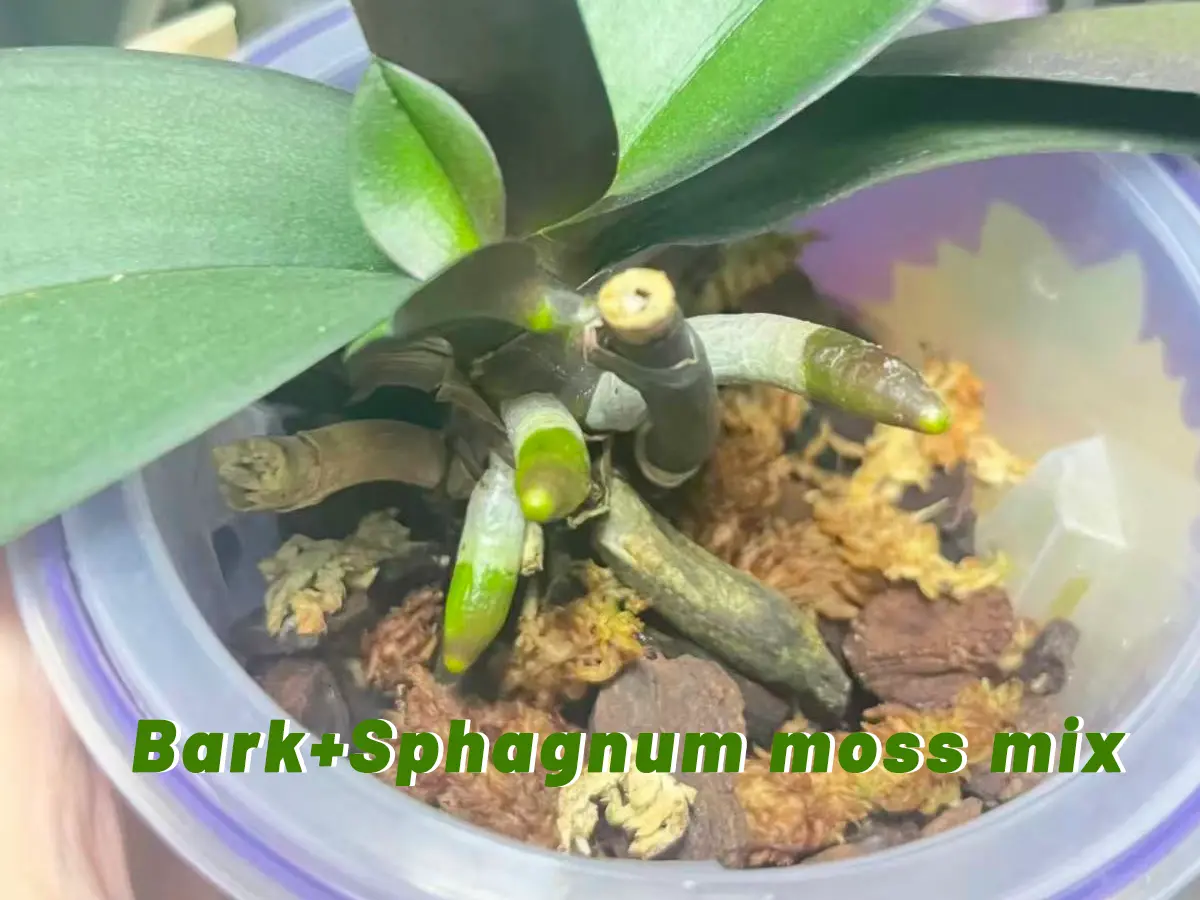
•The Ratio: 50% large chunk orchid bark, 30% coarse perlite, and 20% sphagnum moss (No potting soil!).
•Why it works: This soil-less mix drains instantly. The only thing holding moisture in the pot is the sphagnum moss and the porous bark, perfectly mimicking the crook of a jungle tree.
4. The Propagation Mix
When you are rooting cuttings in a propagation box with a humidity dome, you want high humidity and high oxygen to stimulate root growth.
•The Ratio: 50% sphagnum moss and 50% perlite.
•Why it works: Pure moss can sometimes compact and stay too wet. Cutting it 50/50 with perlite guarantees that oxygen can reach the new, delicate roots, drastically reducing the chance of stem rot.
Common Mistakes When Mixing Moss and Soil
While sphagnum moss is a fantastic amendment, using it incorrectly can harm your plants.
| Common Mistake | The Effect on Your Plant | The Solution |
| Using too much moss (over 30%) | Soil stays wet for weeks, leading to severe root rot | Keep moss at 10-20% for standard soil mixes |
| Adding moss to succulent soil | Succulents rot from excess moisture | Never add sphagnum moss to cacti or succulent mixes |
| Leaving moss strands too long | Moss tangles around roots, making repotting difficult | Chop the moss into 1-inch pieces before mixing it into soil |
| Mixing dry moss into wet soil | Dry moss repels water and creates dry pockets in the pot | Always soak and wring out the moss before mixing it |
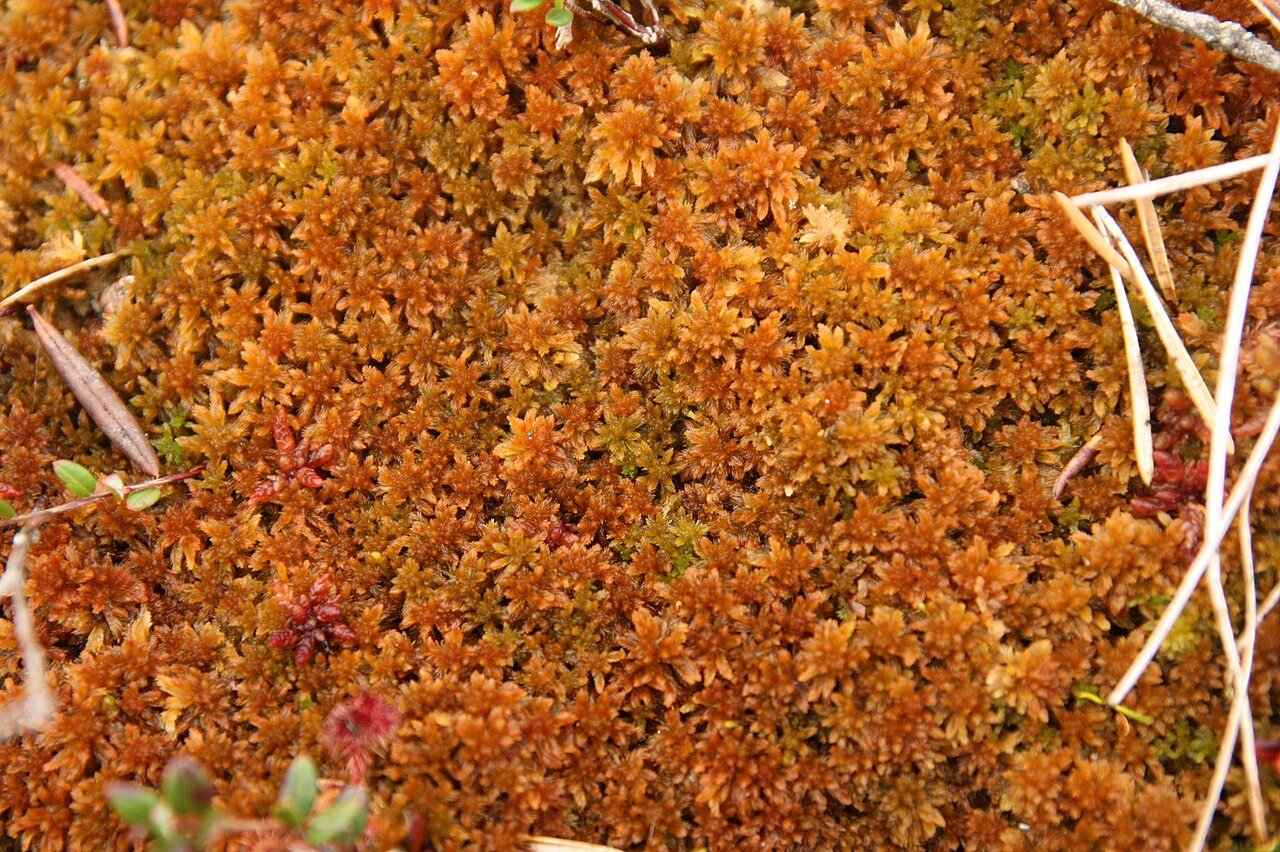
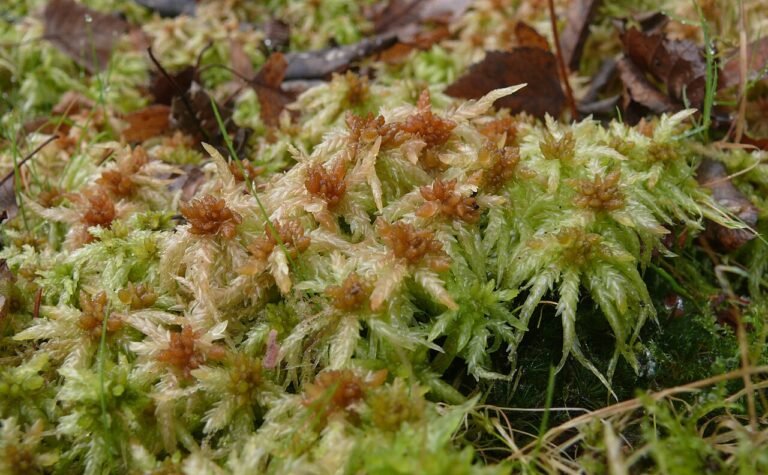
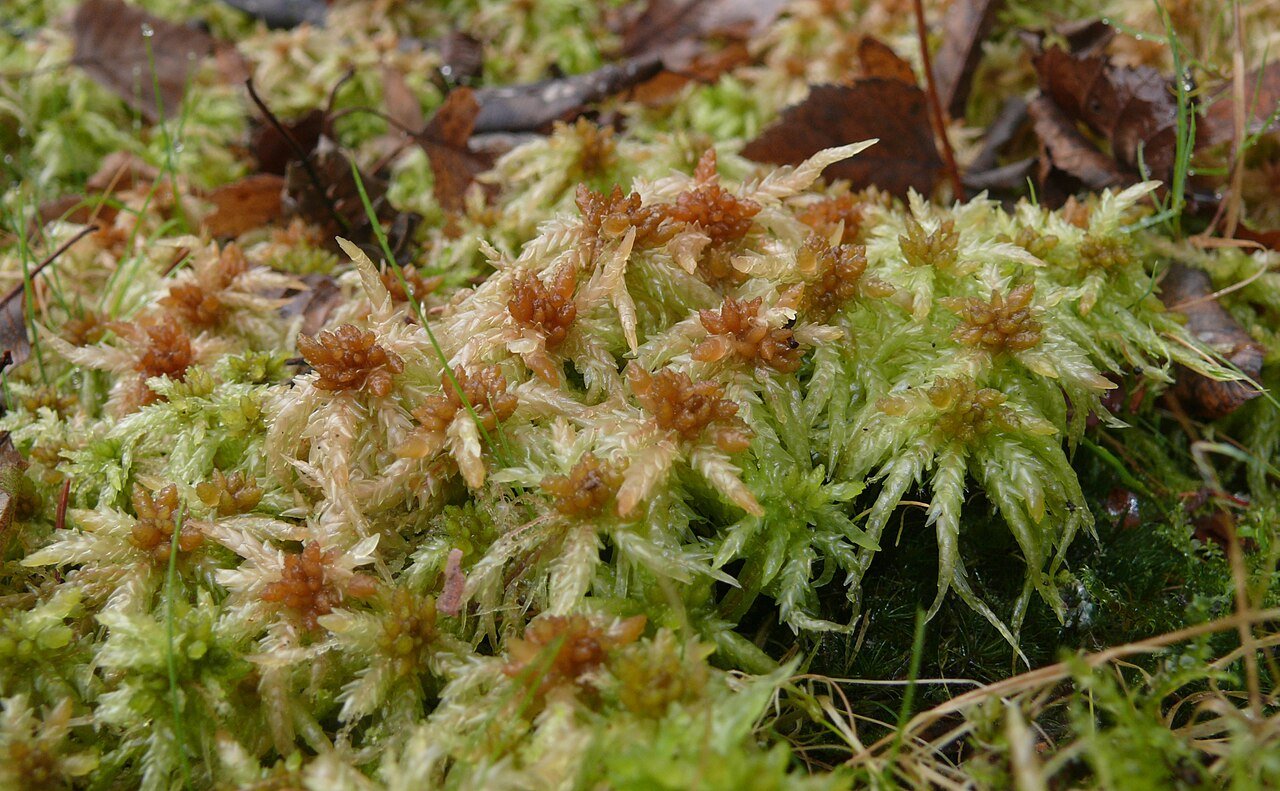
Sphagnum fuscum growing in its natural bog habitat. When mixed into potting soil, dried sphagnum moss acts as a moisture buffer while maintaining vital airflow. (Photo by Christian Fischer, CC BY-SA 3.0, via Wikimedia Commons)
Practical Tips for Custom Soil Mixing
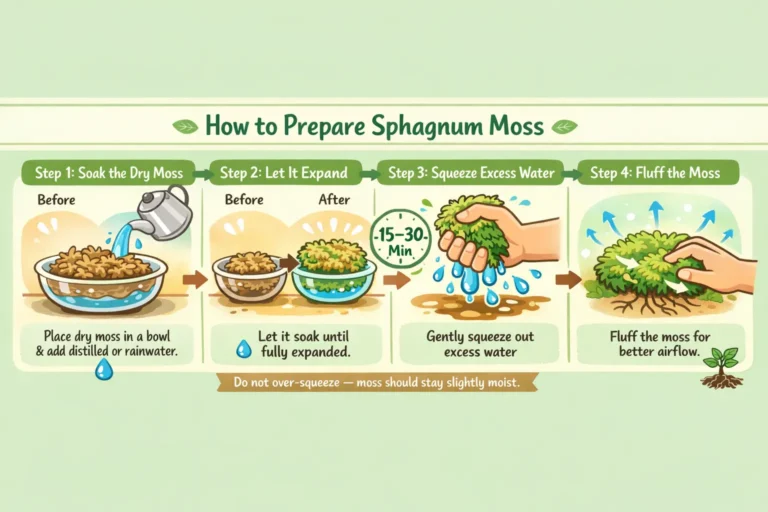
1.Always Prep the Moss First: Never mix dry sphagnum moss straight out of the bag into your soil. It is hydrophobic when dry. You must soak it in water, squeeze it out until it is damp, and then mix it in.
2.Chop It Up: Long-fiber sphagnum moss can be 6 to 8 inches long. If you mix it into soil like that, it will wrap around your plant’s roots like a net. When it comes time to repot your Monstera, you will rip the roots trying to untangle them. Take a pair of scissors and chop the damp moss into 1-inch pieces before mixing.
3.Use It for Top Dressing: If you don’t want to mix it into the soil, you can lay a thin layer of damp sphagnum moss on top of the soil. This helps trap humidity in the pot and is especially useful for plants with shallow root systems.
Conclusion
So, can you mix sphagnum moss with soil? Absolutely. When used as a deliberate amendment rather than the main ingredient, sphagnum moss is an incredible tool for managing the moisture levels in your pots. By keeping your ratios around 10% to 20% for standard tropicals, and balancing the moss with aerators like perlite and bark, you can create a custom, jungle-like substrate that your houseplants will love. Remember to always chop it up, hydrate it first, and keep it out of your succulent pots!
References
[1] Sybotanica. (2025, August 29). Sphagnum Moss FAQ: Everything for Happy Plants.
[2] Clemson University Cooperative Extension. (2024, October 21 ). Indoor Plants – Soil Mixes.
[3] Here But Not. (2021, July 9 ). Pure Sphagnum Moss for Plants: Why it’s Not the Perfect Option.