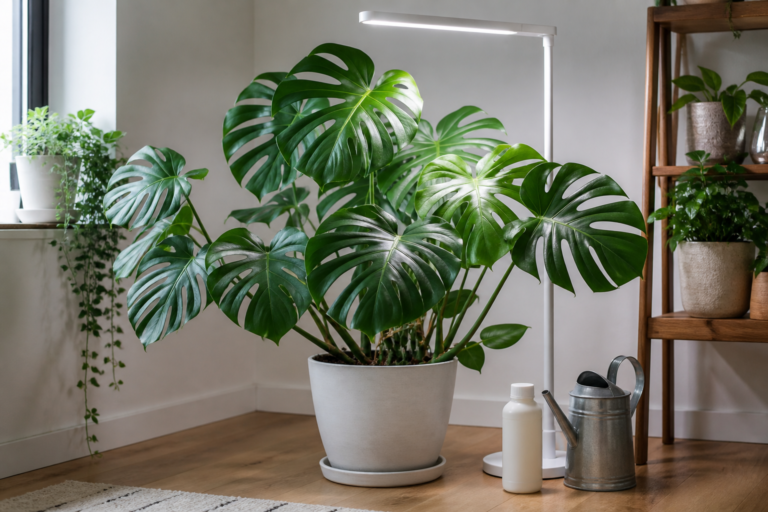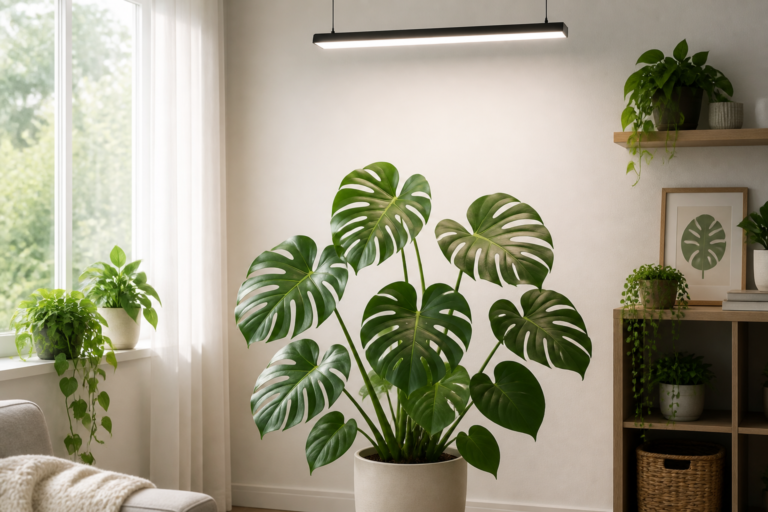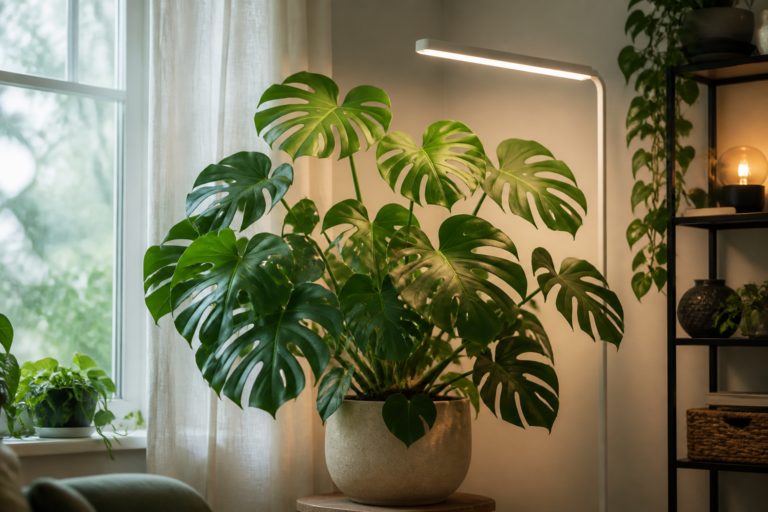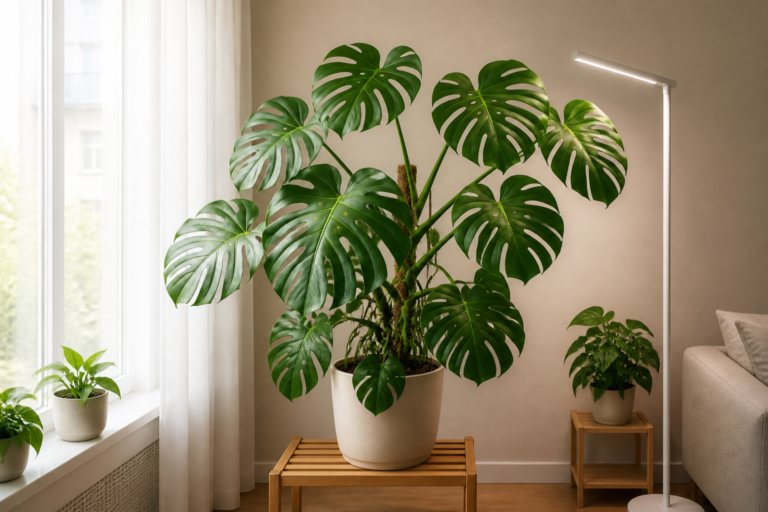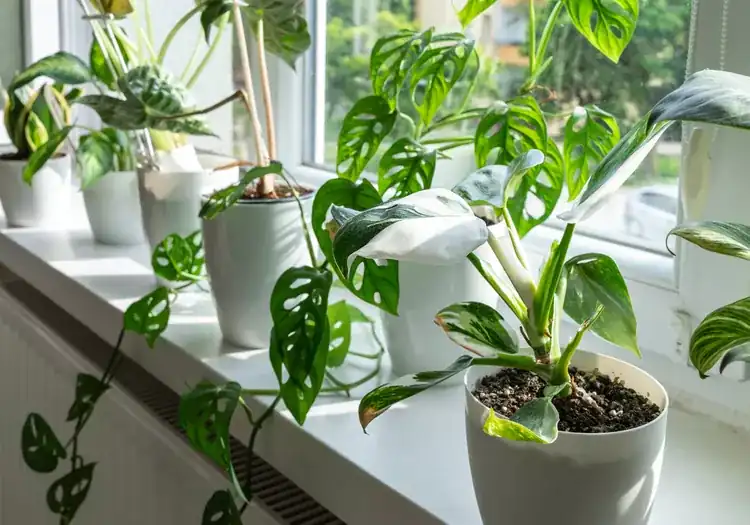
Providing adequate spacing between your houseplants facilitates better air circulation around their foliage and lowers the risk of plant diseases such as powdery mildew. Additionally, proper spacing enhances the light exposure for each leaf and creates a barrier that hinders the spread of pests among your houseplant collection.
That said, addressing lighting and pest concerns is not the sole rationale for prioritizing plant spacing. Certain houseplant varieties are simply incompatible—placing ill-matched species together can lead to complications and significantly complicate plant care routines.
sometimes, even the most well-intentioned plant parents run into heartbreak when a favorite fern starts wilting next to a succulent, or a vibrant philodendron loses its glow beside a finicky fittonia. It’s frustrating, right? The good news? With a little insight from experts like Justin Hancock, a seasoned horticulturist at Costa Farms, you can sidestep these mismatches and create a harmonious home for your plants.
Below, we’re diving into common houseplant pairings to keep apart, why they clash, and practical tips to keep your collection thriving. Because your plants deserve a space where they can all shine—without the drama.
Why Plant Spacing Matters More Than You Think
Before we get into the specifics, let’s chat about the bigger picture. Proper spacing isn’t just about aesthetics; it’s a game-changer for your plants’ well-being. Good airflow prevents pesky diseases like powdery mildew, while maximizing light exposure helps every leaf get its fair share of sunshine. Plus, it curbs pest spread, saving you from those late-night inspections under a lamp.
But here’s where empathy comes in: if you’ve ever watched a cherished plant struggle because of a bad neighbor, you know it tugs at the heartstrings. Lighting and pests are big culprits, but incompatible care needs—like humidity levels or watering rhythms—can turn your cozy setup into a stress zone.
Justin Hancock shares his pro wisdom: “Not all plants are meant to be roommates. Matching their vibes is key to long-term success.” Stick with us as we break down five tricky pairings to separate, complete with why they don’t mix and how to regroup them for happier growth.
Want more gardening tips? Sign up for our free gardening newsletter for our best-growing tips, troubleshooting hacks, and more!
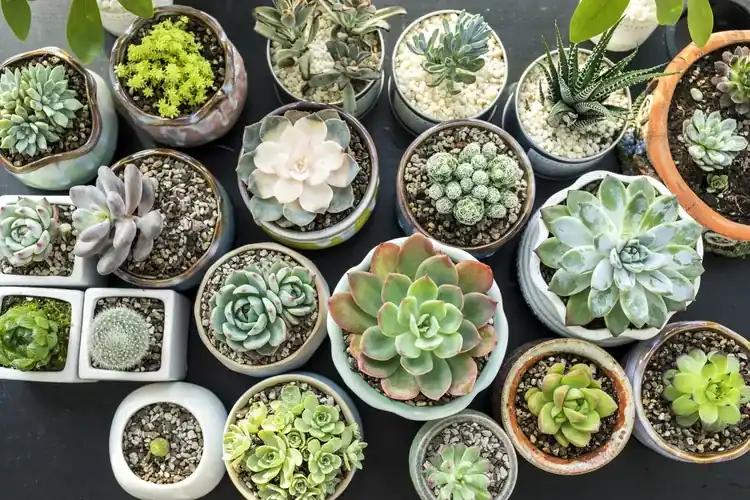
Succulents and Ferns: A Textural Clash with Care Conflicts
While combining succulents and ferns might yield a fascinating contrast in terms of color palettes and textural qualities, this particular plant combination is ultimately impractical.
Justin Hancock, a horticulturist employed at Costa Farms, explains, “These two types of plants have conflicting growing requirements, making them poor companions. Ferns thrive in medium to bright lighting conditions paired with relatively high humidity levels, whereas succulents demand abundant bright light and moderate humidity.”
Exposing ferns to direct sunlight frequently results in leaf scorching. On the other hand, succulents tend to become leggy when placed in low-light settings and are prone to mold growth in the high-humidity environments that ferns prefer.
To prevent these problems, it’s advisable to position these plants in separate areas of your home. Alternatively, you can house smaller specimens in individual terrariums, allowing you to modify their respective growing conditions according to their specific needs.
Quick Fact: Ferns can scorch in direct sun, leading to crispy edges, whereas succulents stretch leggy and moldy in steamy spots.
Pro Tip for Harmony: House your ferns in a humid bathroom nook or a dedicated terrarium with misty mornings. Succulents? Perch them on a sunny windowsill with well-draining soil. If space is tight, opt for mini versions in separate glass cloches—easy to mist or dry out as needed.
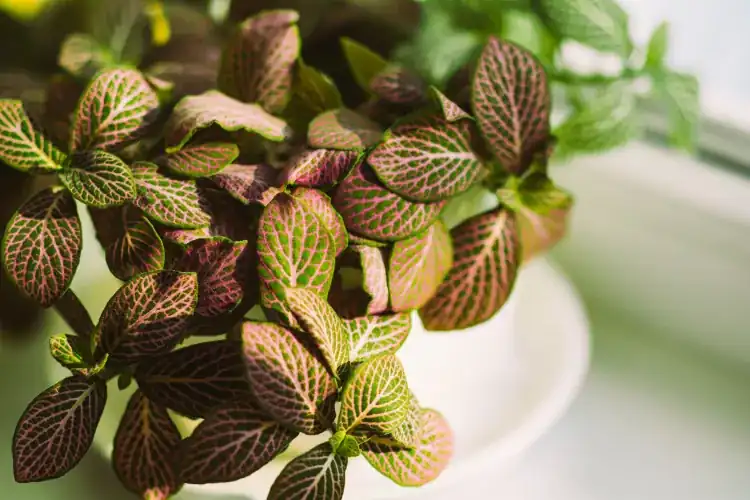
‘Frankie’ Fittonia and ‘Golden Crocodile’ Philodendron: Colorful Rivals That Wilt Under Pressure
Fittonias and philodendrons are two strikingly hued plant varieties that effortlessly draw the eye. However, as Hancock points out, their distinct color palettes can actually create a visual discord when placed together in a growing space.
“From an aesthetic standpoint, this particular color pairing is quite niche,” Hancock notes. “Specifically, the metallic pink shades of the ‘Frankie’s’ variety fail to harmonize with the vivid yellow-gold, serrated leaves of the ‘Golden Crocodile’ philodendron.”
Additionally, fittonias thrive in humid environments and are prone to significant wilting if their moisture requirements aren’t closely monitored. For optimal growth and visual appeal, consider housing fittonias in a terrarium alongside small ferns or waffle plants.
As for the ‘Golden Crocodile,’ it pairs beautifully with other lively, colorful specimens such as the ‘Prince of Orange’ philodendron and the ‘Neon’ pothos.
Comparison Table: Care Needs at a Glance
| Plant | Light Needs | Humidity Preference | Watering Style |
|---|---|---|---|
| ‘Frankie’ Fittonia | Bright indirect | High (70%+) | Keep evenly moist |
| ‘Golden Crocodile’ Philodendron | Bright indirect | Moderate (40-60%) | Allow top to dry |
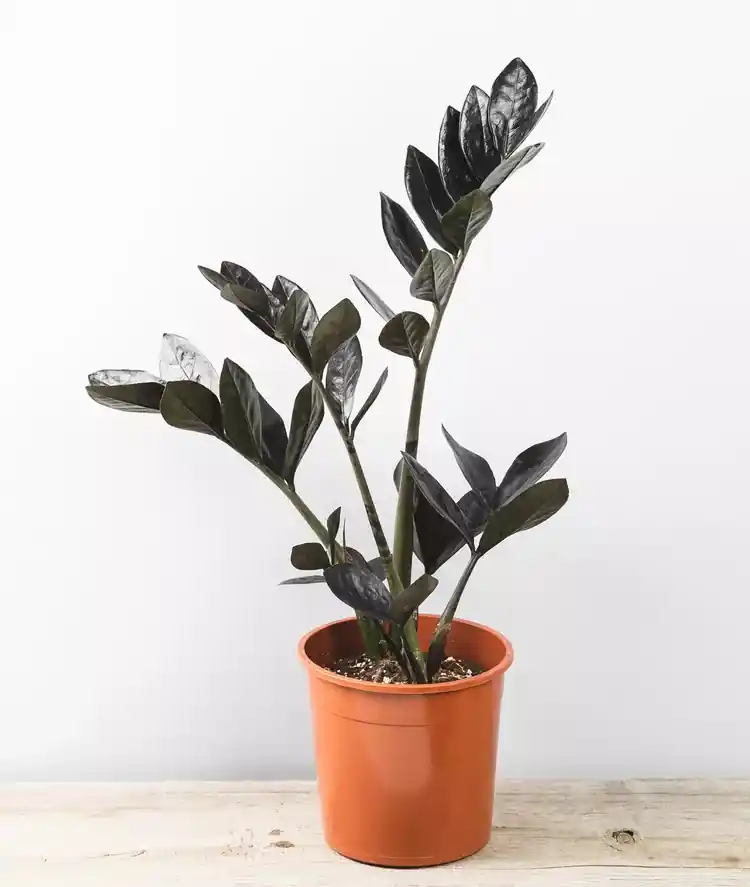
‘Dottie’ Calathea and ‘Raven’ ZZ: Goth Glam That Drowns in Differences
Fittonias and philodendrons are two strikingly hued plant varieties that effortlessly draw the eye. However, as Hancock points out, their distinct color palettes can actually create a visual conflict when placed together in a growing space.
“From an aesthetic standpoint, this is a rather particular color pairing,” Hancock notes. “Specifically, the metallic pink shades of the ‘Frankie’s’ variety fail to harmonize nicely with the vivid yellow-gold, serrated leaves of the ‘Golden Crocodile.’”
Additionally, fittonias thrive in humid environments and are prone to significant wilting if their moisture requirements aren’t closely monitored. For optimal growth and visual appeal, consider housing fittonias in a terrarium alongside small ferns or waffle plants.
As for the ‘Golden Crocodile,’ it pairs beautifully with other lively, colorful plants such as the ‘Prince of Orange’ philodendron and the ‘Neon’ pothos.
Empathy Check: We’ve all been there, juggling the watering can like a pro juggler, only to drop the ball. These two amplify that chaos.
Better Grouping Ideas:
- For Calatheas: Cluster with prayer plants or bird’s-nest ferns in a pebble tray for extra humidity.
- For ZZ Plants: Buddy up with ravenala or other drought-tolerant toughies like haworthia near your cacti crew.
‘Polly’ Alocasia and Majesty Palm: Elegant Textures with a Pest-Prone Twist
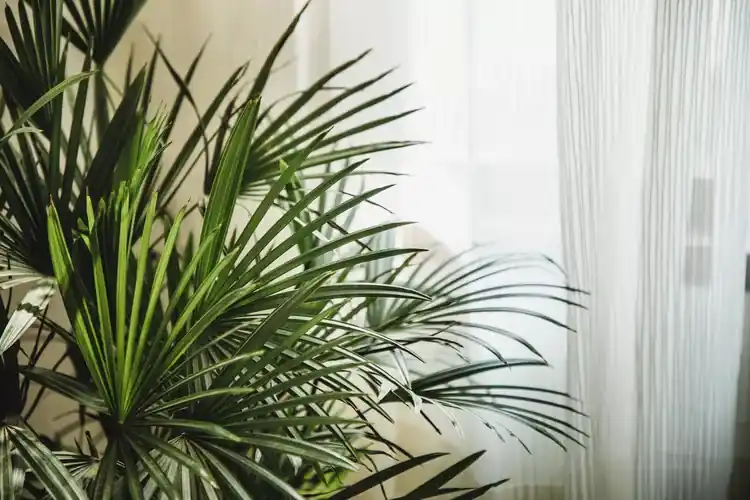
At first glance, Alocasia ‘Polly’ and majesty palms might appear to be a fantastic pairing. Not only do they share comparable care requirements, but their eye-catching foliage also creates a fascinating textural contrast. That said, Hancock issues a caution against cultivating these two plant varieties together, as both are prone to attracting spider mites.
Hancock emphasizes, “If these pests manage to find their way into your living space, keeping these two plants together could result in a spider mite infestation that spirals out of control.”
To steer clear of spider mites and other pest-related problems, it’s essential to ensure adequate spacing between your plants and conduct thorough inspections of newly acquired specimens for any pest signs.
For those who have previously dealt with spider mite infestations at home, opting for houseplant species that these pests tend to avoid—such as snake plants—would be a prudent choice. Additionally, having a bottle of organic soap spray readily available is a smart precautionary measure.
Prevention Pointers:
- Inspect new plants weekly: Look for webbing or stippled leaves.
- Boost humidity with a mister to deter mites.
- If history repeats, swap in mite-resistant stars like snake plants or ZZ (ironically, away from calatheas!).
Space them across rooms, and keep organic insecticidal soap handy—your peace-of-mind essential.
Rex Begonia and Flowering Kalanchoe: Blooms and Foliage That Fight Over Moisture
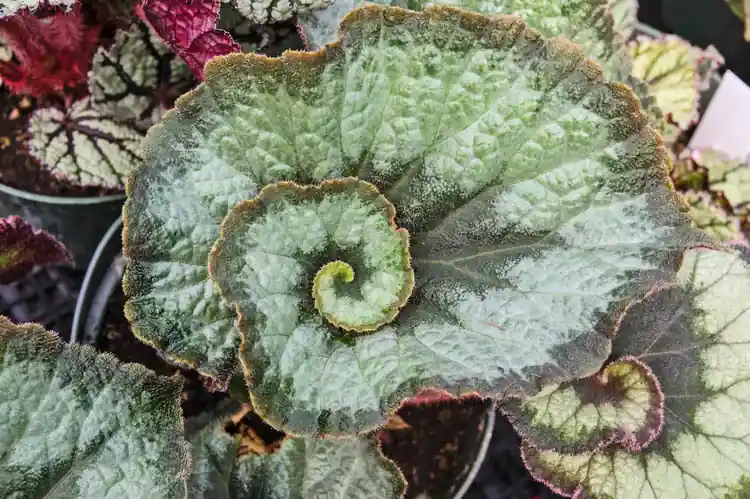
Another vibrant plant duo worth noting is rex begonias and flowering kalanchoe. Rex begonias are chiefly celebrated for their vivid, eye-catching foliage, whereas flowering kalanchoe captivates with its clusters of vivid, showy blossoms.
Yet, Hancock advises steering clear of placing these two plant types in close proximity as well. “They do share a preference for bright light, but their watering requirements differ significantly,” Hancock elaborates. “Rex begonias thrive in consistently moist soil, while kalanchoe prefers to have its soil dry out completely between waterings.”
Positioning these plants at a considerable distance from each other in your living space can minimize the likelihood of watering mishaps—this is particularly useful if you frequently travel and rely on a plant sitter who may not be well-acquainted with your plants’ specific needs.
If co-locating them is unavoidable, using pots of distinct colors or labeling them with plant stakes can help you keep tabs on their differing watering demands.
Travel-Safe Hack: Use color-coded pots—blue for moist lovers, terracotta for dry ones—to guide helpers without a cheat sheet.
For success, dot rex begonias among other leaf-lovers like coleus, and let kalanchoes shine solo or with succulents. A little separation goes a long way toward guilt-free getaways.
Create a Thriving, Drama-Free Plant Paradise
Whew—navigating incompatible houseplants can feel overwhelming, but armed with these insights from Justin Hancock at Costa Farms, you’re set to foster a collection that’s as supportive as your plant parent heart.
Remember: thoughtful spacing honors each plant’s unique needs, cutting down on diseases, pests, and those wilted “what ifs.” Start small—rearrange one shelf today—and watch your indoor oasis bloom with resilience.
FAQ
Why do succulents and ferns make bad houseplant neighbors?
Succulents need bright, dry conditions to prevent rot, while ferns crave high humidity and indirect light. Pairing them risks leaf burn or mold—keep them in separate zones for best results.
How can I prevent spider mites when grouping alocasia and palms?
Space them far apart, quarantine new plants, and maintain 50%+ humidity with pebble trays. Organic soap sprays are a gentle first line of defense against these common pests.
What’s the biggest issue with fittonia and philodendron pairings?
Fittonias wilt without high humidity, clashing with philodendrons’ moderate needs. Visually, their colors can jar—try terrariums for fittonias and vining companions for philodendrons.
Can I still display calathea and ZZ plants together safely?
Not ideally—their watering differences (moist vs. dry) lead to over- or underwatering mishaps. Group calatheas with tropicals and ZZ with succulents for low-stress care.
How do I manage watering for rex begonia and kalanchoe if space is limited?
Use distinct pots (e.g., glazed for moist, porous for dry) and labels. Better yet, separate them across rooms to minimize errors, especially during travel.