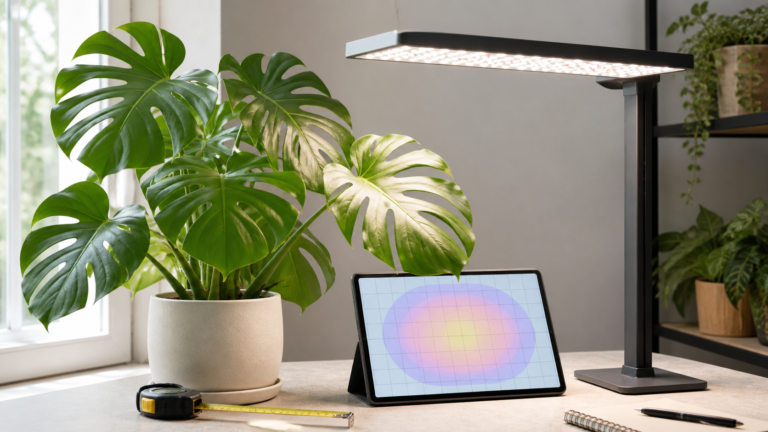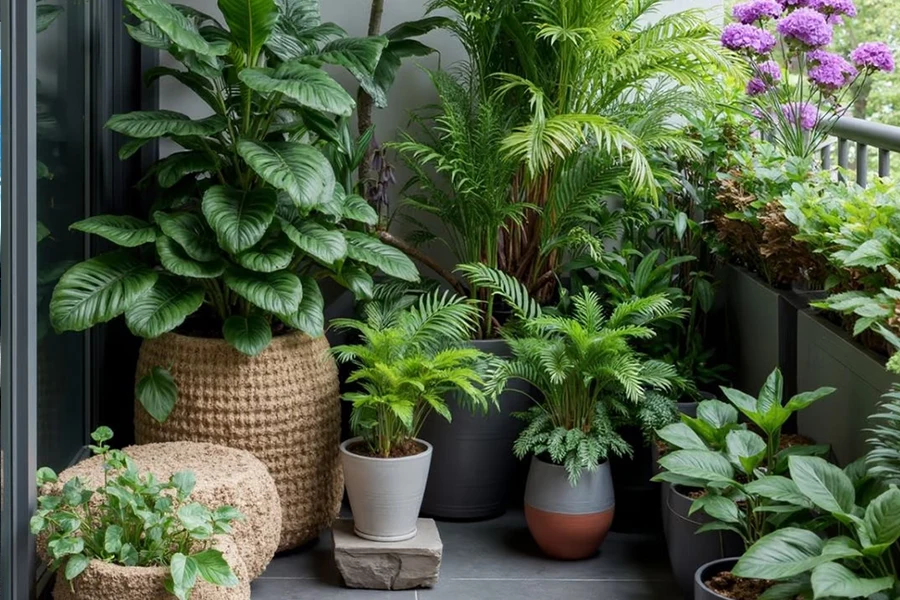
Few things transform an indoor space as effortlessly as a plant with truly large leaves. Big-leaf houseplants are natural showstoppers — a single specimen can turn an empty corner into a lush focal point and give a room an immediate sense of life, depth, and calm. Their dramatic scale, rich textures, and vibrant greens create a feeling that is both architectural and organic, striking and soothing at the same time.
If your goal is to build an indoor jungle or simply add one bold statement plant to your home, large-leaf houseplants are some of the most rewarding choices you can make.
Why Choose Plants with Big Leaves?
Large foliage isn’t just visually impressive — it also shapes how a space feels and functions.
Visual Impact
Big leaves create instant drama. Even a single plant with oversized foliage can soften hard lines, fill vertical space, and bring balance to minimalist interiors.
Natural Focal Points
Their scale naturally draws the eye, making them perfect for anchoring a living room, defining a dining area, or welcoming guests in an entryway.
Tropical Atmosphere
Most big-leaf plants originate from tropical forests, where large leaves evolved to capture filtered light. Bringing them indoors adds a touch of that relaxed, lush, tropical mood to everyday living.
The Best Big-Leaf Houseplants for 2025
When choosing a large-leaf plant, consider not just leaf size, but also growth habit, light tolerance, and long-term care needs.
Monstera deliciosa (Swiss Cheese Plant)
Monstera deliciosa is iconic for a reason. As it matures, its glossy green leaves develop natural splits and holes — called fenestrations — that give it its instantly recognizable look. Indoors, leaves can grow impressively large under the right conditions.
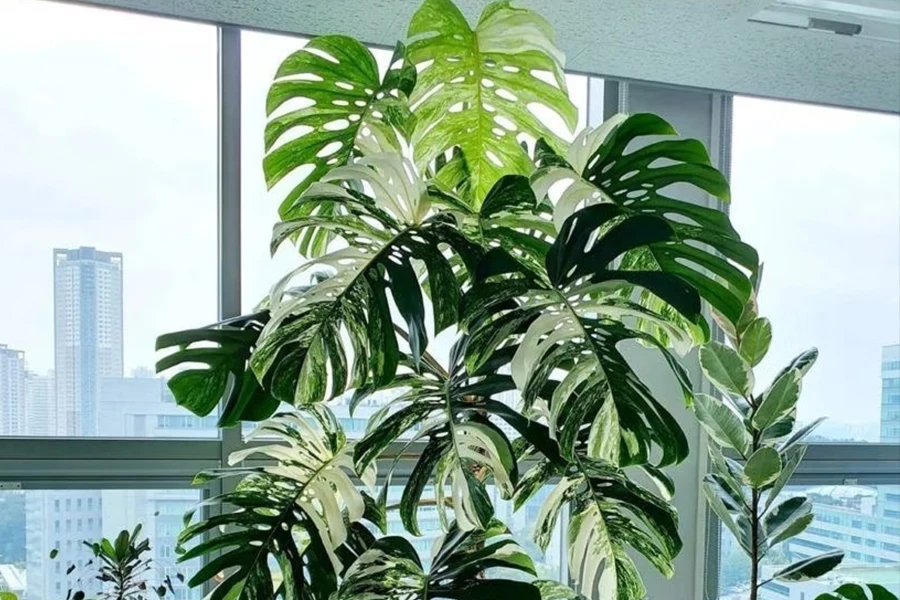
It prefers bright, indirect light and evenly moist soil, allowing the top inch or two of soil to dry before watering again. Monsteras also benefit from vertical support such as a moss pole, which encourages larger leaves and healthier growth.
Fiddle Leaf Fig (Ficus lyrata)
With its thick, violin-shaped leaves, the Fiddle Leaf Fig has become a design classic. Its bold structure works beautifully in modern interiors.
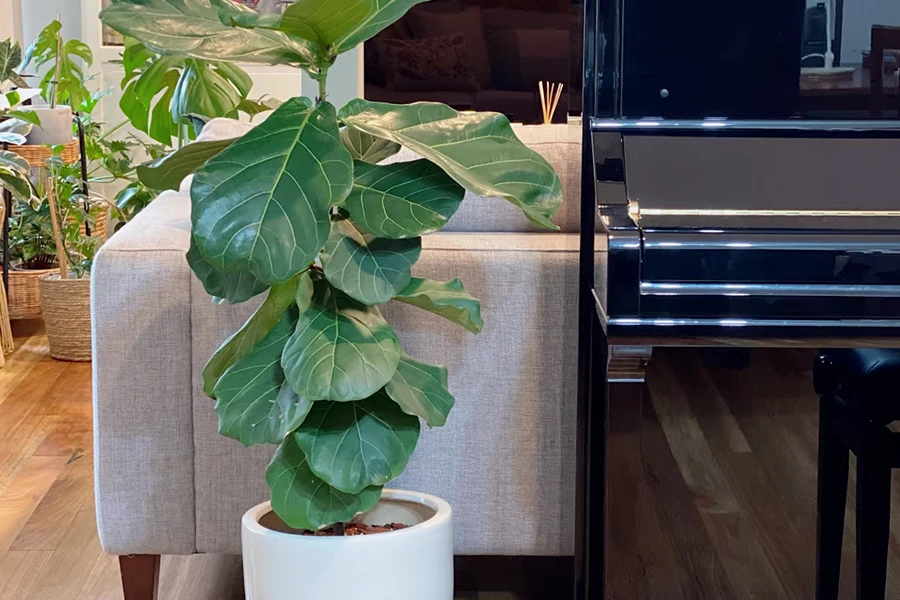
It thrives in bright, indirect light and appreciates a stable environment — it is sensitive to sudden changes in light, temperature, and watering. Consistent care is the key to keeping its leaves glossy and healthy.
Bird of Paradise (Strelitzia nicolai or Strelitzia reginae)
Indoors, the Bird of Paradise is grown primarily for its large, banana-like leaves rather than its famous flowers. These leaves can reach impressive heights and give any room a distinctly tropical feel.
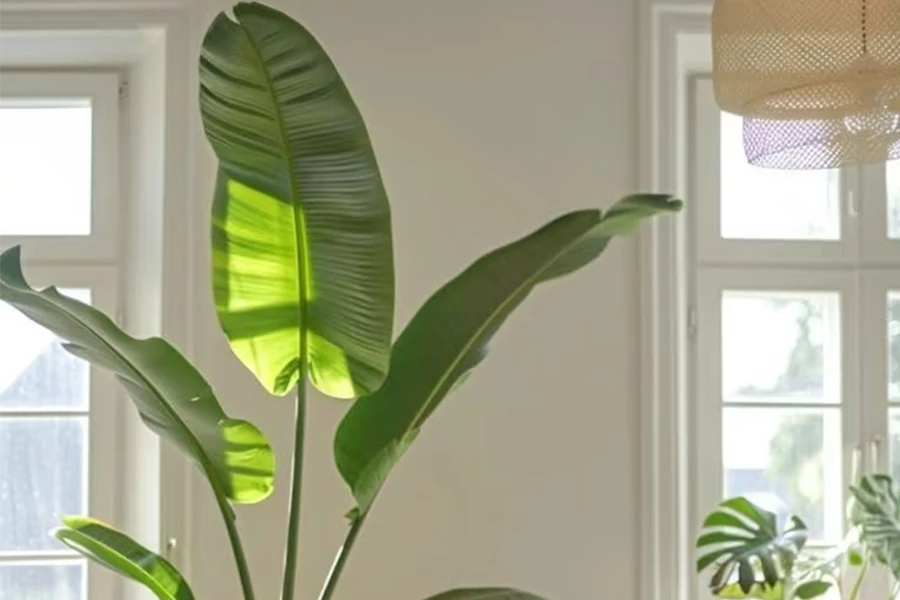
This plant enjoys very bright light, even some direct sun, and consistent watering during active growth.
Alocasia (Elephant Ear)
Alocasias are prized for their dramatic, sculptural leaves, often arrow- or heart-shaped, sometimes dark, metallic, or deeply veined.
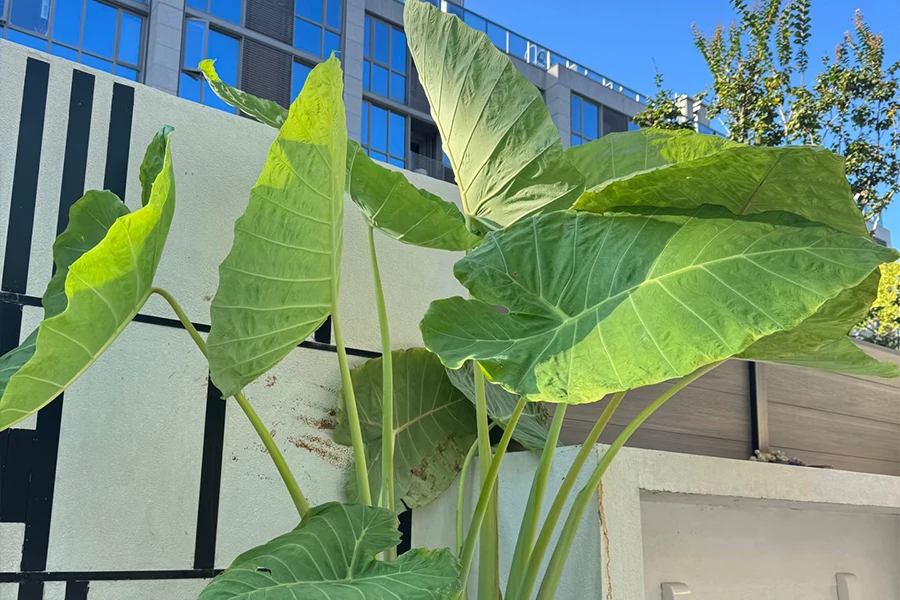
They prefer bright, indirect light, high humidity, and consistently moist soil. Because they are sensitive to dry air and temperature fluctuations, they do best in stable, humid environments.
Philodendron Selloum
(Thaumatophyllum bipinnatifidum)
Formerly classified as Philodendron selloum, this plant produces massive, deeply lobed leaves that can span several feet. It creates a lush, jungle-like presence indoors.
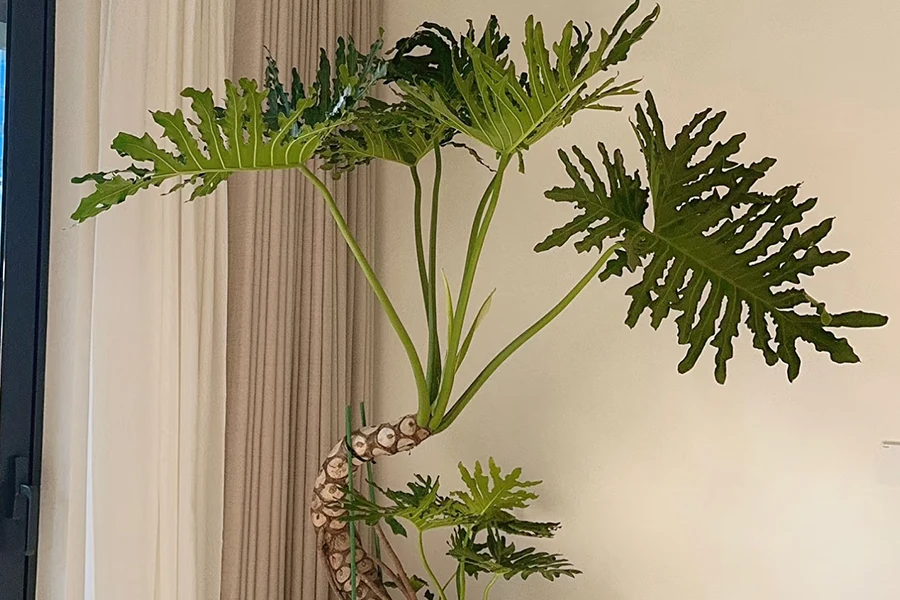
It grows best in bright, indirect light with regular watering and benefits from occasional feeding during the growing season.
Calathea orbifolia
Calathea orbifolia stands out among prayer plants for its large, round leaves marked with soft silver-green stripes. Its foliage feels luxurious and calming.
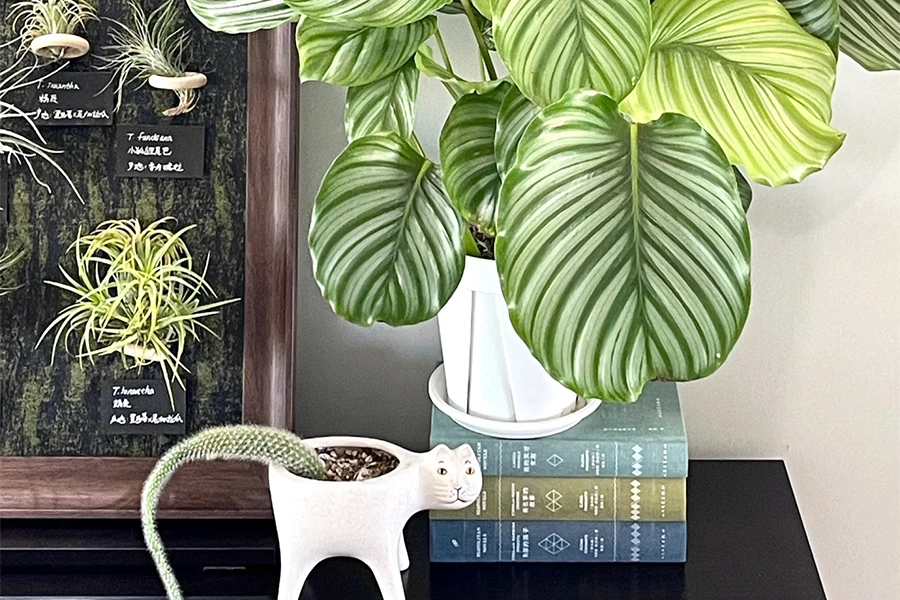
It thrives in medium to bright indirect light, high humidity, and consistently moist (but not soggy) soil. Dry air is its biggest enemy.
Essential Care for Big-Leaf Houseplants
Large foliage means higher demands — these plants simply use more water, light, and nutrients than smaller species.
Light
Most big-leaf tropical plants prefer bright, indirect light. Too much direct sun can scorch their leaves, while insufficient light results in smaller new leaves and leggy growth.
Water
Water when the top inch or two of soil feels dry. Ensure excellent drainage to avoid root rot — large plants are particularly vulnerable to waterlogged roots.
Humidity
High humidity keeps leaves supple and healthy. In dry homes, especially during winter, a humidifier can make a noticeable difference.
Feeding
Feed with a balanced liquid fertilizer every 2–4 weeks during spring and summer to support active growth.
Leaf Cleaning
Dust builds up easily on large leaves and blocks light. Wipe them down every few weeks with a damp cloth to keep them clean and functioning properly.
Support
Climbing or leaning species such as Monsteras and large Philodendrons benefit from moss poles or trellises, which encourage upright growth and larger leaves.
Using Grow Lights for Big-Leaf Plants
Because these plants evolved under bright tropical canopies, indoor light is often insufficient — especially in winter or in north-facing rooms.
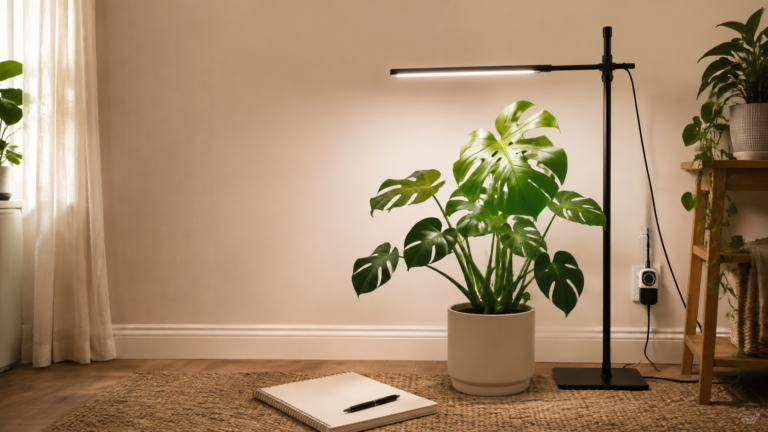
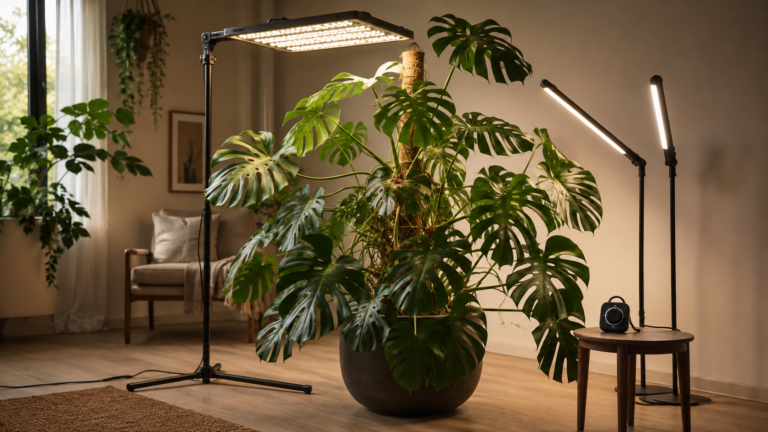
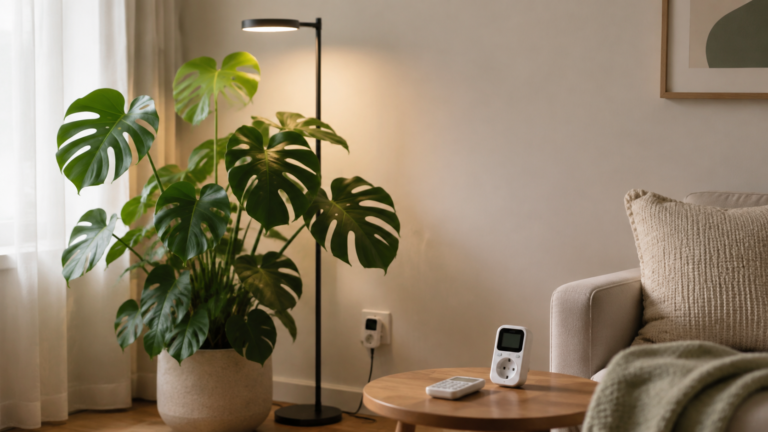
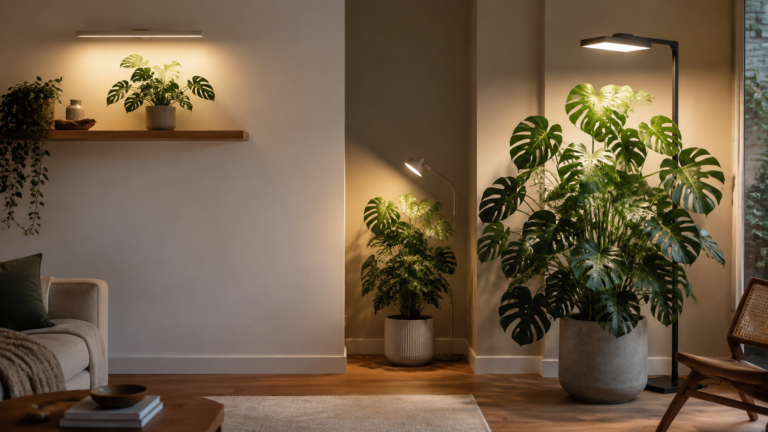
Strong, full-spectrum grow lights can dramatically improve leaf size, color, and overall health. Tall or tree-like plants benefit from overhead lighting, while collections of large plants do well with adjustable track or multi-light systems that distribute light evenly across the canopy.
Consistent light is often the single biggest factor in keeping big-leaf plants thriving long-term.
FAQ: Big-Leaf Houseplants
Do big-leaf plants grow faster than small-leaf plants?
Not necessarily. Growth rate depends more on species and care conditions than leaf size alone.
Are they harder to care for?
Not harder — just more demanding. They need more water, nutrients, and light due to their size.
How often should I clean the leaves?
Every 2–4 weeks is ideal to prevent dust buildup and keep photosynthesis efficient.
Can big-leaf plants cause allergies?
They rarely produce pollen indoors, but some species like Ficus can cause skin irritation from sap.
What does low light look like for these plants?
Smaller new leaves, stretched stems, fading color, and plants leaning toward windows are common signs.
Do they need very large pots?
They need room for roots, but overly large pots can lead to overwatering. Repot gradually every 1–2 years.
Final Thoughts
Houseplants with big leaves bring drama, calm, and beauty into a space like nothing else can. With the right balance of light, water, humidity, and care, these plants become living sculptures — evolving, growing, and transforming your home over time.
If you’re looking to make a bold statement with greenery in 2025, start with a plant that isn’t afraid to take up space.