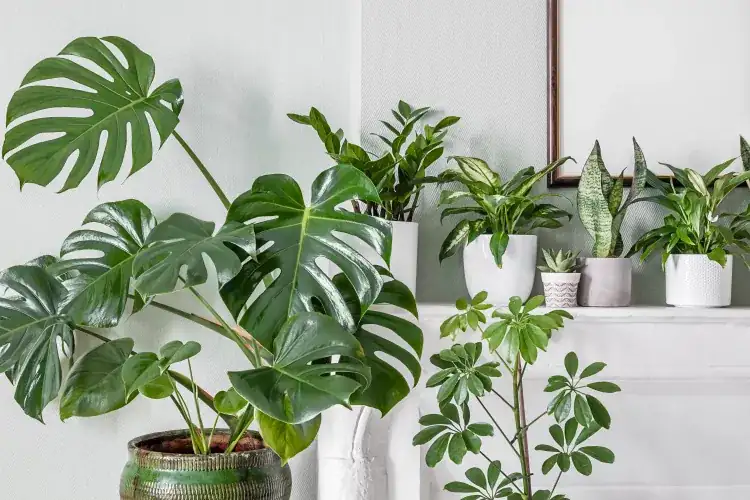
We all pour our hearts into watering, feeding, and fussing over these green companions, only to feel a pang when they seem a little sparse. The good news? With a few gentle tweaks from pro gardeners, you can coax that fuller, healthier look without overwhelming your routine.
Nurturing potted houseplants entails addressing several key aspects: selecting suitable soil, managing proper watering, ensuring adequate sunlight exposure, and warding off pests and diseases. Naturally, our goal for these container-grown greenery isn’t just their vitality—we also aim for them to enhance our living spaces with their aesthetic appeal.
Even when you adhere to all the “correct” care practices, potted plants often demand a little additional attention to maintain their lush, thriving appearance. Fortunately, these plants are quite expressive in signaling when they’re in need of some extra tender loving care.
In this guide, we’ll dive into practical, easy-to-follow advice tailored for your potted tropical plants. Drawing from insights shared by seasoned experts, these tips blend everyday care with a dash of clever innovation. Whether you’re a busy urban dweller or a dedicated hobbyist, these steps will help your plants—and your peace of mind—flourish.
Meet Our Plant Whisperers
We’re grateful to tap into the wisdom of two incredible voices in the gardening world:
- Mary Jane Duford a master gardener and founder of Home for the Harvest, who brings decades of hands-on experience with everything from seed-starting to lush indoor jungles.
- Annette Hird, an experienced horticulturist and writer for Easy Urban Gardens, specializing in making tropical plant care accessible for city living.
Their tips? Straightforward, science-backed, and oh-so-satisfying when you see the results.
Prune and Pinch for Bushier Growth
Picture this: Your tropical pothos is stretching out like it’s reaching for a hug, but it’s leaving gaps in the pot. Pruning and pinching aren’t just for outdoor gardens—they’re a game-changer for indoor tropicals too. By snipping back those tips, you’re essentially whispering to the plant, “Hey, let’s branch out a bit more.”
Annette Hird loves starting with tip pruning on vining tropicals like tradescantia, as it encourages the plant to sprout multiple stems from one spot, creating that coveted bushy vibe. For best results:
- Target the tips: Gently pinch off the newest growth just above a leaf node—this is where the magic happens, sparking side shoots.
- Timing matters: Do this in spring or early summer when your plant’s energy is high, avoiding the dormant winter months.
- Pro tip from Mary Jane Duford: Use clean, sharp shears to trim stems right above a node. It’s like giving your plant a fresh start, promoting denser foliage without stress.
Quick fact: Regular pinching can double your plant’s leaf count in just a few weeks, turning a sparse pot into a lush statement piece.
Boost Light Levels for Vibrant, Full Foliage
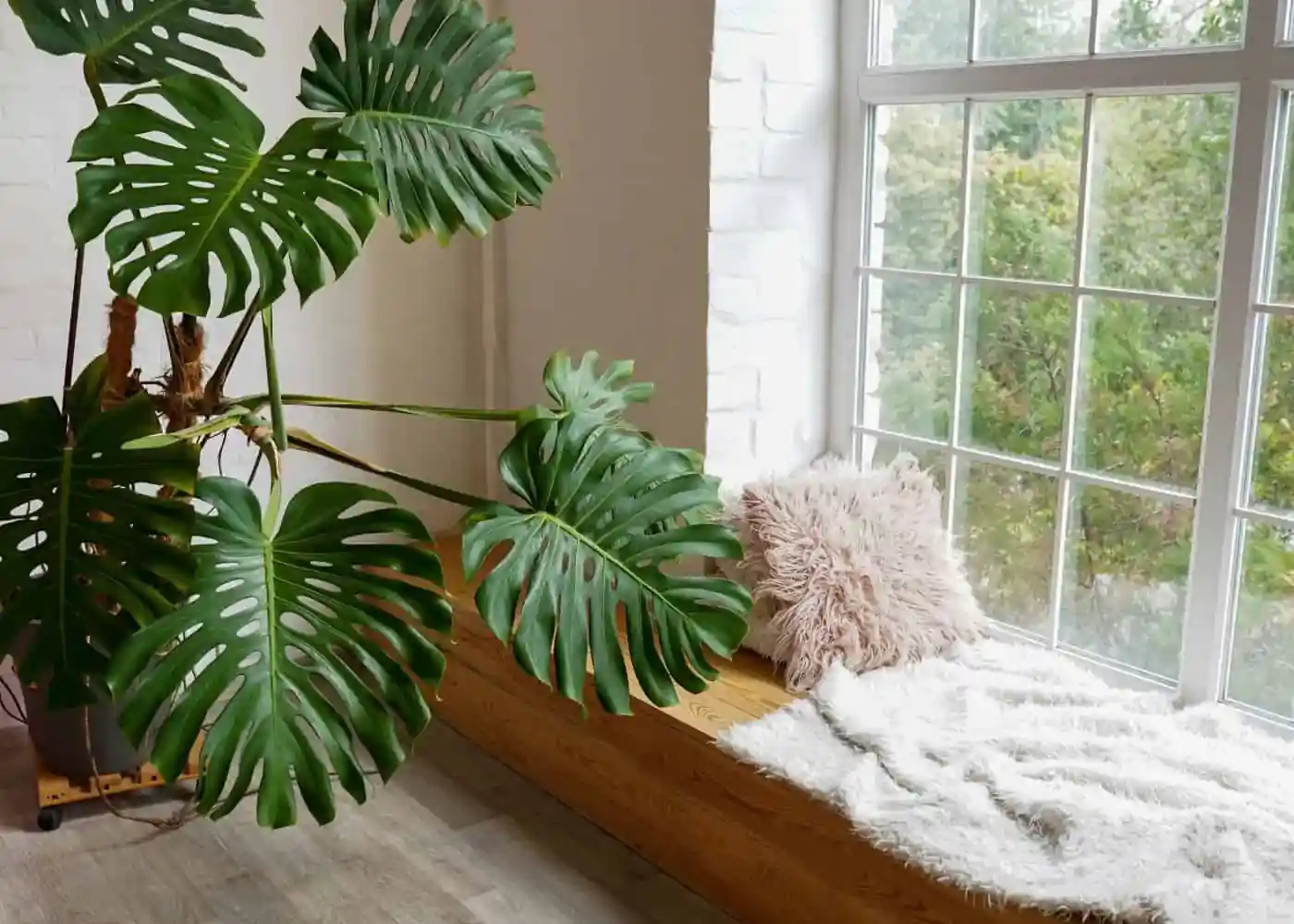
Tropical plants like monsteras and fiddle leaf figs hail from sun-dappled rainforests, so dim corners can leave them looking leggy and lackluster. If your potted pal’s stems are elongating with fewer leaves (hello, etiolation!), it’s likely craving more light.
Hird suggests a simple observation: Rotate your plant weekly toward the brightest window and watch for fuller growth. Not enough natural glow? Duford recommends a grow light—affordable LED options mimic sunlight without the burn. Here’s how to level up:
- Assess needs: Low-light lovers like snake plants need indirect rays; high-drama types like crotons demand brighter spots.
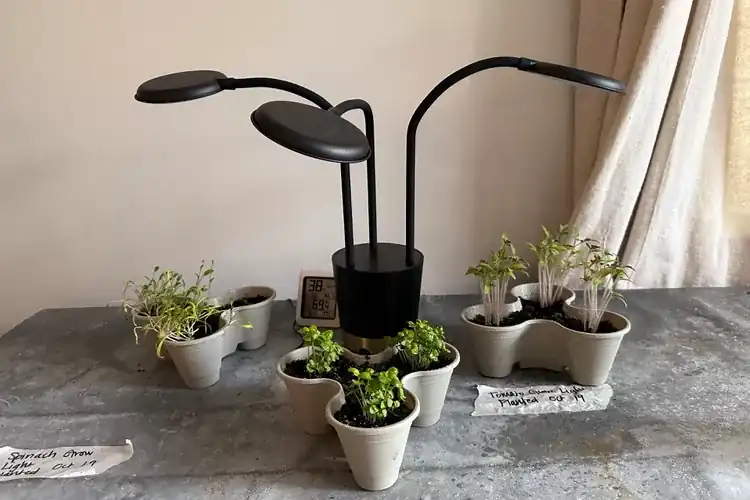
- Grow light hack: Position a full-spectrum bulb 6-12 inches above for 12-14 hours daily, especially in shorter winter days.
- Empathy check: It’s heartbreaking seeing a plant “stretch” for light—give it that boost, and you’ll both breathe easier.
This tweak alone can transform thin, sparse growth into thick, healthy leaves, making your space feel alive.
Fill Gaps Creatively Without Overcrowding
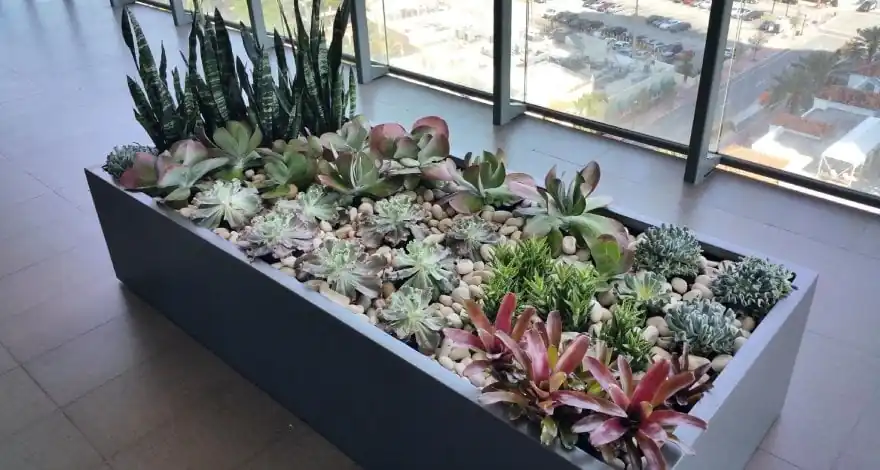
This clever little technique hinges primarily on the arrangement and potting strategy of your plants. Duford advises that placing multiple plants in a single container is a quick way to give the planter a lusher, more abundant appearance.
However, it’s crucial to avoid overcrowding them and to keep an eye out for signs that the plants are becoming root-bound—when their root systems outgrow the pot. This approach works particularly well for succulents, as they typically have small, hardy root systems that aren’t overly sensitive.
In addition, Duford suggests incorporating cuttings from tropical plants that are easy to propagate, such as tradescantia or philodendron. Simply dip these cuttings in rooting hormone and plant them alongside the primary plant in the container.
For container-grown plants started from seeds—herbs, for example—you can sow extra seeds if the resulting growth ends up looking too thin or sparse.
Duford’s go-to: Layer in companion plants or propagations for a natural, full look. For succulents or easy tropicals:
- Add multiples: Plant 3-5 small specimens in one pot for succulents like haworthia— they play nice without competing.
- Propagation magic: Snip cuttings from forgiving tropicals (think philodendron or spider plant), dip in rooting hormone, and tuck them beside the main stem. Roots form in 2-4 weeks!
- Seed strategy: For herb-filled pots, sow extras if spots are bare—thinning later keeps things balanced.
Hird reminds us: Monitor for crowding signs like yellowing leaves, and repot annually. It’s all about harmony, ensuring every plant gets its fair share of nutrients and space.
Let Fresh Air Work Its Wonders Outdoors
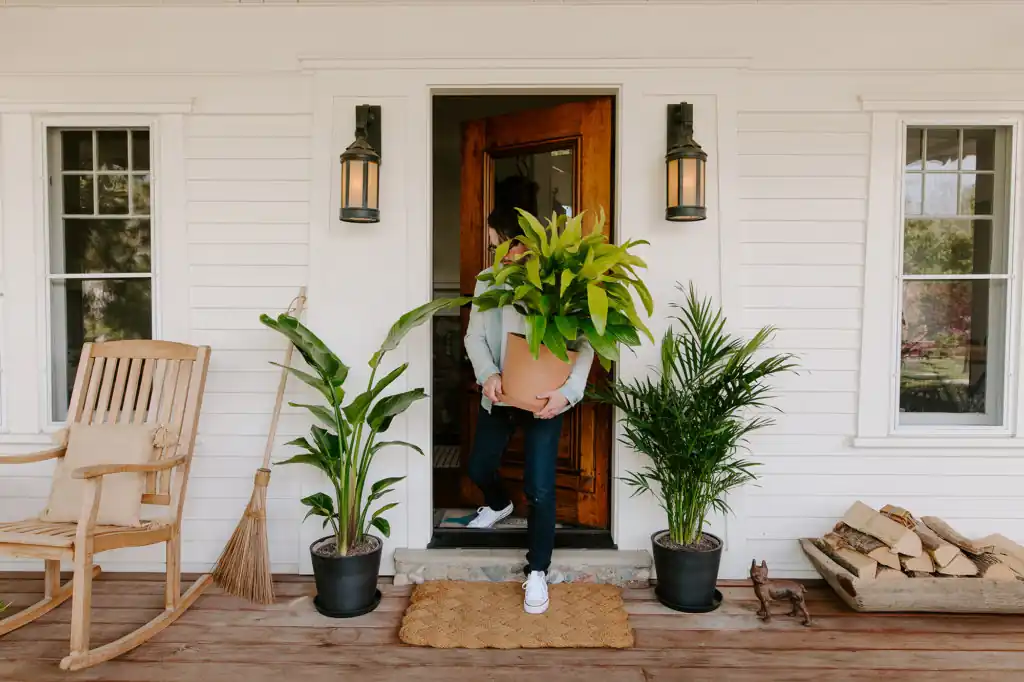
For your potted houseplants that are easy to relocate—wheeled plant stands or movable planters are great helpers for this task—relocating them outdoors when the weather turns warm can work wonders for their vitality. If you have the available space, you could even keep them outside for the entire season.
Natural elements like fresh outdoor air, extra moisture in the atmosphere, and unfiltered sunlight typically exert a beneficial influence on houseplants.
These conditions are especially effective at reviving specimens that have been struggling with stunted, lackluster growth or have grown more susceptible to insect infestations and plant diseases.
Hird advises positioning the pots in a sheltered area to shield them from harsh winds, downpours, and excessive direct sunlight. He also notes that even short periods spent outdoors can yield noticeable benefits for the plants.
- Safe setup: Use wheeled stands for easy moves; avoid direct scorchers or storms.
- Duration ideas: Start with 1-2 hours daily, building to full days. Even balcony time counts!
- Tropical twist: This mimics their native habitats, often leading to explosive new growth.
Just imagine wheeling your fiddle leaf fig outside and watching it unfurl—pure joy for you and your green friend.
Ramp Up Humidity for Lush, Droop-Free Leaves
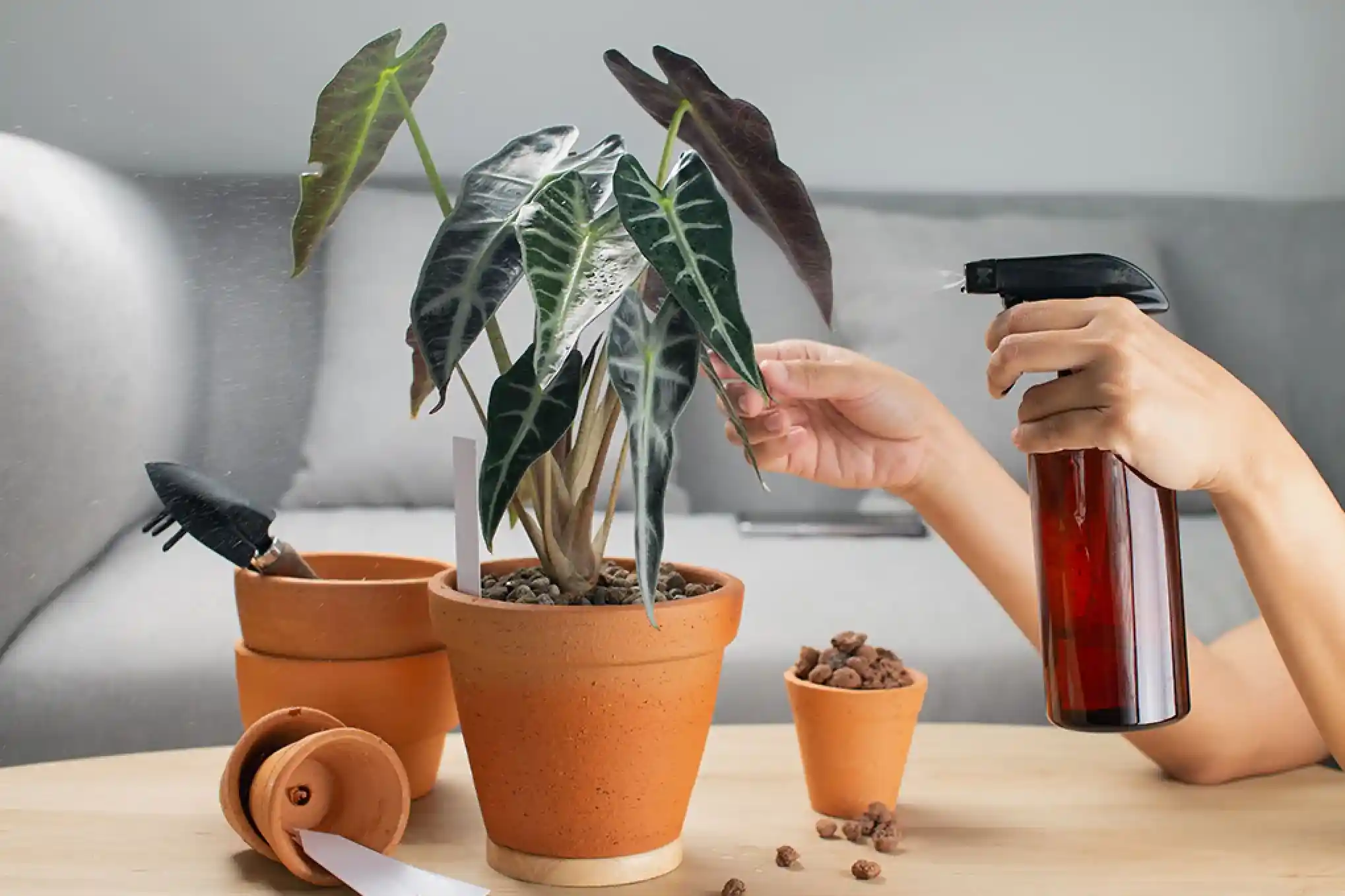
During the winter months, indoor heating setups have a tendency to deplete the air of moisture. This dry air condition can lead to wilting in certain plants and may even hinder their growth rate. As Duford notes, a large number of tropical houseplant varieties thrive in humid environments. When exposed to excessively dry air, their foliage is prone to dehydration, and leaf drop may occur as a result.
Her suggestion is to utilize a humidifier to maintain the indoor humidity at 50% or above, as this helps tropical houseplants retain their full, vibrant appearance. Additionally, light yet regular misting proves beneficial for some plants—ficus trees, in particular, stand to gain from this practice.
- Humidifier hero: Aim for 50%+; ultrasonic models are quiet and effective for multiple pots.
- Misting ritual: Lightly spritz ficus or ferns 2-3 times weekly—use room-temp water to avoid shocks.
- Group therapy: Cluster pots together; they create a mini-microclimate of shared moisture.
With this, your plants stay plump and perky, rewarding you with that full, feathery allure.
Add Support for Vining Tropicals to Climb and Flourish
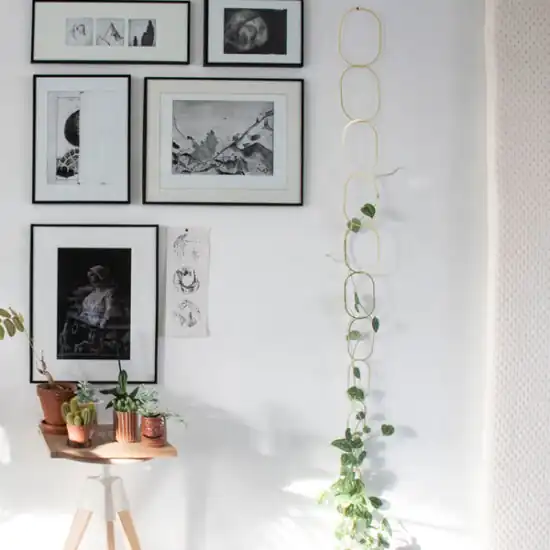
Vining and climbing flora typically thrive when provided with some form of support. In case you’ve pruned and pinched them back yet they still appear sparse, consider installing a trellis or stakes to offer additional support.
Those trailing tropical vines—pothos, ivy, or monstera—can look sparse without direction. A little structure encourages them to spread wide and fill out.
According to Duford, climbing plant varieties such as monstera and pothos are likely to achieve lusher growth when fastened to a supporting framework. To secure them, you can utilize twine or floral wire, or gently guide the vines toward the trellis or stakes—where they will naturally attach themselves.
- DIY support: Bamboo stakes for young vines; coir poles for mature monsteras that love to grip.
- Benefits unpacked: Supported plants develop stronger stems and more leaves, reducing floppy gaps.
- Hird’s nudge: Train early—once vines latch, they’ll bush out naturally.
It’s like giving your plant a ladder to its dreams, resulting in a fuller, more sculptural display.
Your Path to Lush Potted Tropicals
There you have it—six heartfelt, pro-vetted tips to nurture fuller, happier potted plants that brighten your world. From a snip here to a misty spritz there, these steps honor your plants’ tropical roots while fitting seamlessly into your life. Start small: Pick one tip this week, like pinching that leggy pothos, and build from there. Your green spaces (and your heart) will thank you.
FAQ
How often should I prune my potted tropical plants for fuller growth?
Prune lightly every 4-6 weeks during the growing season (spring-summer). Focus on tips above leaf nodes to encourage branching—always use clean tools to prevent disease.
Can I use a regular lamp instead of a grow light for my houseplants?
Not ideal—regular bulbs lack the full spectrum. Opt for LED grow lights tuned for plants to mimic sunlight and promote dense, healthy foliage without legginess.
What’s the easiest way to increase humidity for tropical potted plants?
A simple pebble tray filled with water under the pot works wonders, evaporating gently. For more control, a small humidifier targeting 50% humidity keeps leaves lush and prevents browning.
How do I know if my potted plant is root-bound and needs repotting?
Look for roots circling the pot’s edge or slow growth despite care. Gently tip it out—if roots are packed, upgrade to a slightly larger pot with fresh soil for renewed fullness.
Are there tropical plants that naturally grow fuller without much intervention?
Yes! Pothos and philodendrons are forgiving stars—they respond beautifully to basic pinching and support, filling pots quickly with minimal fuss for busy plant parents.