Sometimes yes — but not always. You need grow lights for indoor propagation when your cuttings or seedlings cannot reliably get enough usable light (most often in winter, in dark rooms, or away from windows). When light is consistently adequate (bright window, long day length, no shading), grow lights become optional.
The “why” is simple: cuttings still need light to photosynthesise and produce the carbohydrates that support survival and new root growth—but too much light can also increase leaf temperature and transpiration, causing wilting and failure. Good propagation lighting is about enough and consistent, not “as bright as possible.”
Table of Contents
The real job of light during propagation
Propagation lighting does three practical things:
- Keeps the cutting alive while it has no roots A fresh cutting can’t replace water loss efficiently. Moderate light supports photosynthesis without pushing the plant into excessive transpiration.
- Drives steady, compact growth (instead of stretched, weak growth) Low indoor light commonly leads to leggy, pale growth. Many extension guides recommend supplementing with artificial light when days are dark/cloudy.
- Gives you consistency Indoors, natural light can swing wildly day to day. A timer + LED makes propagation results more repeatable (especially for “prop box / mini greenhouse” setups).
When grow lights are necessary(use this checklist)
You likely need a grow light if 2+ of these are true:
- Your propagation station is more than 1–2 metres from a bright window
- It’s winter or you live where days are short/overcast
- You’re using an enclosure (box/cabinet/tent) and the location is intentionally away from sun to avoid overheating
- You’re rooting leafy tropicals (aroids, begonias, etc.) that stall in low light
- Your cuttings are making tiny leaves, stretching, or taking forever to root
Cornell Extension-style advice is blunt: if days are too dark, give plants help with artificial light (fluorescent or LED).
When grow lights are optional
Grow lights are usually optional if:
- You have a bright east/south window (filtered sun is fine)
- You can maintain stable warmth and avoid drafts
- Your cuttings are not stretching, yellowing, or stalling
- You’re propagating easy plants (pothos, tradescantia) in a bright spot
Even then, a small light can still improve speed and consistency—it’s just not required.
Light during propagation doesn’t act alone. Its effect is closely tied to humidity, airflow, and enclosure design.
In enclosed setups like humidity boxes or mini indoor greenhouses, light intensity must be managed more carefully because heat and moisture behave differently than in open air.
How much light do cuttings actually need?
For many common herbaceous cuttings, professional propagation guidance often targets a moderate Daily Light Integral (DLI) during rooting—enough for photosynthesis, not so much that it overheats tissues. One industry guidance example notes maintaining a DLI around ~5 mol·m⁻²·d⁻¹ in a stage of rooting, with warnings that too much light increases transpiration and wilting.
MSU’s propagation lighting guidance also emphasises managing both intensity and DLI during propagation.
Translation for home growers: aim for moderate, even light for long hours rather than blasting intense light for short hours.
Best grow light type for indoor propagation
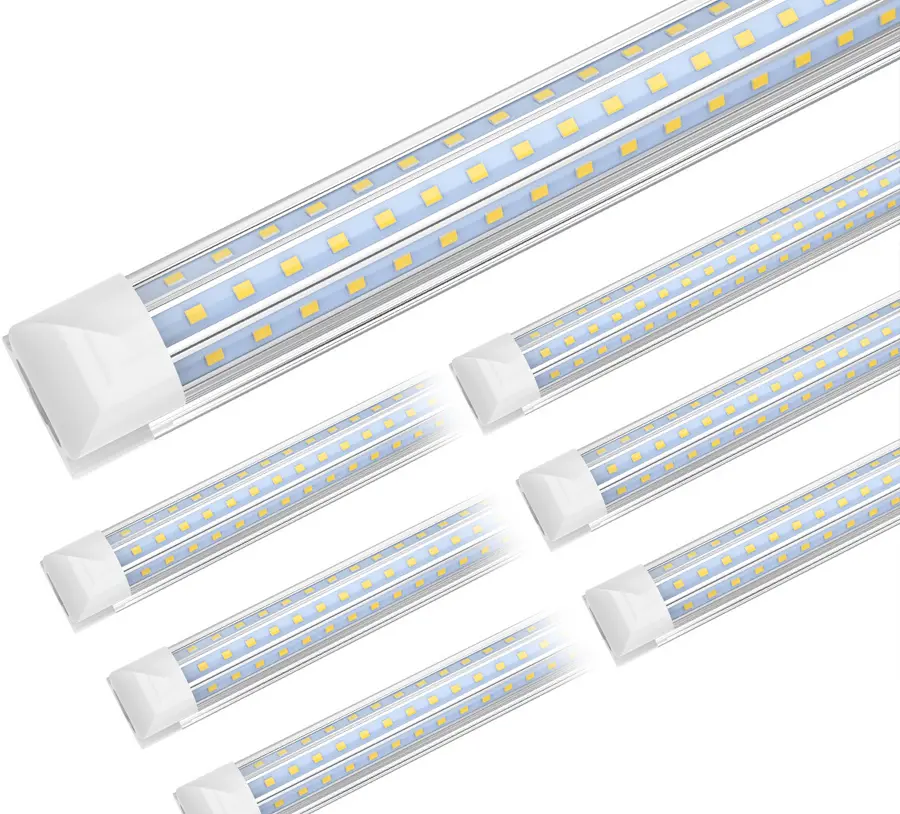
Full-spectrum / neutral white LEDs (recommended)
- Work well across growth stages
- Efficient and low heat (helpful inside boxes/cabinets)
- Easier to judge plant health under “normal-looking” light
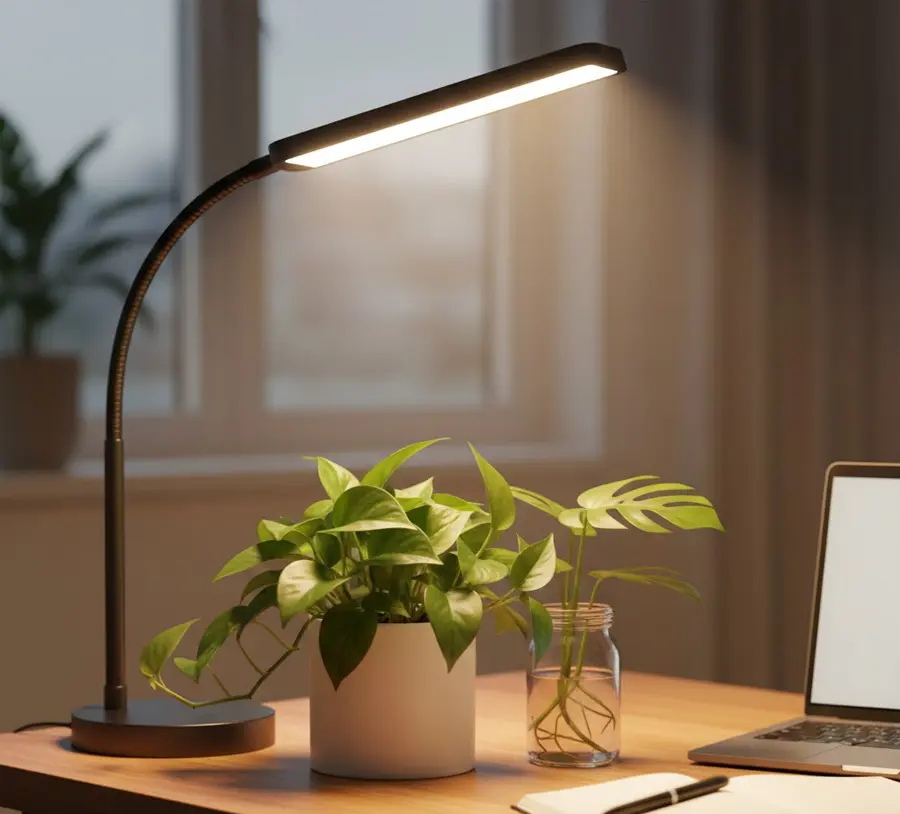
University extension resources generally support LEDs as a good option for indoor lighting when natural light is insufficient. Common household items like the eye-protecting desk lamps used on home desks are usually full-spectrum and are very suitable for plants. Therefore, if you place plants on your desk and turn on the lamp directly above them, the plants will thrive.
Fluorescent shop lights (still effective)
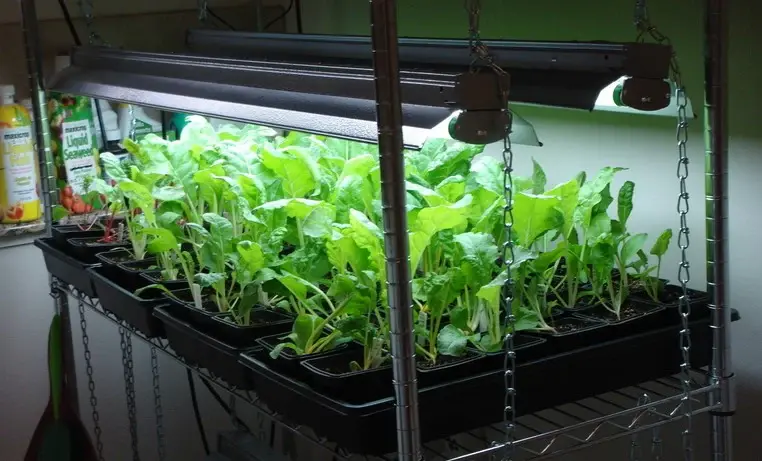
They can absolutely work (especially for seedlings), and multiple extension plans show simple stand setups.
Key idea: don’t get trapped by marketing. The plant cares about usable light delivered to the leaves, not the word “grow” on the box.
Photoperiod (how many hours per day?)
Most indoor-plant lighting guidance emphasises that plants need a dark period, and recommends not running lights indefinitely; Maryland Extension notes most plants should not be illuminated for more than 16 hours/day in total.
Practical starting point for propagation:
- 12–14 hours/day for most cuttings and seedlings
- Up to 16 hours/day in very dim seasons, while still allowing darkness
Use a timer. Consistency matters more than “guessing.”
Distance and placement (what people get wrong)
Most indoor cuttings root best with bright, gentle light for 12–16 hours/day, delivered close enough to be useful but not so close that it overheats the leaves. In practical terms, aim for roughly 5,000–10,000 lux at leaf level (good “bright shade” territory) or about 50–150 µmol/m²/s PPFD for most common houseplant cuttings. These are not absolute rules—but they are reliable starting ranges that prevent the two biggest failures: too dim (stretch + slow rooting) and too intense (leaf stress + dehydration).
What most people do: hang a light too far away → plants stretch → “propagation is slow.”
Better approach:
- Put the light directly above the propagation area
- Prioritise even coverage (not a hot spot on one cup)
If you’re using a humidity box or mini greenhouse, lights that run cool reduce heat buildup risk (a common failure mode in enclosed setups).
How much light do cuttings actually need?
Cuttings don’t need “blasting.” They need enough light to power basic photosynthesis while they’re busy building roots. Too little light means the cutting can’t produce energy efficiently (so rooting drags), and it often starts stretching. Too much light raises transpiration and heat, which is exactly what an unrooted cutting struggles to handle.
Useful starting ranges (not absolute):
- Lux (easy to measure):
- Most leafy houseplant cuttings: 5,000–10,000 lux at leaf level
- “More demanding” cuttings (some aroids, faster growers): 10,000–15,000 lux if heat is controlled
- If you’re consistently under 2,000–3,000 lux, expect slow results and stretching.
- PPFD (more precise):
- Most cuttings: ~50–150 µmol/m²/s PPFD at leaf level
- If you’re pushing above ~200 µmol/m²/s in a closed humidity box, watch for heat stress and condensation spikes.
If you’re propagating inside a closed box, light placement and humidity control become the same problem—because extra heat changes evaporation and condensation. (This is why humidity targets matter—see How to Control Indoor Humidity for Plants.
Use a light meter to stop guessing (and place the light correctly)
If you want propagation to be repeatable, a simple lux meter (or a phone lux app as a rough baseline) is the fastest way to dial in placement.
How to measure (30 seconds):
- Turn on your grow light and let it run 5 minutes.
- Place the sensor right where the cutting leaves sit (not on the shelf above).
- Check 3–5 spots across the tray/box (centre + corners).
- Adjust height until most spots fall into your target range.
A practical placement rule:
If your centre reads 10,000 lux but corners are 3,000 lux, propagation will be uneven. Raise the light slightly or use a wider fixture to smooth coverage.
Common problems (and fixes)
1) Cuttings wilt inside a prop box
Cause: light too strong and/or too close; high leaf temp drives water loss.
Fix: raise the light, reduce intensity, or add gentle airflow; aim for moderate DLI rather than max brightness.
2) Mold / fungus shows up
Cause: enclosure + high humidity + stagnant air.
Fix: short daily venting, small fan on low, avoid overwatering. (Light isn’t the root cause, but stronger light can increase warmth and condensation cycles.)
3) Slow rooting, no growth for weeks
Cause: insufficient light quantity (common indoors).
Fix: add LED lighting + timer; ensure enough hours per day. Extension guidance supports supplementing when days are dark.
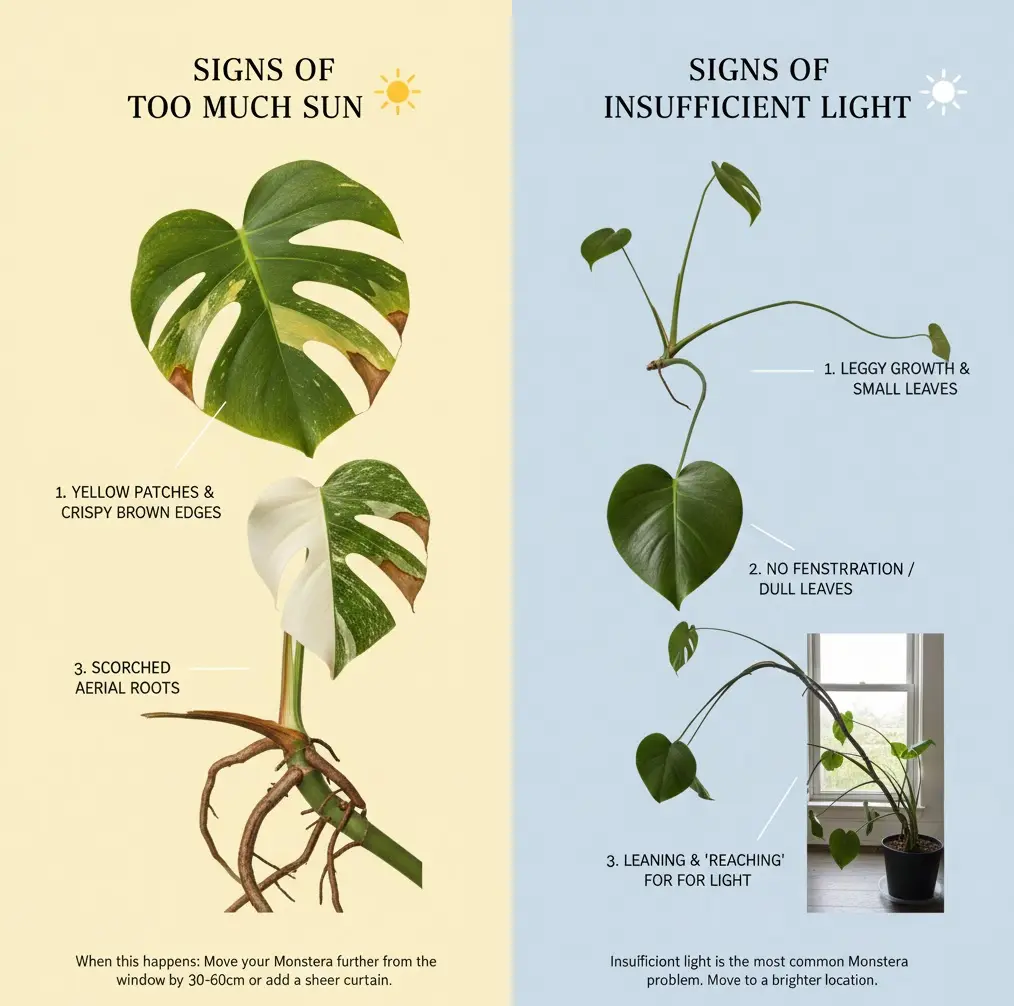
4) Leggy, pale seedlings
Cause: light too weak or too far.
Fix: bring lights closer and increase duration; seedling-under-lights guidance stresses that “quantity” is often the real issue.
Choosing a grow light without overbuying
Use this simple decision logic:
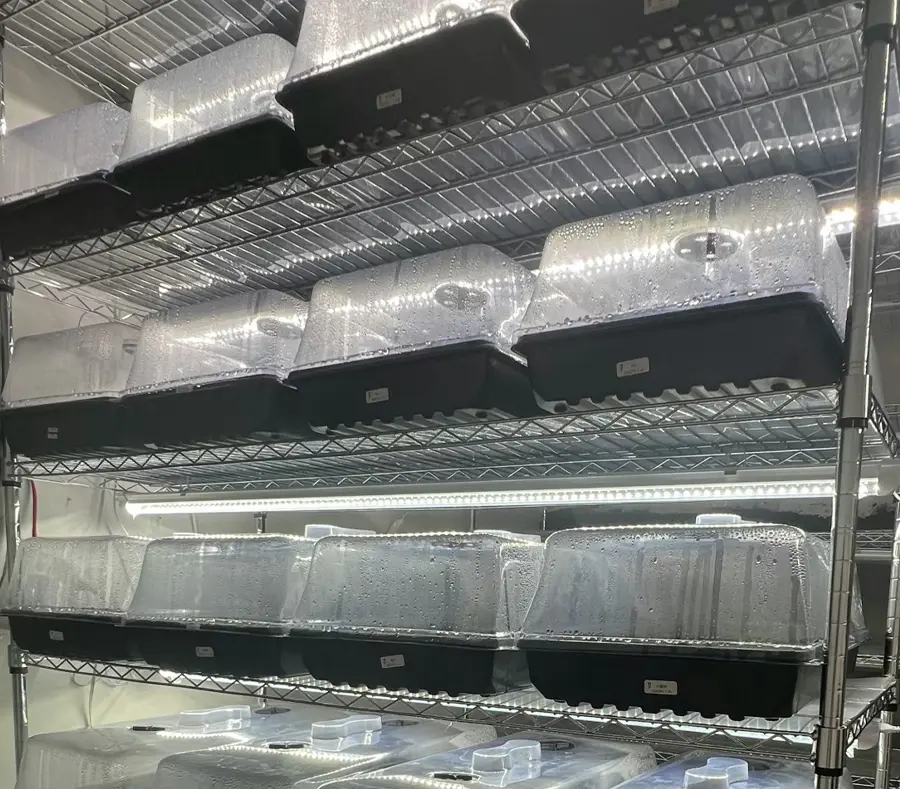
- Small propagation station (cups/trays, 1–2 shelves): slim LED bar(s) above each level
- Cabinet / IKEA greenhouse: LED bars per shelf + timer
- Wire rack with clear cover: multiple bars for uniform coverage (top-to-bottom)