Even if you live in a small dorm, having a little patch of green space to call your own can make you feel more comfortable and even improve your mood – and as students ourselves, we understand that many people don’t have much time for plants that require extensive care or take up a lot of space.
That’s why I’m here to share some heartfelt favorites: resilient, space-smart plants that feel like a gentle hug for your space. These low-maintenance gems not only survive your schedule but thrive alongside it, bringing that fresh, earthy vibe without the guilt of a wilted leaf.
Why Bring Plants into Your Dorm? A Little Green Goes a Long Way
Picture this: You flop onto your bed after a late-night cram session, and instead of stark white walls, there’s a whisper of green catching the light. It’s more than decor—it’s a quiet ally in your daily hustle.
Studies from NASA highlight how plants like these can filter out everyday toxins, swapping stale air for something cleaner and crisper, which is a game-changer when you’re hunkered down for hours of virtual lectures or essay marathons. But beyond the science, there’s that emotional lift: a quick glance at thriving foliage can dial down stress and spark a smile.
As someone who’s juggled syllabi and soil myself, I promise—nurturing even the toughest plants builds a sense of accomplishment. And the best part? They won’t demand wall holes or roommate negotiations; just a sunny sill or shelf will do.
Key Traits for Your Perfect Dorm Plant Picks
Choosing the right greenery shouldn’t feel like another exam. Let’s keep it simple and empathetic to your reality—dorm life means limited light, zero time for fuss, and space that’s more “snug” than “sprawling.” Here’s what to prioritize:
Compact and Clever Growth
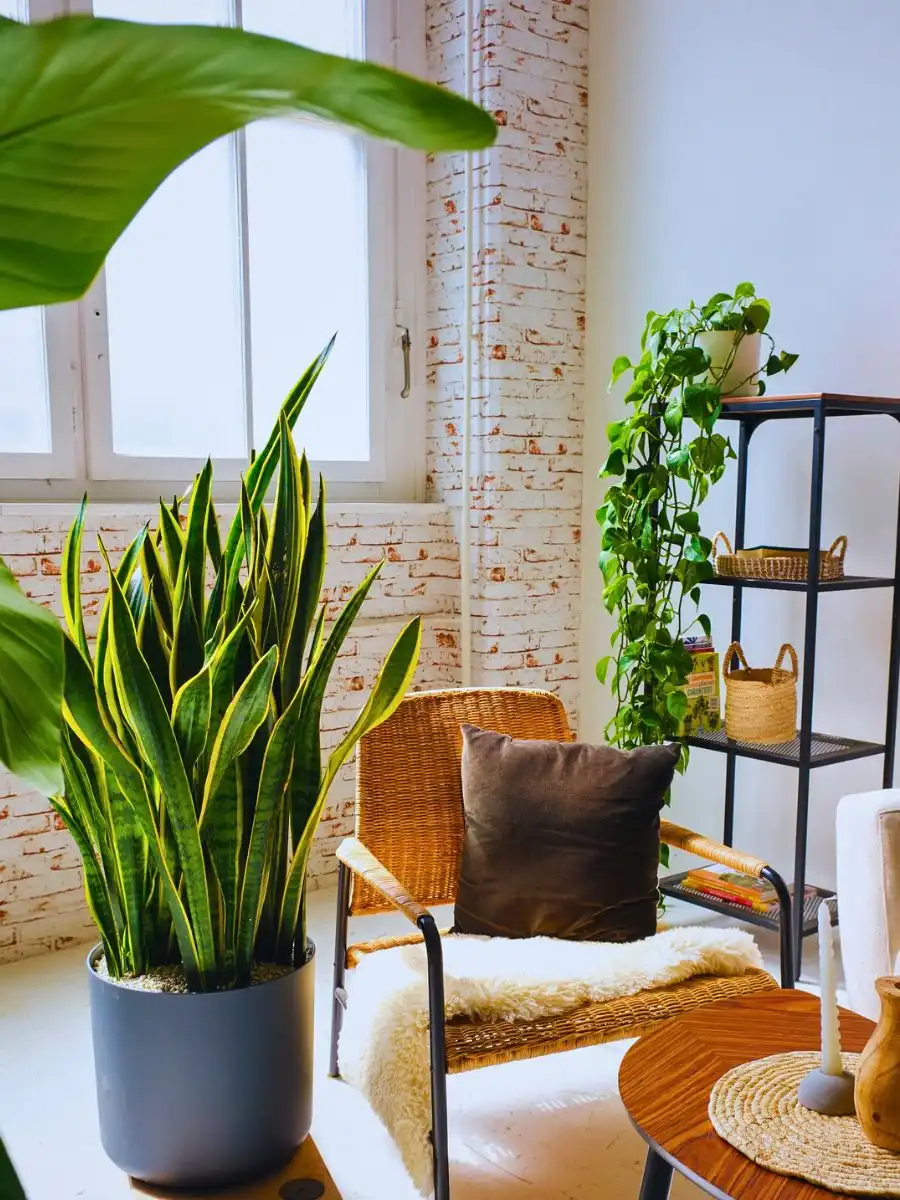
When choosing plants for your dorm, “taking up little space” is a key principle, especially since most dorm rooms have limited space. Prioritize varieties with a compact growth habit that don’t greedily occupy space, and avoid plants that will grow larger and larger—even taking over the entire room—this will only make the already small dorm feel more cramped.
Specifically, two types of plants are particularly suitable: one is small potted plants, such as mini succulents and dwarf pothos. They have a small plant shape and can take root on the corner of a desk or the edge of a windowsill without taking up space for desk work. The other is vertical climbing plants, like ivy and string of pearls. They don’t spread outwards but grow upwards along brackets or walls. This not only creates a three-dimensional greening effect but also completely “frees up” floor and desk space, allowing the dorm to add greenery while still remaining neat and spacious.
Forgiving Care Routines
As a student, your schedule is always filled with classes, assignments, and club activities. You simply don’t have the energy to water plants every day, let alone take time for thorough care. That’s why you must prioritize “low-maintenance” plant varieties when choosing—their care routines come with built-in “forgiveness,” allowing them to tolerate your occasional neglect.
Take those drought-tolerant “easy-care stars” for example: succulents like cacti and aloe vera can “brush off” being forgotten for a week or two without water, thanks to their ability to store moisture. Snake plants are another great option—even if left in a corner and occasionally overlooked, they can still take root and grow steadily. This ability to thrive under “casual care” perfectly matches the busy, irregular rhythm of student life, letting you enjoy a touch of greenery effortlessly without extra effort.
Light Flexibility
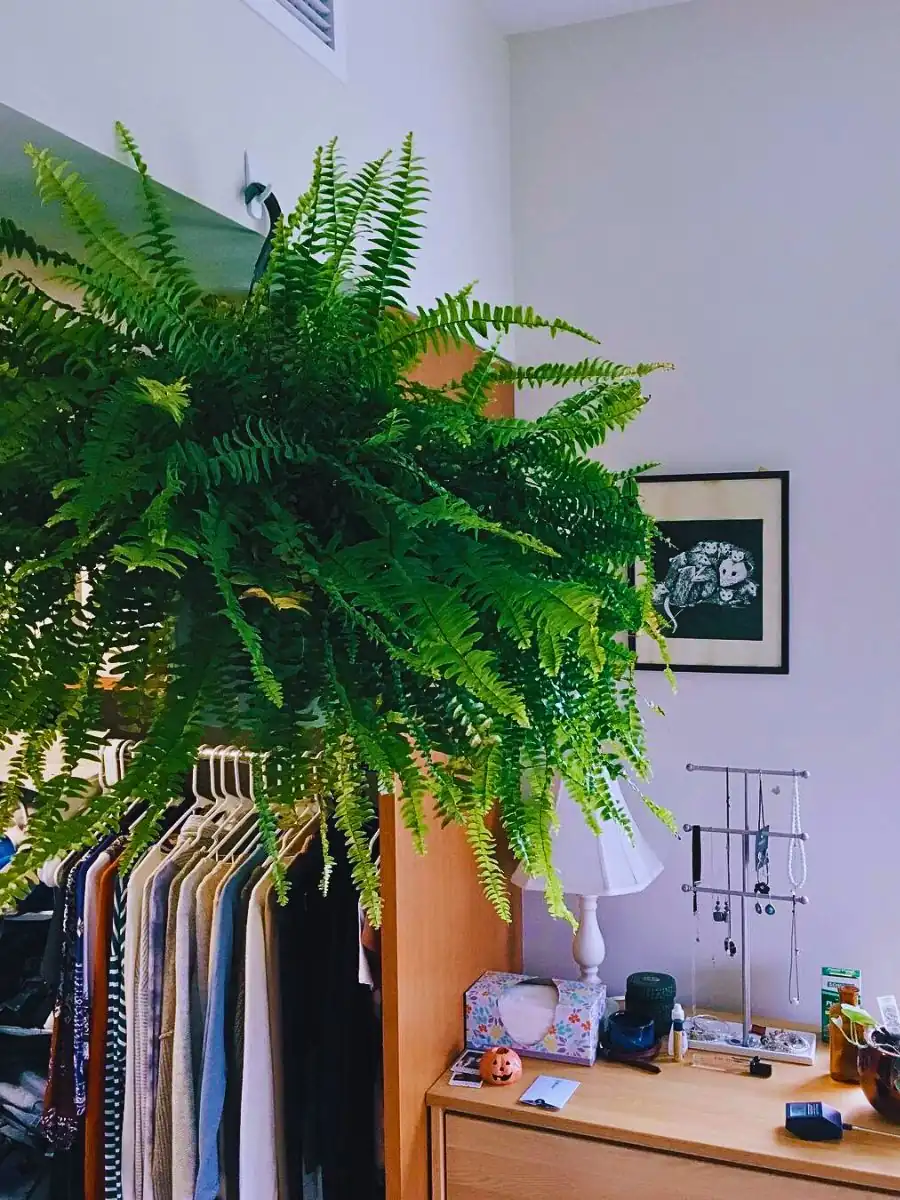
When choosing plants for your dormitory, start by considering the lighting conditions. Most dormitories, especially university dormitories, usually have insufficient natural light, so it is advisable to select plant varieties that can tolerate low to medium light.
If the window in your dormitory gets particularly abundant sunlight, you are undoubtedly lucky, and you will have a wider range of plants to choose from. However, even in this case, it is a more secure choice to prioritize plants that can adapt to a variety of lighting conditions. Most dorms lean low-light, so scout shade-lovers that won’t sulk in your north-facing nook.
Bonus Perks
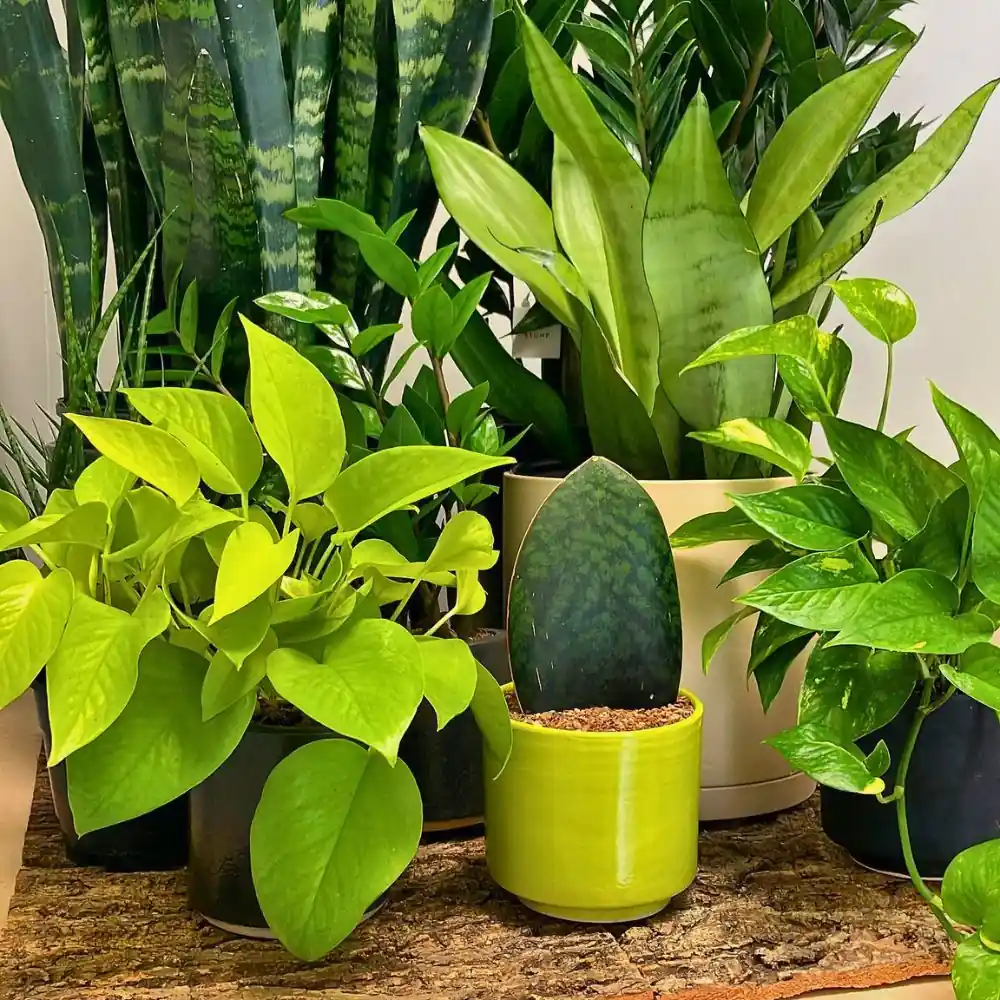
Air-cleaning superstars and easy-to-share propagations mean healthier vibes and instant gifting for hallmates.
First, they are “superstars” at air purification. Snake plants, as mentioned earlier, can absorb common indoor harmful gases like formaldehyde and benzene. Cacti also release oxygen at night, freshening the air in the enclosed dorm. Staying in such an environment long-term can indirectly boost the comfort and health of your living space.
Second, many dorm plants are extremely easy to propagate. For example, you can cut a leaf from a snake plant, let it dry, and then plant it in soil; or separate the offsets of a cactus—both methods will quickly grow new plants. These hand-grown small potted plants not only let you experience the sense of accomplishment from planting but also serve as warm little gifts for your hallmates, easily bringing you closer and fostering a more harmonious dorm atmosphere.
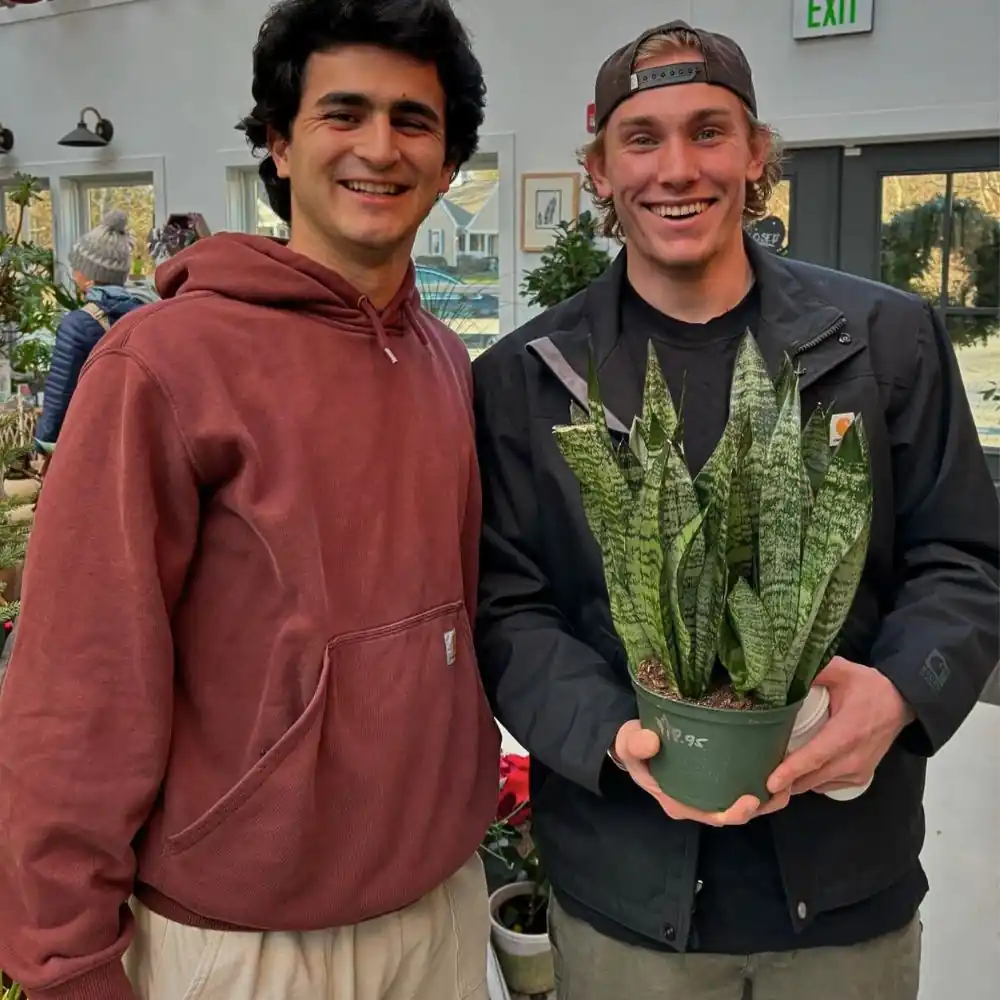
If you’re new to this, start small—no judgment here. These picks are as beginner-friendly as they come, forgiving those “oops, forgot again” moments.
Spotlight on Stars: Top Low-Maintenance Dorm-Friendly Plants
Let’s dive into the lineup, shall we? Each one’s a trusty sidekick, vetted for dorm demands. I’ll break it down with care tips tailored just for you.
Snake Plant: Your Unkillable Study Buddy
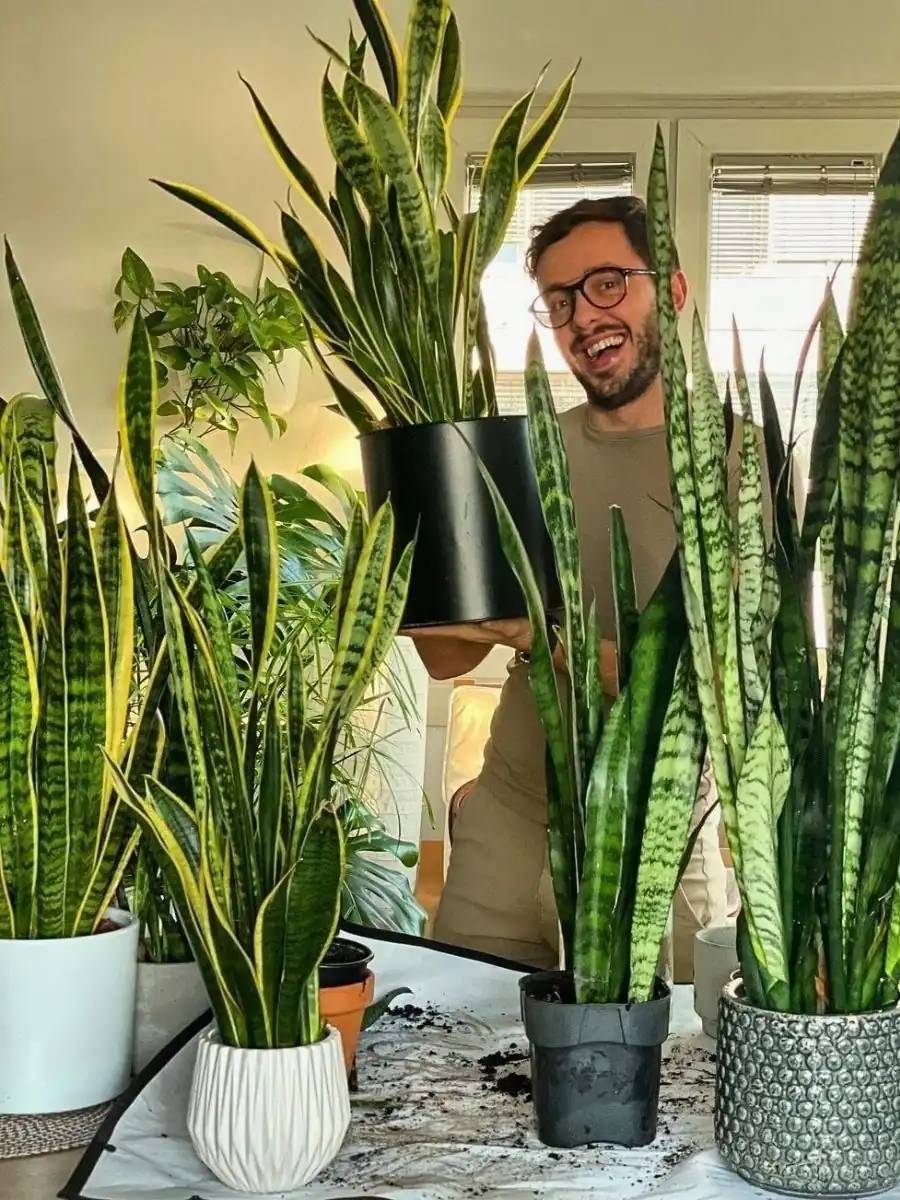
When it comes to the snake plant, it also has a vivid nickname – “Mother-in-Law’s Tongue”. This name comes from its leaves, which are as sharp as swords, with neat edges and tough texture, standing there with a lively vitality. Its plant shape is “tall and slender”; it can grow up to about 1.2 meters high, but the leaves are very narrow. Whether placed in the corner of a desk as a “small desktop landscape” or in the gap on the dorm floor, it won’t take up much space. It can be called a “space-saving expert”, especially suitable for the compact layout of dormitories.
I really like the “resilience” it has, which is similar to that of students: insufficient light? It doesn’t affect its growth at all. Even if the dorm only has sporadic light coming through the window, it can take root firmly. Watering frequency? Even more worry-free – watering it once every 2-3 weeks is enough. After each thorough watering, its leaves with yellow-green striped patterns seem to “sway” gently, as if saying “thank you” to you.
Here’s a useful fact: the snake plant is a “small air-purifying guard” recommended by NASA. It can quietly absorb and decompose harmful gases such as benzene and formaldehyde that may be released from dorm furniture and boards. This allows you to breathe fresher air when staying up late to finish homework or review for exams, indirectly reducing the discomfort of staying in the stuffy dorm.
However, one thing to note during maintenance – it’s better to underwater than overwater. Waterlogged and damp soil is a “fatal harm” to it, which can easily lead to root rot. Finally, a pro tip: wipe its upright leaves with a damp cloth every month to remove dust, allowing it to carry out photosynthesis better and grow more vigorously.

Pothos: The Graceful Hanger for Empty Walls
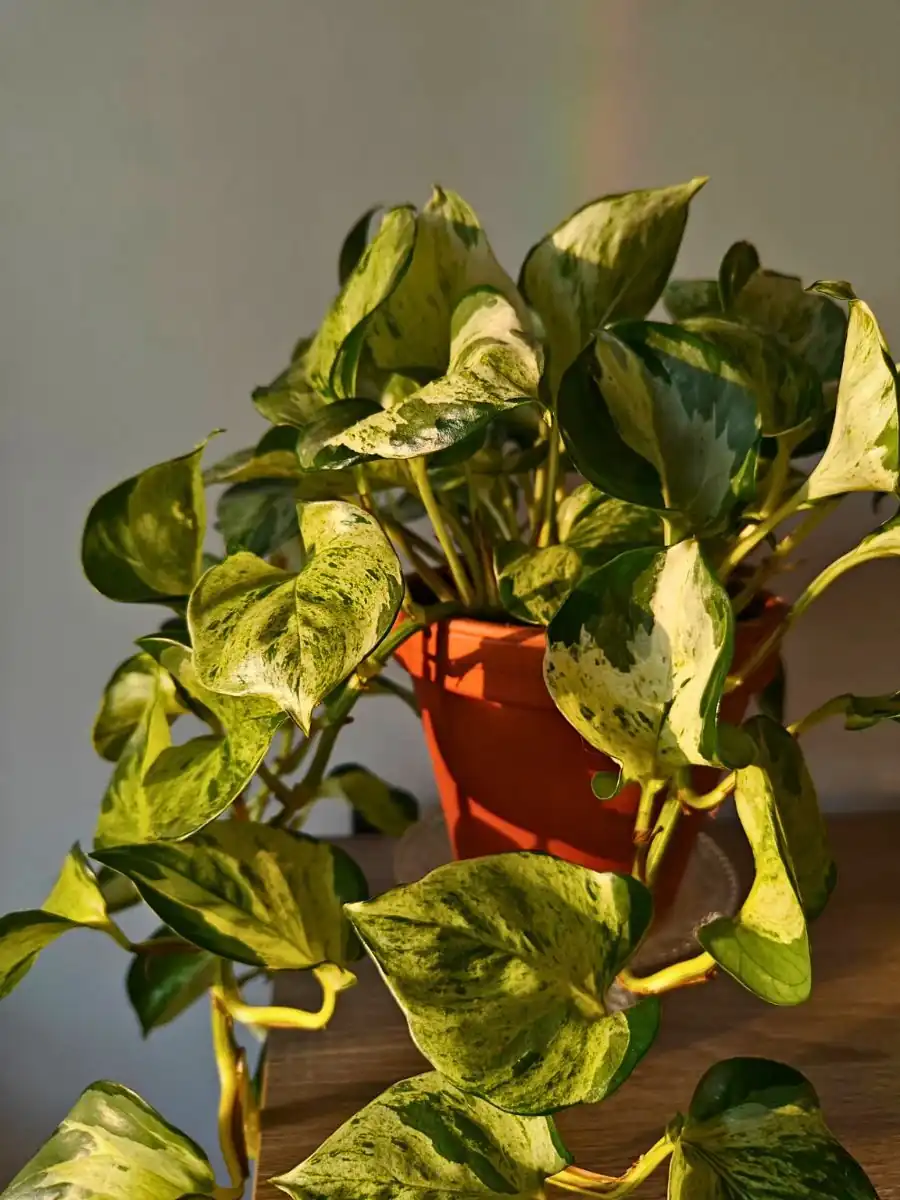
If you want to turn your dorm walls into a dedicated “green canvas,” you definitely need to get to know pothos—a trailing vine adorned with heart-shaped leaves that drape down like a vivid, living green curtain, adding a sense of natural layering to your dorm.
Place it on a high bookshelf or the top of a wardrobe, and its vines will hang gracefully along the edges. It softens the sharp corners of the space gently without spreading around and taking up desk space, making it a “space-beautifying artifact” for small dorm rooms.
For people who often forget to take care of plants, pothos is the top choice for “low-maintenance” care. It isn’t fussy about light and can adapt to environments ranging from low light to bright indirect light. There’s no need for strict control over watering frequency either—just wait until the top 1-2 inches (about 2.5-5 centimeters) of the soil in the pot dries out before watering. If you notice yellow leaves, don’t panic; this is usually a sign of overwatering, and reducing the amount of water will help it recover gradually.
What’s more, the propagation process of pothos is surprisingly simple, making it perfect for beginners who want to try plant cuttings. Just cut a stem with aerial roots, put it in clean water, and without any special care, you’ll see white roots sprouting in a few weeks. You can give these pothos seedlings you’ve grown yourself to your roommates.
Compared to the short-lived joy of buying coffee together, this “green gift” is not only more economical but also helps you deepen your bond while taking care of the plants together, creating a unique dorm friendship.
ZZ Plant: The Zen Master of Neglect
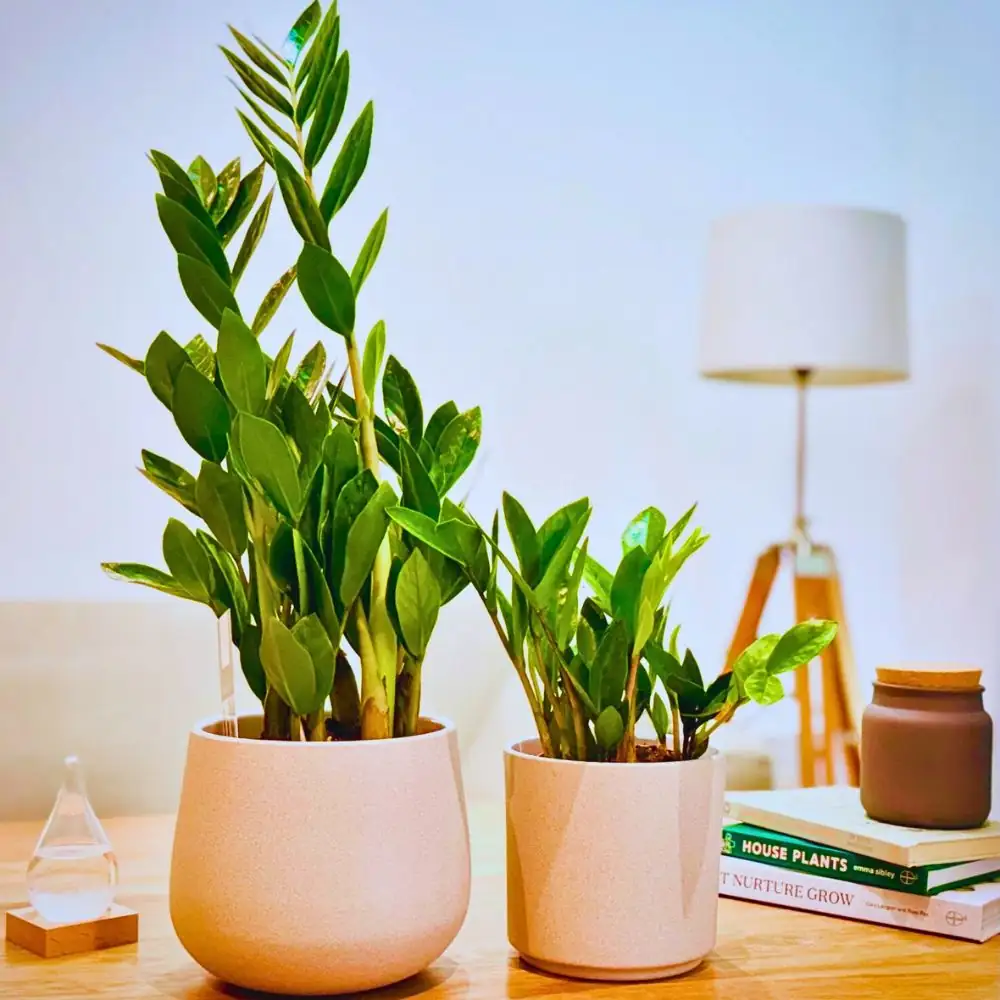
ZZ plant (scientific name: Zamioculcas zamiifolia), which is definitely a “combination of beauty and strength” among dorm plants. Its leaves are shiny and plump, spreading outward in an elegant arch. No extra decoration is needed—it naturally exudes an “effortless elegance”. Whether placed casually in the corner of a desk or on a windowsill, it can instantly enhance the style of the dorm.
As a “lazy-friendly” plant, the ZZ plant grows slowly and has extremely strong drought tolerance. Even if you forget to water it, it can survive for up to 3 weeks by relying on its ability to store water, perfectly matching the busy schedule of students. It is also extremely lenient with light requirements; it can survive healthily even in “low-light environments” like dorms where natural light is insufficient. If you place it by a window with indirect sunlight, its leaves will appear more green and vibrant. But even on consecutive cloudy days, it can “tolerate” this lack of light and won’t wither easily.
However, a small reminder is needed: the sap of the ZZ plant is slightly toxic, and accidental ingestion by pets may cause discomfort. If there are furry friends like cats or dogs frequently coming and going in the dorm, it is recommended to place the ZZ plant on a high place to prevent pets from touching it. Other than that, the ZZ plant has almost no “minefields” in care. Even during midterm exam week, when you have no time to take care of it at all, it can still survive steadily, making it a truly “low-maintenance treasure plant”.
Succulents: Adorable Mini Worlds on Your Sill
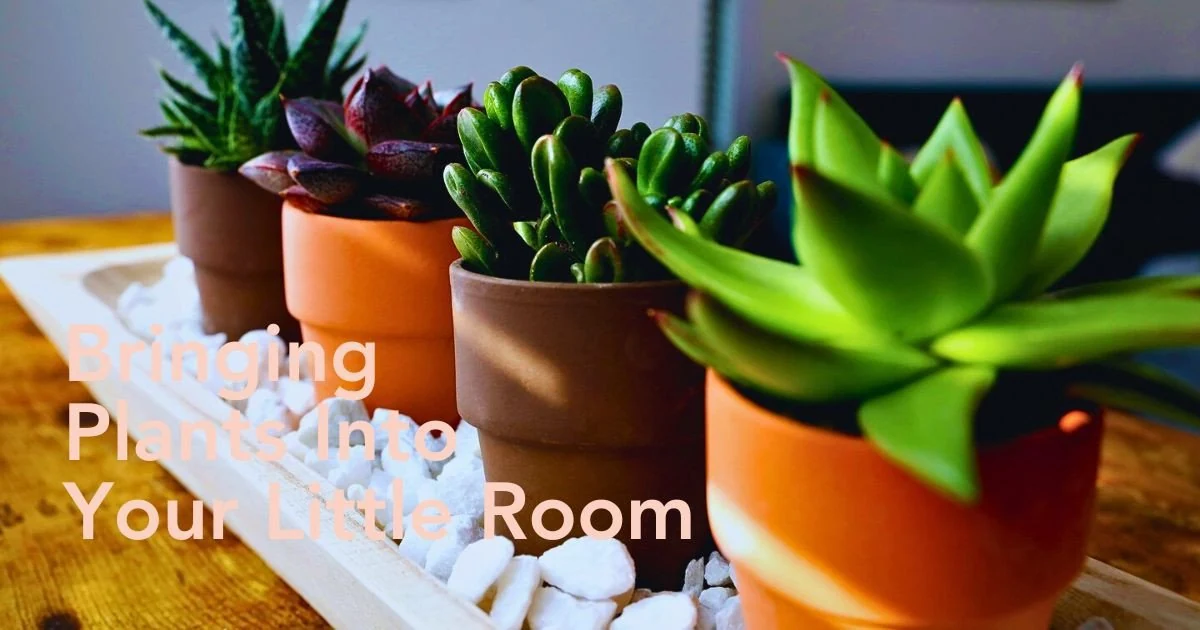
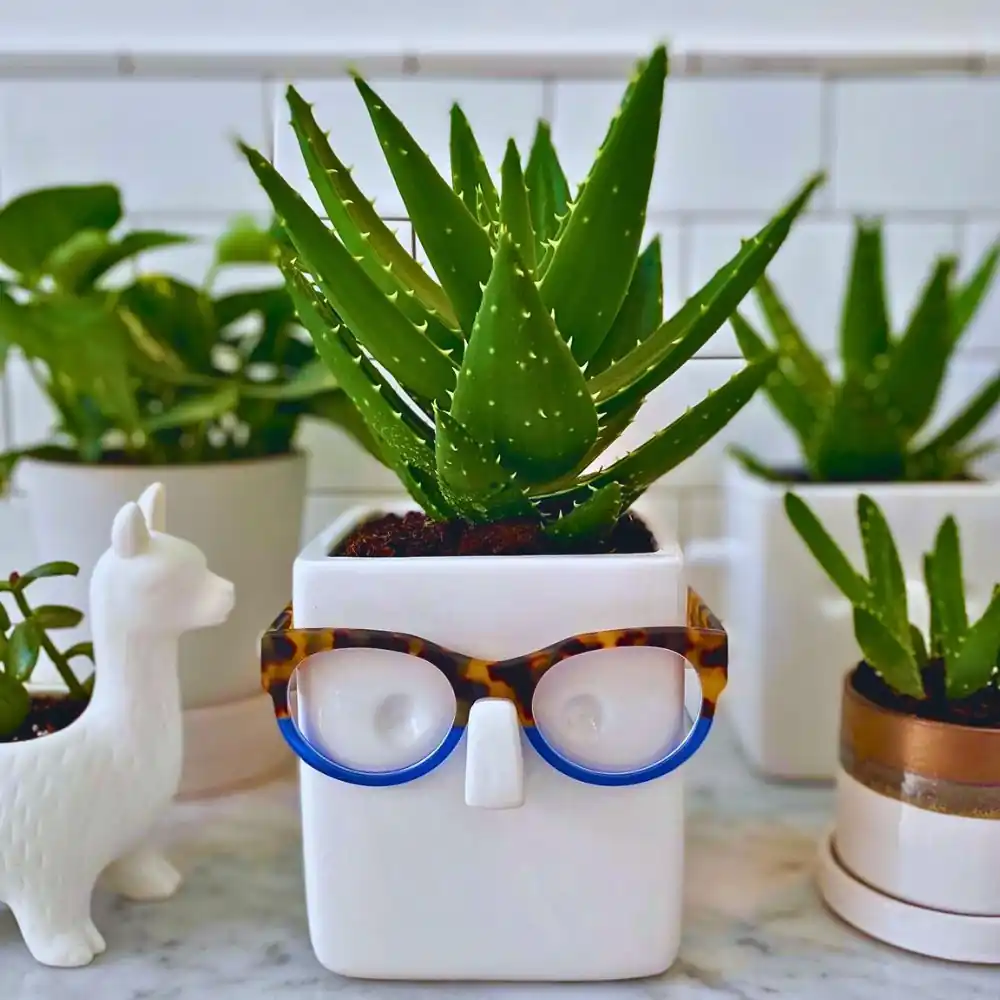
Succulents come in endless quirky shapes—from rosettes that look like blooming flowers (such as Haworthia cooperi) to plump, flat paddle-shaped ones (like Graptopetalum paraguayense). No matter what shape they are, they fit perfectly in a saucer-sized small pot, taking up little space while adding a touch of elegance.
Want to spruce up your windowsill with more style? Try creating a mini succulent landscape: grab a pot with drainage holes, mix rosette-shaped Echeveria and tiny Haworthia together, and add a layer of decorative gravel on top. This instantly creates a fresh and elegant zen atmosphere.
However, it’s important to note that while succulents are “hardy and easy to care for”—friendly even to beginners—”too much love” can actually harm them. Root rot caused by overwatering is a common issue. So the core principle of succulent care is “less interference”: water them less, fuss with them less, and they’ll thrive even better.
Spider Plant: The Playful Air Freshener
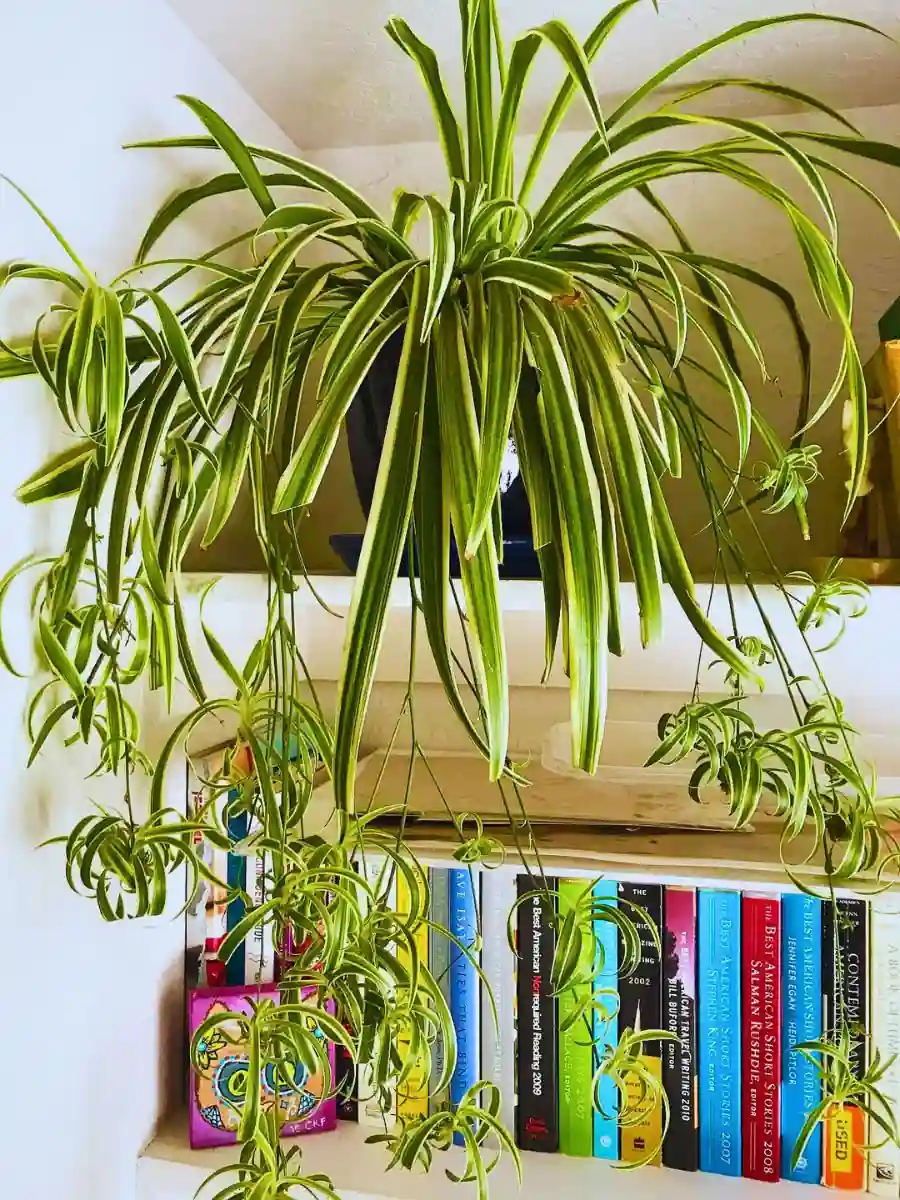
Its slender leaves stretch outward in elegant arches, resembling clusters of lively grass. What makes it even more adorable is that the plant produces tiny “spiderette babies” (also called stolon plantlets) that dangle from the mother plant, looking utterly cute. Whether you hang it in a basket by the window, letting its foliage cascade naturally, or place it on a bookshelf or desk where its “babies” sway gently, it instantly adds a touch of lively vitality to the dorm, becoming a delightful focal point in the space.
When it comes to care, the spider plant is a true “low-maintenance star.” It’s not fussy about light and can thrive in any indirect light environment—even in dim corners of the dorm. Watering it is equally straightforward: just wait until the top inch (about 2.5 centimeters) of the soil dries out, then water thoroughly. There’s no need to memorize complicated care rules at all.
Beyond that, the spider plant has two major “hidden advantages.” First is its “humidity control and purification power.” As a natural “humidity hero,” it can regulate indoor air humidity, preventing the dorm from becoming too dry. At the same time, it actively absorbs harmful gases like formaldehyde from the air, ensuring you breathe fresher air while studying or resting.
Second is its “safety and ease of propagation.” The plant itself is non-toxic, so you don’t have to worry about safety even if there are pets in the dorm or younger students visiting.
Chinese Evergreen: Shade’s Best-Kept Secret
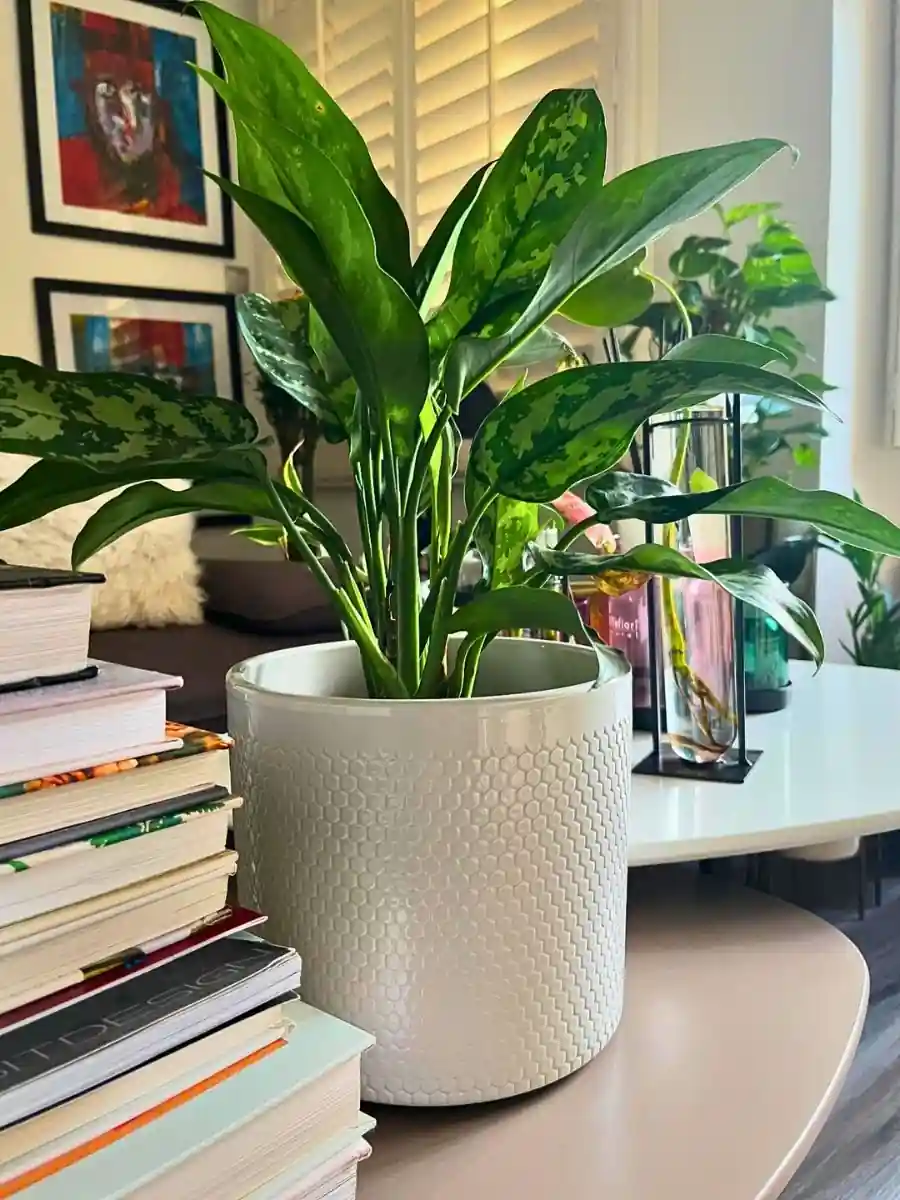
If the lighting in your dorm is really limited, Chinese evergreens (scientific name: Aglaonema) — born specifically for low-light environments — are definitely your top choice. Their most striking feature lies in their leaves: against a emerald green base, there are interwoven silver-gray streaks or soft pink blushes. Some varieties have tiny silver spots dotted all over the leaf surface, while others have pink stripes spreading along the leaf veins, like carefully painted works of art. Even in dimly lit corners, they can hold up the dorm’s atmosphere with this unique beauty.
As “slow-growing performers,” Chinese evergreens have an exceptionally steady growth rhythm. They won’t (wildly) sprout branches like other plants or take up too much space; instead, they always maintain a compact and small shape, making them perfect for placing in the corner of a dorm desk, on a nightstand, or on a low cabinet.
When it comes to care, just remember two key points: first, the environment should be warm and draft-free, away from direct air conditioning blasts or through-drafts from window and door gaps; second, water sparingly — you must wait until the potting soil is completely dry before watering thoroughly in small amounts. Even if you occasionally forget to water it, it can hold on for a while with its own water storage capacity, making it extremely friendly to “forgetful people.”
Quick Comparison: At-a-Glance Dorm Plant Guide
| Plant Name | Light Needs | Water Needs | Air Purifying | Toxicity Notes |
|---|---|---|---|---|
| Snake Plant | Low to bright indirect | Low (every 2-3 weeks) | High | Mildly toxic if eaten |
| Pothos | Low to bright indirect | Moderate (top 1-2″ dry) | Moderate | Toxic if ingested |
| ZZ Plant | Low to bright indirect | Very low (weeks without) | Moderate | Toxic if ingested |
| Succulents | Bright indirect | Low (soil fully dry) | Low | Varies; mostly safe |
| Spider Plant | Indirect, any level | Moderate (top 1″ dry) | High | Non-toxic |
| Chinese Evergreen | Low indirect | Low (top 1-2″ dry) | Moderate | Mildly toxic |
Surviving Breaks: Tips for Worry-Free Vacations
We all dread the “plant panic” before holidays—will it make it? Breathe easy: These picks are break-proof. Deep-water pre-departure, group drought-tolerants like snake and ZZ (they handle 2-4 weeks solo), or rig a DIY wick system from a bottle. Buddy up with a campus-staying friend for check-ins. Back on campus? A quick refresh, and they’re ready to root for you again.
Wrapping Up: Green Up Your Dorm, One Leaf at a Time
There you have it—your roadmap to a lusher, lighter dorm life with these best dorm-friendly plants. From the indestructible snake plant’s air-cleansing prowess to pothos’s trailing charm, each brings practical joy without overwhelming your world. Start with one that tugs at your heart, and watch how it anchors your space amid the chaos.
My recommendation? Grab a starter from your local nursery, pot it in well-draining mix, and let it remind you: You’ve got this. Small greens, big calm—what’s your first pick?
Which Low-Maintenance Dorm Room Plants Are Best for College Students?
When selecting the best dorm room plants for college students, prioritize these characteristics:
- Low light tolerance: Most dorm rooms don’t have abundant natural light
- Infrequent watering needs: Perfect for busy schedules and holiday breaks
- Compact size: It will not overwhelm the limited dorm room space
- Air-purifying qualities: Improve indoor air quality while studying
- Easy propagation: Share with friends or expand your collection affordably
FAQ
What’s the easiest low-maintenance dorm plant for absolute beginners?
Hands down, the snake plant wins for its bulletproof vibe. It shrugs off low light, sparse waterings every 2-3 weeks, and even the occasional forgotten corner. Its upright leaves save precious floor space, while NASA-backed air purification perks up your study nook. Just avoid overwatering—under-care is its love language.
Which dorm-friendly plants excel in low natural light?
For those dim dorm vibes, snake plants, pothos, ZZ plants, and Chinese evergreens are your forgiving crew. They handle indirect or north-facing light like pros, with varied textures adding subtle flair. Rotate monthly for even growth, dust leaves for better breathing, and water only when the top inch feels parched—effortless wins.
Are there pet-safe options among these low-maintenance dorm plants?
Absolutely—spider plants are a top non-toxic choice, safe for curious paws or visiting critters. Unlike pothos or ZZ (keep those elevated if needed), they won’t cause tummy troubles. Propagate the “babies” for easy sharing, and enjoy their air-humidifying bonus in pet-friendly halls.
Which plants handle long breaks or heavy study periods best?
During travel and exam season, prioritize drought-tolerant plants: cacti, aloe vera, snake plants, and violas. These plants store or metabolize water slowly, so a deep watering before vacation will usually keep them alive for two to four weeks. Group potted plants with similar needs together, choosing compact, neatly shaped varieties. Move them one step away from the brightest windows to slow their growth. Set a reminder to open a window for fresh air if conditions permit, then retreat to your green nook to study.
How can I display plants in a small dorm room without taking up too much space?
Consider vertical ventilation. Hang pothos from a trellis, install a hanging basket by a window, and arrange succulents on narrow windowsills. Mix leaf shapes—arching spider plants, sculptural ZZ-shaped spider plants, and compact rosette-shaped spider plants—to create a layered effect that’s both lush and neat. Keep plant groups small and symmetrical to create a cozy, distraction-free study area. Let nature in, and use lightweight planters with trays to protect furniture and make moving easy and hassle-free.