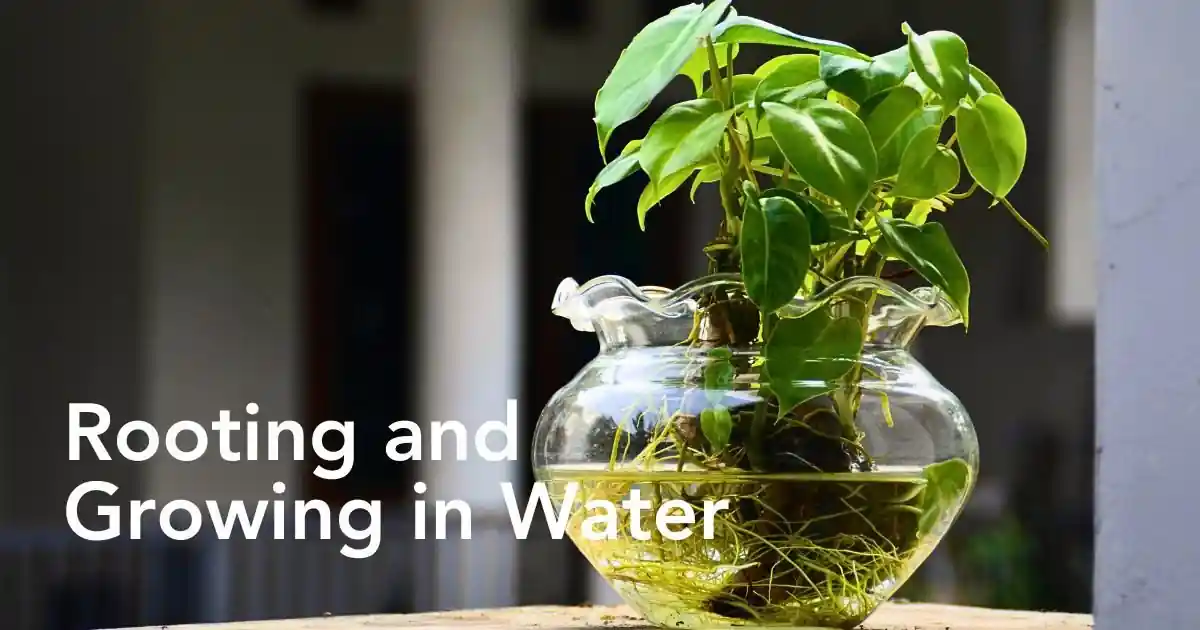
Hydroponics has emerged as a standout trend revolutionizing the world of indoor gardening. This cutting-edge cultivation approach involves growing plants in water, eliminating the reliance on conventional growing media such as soil, pumice, perlite, and even peat.
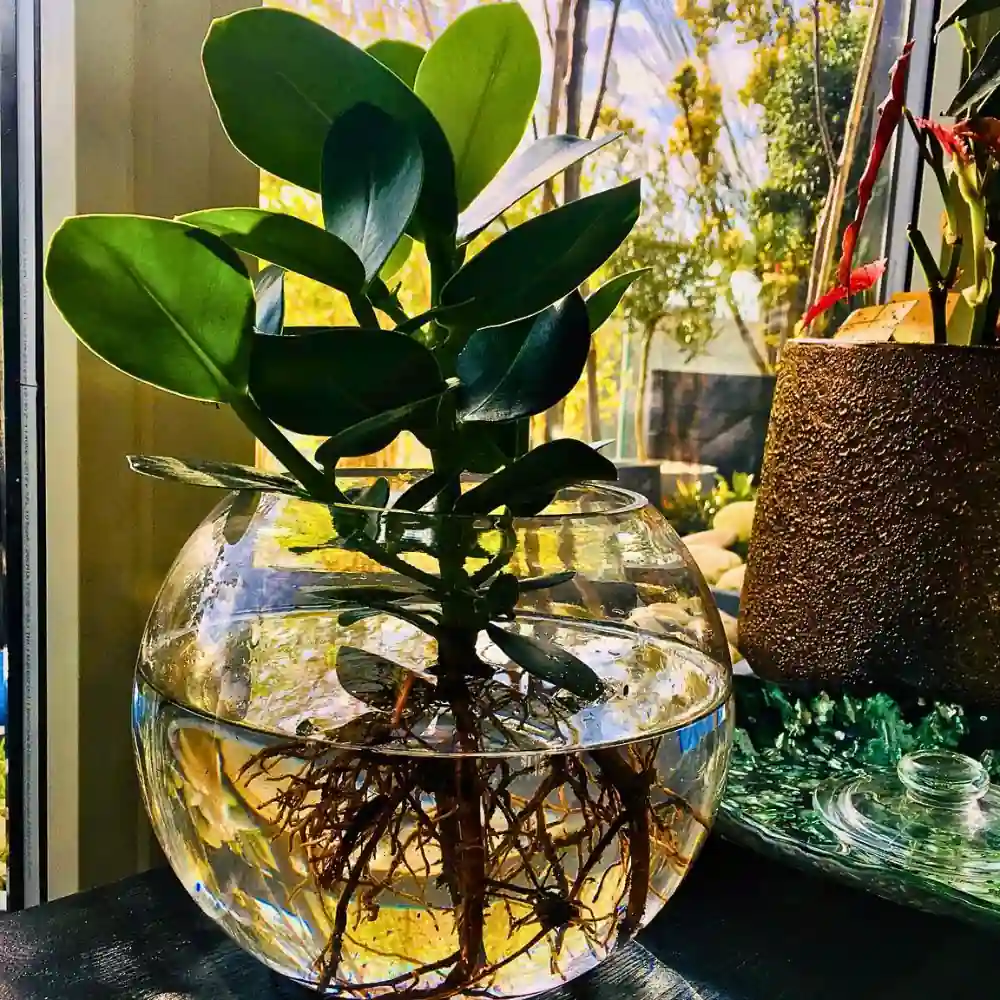
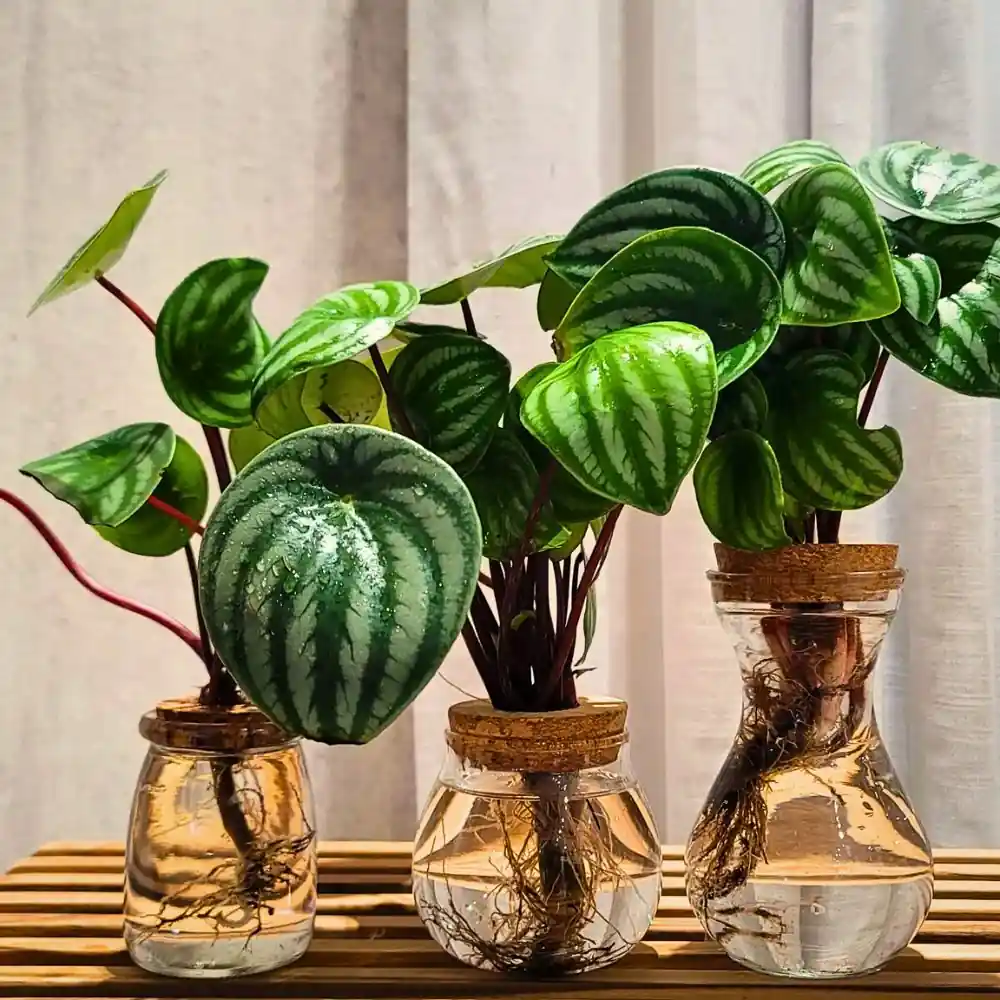
What makes it especially captivating is the opportunity to showcase stunning glass-and-plant arrangements, allowing you to observe root development from every perspective. A major draw of hydroponic houseplants is their low-maintenance nature, requiring far less upkeep compared to traditional soil-grown varieties.
Are you a novice on the hunt for the best hydroponic plants to start with? Or maybe you’re eager to explore fast-growing options that deliver quick, satisfying results? Either way, water-based indoor plant cultivation presents an elegant and efficient solution tailored to modern home gardening needs.
This guide is your gentle companion. We’ll explore how this ancient-yet-modern method can fit seamlessly into your busy life, helping you create effortless greenery that not only looks stunning but also cleans your air and lifts your spirits.
What Is Hydroponics?
Hydroponics, derived from the Latin for “working water,” is that innovative method of cultivating hydroponic plants without soil, relying instead on carefully balanced water solutions packed with everything they need to flourish.
It’s a technique that’s been around for over 2,600 years—think the Hanging Gardens of Babylon—but today, it’s revolutionizing indoor gardening with precise control over light, humidity, and temperature.
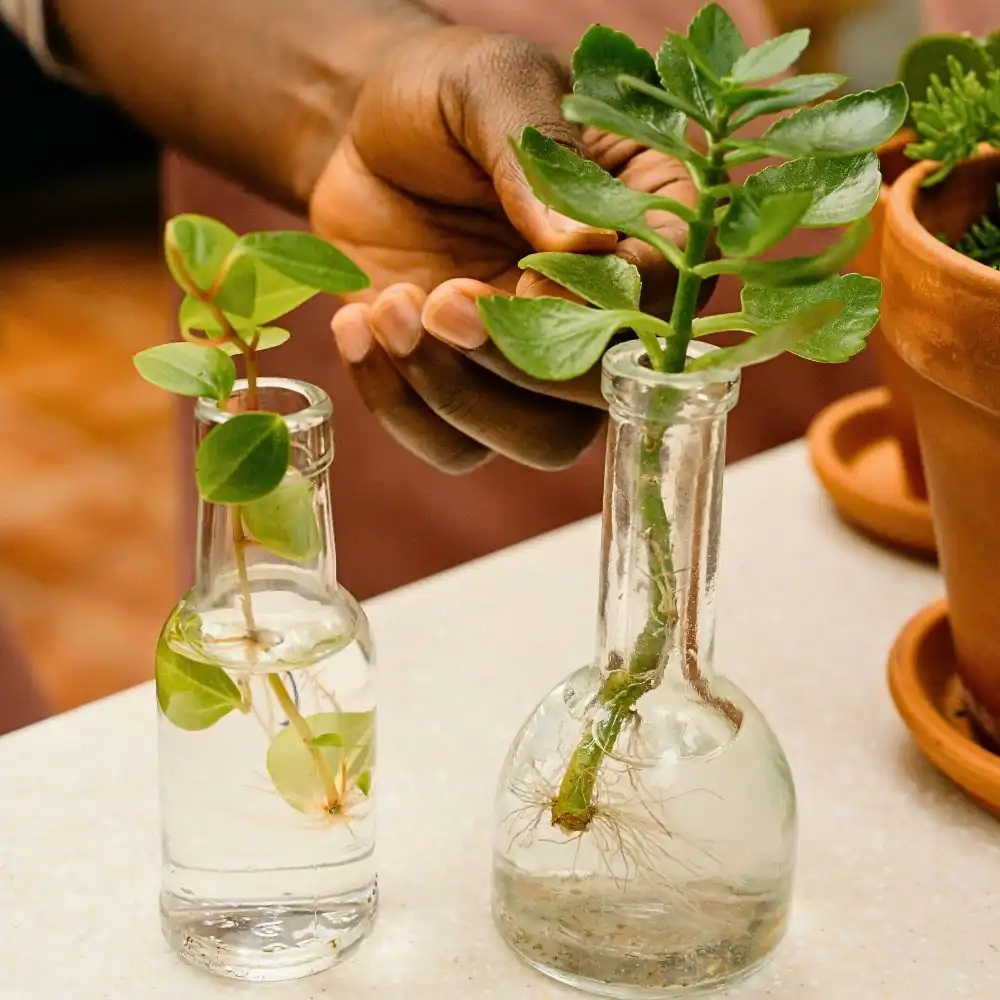
Hydroponics stands as a cutting-edge horticultural approach that cultivates plants sans soil, relying on nutrient-dense aqueous solutions as a substitute. This intriguing method unlocks the possibility of indoor hydroponic cultivation, where environmental factors like temperature, humidity, and illumination can be fine-tuned with precision to boost plant growth to its full potential.
What makes indoor hydroponic flora truly remarkable is their capacity to take in nutrients directly from the water. This not only does away with the need for the intricate soil ecosystem but also ensures that plants receive all the essential elements required for vigorous growth.
For those of us juggling work, family, or just a cozy apartment, hydroponic houseplants offer a practical escape. No more wrestling with heavy pots or worrying about overwatering; these indoor hydroponic plants absorb what they need directly, often growing 20-30% faster than their soil-bound cousins.
And the visual? Watching roots weave through glass is like a living meditation. If you’ve ever rooted a cutting in a kitchen window, you’ve already tasted hydroponics’ magic. Ready to make it your own? Let’s dive into the best hydroponic plants for beginners that promise quick wins and lasting beauty.
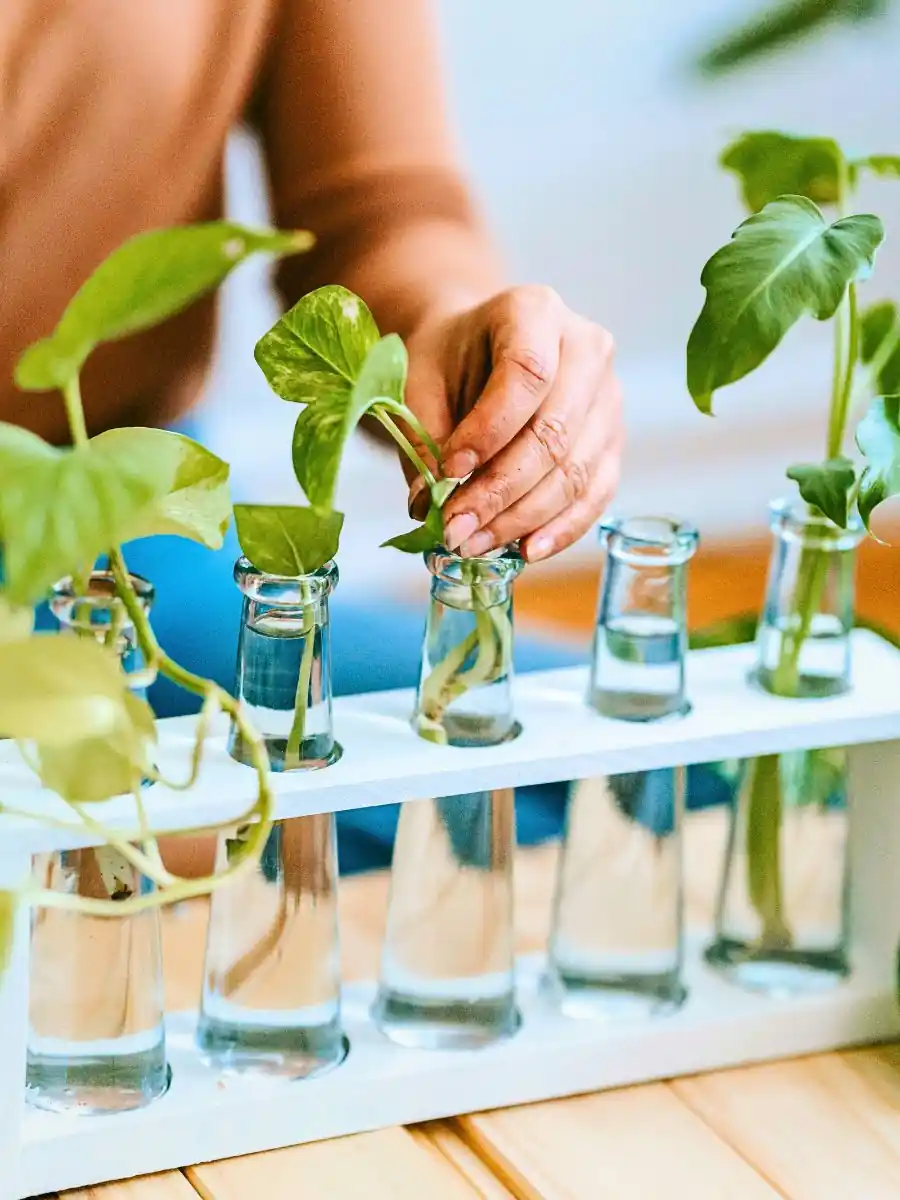
10 Beginner-Friendly Hydroponic Plants to Brighten Your Indoor Spaces
Starting small can feel empowering, especially when your efforts bloom into something beautiful. These 10 easy hydroponic plants are forgiving, fast-rooting favorites that adapt beautifully to water life. They’re perfect for shelves, desks, or windowsills, bringing that tropical vibe we all crave without the fuss. I’ve chosen ones that purify air, trail elegantly, or even whisper good fortune—because your home deserves plants as nurturing as you are.
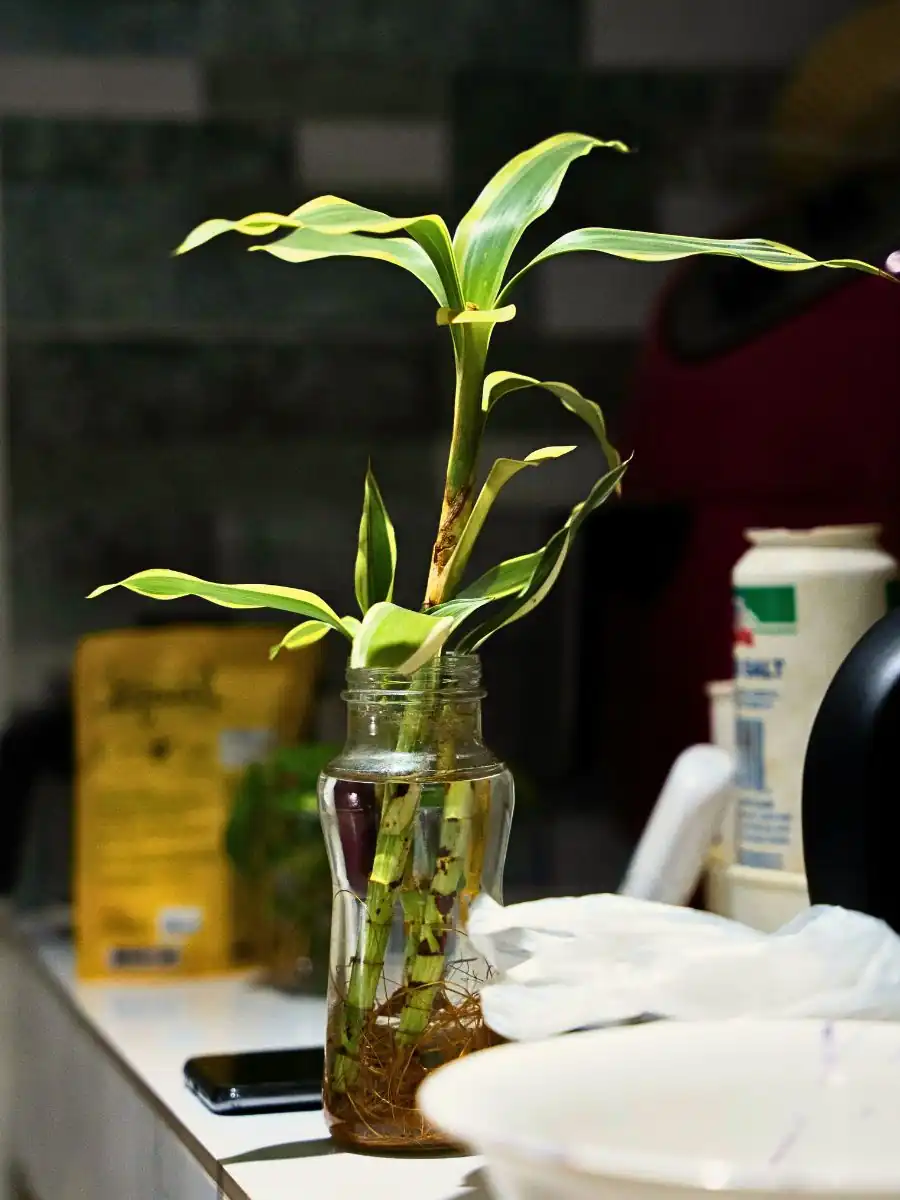
Spider Plant (Chlorophytum comosum)
The spider plant ranks among the top choices for hydroponic newcomers, boasting gracefully arching foliage adorned with unique white streaks.
As a popular hydroponic houseplant, it adapts effortlessly to water-based growth and develops tiny plantlets—affectionately termed “spiderettes”—that either hang delicately from lengthy stems or can be detached for independent propagation.
Beyond their aesthetic appeal, these plants are celebrated for their outstanding air-purifying capabilities and excel at water propagation, with their offshoots taking root directly in the aqueous environment.
While they can tolerate dimmer lighting conditions, they truly flourish in brighter spaces, making them an ideal indoor hydroponic option for a wide range of home setups. A key tip: be sure to prevent the leaves from dipping into the water!
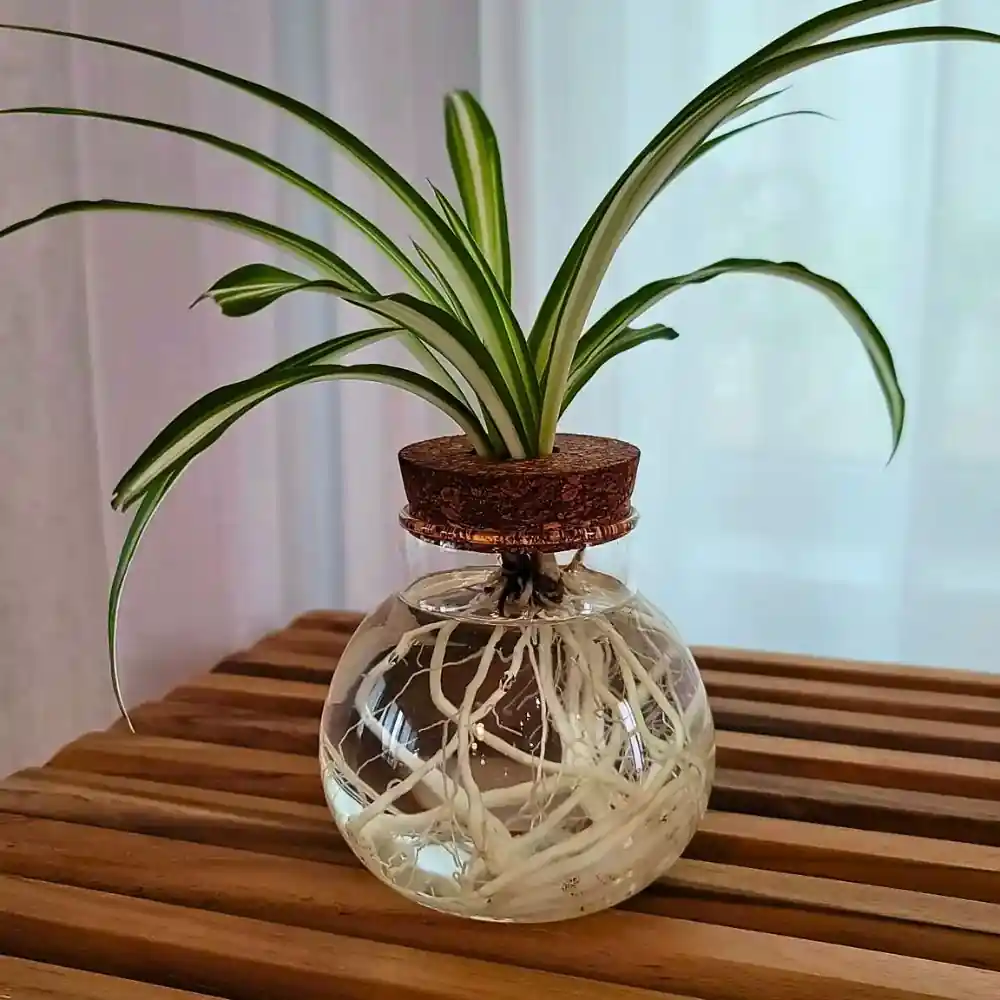
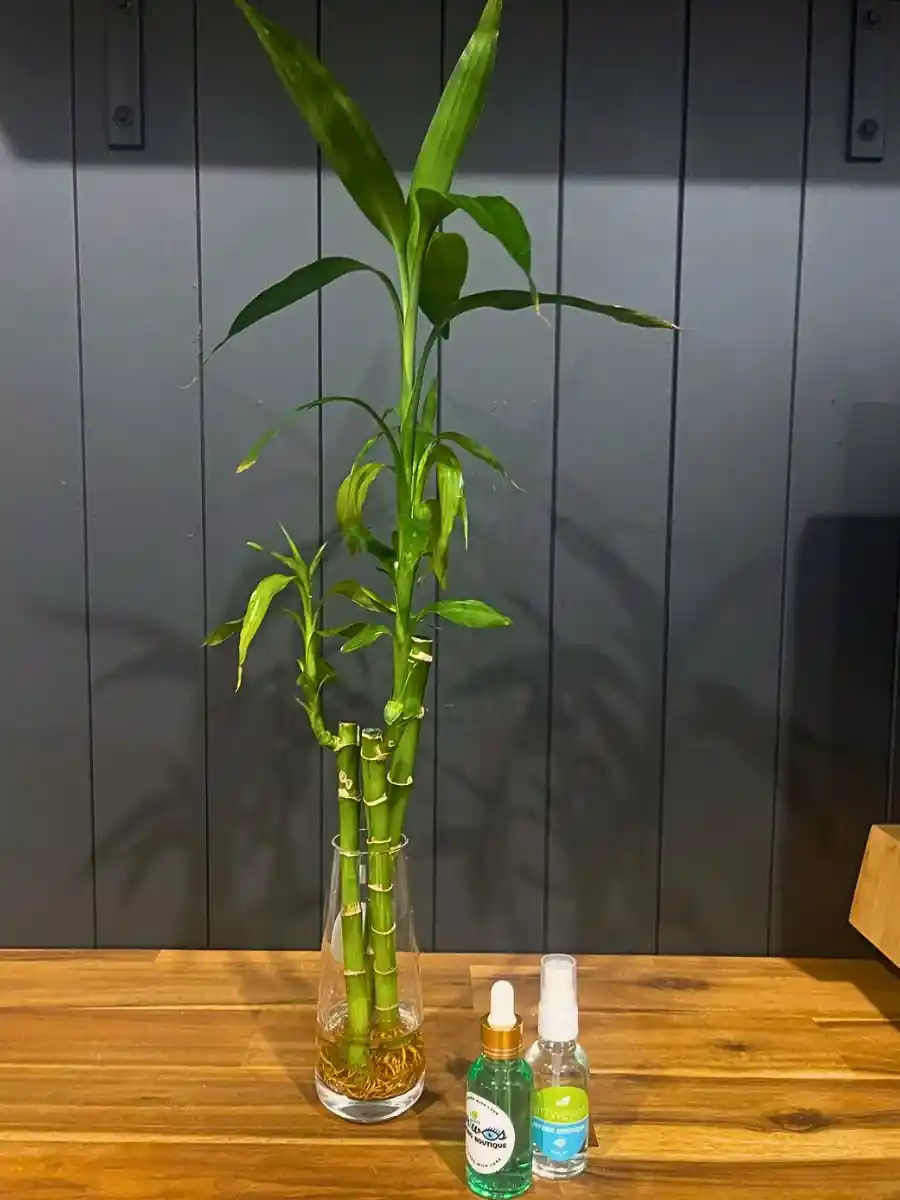
Lucky Bamboo (Dracaena sanderiana)
Though it bears the name “Lucky Bamboo,” this plant is actually a member of the Dracaena genus, not the true bamboo family.
Revered as an auspicious indoor plant, it thrives in hydroponic settings and is widely believed to usher in good fortune, while also making a striking visual impact in home interiors.
Lucky Bamboo flourishes under bright but indirect sunlight, and due to its tendency to grow top-heavy, it’s crucial to anchor it firmly in a glass vase using decorative stones.
Whether cultivated solely in water or paired with ornamental pebbles, it infuses any space with an elegant charm. It’s worth highlighting that this beloved plant is also celebrated for its supposed ability to attract luck and prosperity.
Pothos (Epipremnum aureum)
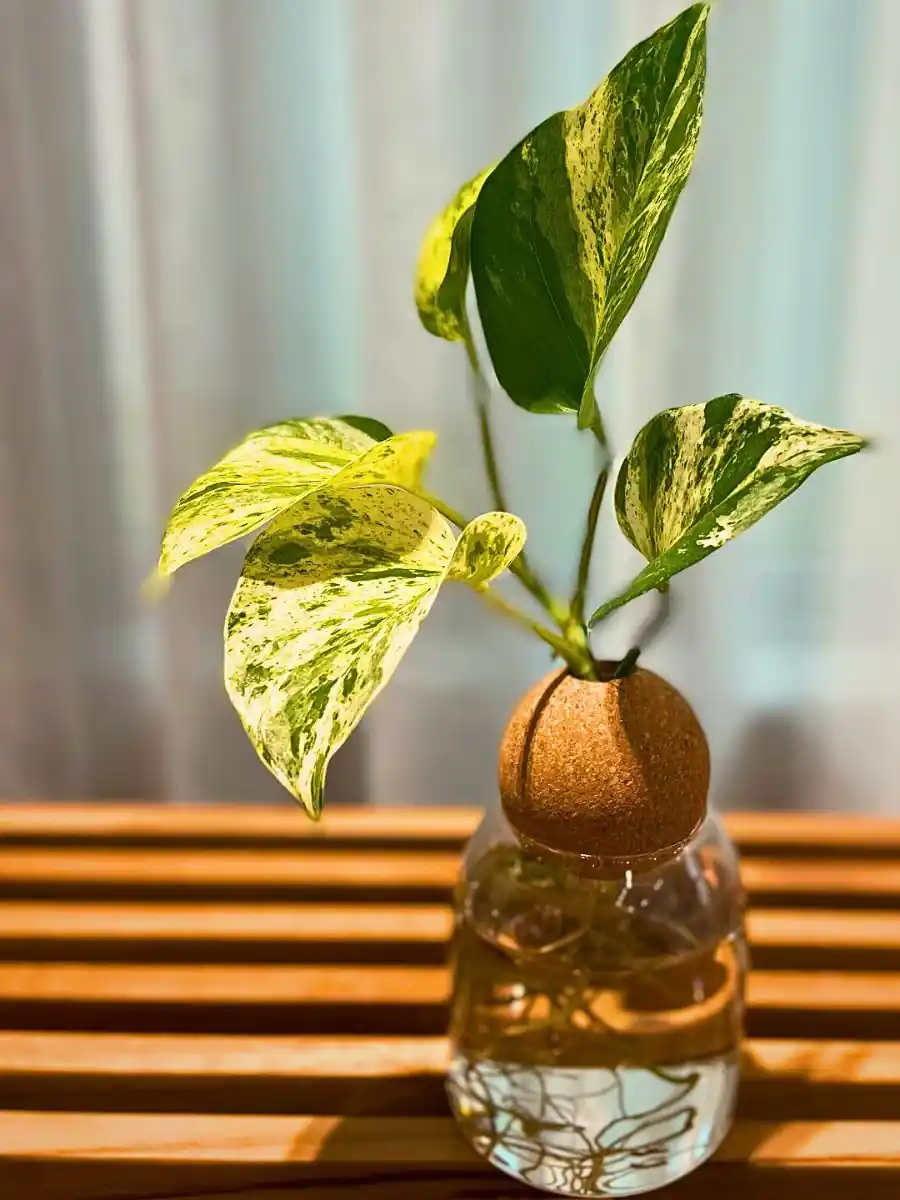
Epipremnum aureum, commonly called Pothos or Devil’s Ivy, stands out as one of the most low-maintenance hydroponic options for water-based cultivation.
Adorned with cascading vines and charming heart-shaped foliage, it excels as a trailing plant—ideal for hanging planters or spilling gracefully over shelf edges. Given its high water requirements, growing it in water instead of traditional soil is a practical and intuitive choice.
Propagating Pothos hydroponically is straightforward: snip 4 to 6-inch stem tip cuttings right beneath a node, then place them in fresh water, ensuring 2 to 3 nodes are fully submerged.
This resilient houseplant rapidly develops root systems and thrives soil-free for years on end, solidifying its status as a top pick for hydroponic enthusiasts.
A quick tip: it flourishes best in bright, indirect light conditions.
Velvet Leaf Philodendron (Philodendron Micans)
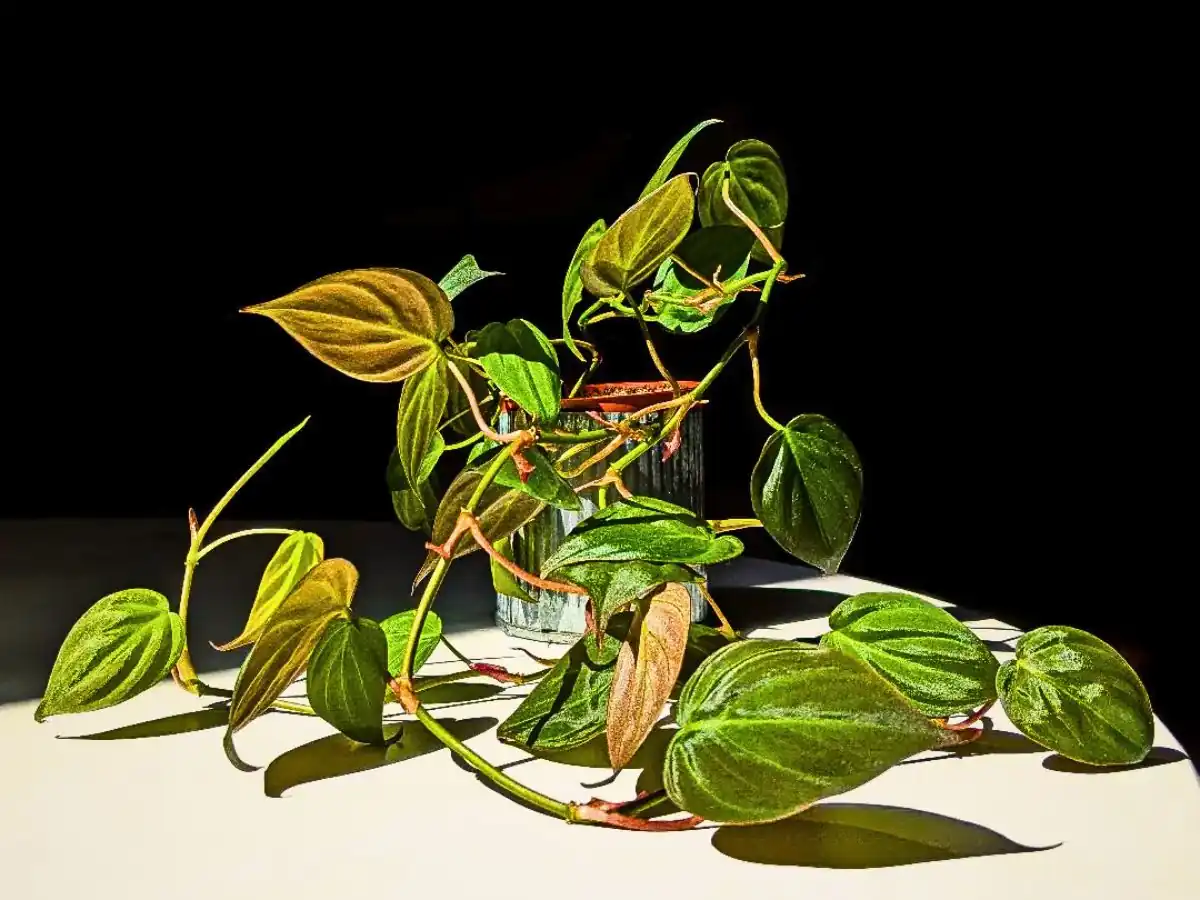
Philodendrons stand out as highly sought-after hydroponic indoor plants, boasting remarkable adaptability to water-based cultivation beyond their conventional soil-growing setup.
Among these varieties, the Velvet Leaf Philodendron is distinguished by its compact foliage—ranging from deep green to reddish hues—that feels silky to the touch and shimmers elegantly when exposed to light.
Whether it’s the trailing heartleaf philodendron or the larger types with split leaves, these plants flourish splendidly in water environments, rendering them flexible options suitable for diverse indoor spaces. Additionally, philodendrons exhibit robust rooting capabilities and vigorous growth when nurtured in water.
Coleus
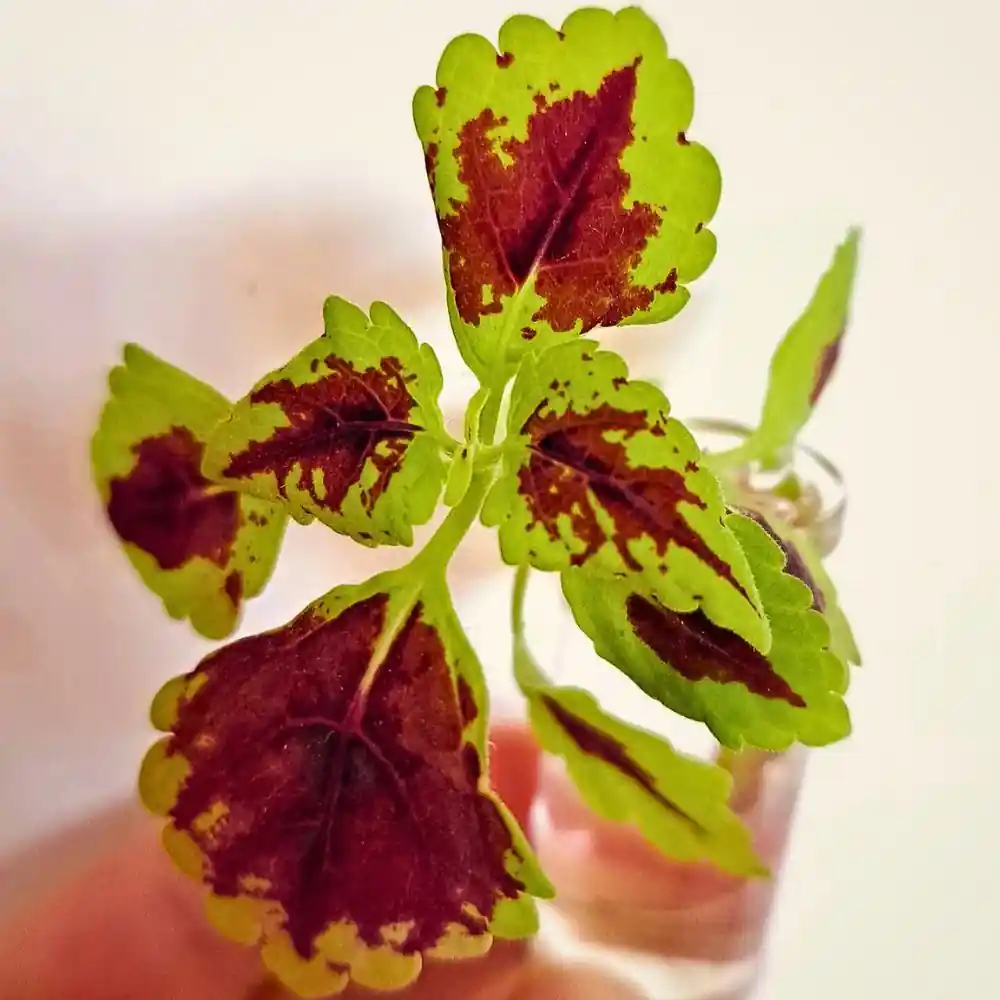
The coleus, a low-maintenance houseplant, adapts beautifully to hydroponic cultivation, flourishing splendidly in aquatic settings. Among gardening enthusiasts, it’s a common practice to preserve coleus cuttings for propagating new specimens ahead of the growing season.
The propagation process is remarkably straightforward: trim a stem cutting, strip off the lower foliage, and submerge the prepared cutting in water. Within just a few weeks, a robust root system will form, giving rise to a new plant. In fact, coleus ranks among the most hassle-free plants to propagate—even small clippings, when placed in water, can take root successfully.
This versatile plant exhibits excellent adaptability to light conditions, thriving in both direct sunlight and partial shade. Additionally, it grows vigorously whether planted in containers or directly in garden beds, making it a flexible choice for various gardening scenarios.
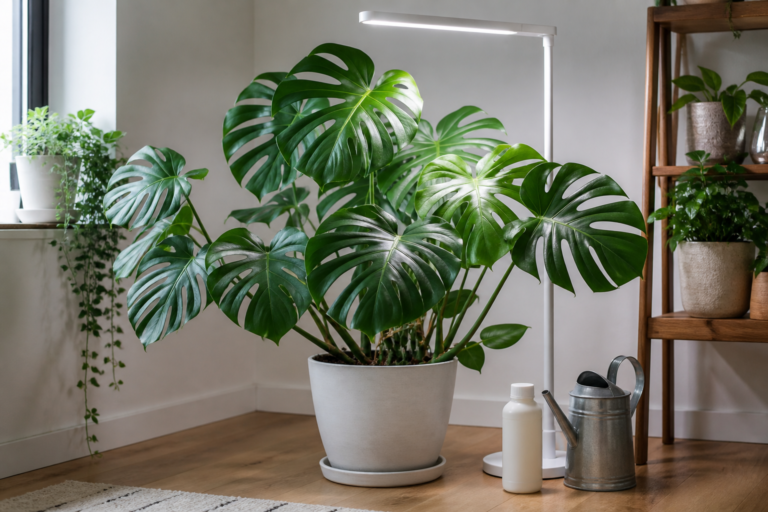
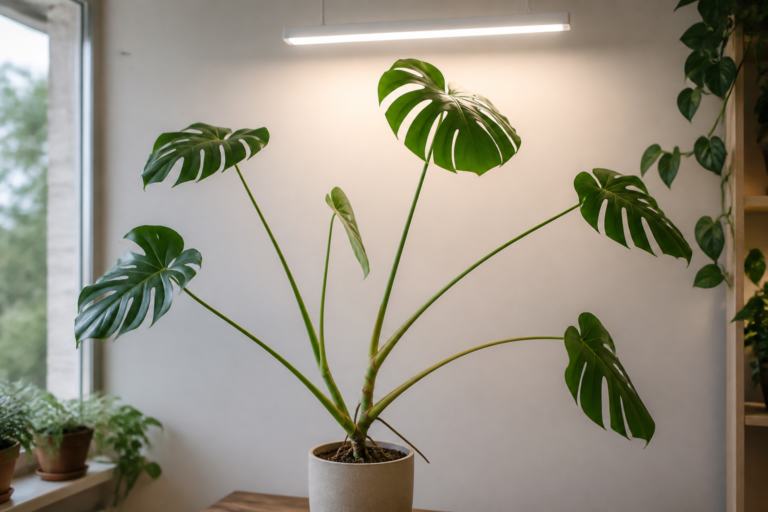
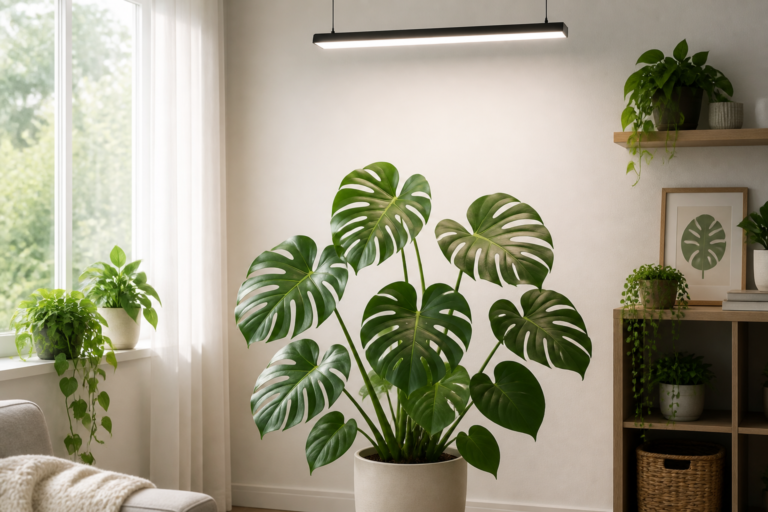
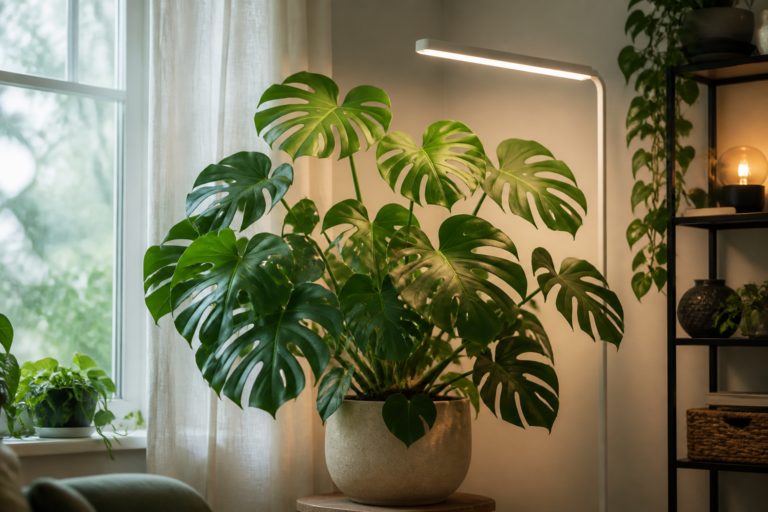
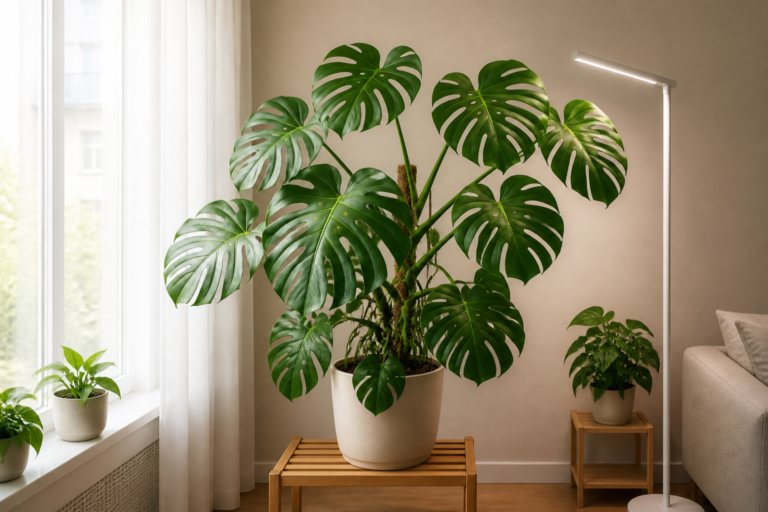
Monstera (Swiss Cheese Plant)
The Monstera, commonly referred to as the Swiss Cheese Plant, is a striking indoor specimen that thrives beautifully as a hydroponic houseplant. Boasting expansive, hole-ridden foliage (its signature fenestrations), this plant flourishes under bright yet filtered light conditions.
When cultivated in a water-based setup, it becomes an eye-catching focal point that adds a bold decorative touch to any space. For successful hydroponic growth of the Monstera, it’s crucial to maintain high water quality consistently and offer adequate structural support to accommodate the plant’s expanding and maturing growth.
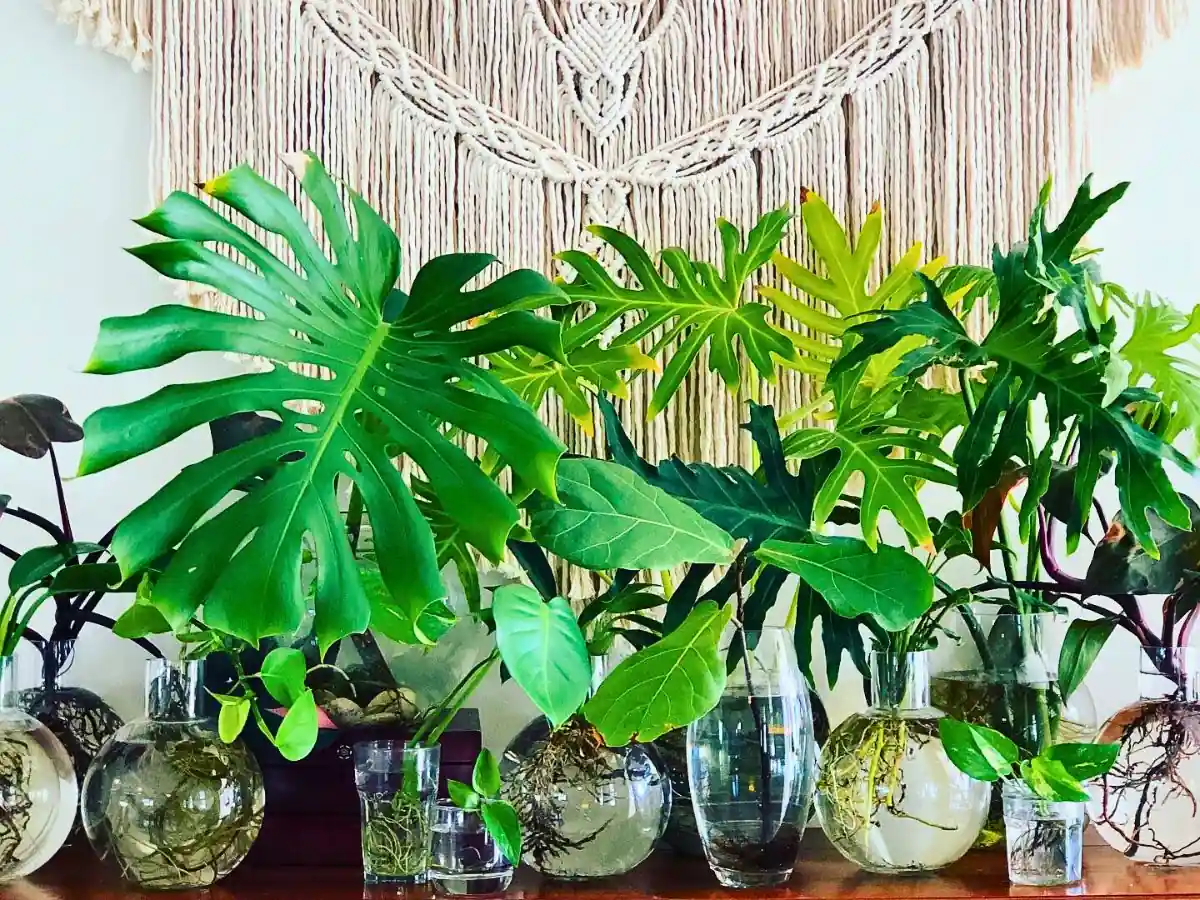
Satin Pothos (Scindapsus pictus)
A fantastic trailing hydroponic houseplant to consider is the ‘Satin Pothos’, also commonly referred to as the ‘Silver Philodendron’.
Classified under the Scindapsus genus, this vining specimen stands out for its charming trailing growth habit and stunning foliage adorned with silvery variegation—qualities that make it a top-tier selection for eye-catching hydroponic arrangements.
Not only does it infuse your living space with a lush, indoor jungle vibe, but it also flourishes beautifully in water-based cultivation setups, rendering it remarkably low-maintenance.
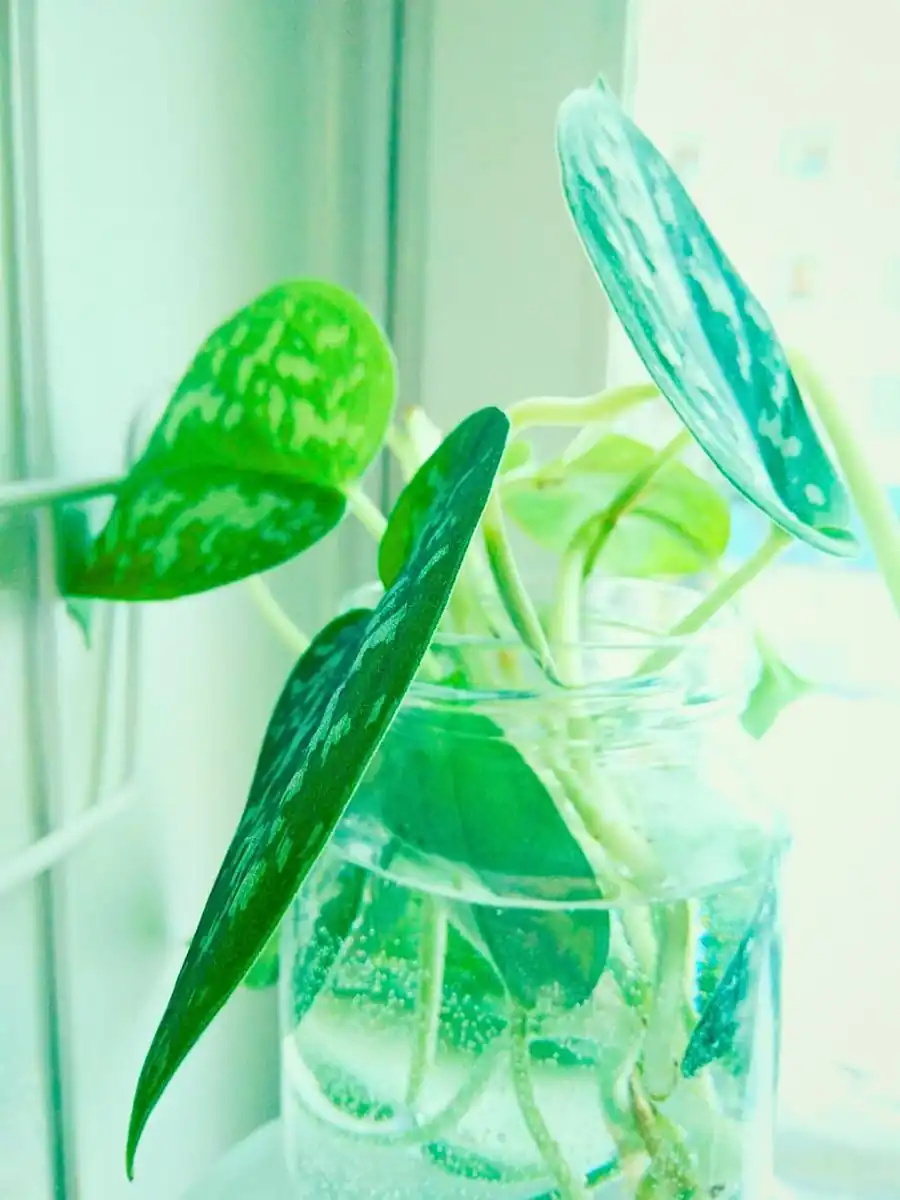
Peace Lily (Spathiphyllum sp.)
The peace lily stands out as a top-tier option for hydroponic cultivation. Belonging to the tropical aroid family, this timeless indoor hydroponic plant has won over many enthusiasts thanks to its low-maintenance nature and elegant white blossoms.
When placed in an environment with ample bright, indirect sunlight and supplemented with additional nutrients, peace lilies have the ability to produce blooms nearly throughout the entire year in hydroponic setups.
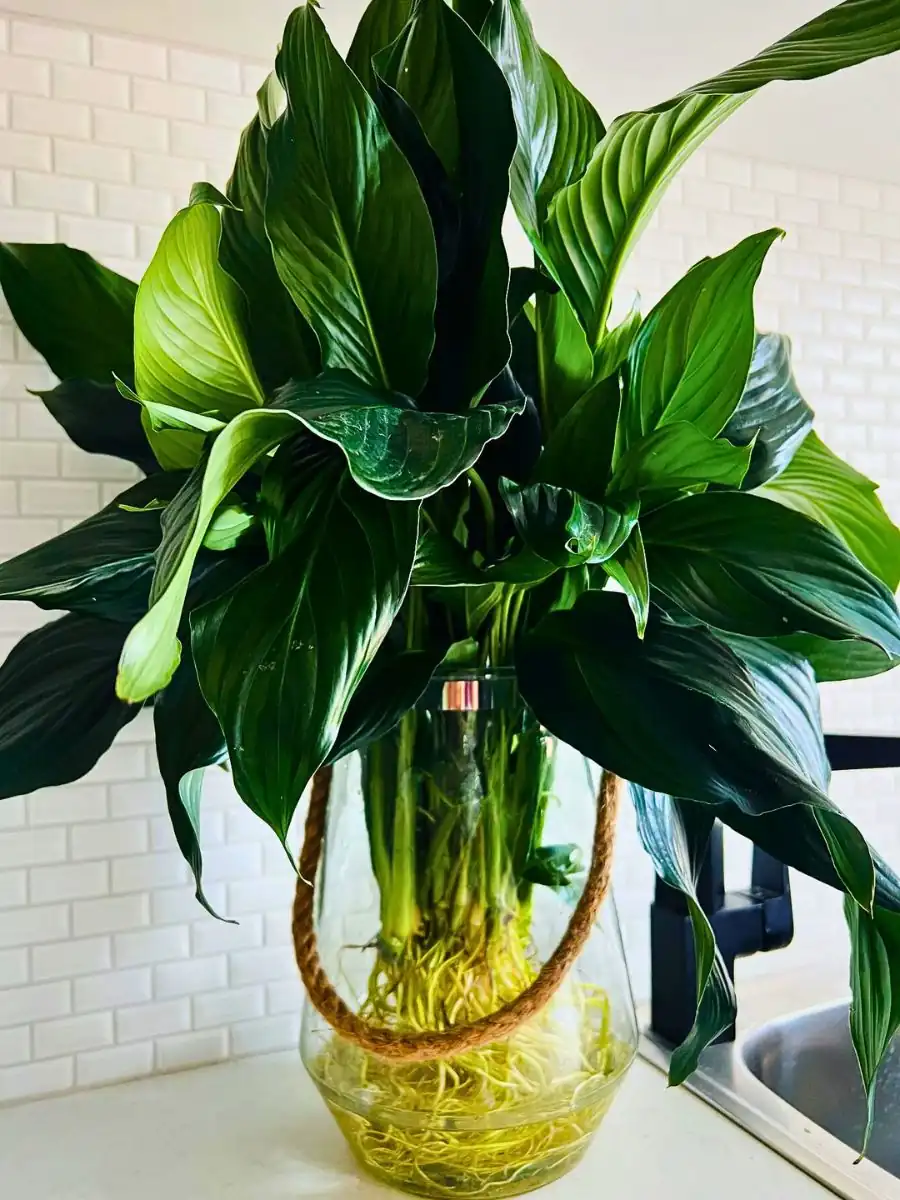
Arrowhead Plant (Syngonium)
The Syngonium, commonly known as the Arrowhead Plant, stands out as another highly sought-after choice for hydroponic cultivation. Belonging to the Syngonium genus, this plant is characterized by its unique arrowhead-shaped foliage, which can grow in either trailing vining patterns or compact bushy clusters.
As a hydroponic houseplant, it boasts a diverse color palette, ranging from lush green and crisp white to soft pink and deep burgundy hues.
When cultivating it in water, select robust stems that have at least 2 to 3 nodes, then submerge the lower section of these nodes in fresh, clean water. It thrives best under bright, filtered sunlight, but it also demonstrates impressive adaptability—placing its roots in an aquarium allows it to flourish beautifully for years on end, even in low-light conditions.
A versatile decorative accent, the Arrowhead Plant complements any home interior style effortlessly. For optimal display, consider housing it in an elegant terrarium, showcasing it as a striking centerpiece on your coffee table, or positioning it on a shelf or reading desk—no matter where you place it, it’s sure to enhance the space with its charm!
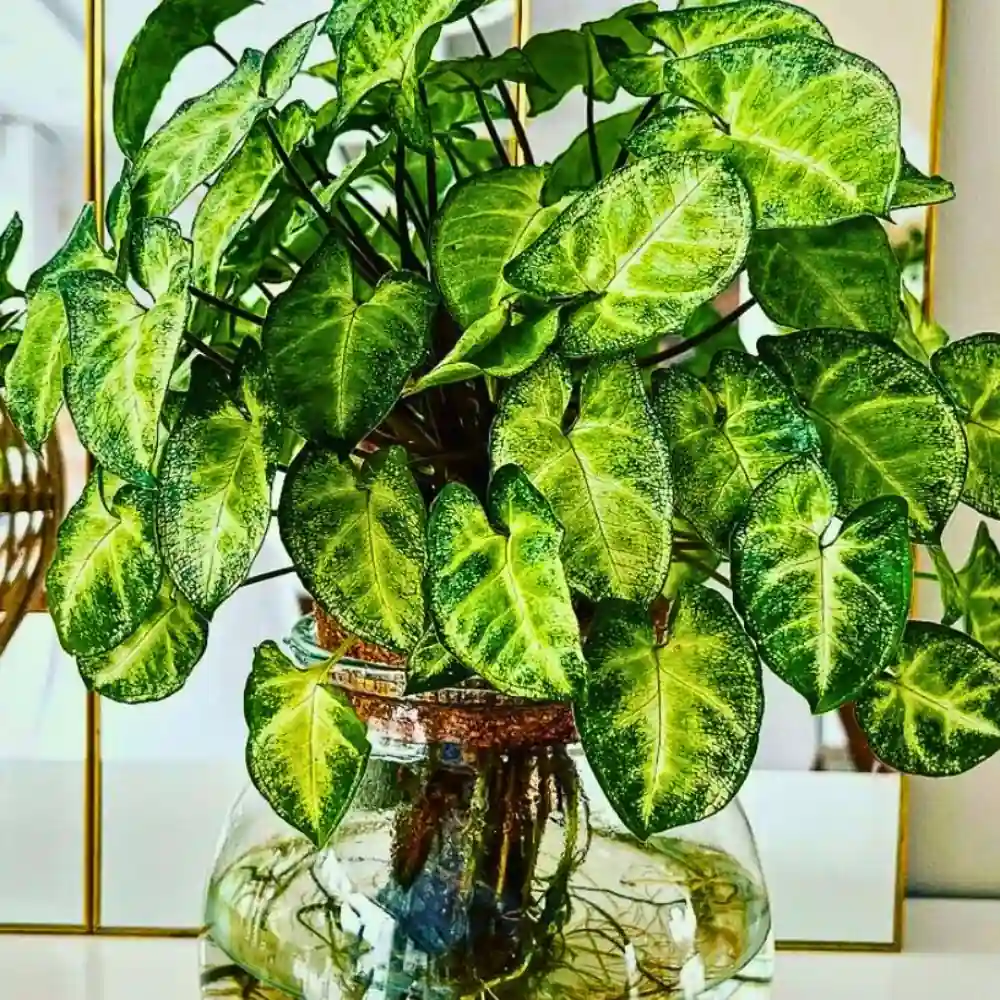
Geranium (Pelargonium sp.)
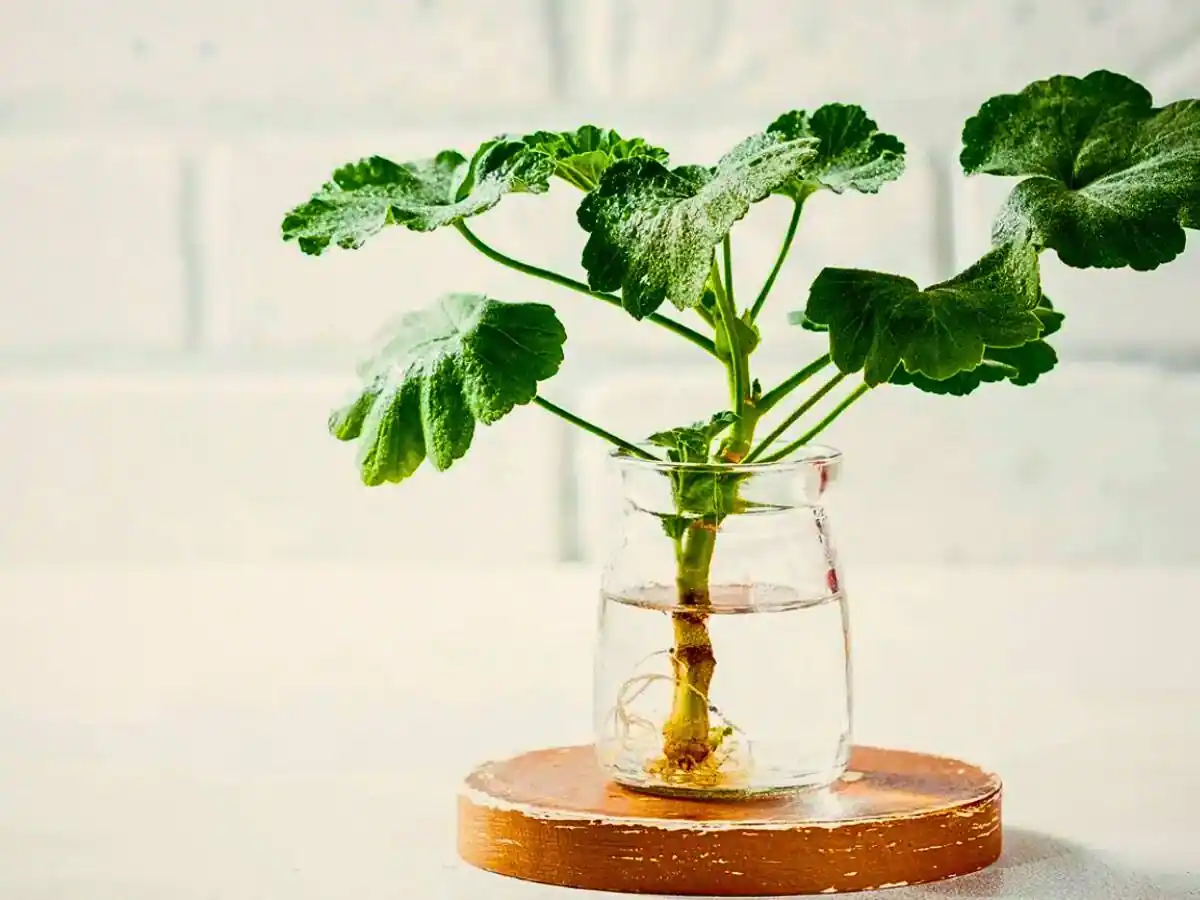
Geraniums are typically cultivated outdoors as warm-season annuals, yet many may not be aware that these versatile plants can also thrive as long-lived water-grown houseplants.
They’re also excellent candidates for hydroponic gardening, boasting vibrant blossoms and lush, eye-catching foliage that elevate any hydroponic setup. Seamlessly adapting to water-based growing environments, these plants bring enduring charm to hydroponic displays year-round.
If you want to keep your geraniums thriving through the cooler months—without the trouble of moving potted specimens indoors for winter—hydroponic propagation is a fantastic solution.
Simply snip a 6 to 8-inch stem segment, making the cut just beneath a leaf node. Place this cutting in a glass of water, and it will gradually develop roots. The best part? Virtually any geranium cultivar flourishes in this water-based method, as long as you refresh the water every few weeks once it starts to become cloudy.
Fast-Growing Herbs: Quick Wins for Your Hydroponic Kitchen Garden
The aforementioned selection also includes a variety of herbs well-suited for hydroponic cultivation. For those seeking rapid-growing hydroponic crops that yield timely results, there are numerous standout choices prized for their swift growth rates and high productivity.
Lettuce takes the lead as one of the speediest hydroponic plants, with the majority of its cultivars reachable for harvest in a mere 3 to 4 weeks. Watercress stands out as another exceptionally fast-growing option, ready to be picked in just 15 to 20 days.
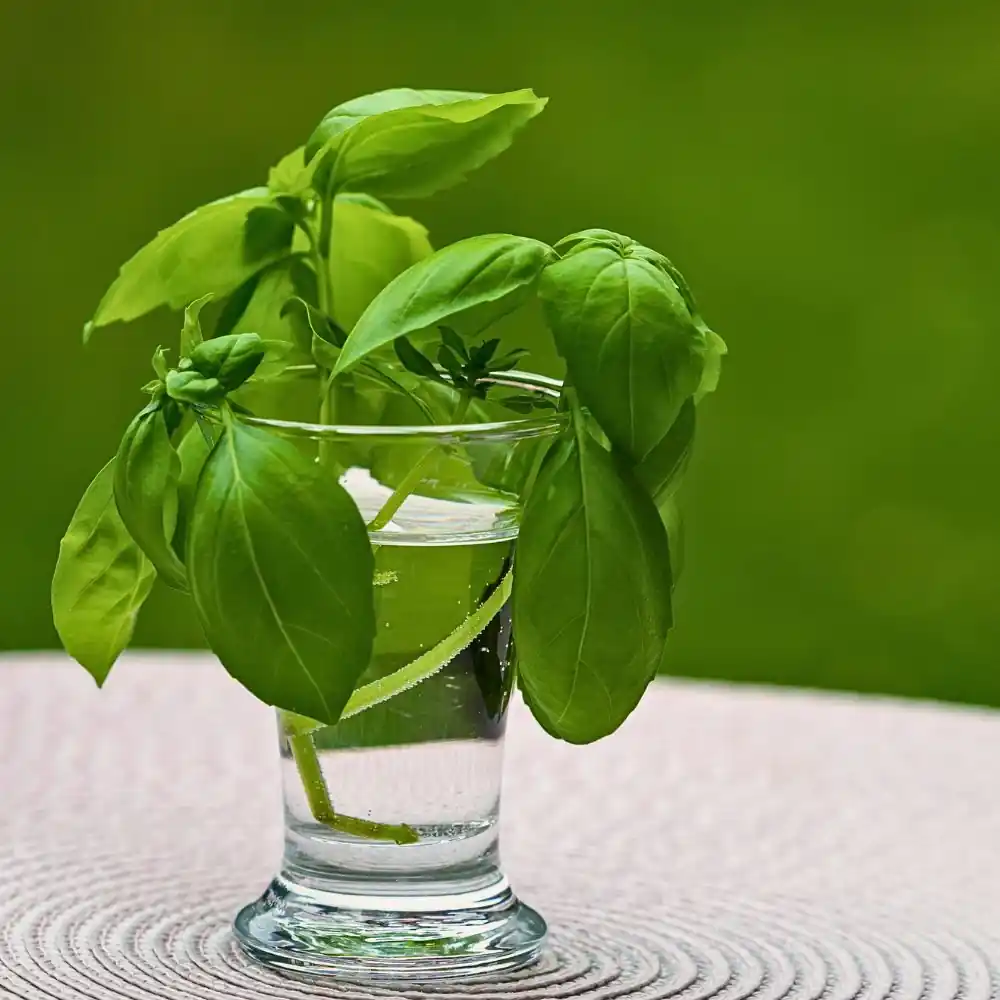
Basil and various other herbs also thrive in hydroponic setups as fast-growing selections; under optimal environmental conditions, basil can be harvested in as few as 28 days.
When propagated from seedlings, hydroponically grown spinach may be ready for harvesting in as little as two weeks. Radishes are yet another quick-growing candidate, typically becoming harvest-ready approximately one month after their seedlings are transplanted into the hydroponic system.
Essential Herbs That Thrive in Water: Building Your Flavor Oasis
If you’re new to hydroponics, herbs are hands down one of the most rewarding plants to start with—they don’t take up much space and are a breeze to care for.
Varieties such as basil, mint, cilantro, rosemary, sage, chives, and oregano flourish beautifully when grown indoors using hydroponic systems. Their growth in water is surprisingly vigorous; it’s not uncommon for them to push out new leaves each and every day.
This quick turnaround is what makes them a staple for kitchen-based gardens, letting you grab fresh herbs whenever you need them for cooking. When selecting herbs for hydroponic setups, go for perennial types that come back year after year.
These indoor hydro plants are especially valuable because they infuse your dishes with fresh, vibrant flavors, and unlike soil-grown herb gardens, they require barely any ongoing maintenance.
Nurturing Your Hydroponic Plants: Daily Care with Heart
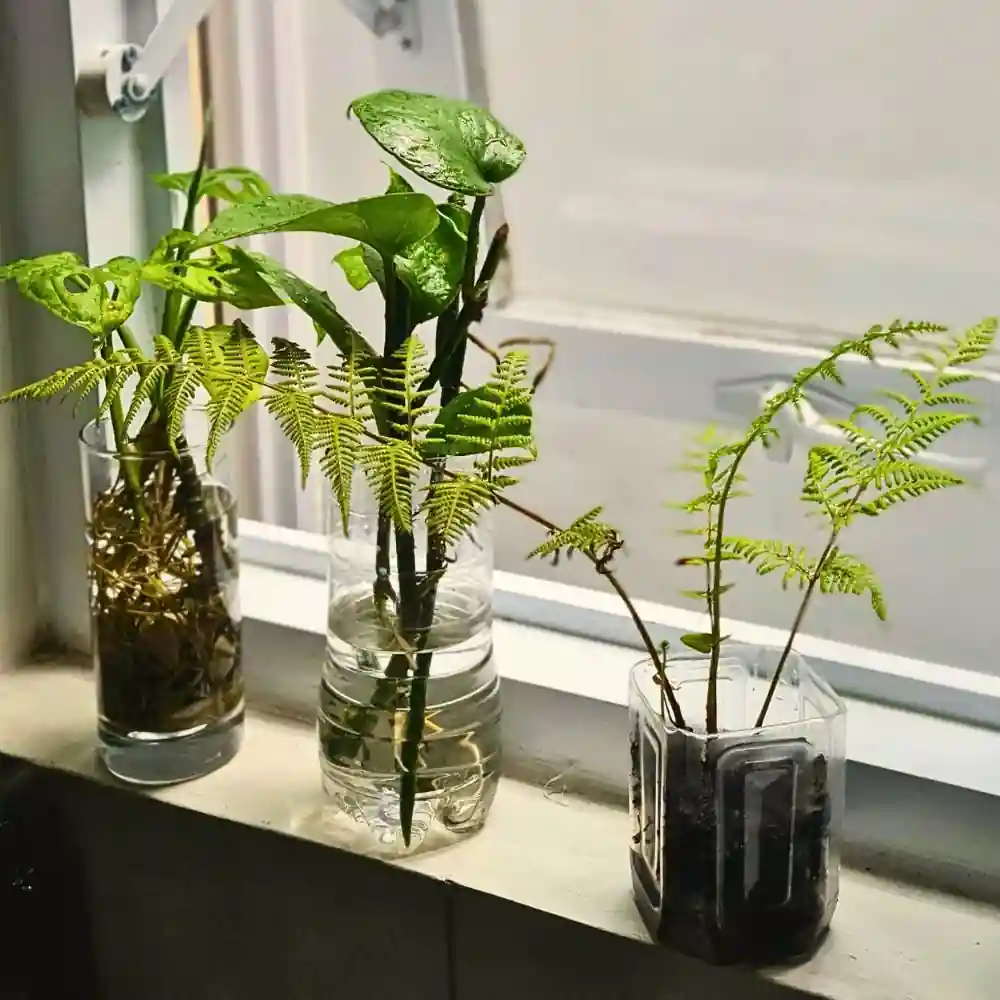
Growing plants via hydroponics successfully requires gathering a set of essential supplies first:
- A clean glass vase or container
- Sharp, sanitized pruning shears for taking plant cuttings
- Spring water, or tap water mixed with plant nutrients
- Suitable lighting (preferably bright but indirect sunlight)
- Hydroponic-ready plants or cuttings prepared for water-based propagation
Step-by-Step Guide to Assembling Your Hydroponic Setup
Start by selecting an appropriate stem—one without buds—and trim it to a length of 10-15 centimeters, adjusting slightly based on the plant’s overall size. Strip off the lower leaves and make sure all cutting tools are clean to prevent contamination.
Pick a vase with a narrow opening, as this design helps keep only the bottom part of the cutting submerged in water. Fill the container with room-temperature spring water, which naturally contains growth-boosting minerals. If spring water isn’t accessible, opt for regular tap water supplemented with plant food.
Place the cutting into the vase, ensuring only its base comes into contact with the water, then set the vase in a well-lit area that’s shielded from direct sunlight.
If you’re eager to move beyond basic water propagation and grow larger hydroponic plants indoors, there are several effective system options to consider.
Deep Water Culture (DWC) systems immerse plant roots in oxygen-enriched nutrient solutions, creating optimal growing conditions for high-performance hydroponic plants. Meanwhile, Nutrient Film Technique (NFT) systems work by circulating a thin layer of nutrient-dense water continuously over the plant roots.
Daily Care Routine for Hydroponically Grown Plants
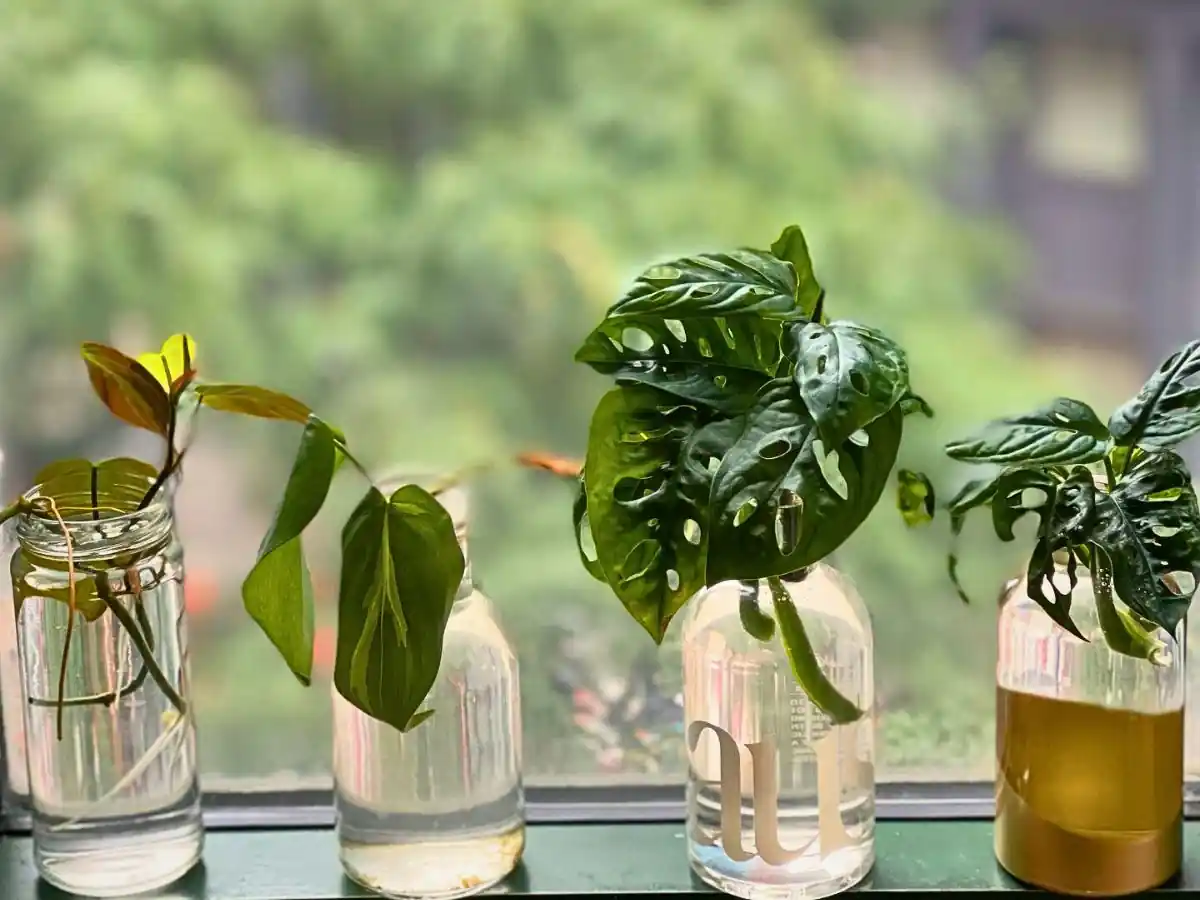
The core of hydroponic plant care lies in meticulous water management and targeted nutrient supply. To maintain optimal plant vitality, refresh the water every 2–4 weeks, and incorporate water-soluble fertilizers as needed.
Unlike soil-grown plants that can extract nutrients from the earth, hydroponic varieties rely entirely on the nutrient blend you add to their water solution—meaning their nutritional needs differ significantly and require careful attention.
Consistent monitoring of pH levels is a must, as the majority of hydroponic plants flourish in water with a pH range of 5.5 to 6.5. Additionally, keep an eye on the EC (Electrical Conductivity) level, which gauges the concentration of dissolved salts in the water.
This metric is key to ensuring the nutrient solution is properly balanced, as both pH and EC play critical roles in the success of indoor water-grown plants.
Lighting Needs for Hydroponic Houseplants
Adequate lighting is essential for hydroponic houseplants to carry out photosynthesis efficiently. Position your hydroponic setup near indoor windows that get ample bright, indirect sunlight. While many top-performing indoor hydroponic plants can adapt to lower light environments, they will exhibit stronger growth and healthier foliage when provided with sufficient illumination.
Keeping Tabs on Plant Health
Regular check-ins are vital to keeping your hydroponic plants healthy and lively. Be on the lookout for telltale signs of trouble, such as pest infestations, disease symptoms, nutrient deficiencies, or wilting leaves. One major advantage of growing plants in water is the reduced risk of soil-borne pests and diseases, but staying vigilant allows you to address any emerging issues promptly before they escalate.
Why Choose Hydroponics? The Gentle Edge Over Soil Gardening
I get it—soil has its charms, but hydroponics whispers efficiency and ease. Faster growth means quicker rewards, no weeds to battle, and zero mess for pet-friendly homes. Year-round vibes ignore seasons, and compact setups suit city life perfectly. It’s not just gardening; it’s a mindful way to connect with nature, yielding more green per inch while sipping less water. Your space, your rules—hydroponic plants adapt to you.
Wrapping Up: Embrace the Flow of Water-Grown Wonders
There you have it, friend—a world of hydroponic plants waiting to root in your life, from forgiving pothos trails to speedy basil bursts. Key takeaways? Start with easy wins like spider plants or peace lilies, prioritize clean water and light, and let the 20-30% growth boost remind you of your green thumb’s power.
My recommendation: Pick one plant this week, root it in a favorite jar, and journal the magic. You’ll not only green your space but nurture a bit of calm in the process.
FAQ
How much space does an indoor hydroponic garden need, and how many plants can it hold?
Even a loaf-pan-sized countertop setup can nurture a dozen leafy greens, yielding weekly salads. Roots in water mean vertical stacking is a breeze—no extra floor space required. Aim for 4-6 inches per plant to keep things cozy and thriving.
Which hydroponic plants offer the quickest harvest for impatient beginners?
Greens like lettuce (3-4 weeks), watercress (15-20 days), and spinach (2 weeks from seedlings) sprint ahead. Under LEDs and steady nutrients, they’re foliage-focused speedsters, perfect for that first triumphant snip.
What’s the difference between ebb-and-flow and drip hydroponic systems for home use?
Ebb-and-flow gently floods and drains for forgiving, oxygenated roots—great for herbs and greens. Drip offers a steady trickle for thirstier fruits but watch for clogs. Beginners? Start ebb-and-flow for its simple, stress-free rhythm.
Do hydroponic gardens really save resources compared to soil-based ones?
Absolutely—up to 90% less water thanks to recirculation, no chemical runoff, and indoor efficiency that shrinks your carbon pawprint. LEDs sip power but deliver year-round yields, making it a smart, sustainable hug for the earth.
How can I prevent diseases in my hydroponic setup without harsh chemicals?
Rinse with 3% food-grade hydrogen peroxide between cycles, ensure good airflow via pumps, and hold pH steady at 5.5-6.5. It’s like a gentle cleanse that keeps your water world pure and your plants peacefully prospering.