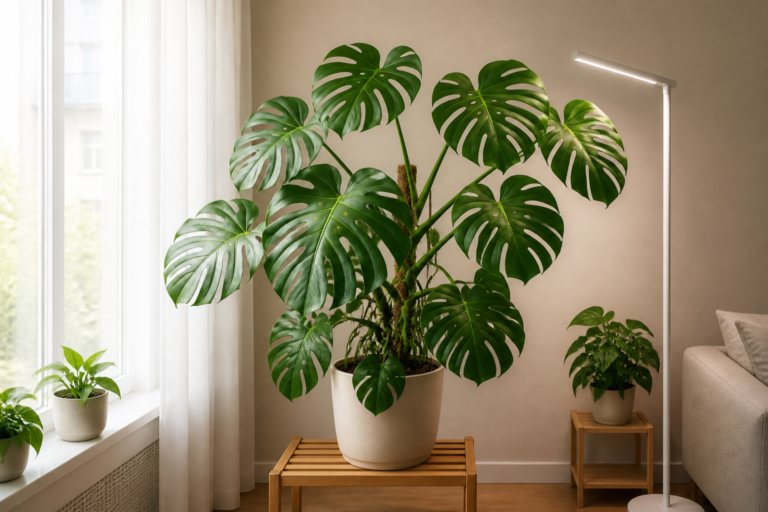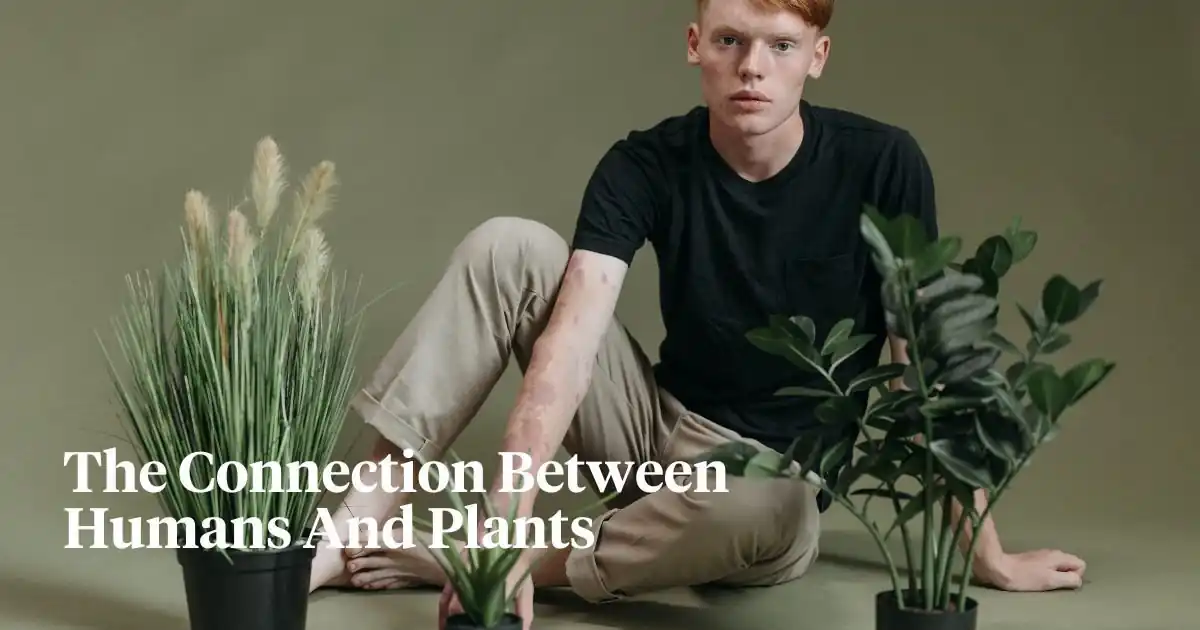
Plants permeate every corner of our lives, yet they’re often dismissed by most as mere seasonal green adornments with little significance. Nevertheless, these living organisms possess an inherent charm that weaves an indelible bond between humanity and the vast tapestry of Mother Nature. Be it the exuberant foliage of a backyard garden, the tranquil ambiance of a dense forest, or the lively hues of potted houseplants indoors, the rapport between humans and plants extends far beyond mere visual appeal.
Imagine this: You’re curled up on your couch after a long day, the weight of deadlines or endless to-dos pressing down like an invisible fog. What if a simple green leaf could cut through that haze, offering a quiet whisper of calm?
As someone who’s felt that exhaustion myself—juggling work, life, and those nagging worries—I know how desperately we crave gentle anchors in our chaotic world. That’s where plants come in, not as mere decor, but as empathetic allies in our mental health journey.
In this guide, we’ll explore the psychology of plant therapy and uncover practical ways these living wonders can soothe your soul, drawing you closer to the restorative embrace of nature.
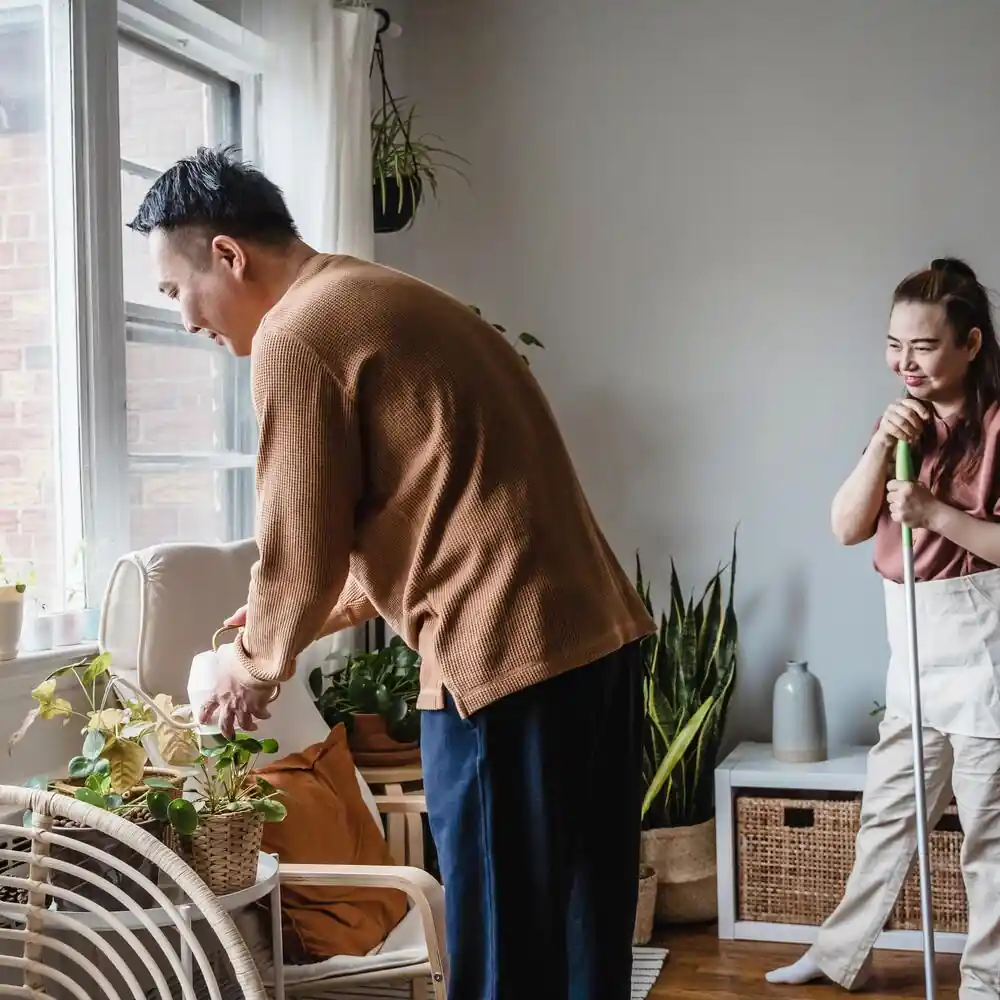
A Green Haven in Your Busy World
Life in the fast lane often leaves us feeling unmoored—surrounded by screens, schedules, and the importance of our connection with nature often gets overshadowed.
But here’s a comforting truth: Plants invite us back to basics, reminding us we’re part of something larger and alive. That lush fern on your windowsill or the swaying palms in a nearby park? They’re more than pretty; they’re bridges to the earth that ground us when everything else feels unsteady.
Think about those moments when a walk through greenery lifts your spirits without you even trying. It’s no accident. The subtle yet persistent call of nature reverberates within our genetic blueprint, coupled with an inborn yearning to forge a tighter bond with Mother Earth. This primal pull draws us to spaces touched by nature—whether it’s the unspoiled serenity of the wilderness or a meticulously nurtured garden that blooms with care.
Plants blooming sparks a surge of vitality in our emotions and daily rhythms, while their winter decline—marked by wilting and dormancy—often casts a shadow over our spirits, draining the vibrancy from our lives.
Whether you’re a busy parent stealing five minutes to water your succulents or a remote worker staring at the same four walls, incorporating plants can create pockets of serenity right where you need them most.
Quick Fact: Nature’s Mood Lift
Did you know that just 20 minutes in a green space can lower cortisol levels (your stress hormone) by up to 20%? It’s a small shift that adds up, helping you breathe easier amid the storm.
The Biophilia Hypothesis: Your Innate Love for the Green World
Ever wonder why a single blooming orchid can stop you in your tracks, filling you with a quiet joy? It’s rooted in the biophilia hypothesis, a concept coined by biologist E.O. Wilson in the 1980s. At its core, this idea posits that humans have an instinctive bond with nature and all living things—including our leafy friends. This isn’t just poetic musing; it’s etched into our DNA from ancestors who thrived by reading the land for food, shelter, and safety.
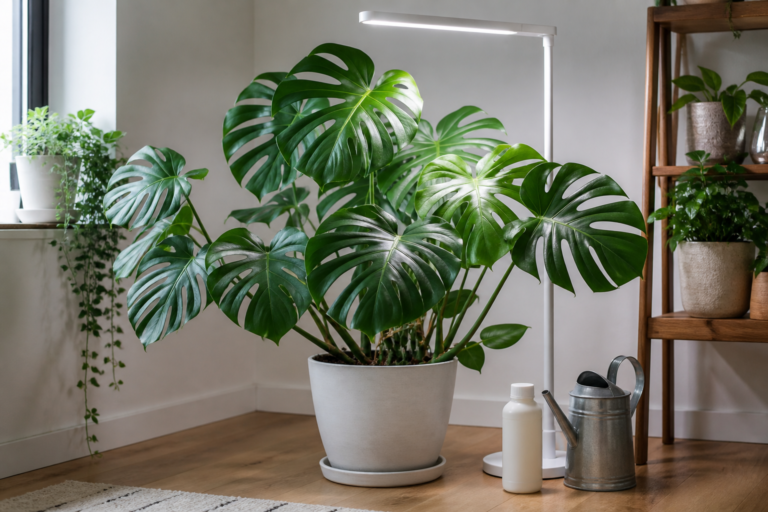
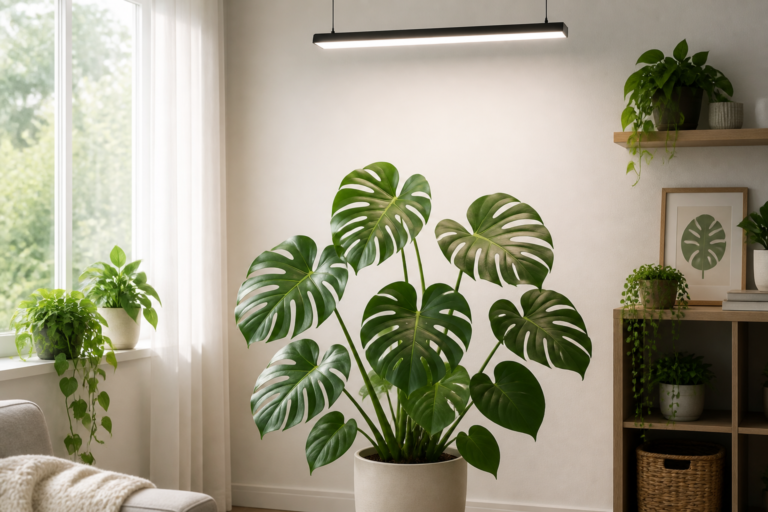
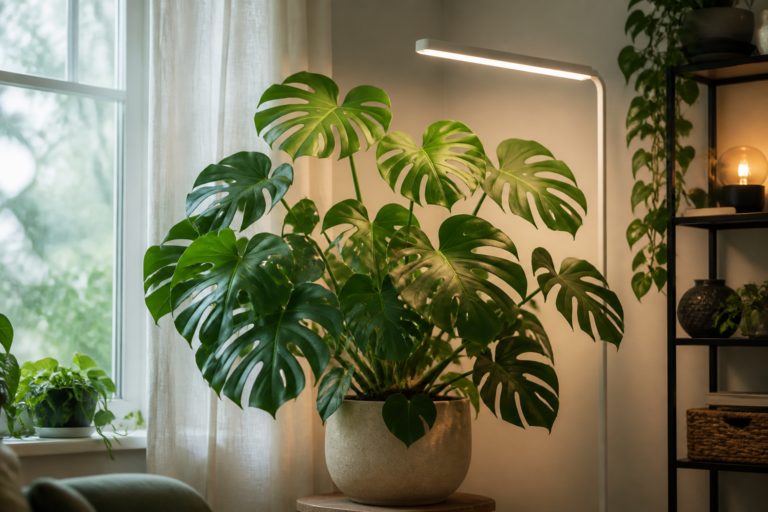
In today’s urban grind, where concrete towers block out the horizon, this biophilic pull feels even stronger. Studies, like those from the University of Aarhus in Denmark, show that people with views of greenery report lower stress and better focus. For urban dwellers especially, a potted tropical monstera or fiddle-leaf fig becomes a vital link to that lost wilderness—a daily nudge toward balance.
Scientific inquiries have consistently demonstrated that immersing ourselves in nature works wonders for easing stress and anxiety, breathing new life into our emotional states. This deep-seated biophilic connection acts as a precious lifeline for those tangled in the web of stressors brought on by contemporary living. So, that casual walk in the park or that brief hiking adventure isn’t just a momentary escape—it can actually add to the length of your life.
If you’re navigating anxiety or the blues, leaning into this hypothesis means small, doable steps: Place a vibrant calathea near your desk for that pop of color, or step into a botanical garden on your lunch break. It’s your gentle reminder that you’re not alone; nature’s got your back, fostering resilience one leaf at a time.
Therapeutic Horticulture: Hands in the Soil, Heart at Ease
What if tending to a plant felt like a warm hug for your mind? Therapeutic horticulture takes this idea to heart, using plant interactions to ease mental and physical strains. It’s not about perfection—it’s about presence. Whether you’re clipping dead leaves or misting a humidity-loving philodendron, these acts pull you into the now, away from swirling worries.
Picture this: Your hands in cool soil, the earthy scent rising as you plant seeds. This isn’t just busywork; it’s mindfulness in motion. Research from the American Horticultural Therapy Association highlights how such activities reduce symptoms of depression by promoting a sense of control and achievement. For those feeling overwhelmed, like during a tough transition or seasonal slump, it’s a compassionate way to rebuild, one nurturing gesture at a time.
- Sensory Soothe: The soft texture of a prayer plant’s leaves or the citrusy whiff of a lemon tree engages your senses, quieting mental chatter.
- Growth as Metaphor: Watching your plant rebound from a wilt teaches patience and hope—mirrors for your own setbacks.
- Community Connection: Joining a local plant swap or garden club weaves in social support, combating isolation.
How Weather Shapes Your Plant Therapy Journey
Seasons shift, and so do we—sometimes syncing beautifully with our green companions, other times clashing like a sudden storm. Take Seasonal Affective Disorder (SAD), that wintertime thief of joy affecting millions. Shorter days and gray skies can dim our spark, but plants offer a steady counterpoint.
Sunlight, that golden elixir, ramps up serotonin production for happier vibes, and tropical plants like bird-of-paradise thrive under it, inviting you to bask alongside. Rainy days? They bring renewal—the patter on leaves and petrichor (that fresh rain smell) can melt tension, much like a deep exhale. A study in the Journal of Environmental Psychology notes that even simulated nature sounds paired with plants boost mood during gloomy weather.
Rain, sometimes associated with gloom, is vital to plant growth and regeneration. The gentle sound of raindrops and the fragrance of wet earth can evoke feelings of calm and renewal.
Unpacking the Mind-Body Magic: Psychological Mechanisms at Play
Why do plants hit different? It’s the subtle psychology weaving through every interaction. Our brains light up with awe at a cascade of pothos vines, triggering dopamine hits of delight. This aesthetic pull isn’t superficial—it’s restorative, as evidenced by fMRI scans showing nature views activate reward centers like a natural antidepressant.
Layer in the senses: Brushing velvety sansevieria leaves grounds you tactilely; inhaling a jasmine’s evening bloom eases insomnia. Then there’s the caregiving rhythm—watering, pruning—that builds mindfulness, much like breathwork. A thriving garden? Pure validation, spiking self-worth as you witness your efforts bloom.
Tending to plants demands both patience and meticulous care—this process naturally cultivates a state of mindfulness, sharpening our focus and clearing the mental clutter. Observing a single potted plant or an entire garden burst into vibrant life fills us with a profound sense of achievement and a renewed sense of purpose. This tangible proof of how our nurturing efforts fuel growth does wonders for boosting self-esteem and confidence, laying a solid foundation for holistic well-being.
For deeper dives, compare these mechanisms in a quick table:
| Mechanism | How It Helps | Plant Example |
|---|---|---|
| Visual Appeal | Sparks wonder and calm | Lush fiddle-leaf fig |
| Sensory Engagement | Reduces anxiety via touch/smell | Fragrant citrus trees |
| Nurturing Routine | Builds purpose and focus | Easy-care snake plant |
| Achievement Sense | Boosts confidence through growth | Fast-blooming peace lily |
These aren’t abstract; they’re invitations to feel seen and supported in your daily grind.
Bringing Plant Therapy Home: Practical Steps for You
Ready to weave this magic into your routine? Start small—you deserve that ease without overwhelm.
Indoor Plant Care: Your Everyday Sanctuary
Incorporating houseplants into your living or work space is a simple and effective way to enjoy the benefits of therapeutic gardening.
Scatter low-maintenance tropicals like ZZ plants or spider plants around your space. They purify air (hello, NASA-backed benefits) while softening harsh edges, creating a lived-in calm that whispers, “You’ve got this.”
Gardening for Beginners: Muddy Joy Awaits
No yard? No problem. Balcony pots with heat-loving hibiscus or vertical herb walls turn tiny spots into therapeutic zones. Begin with soil basics: Feel the dirt, celebrate the sprouts. It’s forgiving progress that mirrors your own gentle unfolding.
Starting a garden, even in a small space, provides an opportunity to connect with plants and nature.
Nature Escapes: Recharge in the Wild
Can’t garden daily? Plan micro-adventures—a trail with wild ferns or a beachside palm grove. These breaks reset your nervous system, as per University of Michigan research showing nature time slashes rumination by 28%.
While we may not have regular access to a garden or green space, occasionally escaping into a natural environment, whether it’s a hike in the forest or a day at the beach, can provide profound spiritual restoration.
Grab those gloves; your first step is the sweetest.
Wrapping Up: Nurture Your Mind with Nature’s Wisdom
As we close this leafy chapter, remember: The psychology of plant therapy isn’t a quick fix—it’s a compassionate companion for life’s ups and downs. From biophilia’s evolutionary hug to horticulture’s hands-on healing, plants remind us we’re wired for wonder, capable of renewal just like they are. Key takeaways? Tune into your innate nature love, engage your senses daily, and let growth—yours and theirs—build quiet strength.
My recommendation: Pick one plant this week that speaks to you. Water it with intention, watch it respond. In that exchange, find your footing. You’re worthy of this green grace—let’s grow through it together.
FAQ
What is the biophilia hypothesis, and how does it relate to plant therapy?
The biophilia hypothesis explains our innate affinity for nature, including plants, which evolved for survival. In plant therapy, it means surrounding yourself with greenery—like indoor tropicals—can instinctively reduce stress and enhance emotional well-being.
Can indoor plants really help with anxiety and mental health?
Yes! Studies show indoor plants lower cortisol and improve focus by creating calming micro-environments. Start with forgiving varieties like pothos for easy, empathetic anxiety relief in small spaces.
How does weather affect plant therapy for Seasonal Affective Disorder (SAD)?
Weather influences mood via light and growth cycles. For SAD, opt for sun-loving plants like citrus to boost serotonin, or humidity-thriving ferns during rainy spells—their vitality counters winter blues.
How quickly can plants improve my mental well-being?
Benefits can emerge in days—reduced stress from daily tending—but deeper shifts, like boosted self-esteem, build over weeks. Consistency is key; pair it with your unique needs for lasting calm.
What are beginner-friendly ways to start therapeutic gardening?
Begin with container gardening: Choose low-light tropicals, use well-draining soil, and set a simple weekly routine. It’s a nurturing practice that builds mindfulness without pressure.