Imagine stepping into a multi-story indoor atrium where sunlight dances through lush greenery, drawing your eyes upward in a gentle, inviting rhythm.
As a plant enthusiast, you’ve likely dreamed of transforming a stark commercial space into a living, breathing sanctuary that feels as nurturing as it is awe-inspiring. But creating that seamless flow—where light, movement, and harmony blend effortlessly—can feel overwhelming amid the vertical drama.
Don’t worry; you’re not alone in this. With thoughtful design rooted in human intuition and nature’s wisdom, we can craft atriums that not only captivate but also soothe the soul.
In this guide, we’ll explore practical tips to infuse your space with vitality, drawing on expert insights to make every level feel connected and alive.
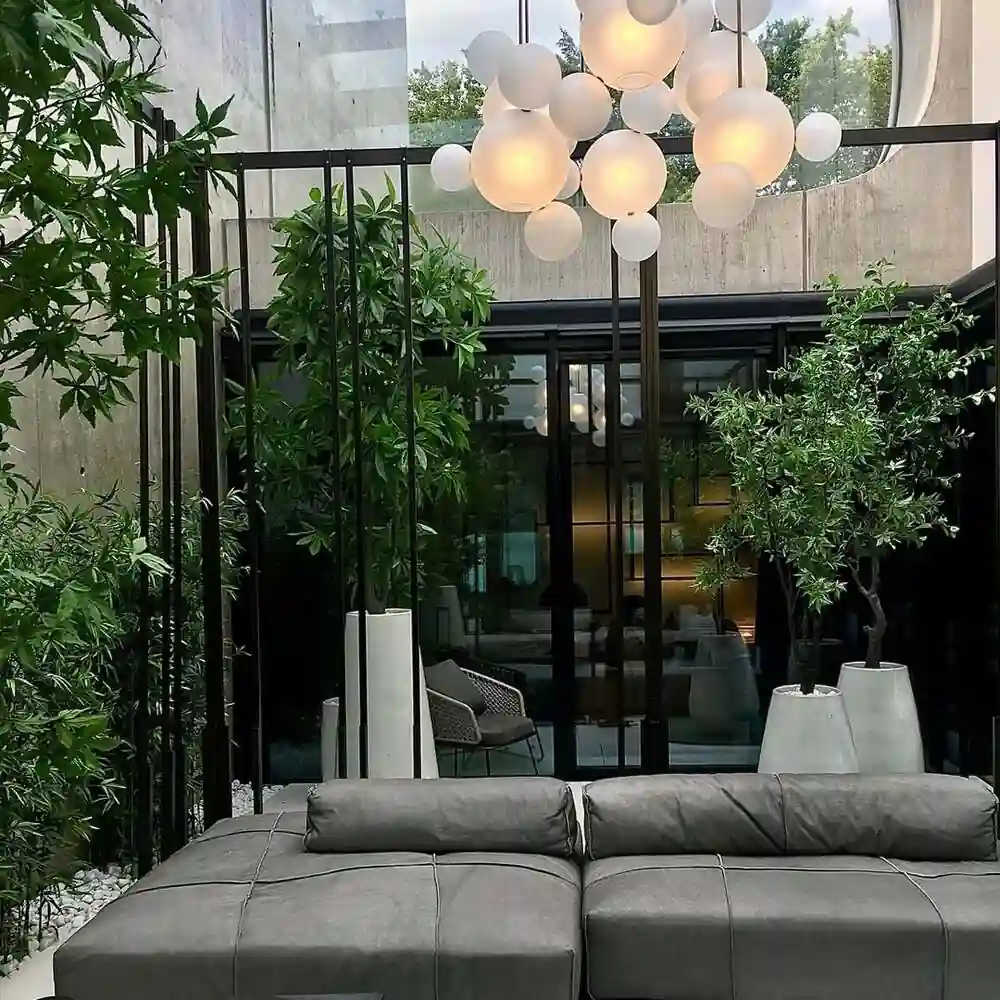
Understanding the Heart of Vertical Movement
Picture yourself navigating a towering atrium: the thrill of height mixed with a subtle urge to find your bearings. Vertical spaces challenge us in ways flat floors don’t—they pull our gaze in all directions, stirring both excitement and a touch of vertigo. The good news? By honoring how we naturally move and perceive these environments, you can design flow that feels instinctive and reassuring.
Effective vertical circulation not only fulfills functional needs but also embodies the psychological implications of spatial height and scale. When navigating high-rise spaces, people inherently rely on orientation cues to position themselves.
Thus, incorporating regular reference points is essential for helping visitors grasp their location within the broader spatial context. Such reference points may encompass distinctive architectural elements at critical levels, material or color transitions that indicate spatial shifts, as well as strategically located amenities that function as both natural gathering hubs and navigational guides.
Start with intuitive wayfinding, the quiet hero of any successful atrium. We humans crave anchors in vast volumes, so layer in gentle cues like color shifts in railings or textured planters at each landing. These aren’t just functional; they’re empathetic nods to our need for orientation, turning potential confusion into confident exploration.
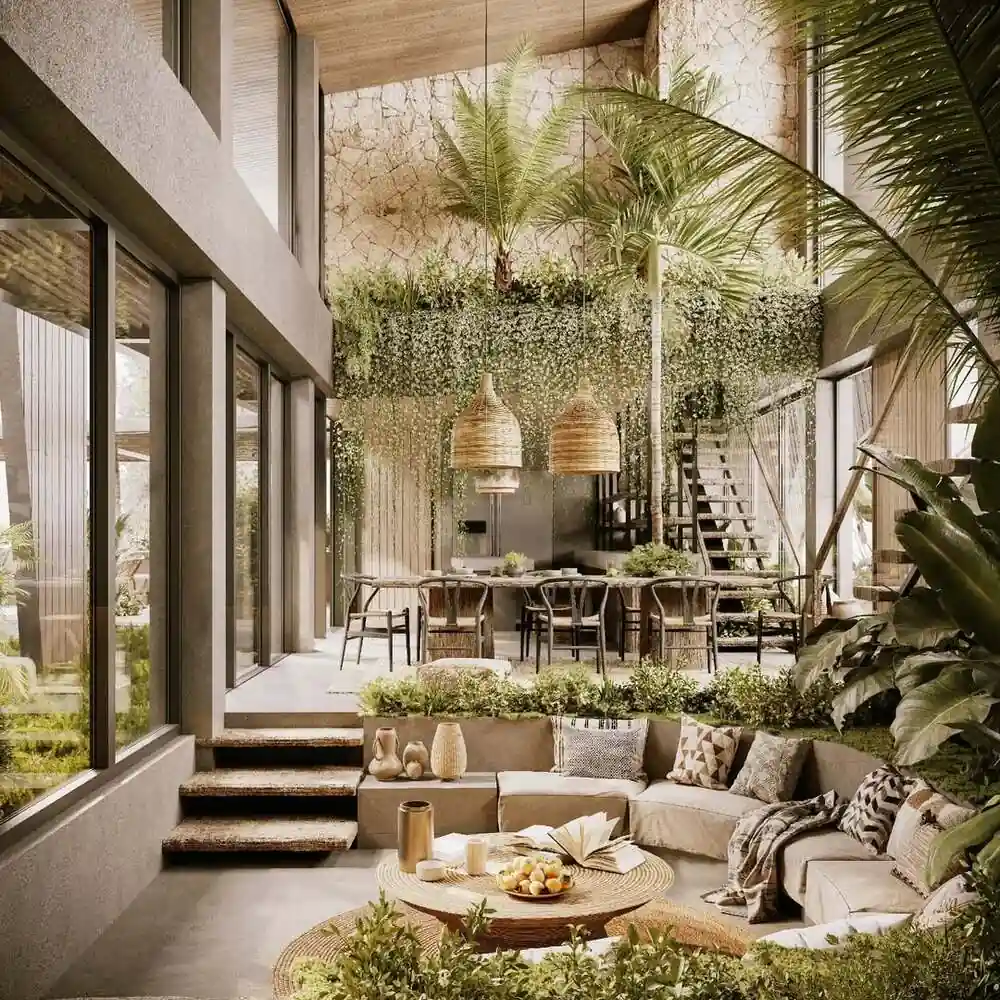
Elevating Stairs as Sculptural Pathways
Staircases aren’t mere utilities—they’re the heartbeat of vertical flow, bridging levels with grace and purpose.
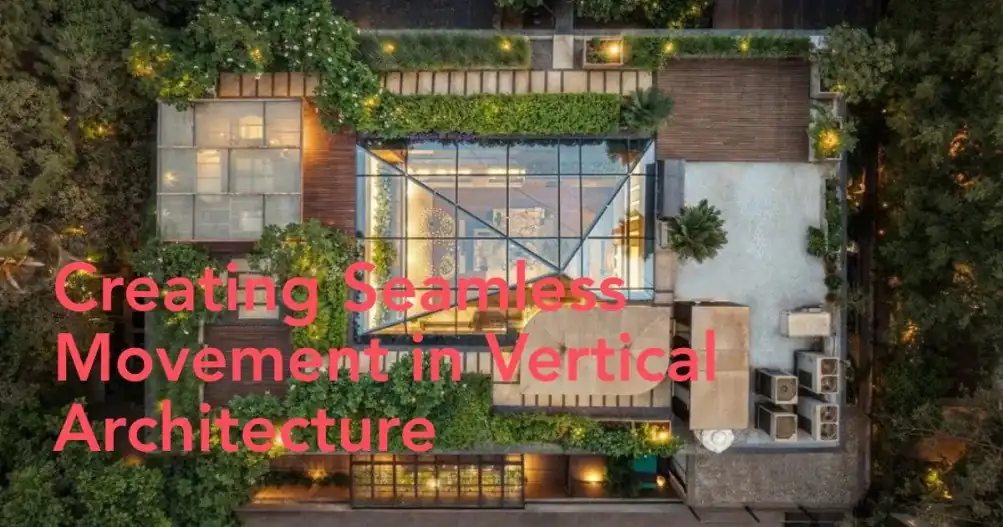
Visual connectivity acts as an invisible thread, weaving the multiple levels into a seamless spatial experience. The top floor’s interior atrium creates strategic viewpoints, allowing users on different floors to see and participate in the activities above and below. This makes each floor feel like part of a larger whole, rather than isolated horizontal spaces.
Balcony projections, mezzanine overhangs, and strategically placed floor openings enhance this connectivity. The key is to balance openness and privacy, ensuring that visual connectivity enhances rather than hinders the functionality of each floor.
Successful designs utilize varying degrees of visual permeability: providing more open connections in common areas and cleverly separating them where privacy is required.
Harnessing Light to Breathe Life into Flow
Light isn’t just illumination—it’s the atrium’s storyteller, shifting moods from serene mornings to golden evenings. As someone who cherishes how sunlight filters through leaves, you’ll appreciate how it can mimic a forest canopy, guiding us intuitively.
For high-traffic atriums, integrate subtle LED strips along risers to softly illuminate paths at dusk, enhancing safety without overwhelming the natural light.
When it comes to crafting a fluid experience in atrium spaces, light stands out as perhaps the most powerful ally. Natural light filtering through skylights paints a ever-changing picture throughout the day—shifting the space’s mood and weaving a natural rhythm that shapes how people move and feel within it. This lively quality banishes staleness and keeps the area engaging for occupants.
Artificial lighting, deployed in layered configurations, adds yet another dimension. It marks walking routes clearly, draws attention to standout architectural elements, and creates eye-catching focal points that encourage movement across the space.
Uplighting from lower areas casts a dramatic glow as it bounces off upper walls or ceilings, while targeted accent lights steer the eye along intended visual paths. The key lies in making natural and artificial light work in harmony: artificial systems should enhance daylight’s effects instead of clashing with its natural patterns.
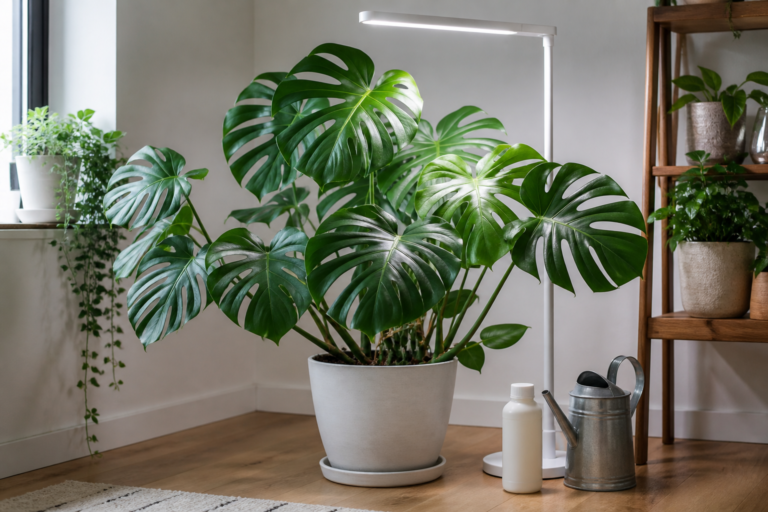
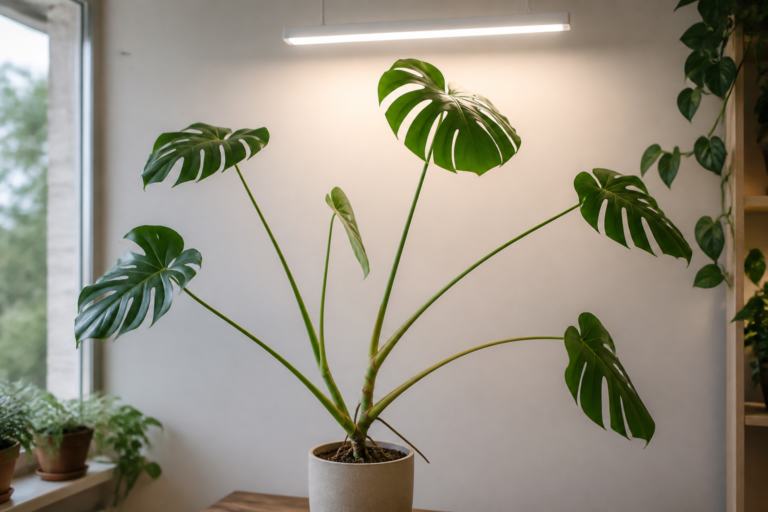
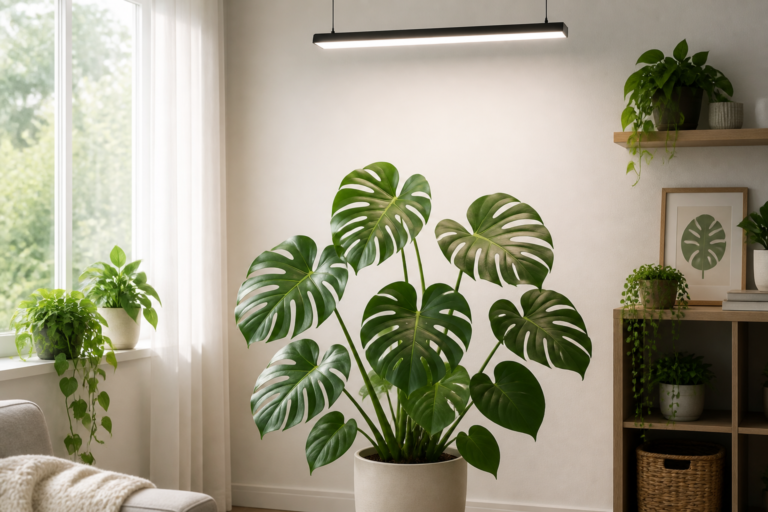
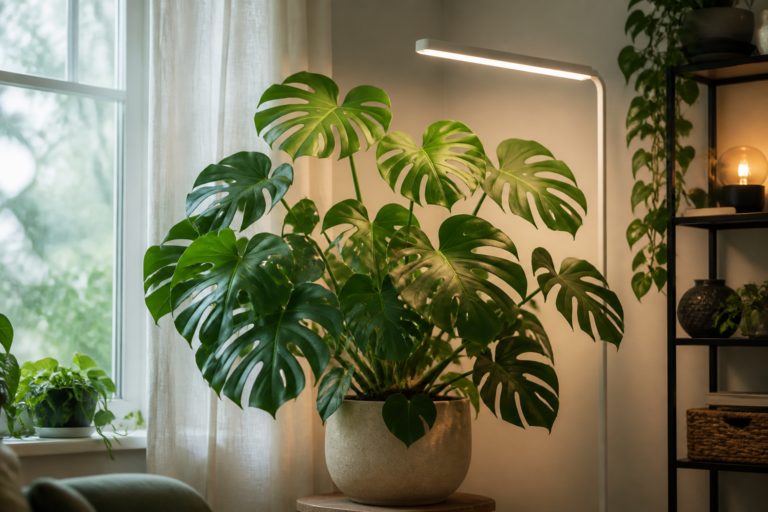
Pro Insight: In low-light corners, snake-shaped grow lights disguised as vines ensure your tropical stars like calatheas thrive, extending the “flow” to the plants themselves.

Sparking Joy with Purposeful Activity Hubs
An empty atrium echoes with potential, but it’s the hum of life—conversations, laughter—that truly animates it. Think of these spaces as vertical villages, where amenities invite pauses and connections, easing the rush of multi-level living.
Place café nooks at crossroads, perhaps with communal tables under bird-of-paradise clusters, to naturally funnel foot traffic. Art walls that shift perspectives from afar add whimsy, while pop-up seating encourages lingering. Balance is key: ground-level buzz anchors the base, mid-level retreats offer respite, and upper perches reward with panoramic views.
To avoid overload, create a hierarchy of nodes—vibrant at the core, subtler at edges—so movement feels organic, not forced.
When positioning activity generators, it’s crucial to carefully assess their functional performance and visual effects. Placing these elements too low can lead to them being diminished by scale, while overly high placement severs their link to ground-level activities. The most efficient method is to build a hierarchy of activity nodes, effectively infusing the entire vertical area with interesting and interactive spots.
The Magic of Interior Landscaping: Your Tropical Allies
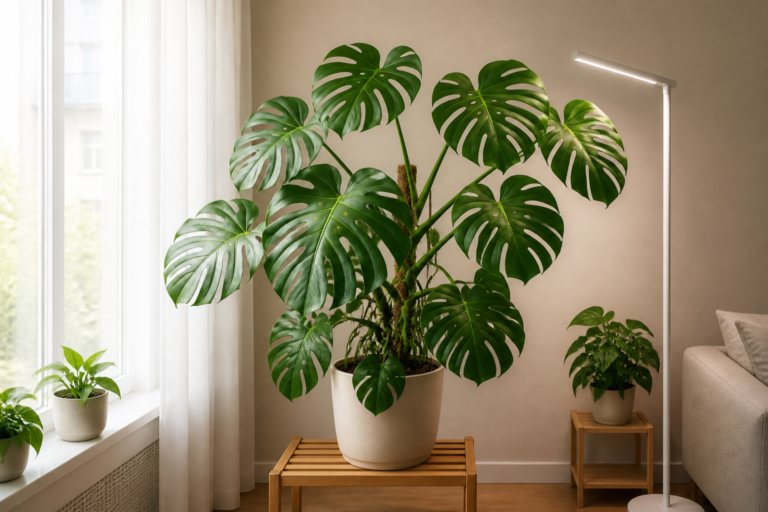
Ah, plants—the soul-soothers we all turn to for that instant lift. In atriums, they’re more than decor; they’re flow facilitators, softening hard lines and pulling us upward with their verdant allure. A central indoor atrium garden fosters biophilic engagement, alleviating stress and enhancing air quality. Beyond these wellness benefits, it also serves as a natural hub for gatherings and acts as a visual focal point, aiding visitors in navigating the space with greater ease.
Embrace low-maintenance tropicals for resilience in varying lights:
- Peace Lilies (Spathiphyllum): Elegant white spathes glow in filtered shade, drawing eyes like beacons.
- Golden Pothos (Epipremnum aureum): Trail from high shelves for cascading “waterfalls” of green, linking floors visually.
- Dragon Tree (Dracaena marginata): Sleek, spiky forms add drama without demanding much sun.
- Chinese Evergreen (Aglaonema): Variegated leaves pop in dim spots, offering year-round color.
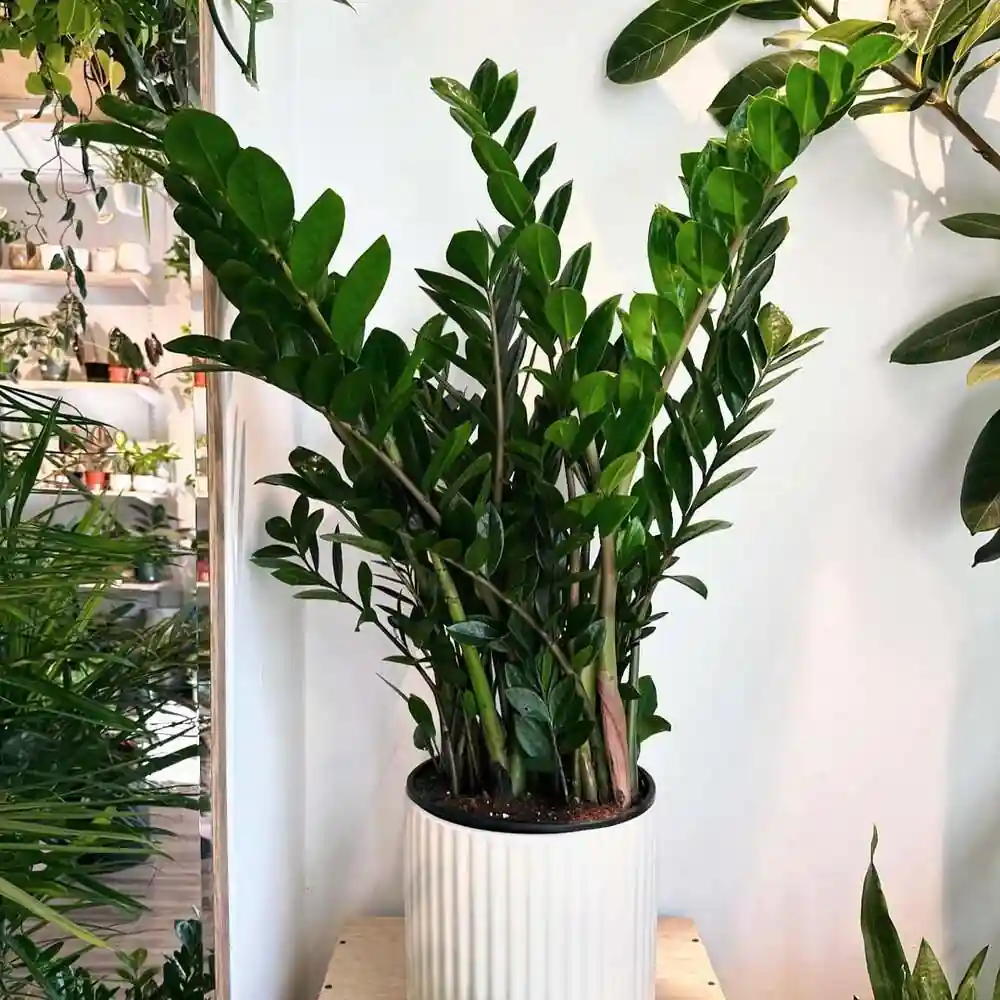
- ZZ Plant (Zamioculcas zamiifolia): Bulletproof in low light, with glossy fronds that anchor quiet zones.
- Bird’s Nest Fern (Asplenium nidus): Textured nests invite touch, thriving in humid atrium microclimates.
Incorporate vertical gardens or living walls with these for instant harmony—bonus: they muffle echoes, enhancing that cozy flow.
Quick Comparison: Top Tropicals for Atrium Layers
| Plant | Light Needs | Flow Benefit | Care Level |
|---|---|---|---|
| Peace Lily | Low-Medium | Focal blooms guide sightlines | Easy |
| Golden Pothos | Medium | Cascading connections | Very Easy |
| Dragon Tree | Medium-High | Sculptural height | Moderate |
| ZZ Plant | Low | Reliable anchors | Very Easy |
Crafting Harmony with Materials and Hues
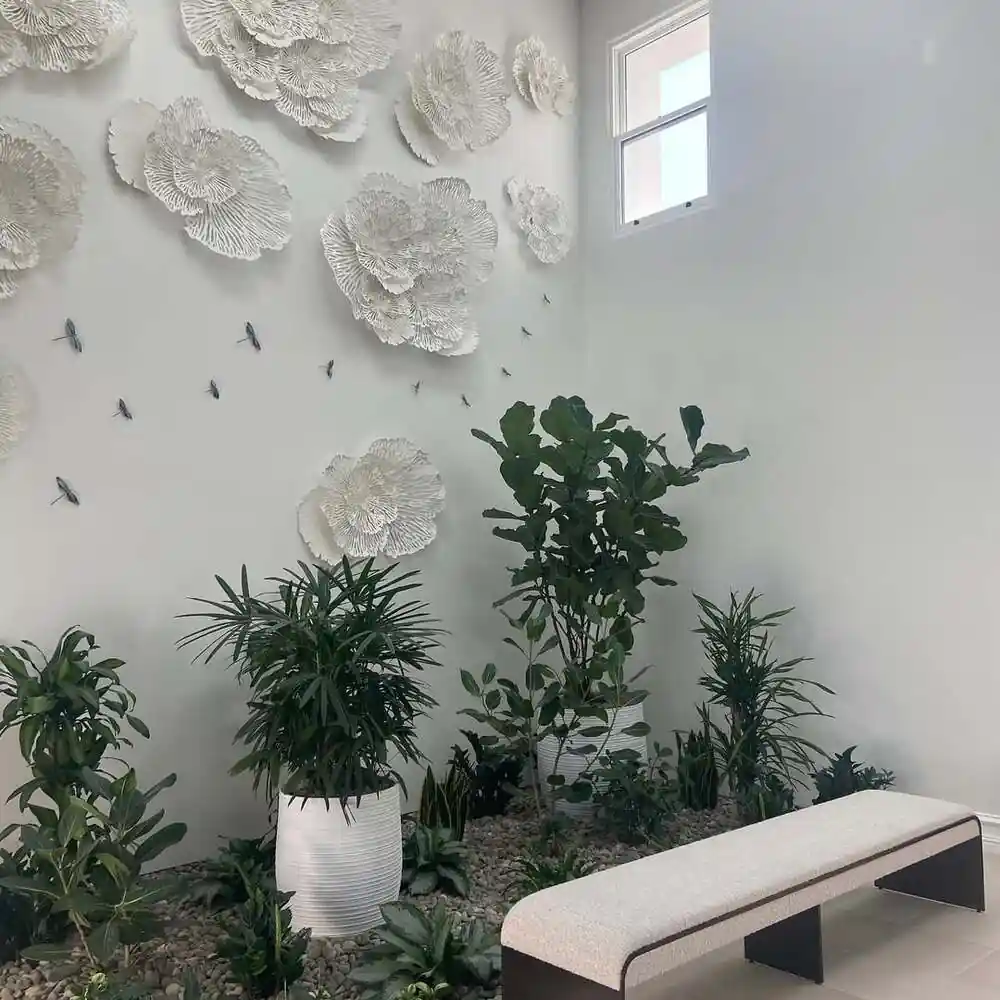
Materials whisper (or shout) about a space’s personality, shaping how flow feels underfoot and to the eye. For that airy, empathetic vibe, lean on reflectives like pearl-white walls to amplify daylight, bouncing it like morning mist through palms.
The choice of materials and color palettes deeply shapes how we perceive and engage with spatial flow. Immaculate white walls stand as perfect canvases, bouncing natural light around to craft spaces that feel bright and expansive.
Dark window frames, by contrast, offer a vivid visual counterpoint: they define the boundaries of openings and weave a rhythmic visual thread that leads the eye upward through the vertical design. White oak floors infuse warmth and natural texture, all while retaining the light-reflective characteristics that these environments demand. The wood’s innate grain patterns even serve as subtle guides for navigation.
By strategically alternating materials, we can steer movement patterns seamlessly—changes in flooring naturally mark the shift between zones, doing away with the need for clunky, obvious barriers.
Blurring Boundaries: Indoor-Outdoor Symphonies
Why confine beauty to walls when atriums beg to borrow the outdoors? These spaces thrive as thresholds, where glass walls and retractable panels invite breezes, making your tropical haven feel boundless.
Taking the fluid integration of indoor and outdoor areas a step further, advanced ventilation setups and operable building elements let users adjust their surroundings to suit seasonal preferences and daily activities.
Imagine spaces that morph effortlessly: with retractable roof sections, movable glass walls, and automated louver systems, they can switch from fully enclosed havens during bad weather to semi-open pavilions that catch cool natural breezes and stretch the usable time of the year.
What makes these spaces truly dynamic, though, is the thoughtful combination of these adaptive features with water features and local greenery—plants that thrive just as well indoors as they do in the transitional zones between inside and out.
The end result is environments that respond intuitively to both human needs and the ever-changing rhythms of nature throughout the seasons.
Bringing It All Together: Your Path to Atrium Bliss
Whew—what a journey through the heights! Creating flow in a multi-story indoor atrium isn’t about perfection; it’s about crafting a space that meets you where you are, with light that lifts, plants that heal, and paths that invite wonder. Key takeaways?
Prioritize intuitive circulation, layer in biophilic touches like those resilient tropicals, and let light and activity weave the rest. Start small—perhaps with a pothos cascade or a sun-tracking skylight—and watch your atrium bloom into a sanctuary.
Ready to green your vertical world? Experiment mindfully, observe how people (and plants) respond, and iterate with kindness. Your dream space awaits, one harmonious layer at a time.
FAQ
What are the best tropical plants for low-light atriums?
Opt for resilient picks like ZZ plants and Chinese evergreens—they handle shade gracefully while adding lush texture without fuss.
How can I improve vertical circulation in a multi-story space?
Focus on natural anchors: use color-coded railings and plant focal points at landings to make navigation feel effortless and inviting.
Does natural light really impact atrium flow?
Absolutely—skylights create dynamic rhythms that guide movement, much like dappled forest light, keeping the space alive and engaging.
How do I balance privacy and openness in atrium balconies?
Layer with frosted glass and trailing vines for subtle separation, ensuring connections feel warm rather than exposed.
Can indoor plants help with air quality in atriums?
Yes! Species like peace lilies and pothos naturally filter toxins, fostering healthier, more breathable environments that enhance overall flow.