have you ever caught yourself chatting with that lush Monstera in your living room, wondering if it’s quietly taking it all in? I get it; there’s something magical about nurturing these green companions, especially our tropical favorites like fiddle leaf figs or philodendrons that bring a slice of the rainforest indoors.
But what if I told you that while they don’t have eyes like ours, they might be “watching” in their own clever way? It’s not spooky—they possess a unique form of ‘sight’ that aids and sustains their survival and growth..
Let’s dive into the fascinating world of plant perception, blending empathy for our leafy friends with practical insights to help them (and you) thrive.
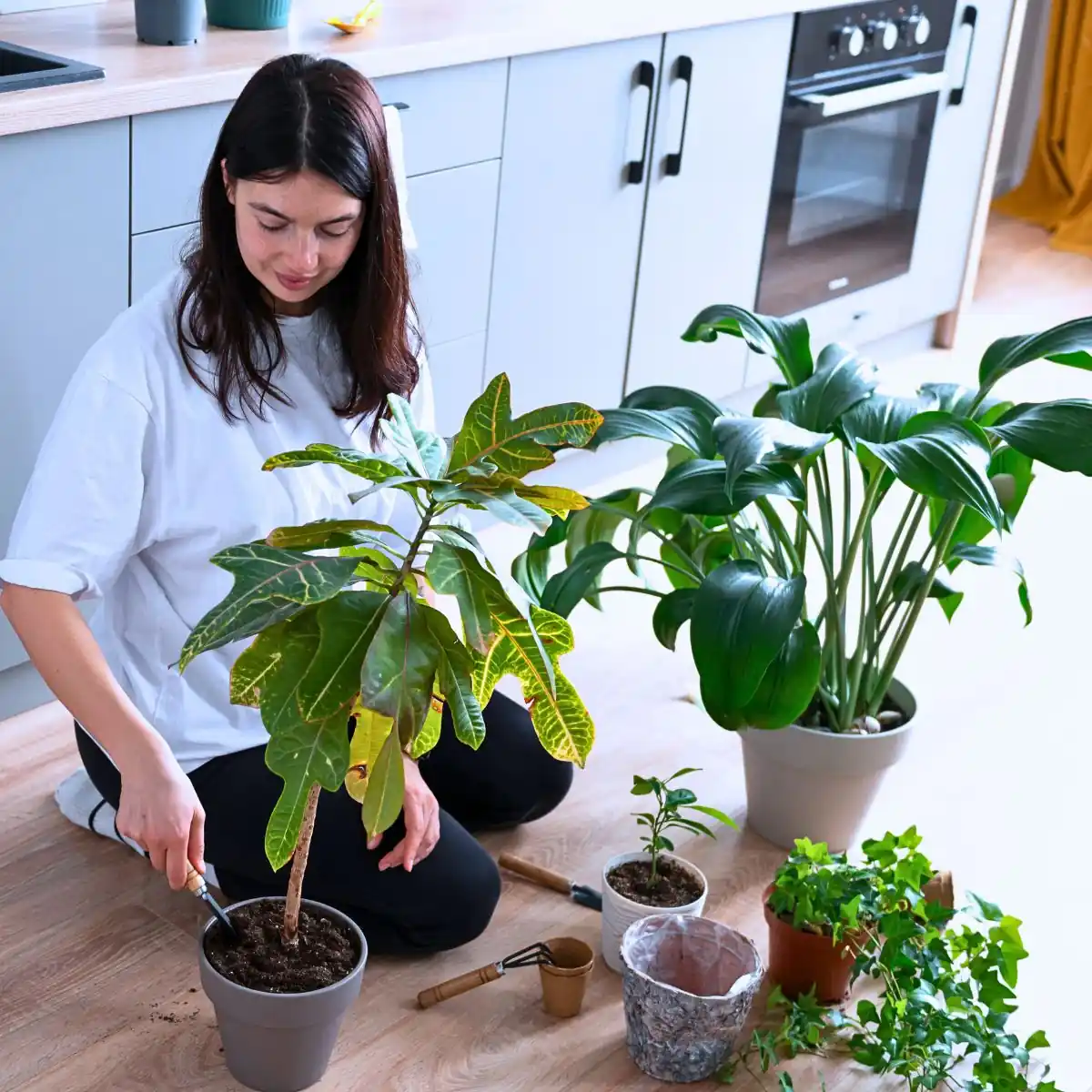
Photo by freepik
The Roots of Wonder: A Brief History of Plant Vision Ideas
Imagine tending to your potted rubber plant, its glossy leaves unfurling like they’re reaching out to greet you. For centuries, we’ve romanticized plants as passive decor, but early thinkers saw more. Back in 1907, Francis Darwin—yes, son of the famous Charles—proposed a bold idea: leaves might house tiny “organs” made of lens-like and light-sensitive cells, acting like primitive eyes.
Experiments in the early 20th century seemed to confirm the existence of such a structure, similar to a so-called ocelli. Ocellaris, also known as single eyes (derived from the Latin word “oculus,” are light-sensing organs found in various animals, including insects and some invertebrates. However, the idea that plants could “see” was cast aside, at least until later.

This hypothesis echoed experiments from the early 1900s suggesting structures akin to ocelli—simple light-detecting “eyes” found in insects and sea creatures. Though it faded into obscurity for decades, it planted the seed for today’s research, reminding us that plants have always been full of surprises.
Quick fact: Tropical vines like those in the Amazon have long inspired such curiosity, with their adaptive twining behaviors hinting at an acute awareness of their surroundings.
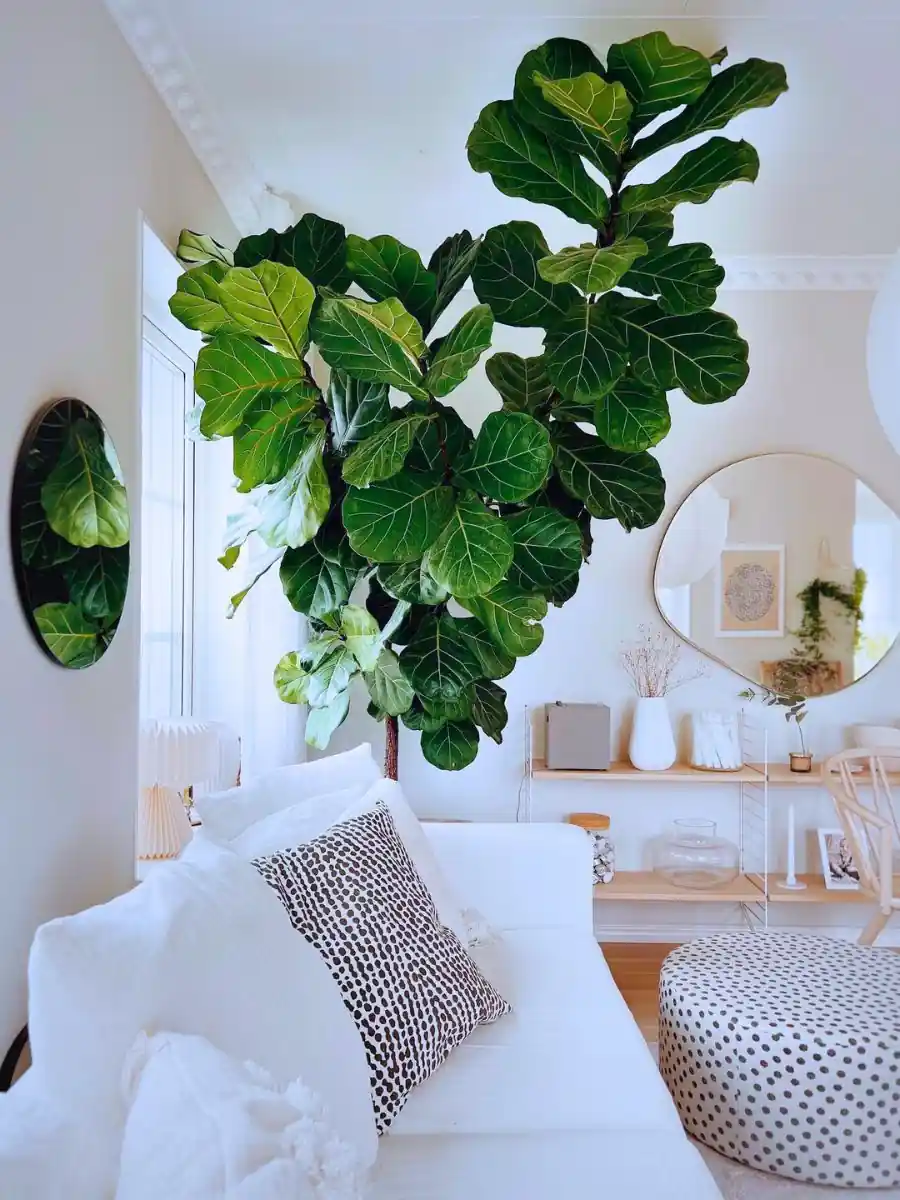
Photo by @interiorbysarahstrath
Modern Discoveries: Do Plants Really Have Eyes?
Fast forward to now, and scientists are revisiting these notions with fresh evidence. Plant cell biologist František Baluška and Italian physiologist Stefano Mancuso argue that plants possess plant-specific ocelli, enabling them to sense shapes and colors in ways we never imagined. Their work highlights how these structures could guide behaviors like leaf positioning in low-light tropical understories.
Tiny Lenses in Ancient Organisms: The Cyanobacteria Breakthrough
One game-changer came in 2016, when researchers found that Synechocystis cyanobacteria—photosynthetic microbes foundational to plant evolution—use their entire cell as a microlens to focus light, much like a retina. This “whole-body eye” lets them detect light direction and migrate toward it. For us plant enthusiasts, it’s a reminder that even the simplest life forms “see” to survive—echoing in your Aloe vera’s subtle tilt toward the window.
Even in higher plants like Arabidopsis (a model for many tropical species), proteins linked to eyespot development appear in plastoglobules—those pigment packets that paint autumn leaves in fiery hues. While not full-blown eyes, these suggest a rudimentary visual toolkit.
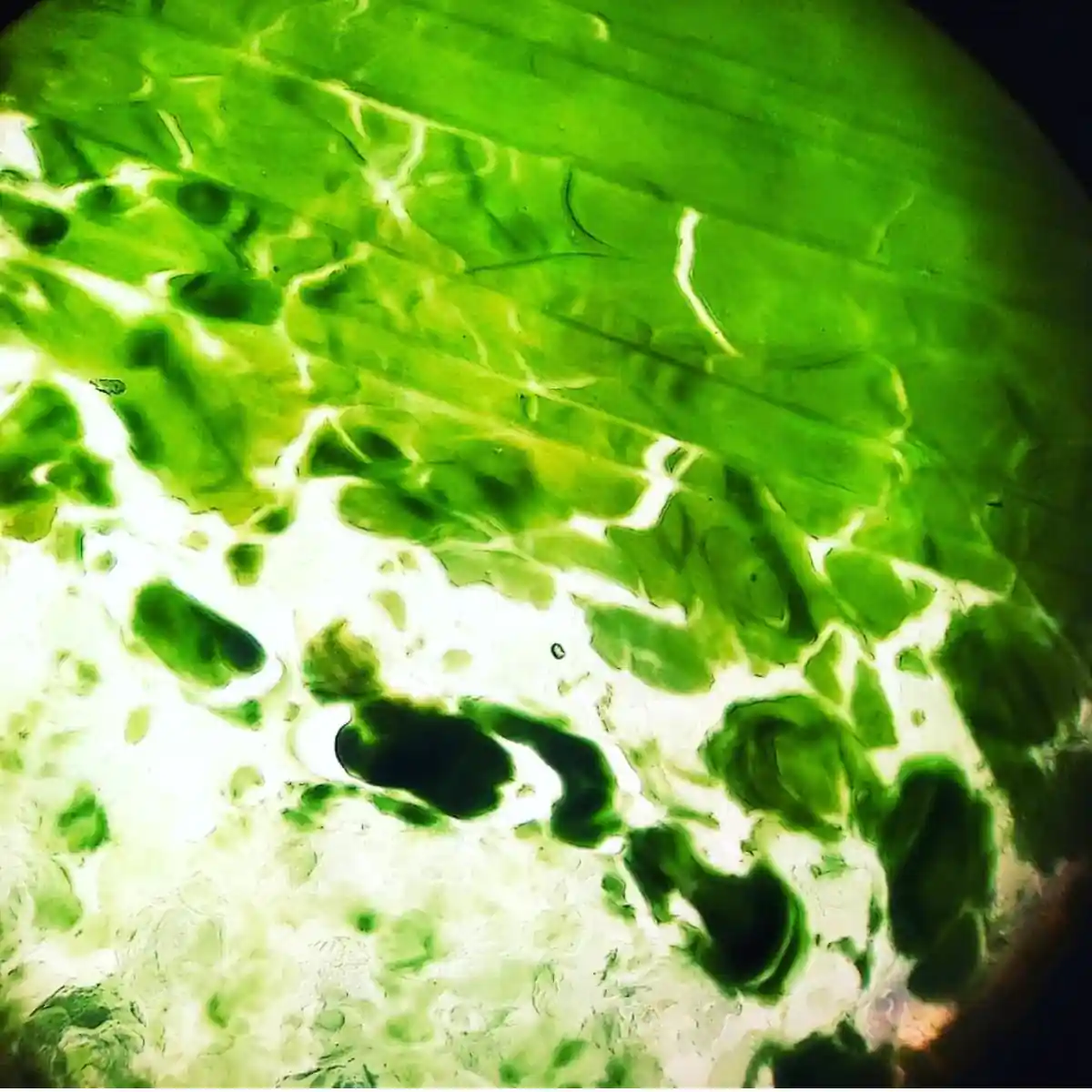
Photo: @ingenieriametabolica
The Mimicry Mystery: A Vine That ‘Copies’ Its Neighbors?
Enter Boquila trifoliolata, a clever Chilean vine dubbed the “chameleon plant” for mimicking nearby leaves—shape, color, even veins—without touching them.
A 2021 study claimed this implies vision, as the vine adjusted to plastic models too. Exciting, right? But it sparked debate: critics pointed to small sample sizes, potential biases, and no clear mechanism, urging more rigorous tests. As someone who’s watched philodendrons adapt to my sunny corner, I feel the empathy—plants are masters of camouflage, but science reminds us to tread thoughtfully.
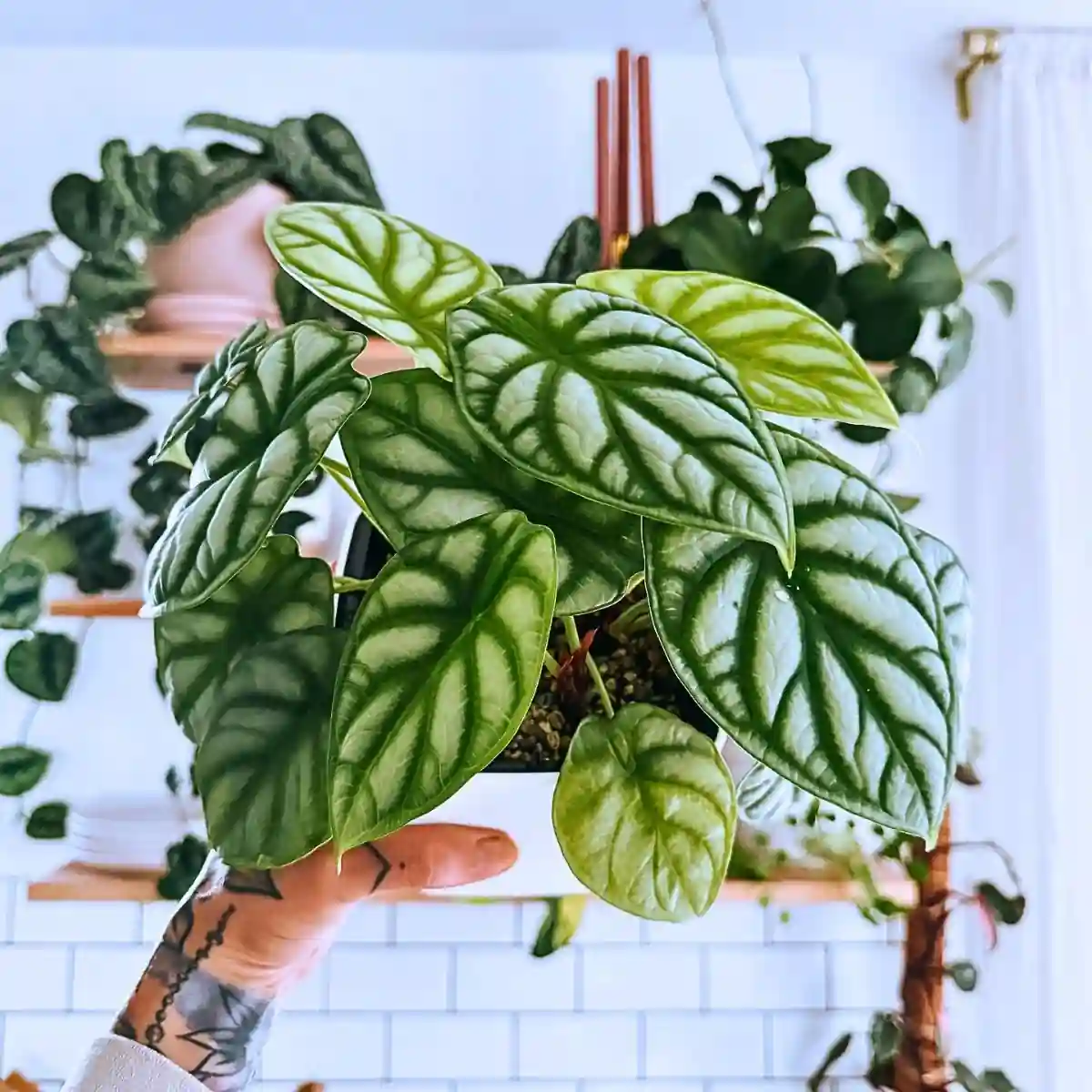
Photo by @laura_pigeon
How Plants Sense Their World: Beyond Just Light
Your tropical beauty, that spider plant dangling gracefully, isn’t blind to your world. Plants lack nerves or retinas, but they’re wired with a symphony of sensors. Let’s break it down warmly, like sharing tips over tea.
Detecting Light: The Power of Photoreceptors
At the heart of plant “sight” are photoreceptors—proteins scattered across leaves, stems, and roots that catch light wavelengths from UV to far-red, far beyond our spectrum. These photoreceptors are important for essential plant functions, including the development and regulation of plant circadian rhythms.
Photoreceptors are able to detect different wavelengths, allowing them to perceive light. This, in turn, allows plants to distinguish between red and blue light, and even perceive wavelengths outside the range of human perception, such as far-red and ultraviolet light. Thus, plants can distinguish between red and blue light, and even “see” wavelengths that humans cannot perceive.
These help distinguish red from blue, sense intensity, and even track light’s path. For photosynthesis, it’s life-sustaining.
- Phytochromes: Switch forms in red/far-red light, timing growth like a natural clock.
- Cryptochromes: Guide blue light responses, aiding shade avoidance in dense tropical canopies.
Recent insights reveal plants “see” direction via light-scattering gaps between cells, steering growth precisely. No wonder your monstera leaves stretch just so.

Touch, Chemicals, and Seasons: A Multi-Sensory Life
Plants feel, too—gently brushing your peace lily triggers mechanoreceptors (those fine hairs) that spark electrical signals, prompting defensive curls or growth tweaks.
Chemically, they chat via airborne volatiles: a stressed tomato signals neighbors to ramp up defenses, much like your aloe might “whisper” to nearby succulents.
Furthermore, plants can communicate with themselves, neighboring plants, and other organisms by releasing chemical compounds into the air or from their roots. These communication strategies can have both beneficial and defensive purposes. For example, receptors in the roots of legumes can distinguish between beneficial and harmful bacteria.
Temperature sensing ties into vernalization—prolonged cold “memorized” for spring blooms. For tropicals indoors, this means stable warmth keeps them content, avoiding the shock of chilly drafts.

Plant ‘Sight’ in Action: Survival, Adaptation, and Joy for You
Plants’ ability to sense and detect light is crucial for their survival and growth. They need light for photosynthesis and have evolved complex ways to respond to it. These senses aren’t abstract—they’re why your plants endure. Sunflowers (and their tropical cousins like heliotropic hibiscus) chase the sun via heliotropism, maximizing energy. Photoperiodism measures day length for flowering: long-day plants like some philodendrons burst forth in summer light.
Photoperiodism is the process by which plants sense day length. When exposed to red light, phytochromes change their conformation, acting as light-activated switches that detect far-red light. As a result, long-day plants flower only during the longest day, while short-day plants do the opposite. Day-neutral plants (DNPs), on the other hand, flower regardless of day length.
The mechanism behind photoperiodism involves photoreceptor proteins, such as phytochromes and cryptochromes, which help plants sense changes in light duration and trigger appropriate growth responses.

In crowded gardens, plants detect neighbors’ shades and adjust—growing taller or reshaping leaves to snag more rays. Visually, their colors lure pollinators and us: vibrant orchids in your setup not only “see” to thrive but delight your eye, boosting that feel-good vibe.
Plants’ vision also allows them to adapt to their environment. For example, a study published in 2018 showed that plants can sense their neighbors and adjust their growth patterns to avoid competition for light and other resources. Furthermore, some plants can sense the color of their surroundings and adjust the shape and size of their leaves accordingly, maximizing their ability to capture light.
Still, while the evidence for eye-like features in higher plants is limited, it’s growing. The challenge lies in confirming these early studies and fully understanding the basics of plant vision and how it’s used. Even so, whether plants can actually see us remains a question. At least for now!
Photo: @urbanjunglehuset
Wrapping Up: Embrace the Mystery of Your Green Companions
So, can plants really see us? Not with eyes, but through a tapestry of light, touch, and chemical cues that make them remarkably attuned to their world—and yours. From Darwin’s early musings to today’s ocelli debates, the evidence grows, inviting us to care deeper.
Next time you mist your rubber plant, remember: it’s sensing you right back. Recommendation? Experiment gently—rotate pots to observe leans, or group tropicals to mimic their native chats. Your home will feel alive, and so will they.
FAQ
Can tropical houseplants like monstera really “see” their surroundings?
Absolutely, in a plant way—they use photoreceptors to detect light direction and intensity, helping them grow toward your windows for better health.
How do plants sense touch, and why does it matter for my indoor setup?
Through mechanoreceptors like tiny hairs that trigger signals on contact; gently handling your plants can even encourage stronger growth, but avoid over-touching to prevent stress.
Do plants communicate with other plants or animals?
Plants release scents or chemicals that can signal other plants or attract insects and pollinators.
Can plants feel touch or pressure?
Through mechanoreceptors like tiny hairs that trigger signals on contact; gently handling your plants can even encourage stronger growth, but avoid over-touching to prevent stress.
How do plants know where the light is coming from?
Plants use special proteins called photoreceptors to detect light and its direction, which helps them grow toward the sun.