Indoor humidity is one of those plant care factors that most people underestimate until something goes wrong. Leaves crisp even though the soil is moist. New growth stalls for no obvious reason. Or worse—everything looks fine until white mold appears on the soil surface. These problems often trace back not to watering or light, but to humidity.
For most houseplants, controlling indoor humidity does not require turning your home into a tropical greenhouse. What it does require is understanding realistic target ranges, measuring correctly, and choosing the right strategy for your space. This guide explains how indoor humidity actually affects plants, what numbers matter, how to raise or lower humidity safely, and how to avoid the mold problems that give humidifiers a bad reputation.
Table of Contents
Quick answer: ideal indoor humidity for plants
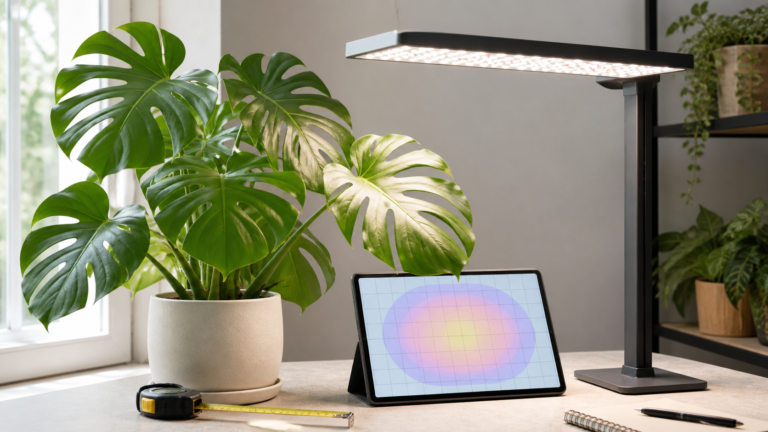
Most houseplants grow best at 40–60% relative humidity (RH). Many tropical plants (such as monstera ) prefer higher humidity, but in normal living spaces, aiming for 45–60% RH is far more stable and significantly safer than pushing humidity higher.
During winter heating season, indoor humidity often drops below 30% RH, especially in colder climates. This low humidity is a common cause of brown leaf tips, curling edges, thin new growth, and slower overall development—even when watering appears correct.
The most reliable way to manage indoor humidity is not guessing or misting leaves. It is a repeatable process: measure humidity with a hygrometer, define a realistic target range, choose either localized plant microclimates or room-level humidification (or dehumidification), and maintain airflow and cleanliness to control mold risk.
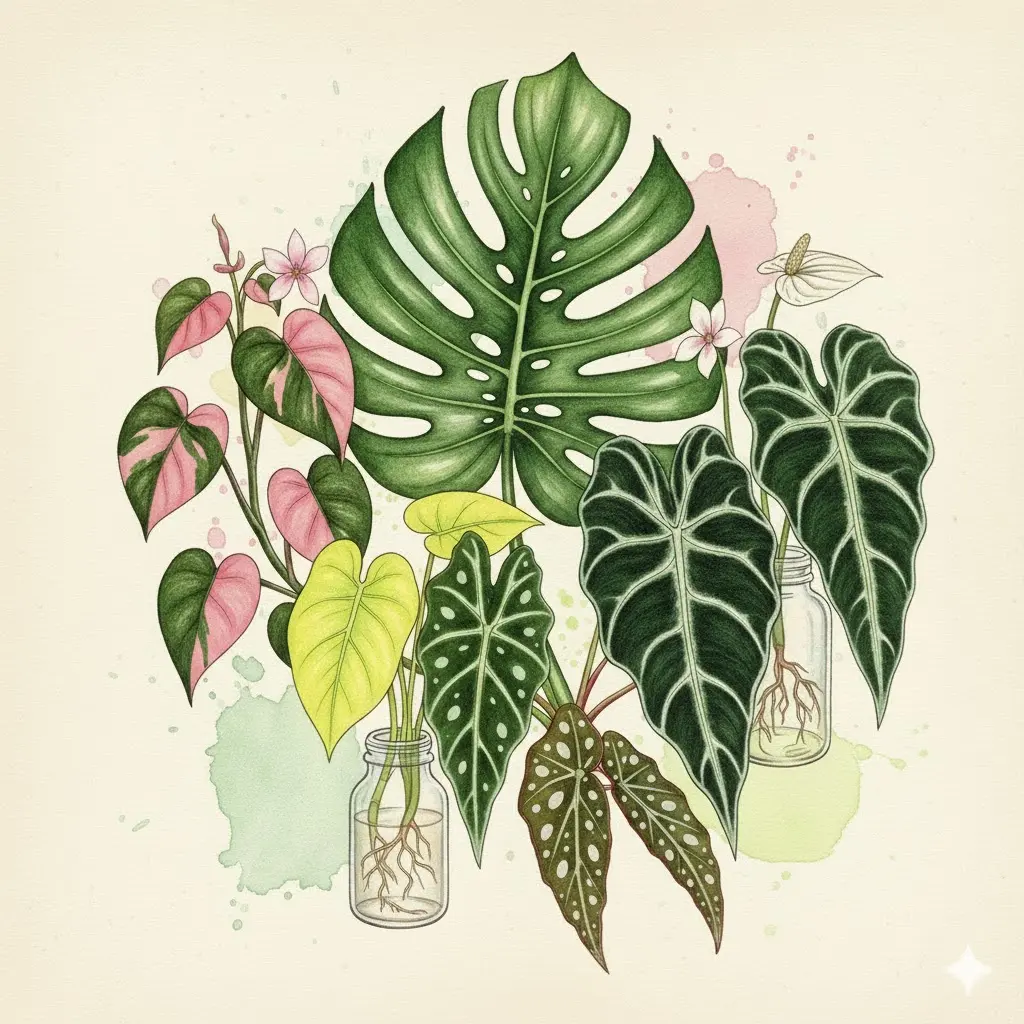
What Is Indoor Humidity and Why Is It Important for Plants?
Indoor humidity refers to the amount of water vapor present in the air inside your home. For plants, humidity directly influences transpiration, the process by which water moves from roots to leaves and evaporates into the air.
When indoor air is too dry, water evaporates from leaves faster than roots can replenish it. Plants respond by closing stomata, slowing growth, and sacrificing leaf edges. When humidity is too high—especially without airflow—evaporation slows too much, moisture accumulates on surfaces, and the risk of fungal disease increases.
The key principle is this:
Plants tolerate a wide humidity range, but they struggle with instability.
Stable, moderate humidity almost always produces better results than extreme or fluctuating conditions.
Do All Indoor Plants Need High Humidity?
No—and assuming they do is one of the most common mistakes.
Some plants evolved in humid environments and benefit from moisture-rich air, while others are adapted to seasonal dryness. More importantly, humidity needs change depending on growth stage, not just plant species.
Fresh cuttings, seedlings, and newly transplanted plants have limited root systems and lose moisture quickly. Mature, well-rooted plants with thicker leaves are far more tolerant of average indoor conditions.
Instead of asking “What humidity do plants need?”, a better question is:
Which plants need humidity support, and at what stage of growth?
This distinction determines whether humidity should be applied locally, temporarily, or not at all.
The Biggest Indoor Humidity Mistake (And Why It Causes Problems)
The most damaging mistake indoor growers make is increasing humidity without improving airflow.
High humidity does not cause mold or rot by itself. Stagnant air does.
When moisture cannot evaporate gradually, it lingers on leaf surfaces and in growing media, creating ideal conditions for pathogens.
This is why any humidity strategy—whether using trays, enclosures, or humidifiers—must include some form of air movement, even if minimal.
Measuring indoor humidity accurately
Before changing anything, humidity must be measured. Without measurement, humidity control becomes guesswork, and guesswork is how people end up with mold.
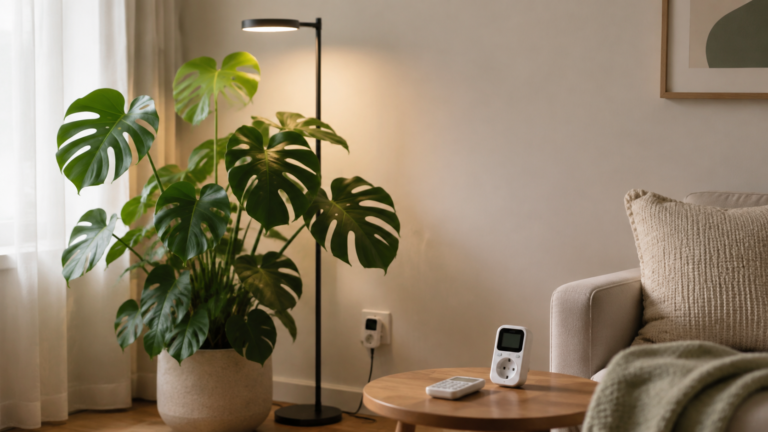
A basic digital hygrometer is sufficient for plant care. Accuracy within a few percentage points is less important than consistency. Ideally, you should place at least one hygrometer in your main plant area. If you use enclosed cabinets, propagation boxes, or indoor greenhouses, those spaces should have their own sensors as well.
Sensor placement matters more than the device itself. Hygrometers placed next to humidifiers, pressed against windows, or near heating vents will give misleading readings. For meaningful data, the sensor should sit at roughly leaf height, at least one meter away from windows, vents, or humidifier output.
Recording humidity twice daily—morning and evening—for several days helps reveal patterns. The lowest reading is usually the most important, because that is when plants experience the most stress.
Ideal Indoor Humidity Ranges by Plant Type
Rather than using a single “ideal” number, humidity works best when matched to plant type and purpose.
In ordinary homes and apartments, most indoor foliage plants perform well between 40 and 60% RH. This range balances plant health with human comfort and minimizes mold risk.
Tropical rainforest plants—such as many ferns and aroids—can tolerate and sometimes benefit from higher humidity. However, higher humidity only works when paired with consistent air movement. Without airflow, moisture lingers on leaf surfaces and soil, increasing the risk of fungal disease.
Plants adapted to arid environments, such as cacti and many succulents, do not need added humidity at all. In fact, raising humidity unnecessarily for these plants often causes more harm than good.
Rather than aiming for a single number for all plants, it is more useful to think in terms of zones: general living space humidity for most plants, and localized higher humidity for specific tropical species that genuinely require it.
| Plant Type | Typical Humidity Range | Notes |
|---|---|---|
| Tropical foliage plants | 50–70% | Benefit from stability more than high peaks |
| Thin / velvety-leaf plants | 60–75% | Sensitive to dry air, airflow essential |
| Fresh cuttings & seedlings | 65–85% | Temporary high humidity improves success |
| Succulents & cacti | 30–50% | Prefer drier air, avoid enclosure |
| Established houseplants | 40–60% | Usually adapt well to ambient indoor air |
This table helps clarify why targeted humidity control is far more effective than humidifying an entire home.
Natural Ways to Increase Humidity (Without Creating Mold)
The safest humidity strategies are those that increase moisture gradually and locally, allowing plants to adapt.
Grouping Plants Together
Plants release moisture through transpiration. When grouped, they naturally create a slightly more humid microclimate around themselves. This method is subtle but stable, making it ideal for moderate humidity needs and beginners.
Humidity Trays
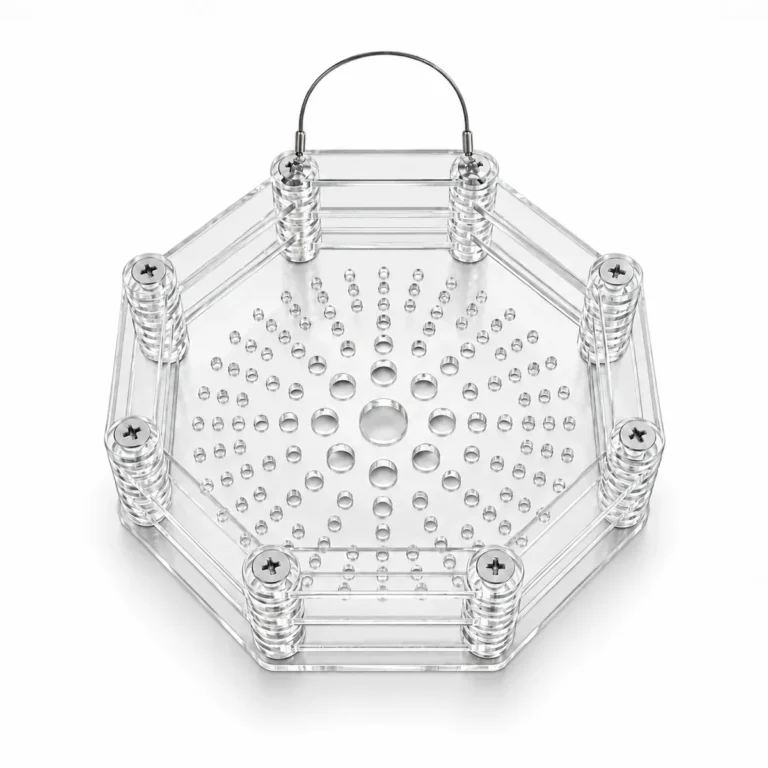
Humidity trays raise moisture levels immediately around plants through evaporation. They work best when trays are wide rather than deep and when plants are placed close together. This method increases local humidity without affecting the entire room.
Partial Enclosure (Mini Greenhouse Method)
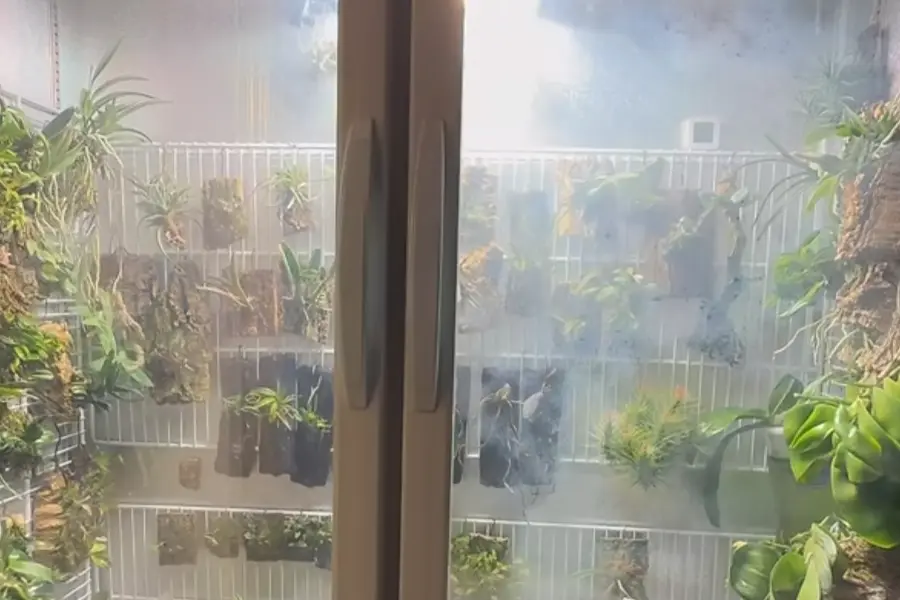
Partial enclosure is one of the most effective humidity tools for indoor growers. By enclosing plants within a cabinet, shelf cover, or dome, moisture loss slows dramatically while airflow can still be controlled.
This method is especially effective when combined with:
- A propagation station for cuttings
- A mini indoor greenhouse for acclimation and recovery
Using Humidifiers: When They Help and When They Don’t
Room humidifiers are useful in environments where air is consistently very dry, such as heated winter rooms or air-conditioned spaces. They are most effective when many plants share similar humidity needs.
However, humidifiers introduce moisture faster than many homes can disperse it. Without airflow and regular cleaning, they often cause condensation on walls, windows, and soil surfaces—creating problems unrelated to plant health.
A humidifier should support a stable setup, not compensate for poor airflow or overwatering.
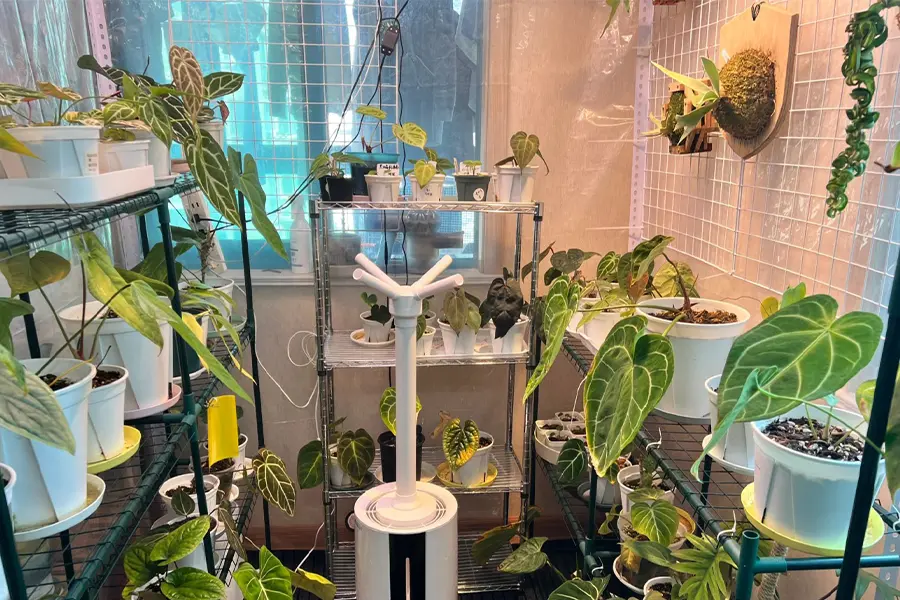
How to Reduce Humidity Safely When It Becomes Too High
Excess humidity is often more harmful than mild dryness.
Signs humidity is too high include:
- Persistent condensation
- Soft or translucent stems
- Mold on soil or media
- Musty odors
Before lowering humidity, increase airflow. Opening enclosures periodically, spacing plants slightly apart, or adding gentle circulation often resolves the issue without reducing humidity levels at all.
Watering practices must also change in humid environments. Reduced evaporation means soil stays wet longer, and watering frequency should adjust accordingly.
How Humidity Directly Affects Plant Propagation Success
Propagation is where humidity control has the greatest impact.
Cuttings lack functional roots and cannot replace moisture lost through leaves efficiently. Elevated humidity reduces transpiration, allowing cuttings to remain hydrated long enough to form roots.
This is why placing a propagation station inside a controlled environment—such as a mini indoor greenhouse—dramatically increases rooting consistency and survival rates.
As roots develop, gradual exposure to lower humidity allows plants to adapt without shock.
Should You Measure Indoor Humidity?
Humidity meters can be useful reference tools, but they should not become targets.
Plants respond to environmental stability, not exact numbers. Leaf texture, growth rate, and root health often indicate problems before a meter does.
Use humidity readings to identify trends rather than chase ideal percentages.
How to Choose the Right Humidity Strategy for Your Space
| Situation | Best Humidity Strategy |
|---|---|
| Few plants, moderate dryness | Grouping + trays |
| Many tropical plants | Partial enclosure or room humidifier |
| Propagation & seedlings | Enclosure + airflow |
| Small apartment | Local humidity control |
| Mold-prone environment | Airflow first, humidity second |
This decision-based approach prevents overcorrection and long-term issues.
Final Thoughts
Controlling indoor humidity for plants is not about creating tropical conditions or following rigid rules. It is about understanding how moisture, airflow, and plant physiology interact—and applying humidity only where it provides real benefit.
When humidity is stable and intentional, plants grow stronger roots, maintain healthier leaves, and recover more easily from stress. Used incorrectly, humidity becomes another source of problems.
Treat humidity as a tool, not a goal—and your plants will respond accordingly.