Climbing houseplants are true game-changers for indoor spaces. They introduce vertical dimension, make far better use of limited floor space, and instantly create that lush, layered “indoor jungle” atmosphere many plant lovers crave. Whether trained upward on a support or allowed to spill gracefully from a shelf, climbing plants bring movement, texture, and life into the home.
If you’re ready to take your plant collection to new heights—quite literally—here are seven outstanding climbing (and trailing) houseplants, along with practical guidance to help them thrive indoors.
1. Pothos (Epipremnum aureum)
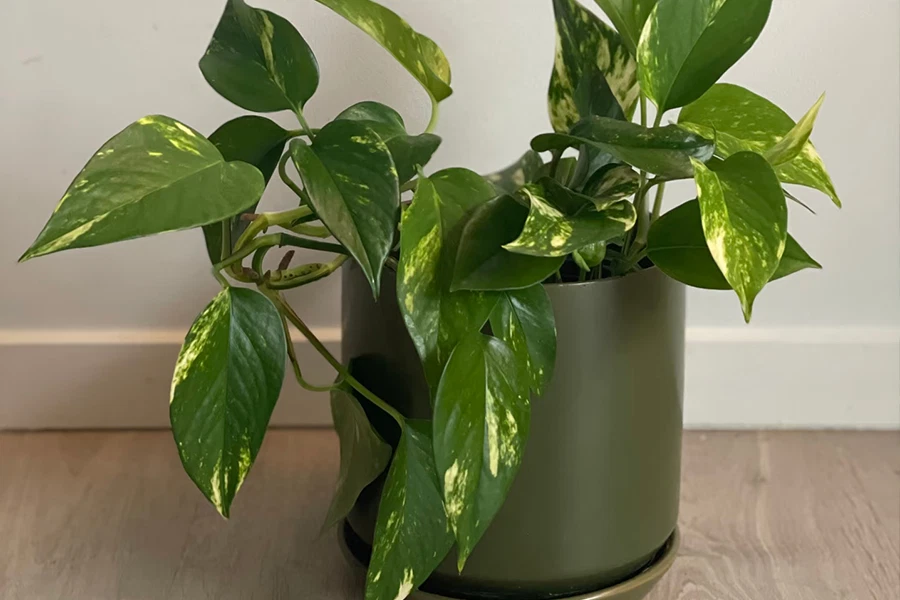
Pothos, in all its many cultivars, is the undisputed champion of easy-care vining plants. Known for its abundant foliage and forgiving nature, it is often the first climbing plant people succeed with—and for good reason. Pothos will happily trail from shelves, but when given vertical support, it climbs enthusiastically and rewards you with larger, more mature leaves as it ascends.
Its adaptability makes it one of the most reliable plants for filling a space with greenery, even in less-than-perfect conditions.
Care Snapshot:
Pothos grows best in bright, indirect light and will climb more vigorously under these conditions, though it also tolerates lower light surprisingly well. This resilience is why it’s so beginner-friendly. A compact yet powerful grow light, such as the Aspect™ Gen 2, can provide ideal lighting to encourage upward growth. Allow the soil to dry slightly between waterings.
2. Heartleaf Philodendron (Philodendron hederaceum)
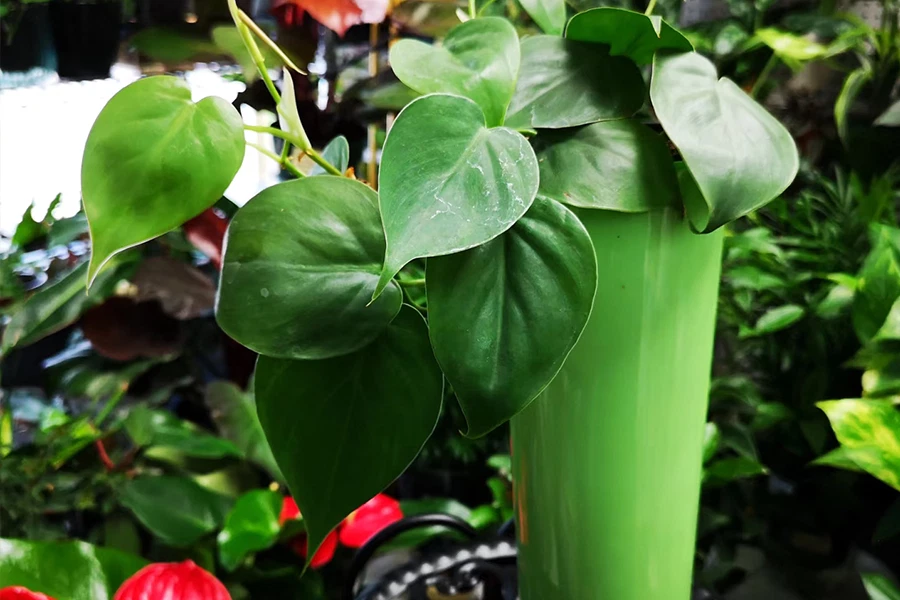
Often confused with Pothos, the Heartleaf Philodendron has a distinctly different character. Its leaves are thinner, softer, and a rich emerald green, creating a more delicate and flowing appearance. It grows rapidly and excels as a climber, using its aerial roots to cling readily to supports.
Because of its fast growth and tolerance for minor care mistakes, it’s an excellent choice for newer plant owners who want a lush, vertical vine without added complexity.
Care Snapshot:
Prefers bright, indirect light but adapts well to medium light. Water when the top inch of soil has dried out.
3. Monstera Deliciosa (Swiss Cheese Plant)
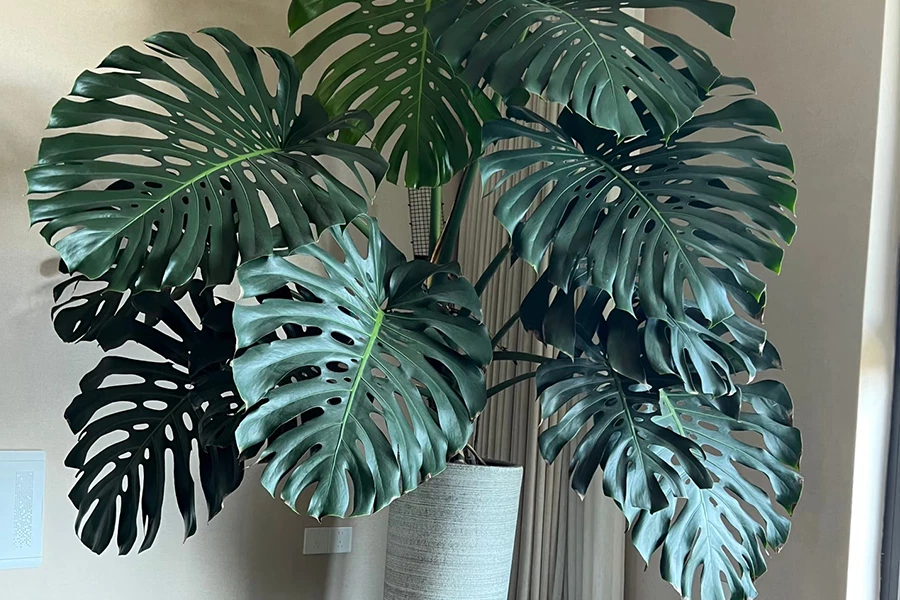
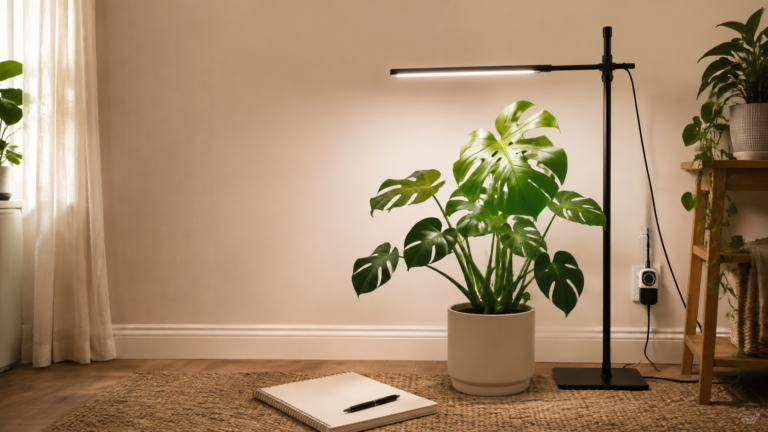
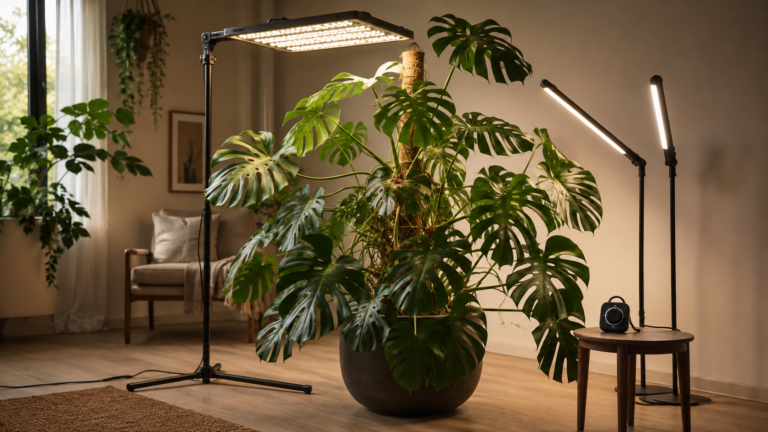
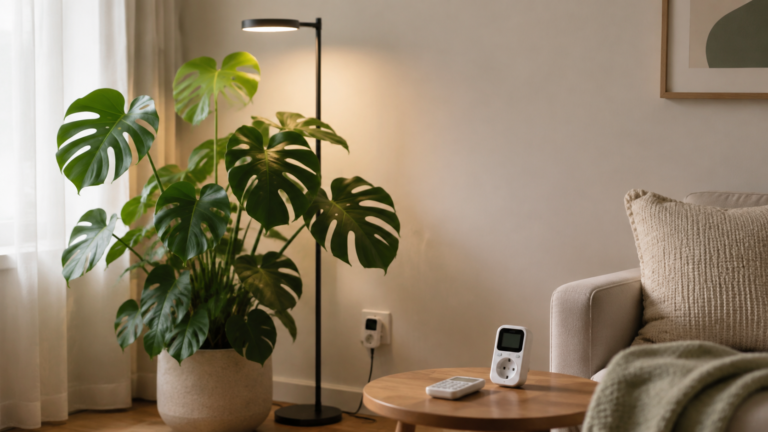
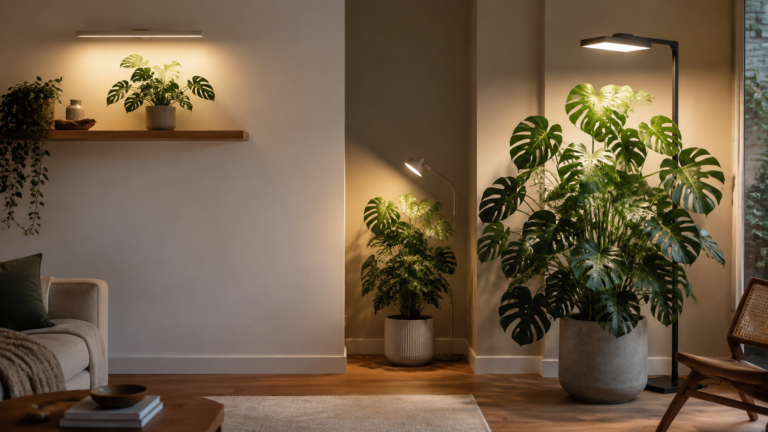
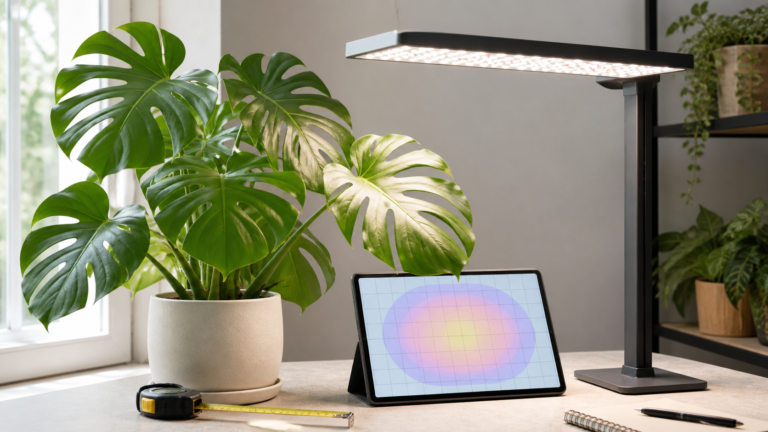
Few houseplants are as iconic as Monstera deliciosa. This species is celebrated for its large, glossy leaves that develop dramatic splits and holes—known as fenestrations—as they mature. In its native tropical habitat, Monstera is a vigorous climber, anchoring itself to trees with thick aerial roots.
Indoors, vertical support is essential if you want those impressive, oversized leaves and bold fenestrations to fully develop.
Care Snapshot:
Thrives in bright, indirect light and prefers evenly moist soil. Good humidity is especially beneficial. Increasing ambient humidity will significantly improve leaf size and overall vigor.
4. Syngonium (Arrowhead Plant)
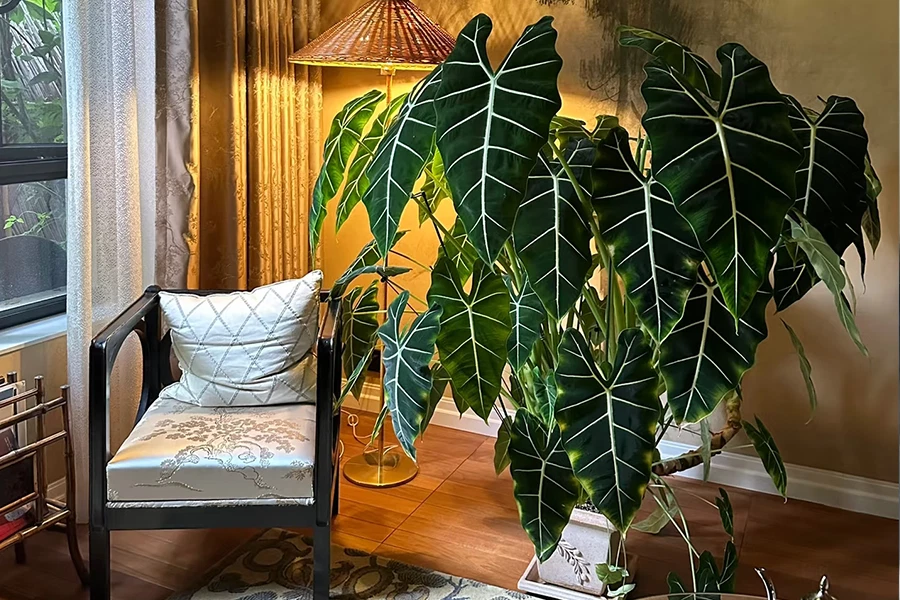
Syngoniums are instantly recognizable by their arrow-shaped leaves, which come in an impressive range of colors and variegation—deep green, blush pink, creamy white, and even bronze tones. While young plants start out compact and bushy, their growth habit changes over time. As they mature, their vines begin to trail or climb, making them wonderfully versatile.
They are relatively low-maintenance and can quickly fill vertical space with distinctive foliage.
Care Snapshot:
Prefers medium to bright, indirect light and consistently moist—but never waterlogged—soil. A slim grow light, such as the Grove™ LED Bar, mounted beside the plant or under a shelf above it, works well to support healthy growth and climbing.
5. Hoya (Hoya carnosa, Wax Plant)
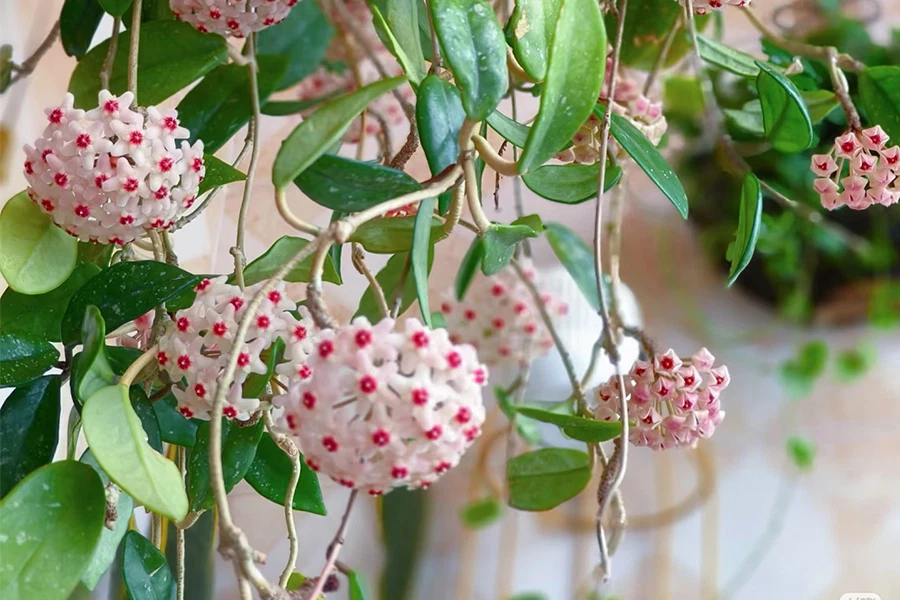
Hoyas are refined, slow-growing climbers prized for their thick, waxy leaves and exquisite clusters of star-shaped, fragrant flowers. Blooming requires patience, but when it happens, it is well worth the wait.
Unlike more aggressive climbers, Hoyas gently wind their vines around supports rather than gripping them tightly, lending an elegant and controlled look to vertical displays.
Care Snapshot:
Requires bright light, and a bit of direct sun often helps trigger flowering. Water only when the soil is mostly dry. Hoyas tend to prefer being slightly root-bound, which can actually encourage blooming.
6. Lipstick Plant (Aeschynanthus radicans)
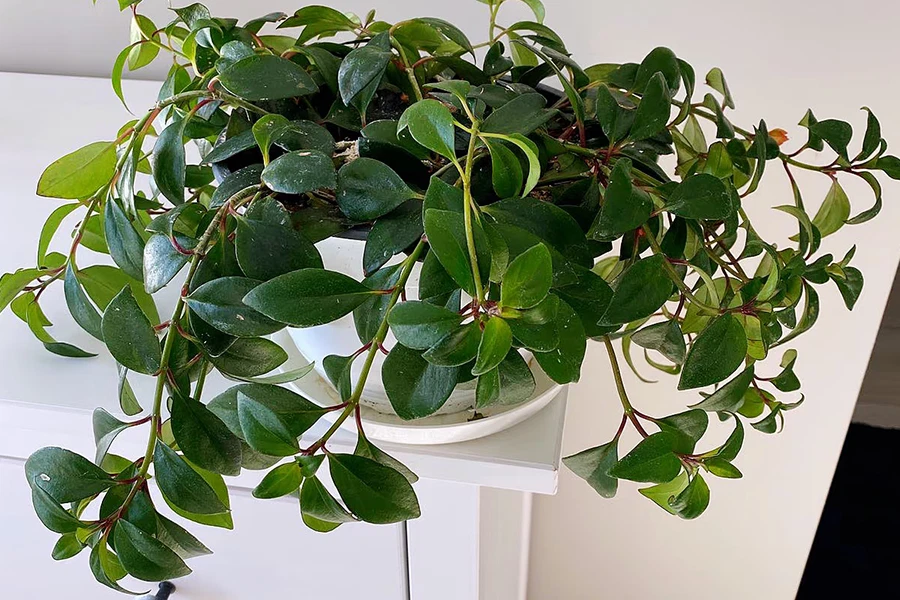
The Lipstick Plant earns its name from its striking red, tubular flowers that emerge from dark, lipstick-shaped buds. While it is most commonly grown in hanging baskets, its long vines can also be trained upward, where they add unexpected color and visual interest to a vertical arrangement.
When happy, this plant becomes a true showpiece.
Care Snapshot:
Needs bright, indirect light to bloom well, consistently moist soil (never soggy), and higher humidity. Dry air can limit flowering and overall growth.
7. Creeping Fig (Ficus pumila)
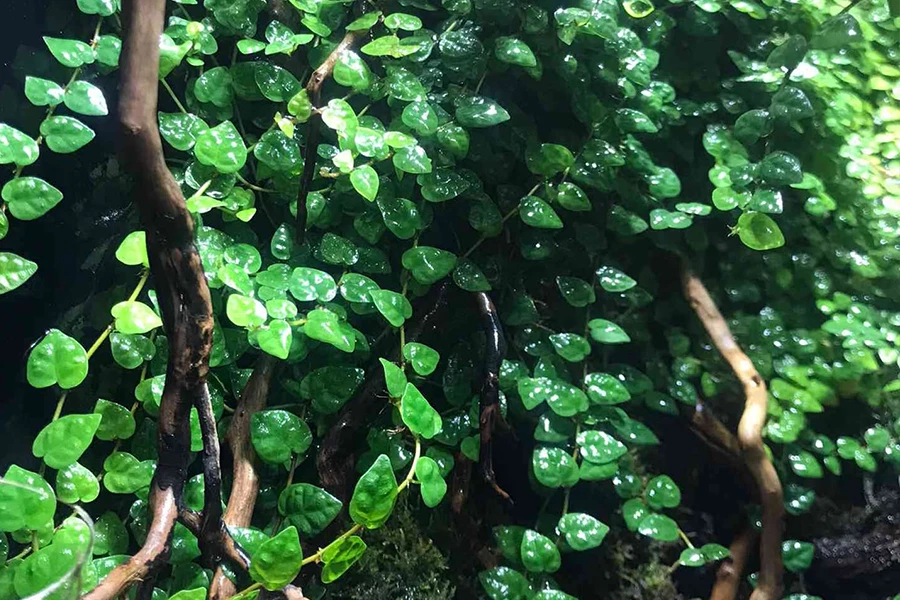
If you want a plant that truly clings, Creeping Fig is unmatched. This fast-growing species features tiny, heart-shaped leaves and forms dense mats of foliage. Closely related to the Fiddle Leaf Fig and Weeping Fig, it uses strong aerial roots to adhere directly to surfaces.
Indoors, it can be used to cover small walls or create a living tapestry effect—though its gripping nature requires careful placement.
Care Snapshot:
Needs bright, indirect light and consistently moist soil. High humidity is essential; dry air can cause the plant to stall or drop leaves.
Helping Your Climbing Houseplants Reach New Heights
Climbing plants are naturally programmed to grow upward. Providing proper support doesn’t just keep them tidy—it encourages stronger stems, healthier growth, and often larger, more mature leaves by mimicking their natural environment.
Why Support Matters
In the wild, these plants climb trees to access better light and stability. Indoors, when they can attach to a support, their growth habit shifts. Stems thicken, internodes shorten, and foliage becomes more impressive.
How to Support Climbing Indoor Plants
- Moss Poles: Ideal for aroids such as Monstera, Philodendron, and Pothos. Their aerial roots can grip the moist moss, promoting larger leaves and stronger growth.
- Trellises: Decorative frameworks that vines can wind around, combining function with design.
- Command Hooks or Plant Clips: Nearly invisible supports that gently guide vines up walls or shelves without causing damage.
- Stakes: Simple bamboo or wooden stakes work well for younger plants or less aggressive climbers.
What Kind of Light Do Climbing Plants Need?
Strong, consistent light is essential for climbing plants to thrive. Adequate light allows them to produce sturdy stems and healthy leaves capable of climbing and attaching to supports. Without enough light, vines become weak and leggy, making climbing difficult and reducing overall plant health.
FAQ: Climbing Houseplants
How do I get my climbing plant to stick to a wall or pole?
Many species—such as Pothos, Philodendron, and Monstera—produce aerial roots that naturally attach to rough or textured surfaces like moss poles. On smoother surfaces, plant clips, soft ties, or adhesive hooks can help guide vines upward.
Can I let my climbing plants trail instead of climb?
Absolutely. Most climbers also make beautiful trailing plants when allowed to cascade from shelves or hanging baskets. That said, vertical support often encourages larger, more mature foliage, particularly in Monsteras.
How do I encourage larger leaves?
For many climbers—especially aroids—vertical support combined with excellent light and consistent humidity is key. This setup closely mimics their natural climbing behavior in the wild.
What’s the biggest mistake people make?
Failing to provide enough light or delaying support for too long. Weak, leggy vines struggle to climb and won’t produce their best foliage.
Will climbing plants damage my walls?
Some plants, such as Creeping Fig, have aggressive aerial roots that can damage painted surfaces or wallpaper. These are best grown on separate supports. Less aggressive climbers are generally safe when guided with removable clips.
Cultivating Your Vertical Garden
Incorporating climbing houseplants into your indoor space is one of the most effective ways to maximize greenery and create a rich, immersive environment. By understanding how these plants grow in nature—and by providing appropriate support and strong light—you can build a thriving vertical garden that truly elevates your home.