Walk into any high-end plant nursery or scroll through rare plant collector forums, and you will notice one thing very quickly: there is a lot of sphagnum moss. It is wrapped around climbing poles, stuffed into orchid pots, and used as the sole growing medium for expensive tropical cuttings. But while it is an incredibly popular tool, not every houseplant can handle the intense moisture it provides.
If you have a fresh bag of premium moss and are wondering what to do with it, you need to know which plants will actually benefit from it. The best plants that grow in sphagnum moss are typically those that evolved in humid, tropical environments—specifically epiphytes (plants that grow on trees) and bog-dwelling carnivorous plants. In this guide, we have compiled the ultimate list of the top 15 plants that absolutely thrive when grown in or with sphagnum moss.
Table of Contents
Why Certain Plants Love Sphagnum Moss
Before diving into the list, it helps to understand why these specific plants love sphagnum moss.
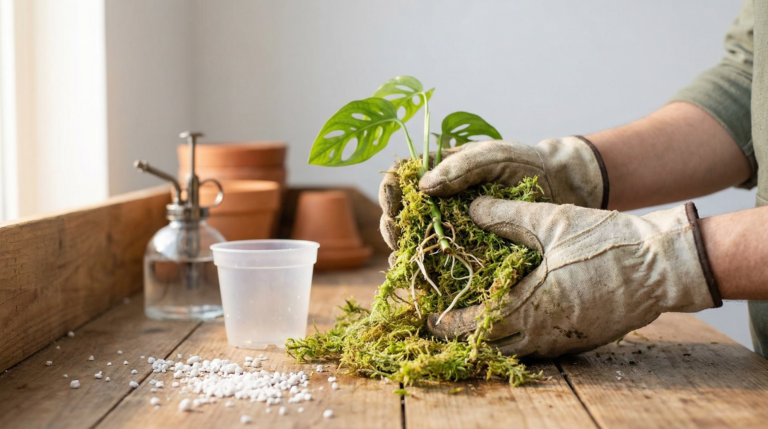
Sphagnum moss is unique because it holds up to 18 times its dry weight in water , yet its fibrous structure creates thousands of tiny air pockets. For a plant like an orchid, which naturally grows clinging to the side of a tree in a humid rainforest, standard potting soil is a death sentence. Soil is too dense and suffocates the roots. Sphagnum moss, however, mimics the damp, airy, bark-covered environment of a tree branch perfectly.
Similarly, carnivorous plants evolved in nutrient-poor, highly acidic bogs. Because pure sphagnum moss contains virtually no nutrients and is naturally acidic, it is the perfect synthetic bog environment for them.
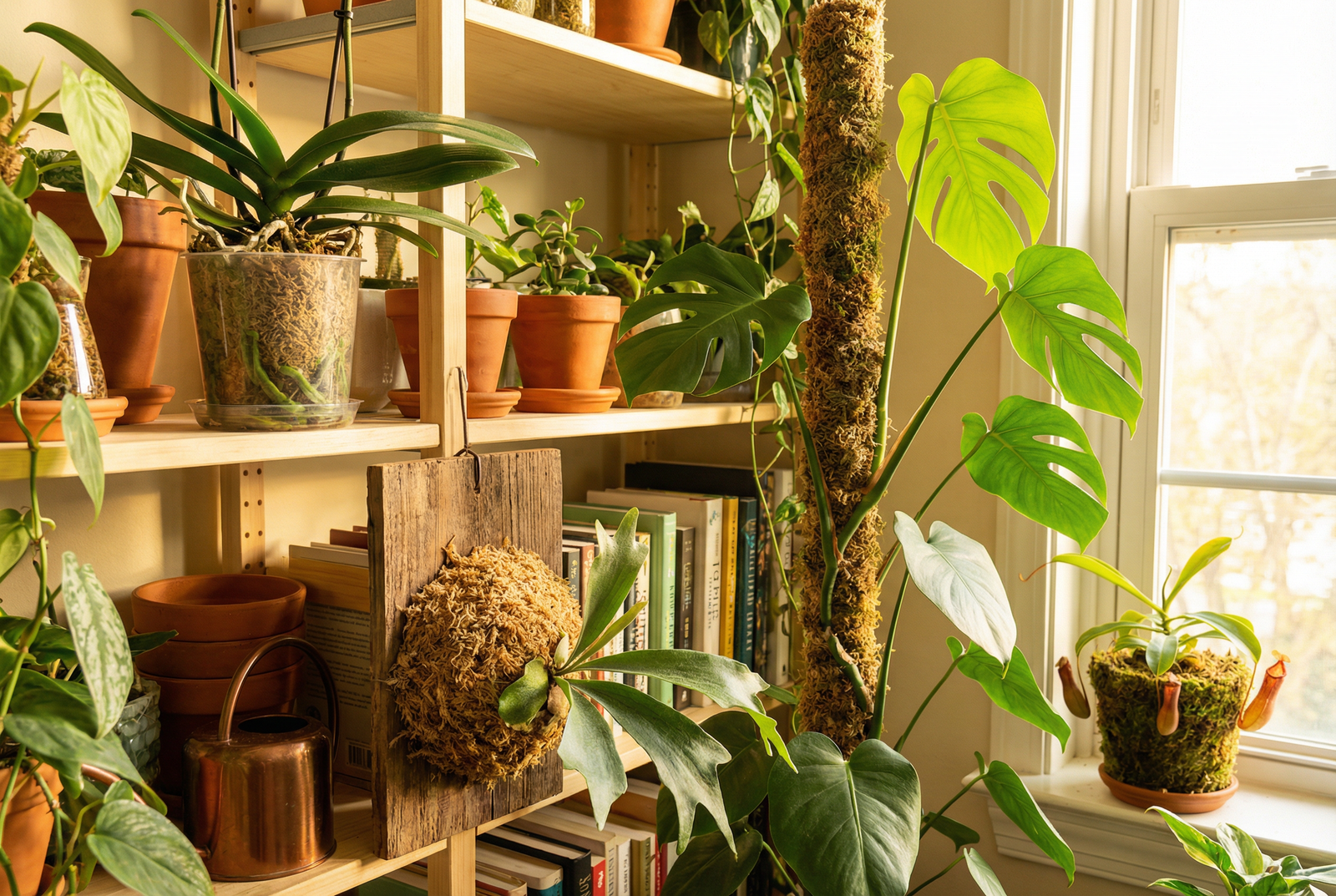
Epiphytic orchids, climbing aroids, and mounted ferns all share a common evolutionary trait: they need constant moisture combined with high root-zone airflow. Sphagnum moss provides both.
The Top 15 Plants for Sphagnum Moss
The Epiphytes (Tree-Dwellers)
1. Phalaenopsis Orchids (Moth Orchids)
This is the classic sphagnum moss plant. Phalaenopsis orchids have thick, fleshy roots that need to breathe. Potting them in pure, loosely packed sphagnum moss provides the exact balance of humidity and oxygen they need to produce massive blooms.
2. Cattleya Orchids
While they prefer to dry out slightly more than Phalaenopsis, Cattleyas do exceptionally well in a 50/50 mix of sphagnum moss and chunky orchid bark.
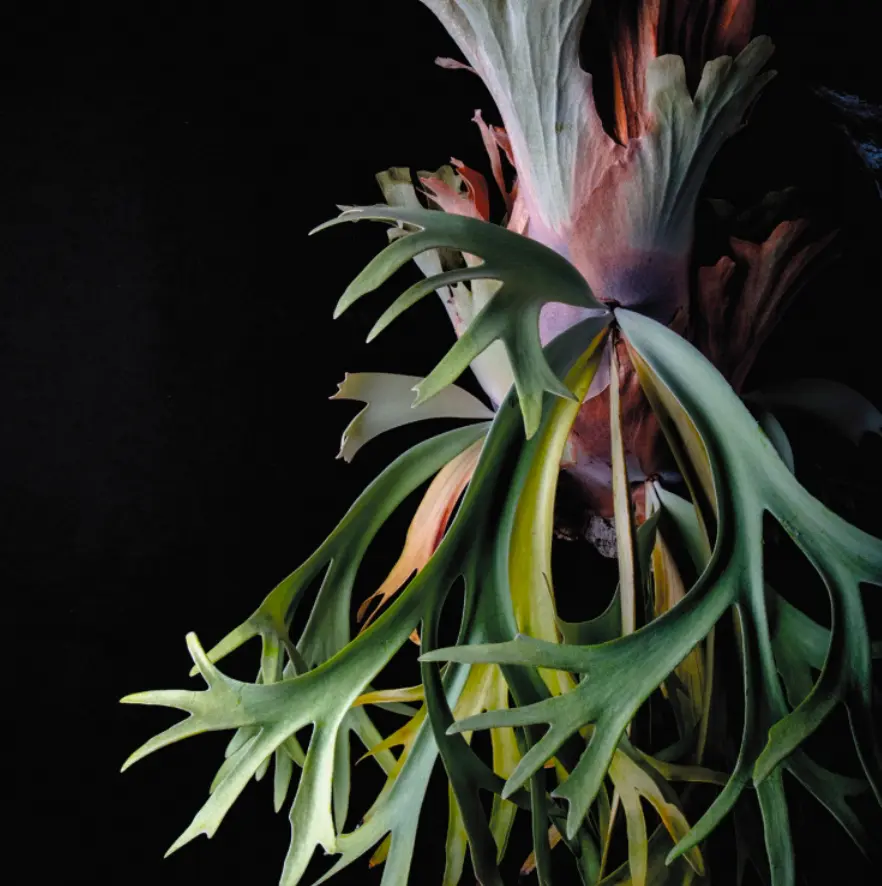
3. Staghorn Ferns (Platycerium)
These dramatic ferns do not grow in soil. If you are mounting a staghorn fern to a wooden board, you must pack a large mound of damp sphagnum moss behind the shield fronds to act as the plant’s water reservoir.
Similar to Staghorn ferns, Elkhorn ferns are true epiphytes that thrive when mounted on boards with a generous backing of sphagnum moss to keep their roots hydrated.
5. Vanilla Orchids
The only orchid that produces an edible crop, the Vanilla orchid is a vining plant. It loves to climb a modular moss pole stuffed with damp sphagnum moss, rooting into it as it grows upwards.
The Aroids (Climbers and Tropicals)
While mature Monsteras are usually potted in soil, sphagnum moss is the ultimate tool for them in two ways: it is the absolute best medium for rooting cuttings in a propagation box, and it is the ideal filling for the moss poles they love to climb.
7. Monstera adansonii (Swiss Cheese Plant)
Like its larger cousin, the adansonii produces massive, fenestrated leaves when allowed to climb a damp sphagnum moss pole. Its aerial roots will eagerly burrow into the wet moss.
8. Climbing Philodendrons (e.g., P. melanochrysum, P. verrucosum)
Velvet-leaf Philodendrons are notoriously dramatic about humidity. Growing them on a sphagnum moss pole allows their aerial roots to drink directly from the pole, resulting in much larger, healthier foliage.
9. Anthurium crystallinum
Anthuriums have thick, fuzzy roots that rot instantly in dense soil. A custom potting mix of 50% chunky bark, 30% perlite, and 20% chopped sphagnum moss is the holy grail for keeping Anthuriums happy.
10. Epipremnum (Pothos) Varieties
While Pothos can survive in almost anything, if you want massive, mature leaves, root them in sphagnum moss and let them climb a moss pole.
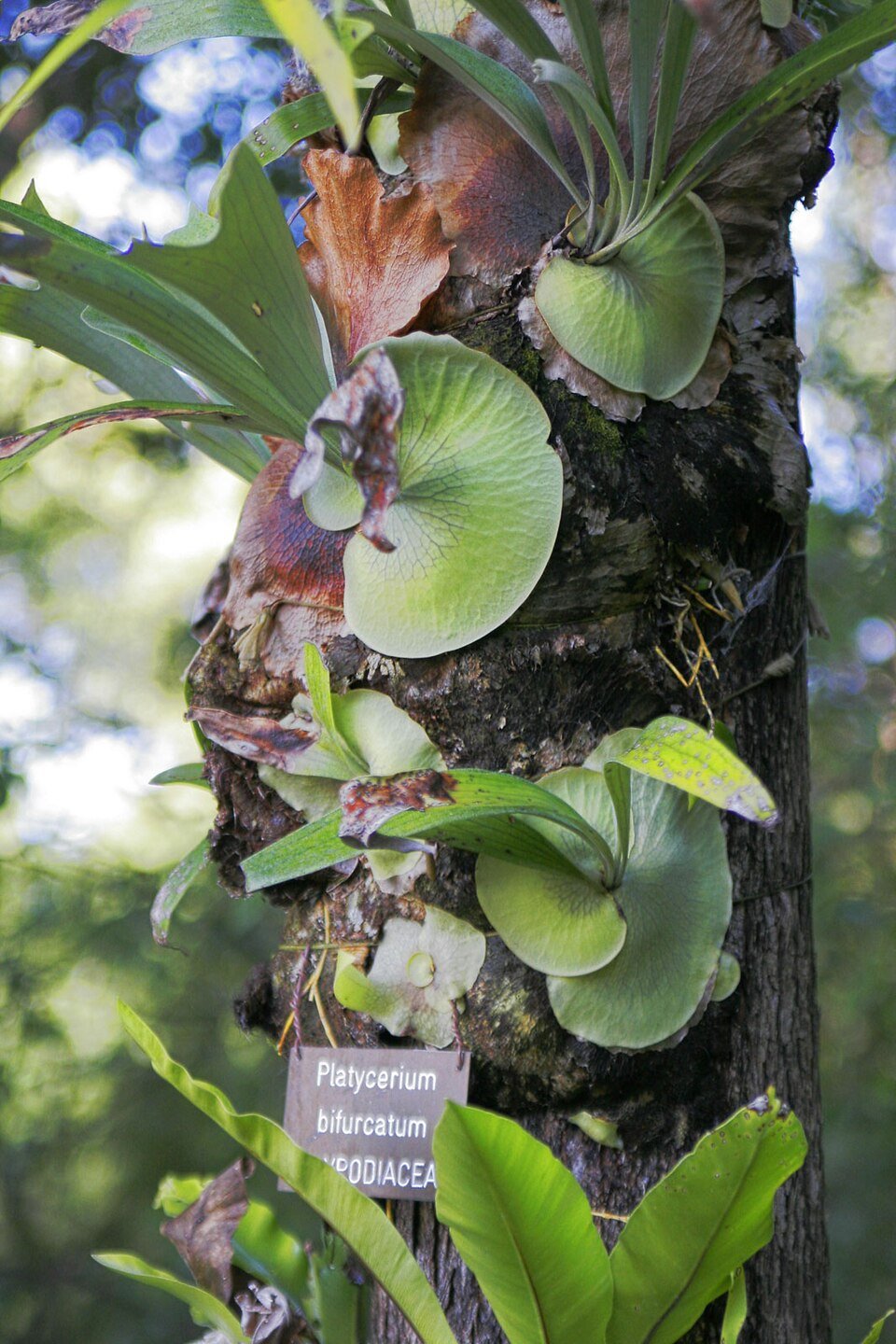
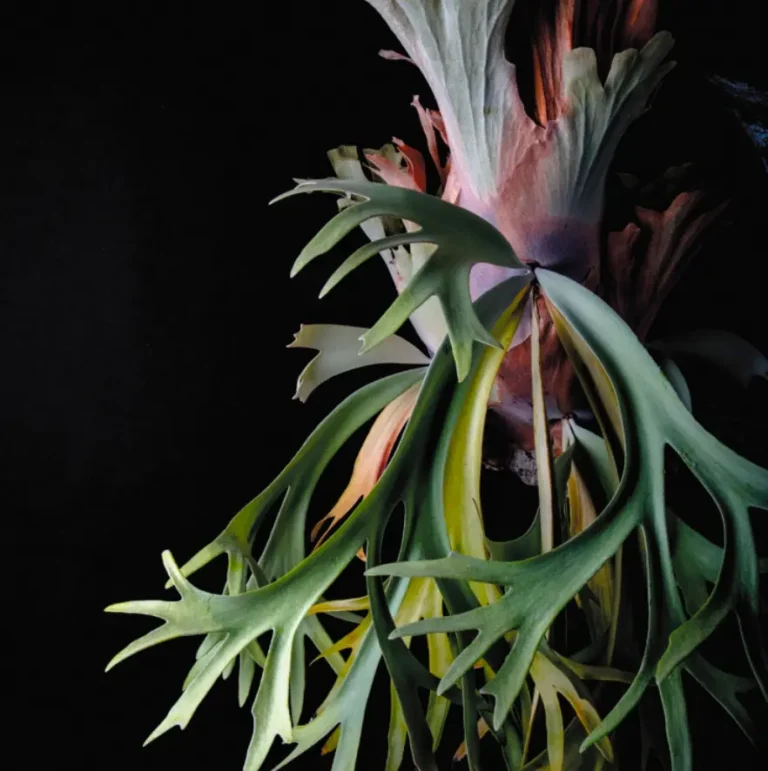
Staghorn ferns (Platycerium bifurcatum) are naturally epiphytic. Packing sphagnum moss behind their basal fronds provides the perfect moisture reservoir when mounting them on wood. (Photo via Wikimedia Commons, CC BY-SA 3.0)
The Carnivorous Plants (Bog-Dwellers)
11. Nepenthes (Tropical Pitcher Plants)
These fascinating hanging plants require constant moisture but excellent drainage. A mix of 50% pure sphagnum moss and 50% perlite is the industry standard for growing Nepenthes.
12. Venus Flytraps (Dionaea muscipula)
Venus flytraps will die if exposed to the fertilizers found in regular potting soil. Pure, nutrient-free sphagnum moss perfectly replicates their natural, acidic bog habitat.
13. Sundews (Drosera)
Like the Venus flytrap, these sticky, insect-catching plants thrive in a nutrient-poor, constantly wet environment. A bed of live or rehydrated sphagnum moss is ideal.
The Moisture Lovers
14. Calatheas & Marantas (Prayer Plants)
These plants are famous for getting crispy, brown edges if they dry out even slightly. While you shouldn’t plant them in pure moss, adding 20% chopped sphagnum moss to their potting soil acts as an insurance policy, keeping the soil evenly moist.
15. Hoyas (For Propagation)
Hoyas generally like to dry out between waterings, but when it comes to rooting a stubborn Hoya cutting, a cup of loosely packed, damp sphagnum moss is highly effective.
Common Mistakes When Using Moss for These Plants
Just because a plant loves sphagnum moss doesn’t mean you can’t mess it up. Avoid these common errors:
| Common Mistake | The Effect on Your Plant | The Solution |
| Packing the moss too tightly | Suffocates orchid and aroid roots, causing rot | Fluff the moss and pack it loosely into the pot |
| Using tap water on carnivorous plants | Minerals build up in the moss and kill the plant | ONLY use distilled, RO, or rainwater for carnivorous plants |
| Never repotting orchids | The moss breaks down into acidic sludge after 1-2 years | Repot plants in pure moss every 12 to 18 months |
| Letting moss poles dry completely | Aerial roots die back and stop growing | Mist or water your moss poles regularly to keep them damp |
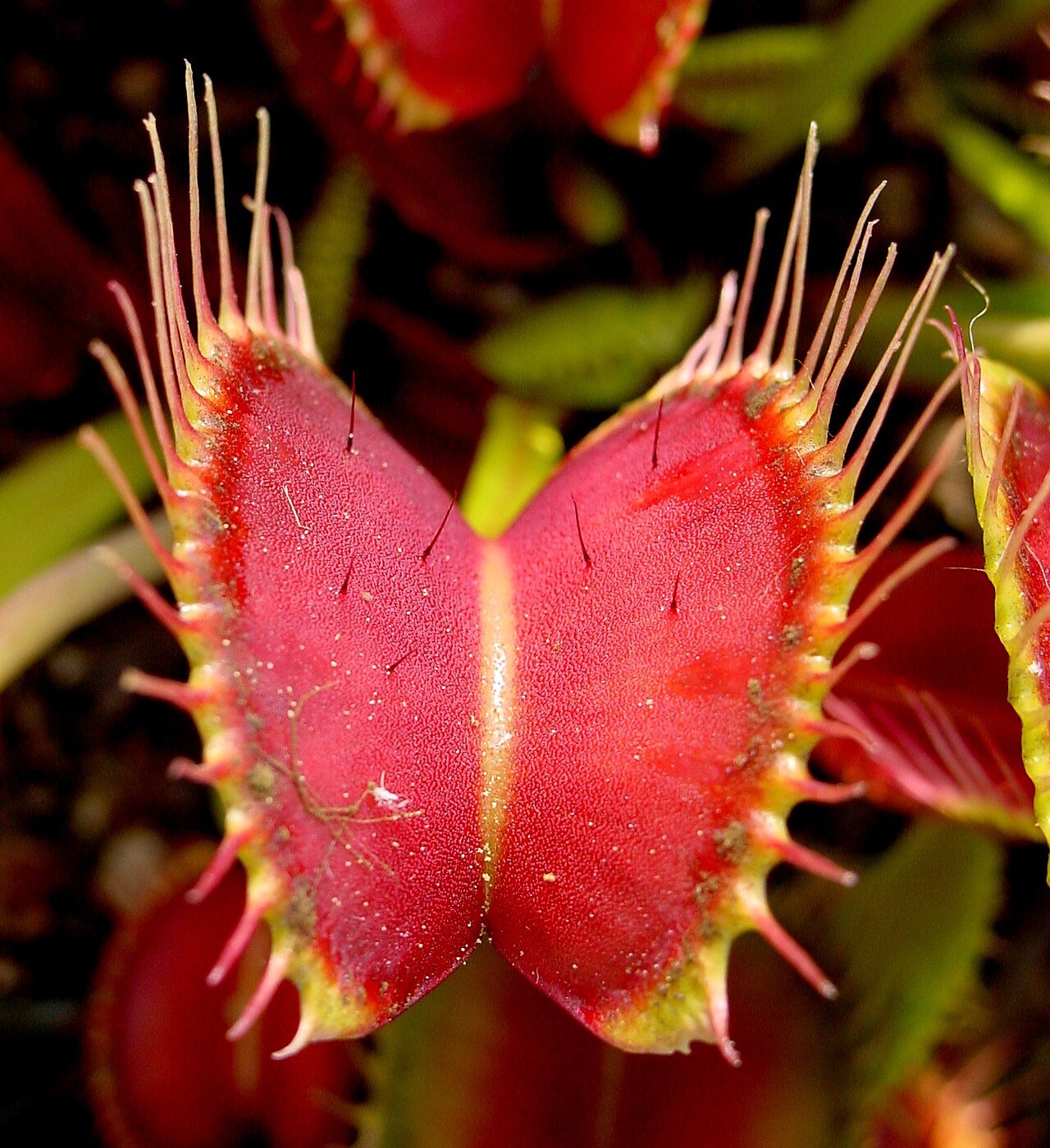
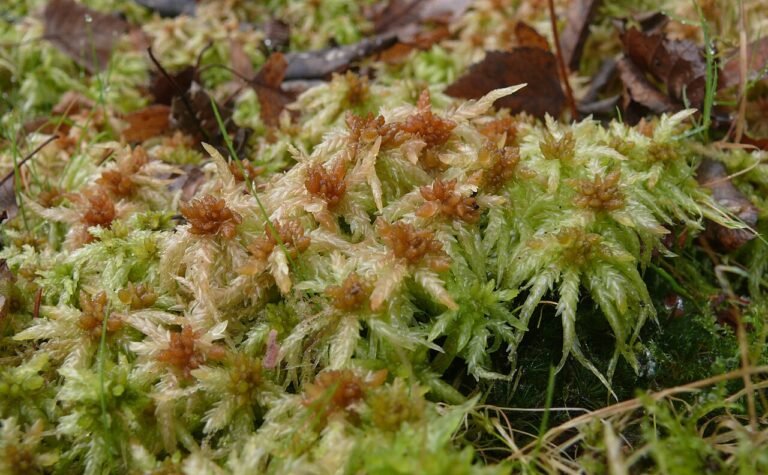
Carnivorous plants like the Venus Flytrap require a highly acidic, nutrient-free environment. Pure sphagnum moss perfectly replicates their natural bog habitat. (Photo by NoahElhardt, CC BY-SA 2.5, via Wikimedia Commons)
Practical Tips for Growing in Sphagnum Moss
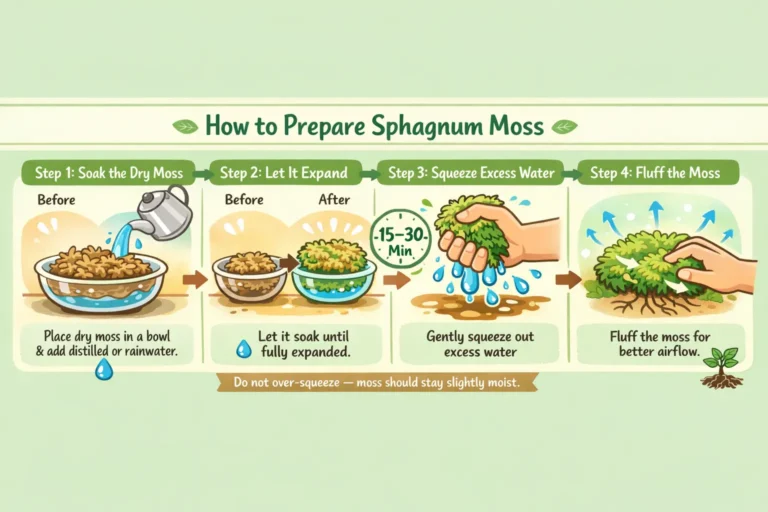
1.The Squeeze Test: Whether you are potting an orchid or rooting a Monstera, always soak your moss first, and then squeeze it out until it feels like a damp kitchen sponge. It should never be dripping wet when you put the plant in it.
2.Mix with Perlite: If you are nervous about overwatering, cut your sphagnum moss 50/50 with coarse perlite. This guarantees that no matter how heavy-handed you are with the watering can, the roots will still get oxygen.
3.Use Clear Pots: When growing orchids or propagating cuttings in pure moss, use clear plastic pots. This allows you to visually inspect the moisture level of the moss (it looks lighter when dry) and monitor root health without disturbing the plant.
Conclusion
The best plants that grow in sphagnum moss all share a need for consistent hydration combined with exceptional root-zone airflow. By reserving your sphagnum moss for epiphytes like orchids and staghorn ferns, climbing aroids like Monsteras, and bog-dwelling carnivorous plants, you are working with nature rather than against it. Whether you are formulating the best soil for a Monstera or setting up a propagation station at home, sphagnum moss is an invaluable tool for your indoor jungle.
References
[1] Sybotanica. (2025, August 29). Sphagnum Moss FAQ: Everything for Happy Plants.
[2] Here But Not. (2021, July 9 ). Pure Sphagnum Moss for Plants: Why it’s Not the Perfect Option.
[3] Acadian Supply. (n.d. ). Spagmoss for Carnivorous Plants.