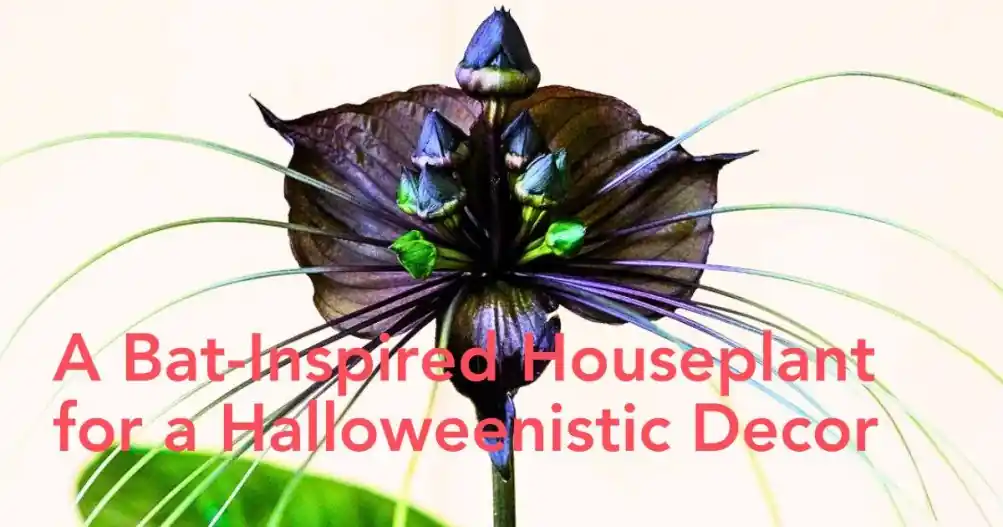
if you’re anything like me, the crisp fall air and whispers of Halloween have you dreaming of ways to infuse your home with that perfect blend of mystery and coziness. Maybe you’re a black-clad enthusiast craving deeper shadows in your space, or perhaps you’re just looking to ease into the season with something alive and low-key magical.
Either way, I feel you: life gets busy, and who has time for high-drama divas? That’s why these 10 black houseplants are my heartfelt recommendation—they’re resilient, space-smart, and oh-so-forgiving, turning your nook into a “boo-tiful” haven without the fuss. Let’s lean into that spooky elegance together; you’ve got this.
Top 10 Black Houseplants for Spooky Season
If all you need in your house or garden is some black plants, don’t worry, the spooky Halloween spirits are here to inspire you. These plants are easy to care for and will reward you with their waxy leaves, but be aware that not all black plants stay dark.
Ready to curate your collection? I’ve handpicked these based on their ease, striking looks, and Halloween-ready vibe. Each one brings a unique texture and story, perfect for shelves, tabletops, or as statement sentinels by your front door. I’ll share care essentials to help you succeed, because nothing delights me more than seeing your plants flourish.
These are the 10 black plants to have for the upcoming ‘Boo-tiful’ season:
- Black Raven (Zamioculcas zamiifolia)
- Alocasia Black Velvet
- Aeonium Black Rose Succulent
- Black Hedgehog Succulent
- Black Coral Snake Plant (Sansevieria trifasciata)
- Echeverria Black Prince
- Colocasia esculenta Black Magic
- Begonia Black Fancy
- Black Bat Flower (Tacca chantrieri)
- Dark Lord Philodendron
Like any living thing, houseplants adapt to their surroundings. Therefore, your black plant may change color depending on light intensity, watering frequency, temperature, and even the season. Be warned, spooky times are coming!
1. Black Raven ZZ Plant (Zamioculcas zamiifolia)
Imagine a houseplant as forgiving as a reliable, low-maintenance friend—and let us introduce the Black Raven ZZ Plant (Zamioculcas zamiifolia ‘Black Raven’). Native to the tropical regions of Eastern Africa, specifically Kenya and Tanzania, this striking succulent isn’t just a plant; it’s a visual journey. New growth emerges as bright lime-green tendrils, gradually deepening to rich purple hues before maturing into sleek, glossy purple-black leaves. The foliage’s velvety-smooth texture and bold color stand out like a luxe velvet curtain in a dimly lit theater, turning even the most ordinary corner into a focal point.
What makes the Black Raven ZZ Plant a must-have for global plant parents (especially those in spaces with limited natural light)? It thrives in low-light conditions—think north-facing rooms, home offices with small windows, dark hallway nooks, or bedrooms far from direct sunlight. Its thick, waxy leaves act as natural water reservoirs, storing moisture efficiently to survive periods of neglect. This means you won’t need to water it frequently, making it perfect for busy professionals, frequent travelers, or anyone new to indoor gardening.
Beyond its hardiness, its upright, architectural growth habit adds structure to any space. It’s not just for Halloween mantels or entryways (though it shines there!); it elevates home offices as a desk companion, softens bedroom corners as a calming accent, and complements minimalist or gothic-style living rooms as a statement piece. Unlike finicky tropical plants that demand precise humidity or temperature control, the Black Raven ZZ Plant adapts to most indoor environments (ideal for zones 9-11 outdoors, but thriving year-round indoors worldwide).
Pro Tips for Year-Round Drama (SEO-Focused Care Insights):
- Water every 2-3 weeks, but only when the top 2-3 inches of soil are completely dry. Overwatering is its biggest enemy—always use well-draining soil (like a cactus/succulent mix) to prevent root rot.
- Keep it in indirect, low to medium light. It can tolerate very dim spaces, but avoid direct sunlight (which fades its dark leaves and causes scorching).
- Skip frequent fertilizing: A diluted, balanced houseplant fertilizer once in spring and once in fall is enough to support healthy growth.
- Wipe its leaves occasionally with a damp cloth to remove dust—this preserves their glossy finish and helps the plant “breathe.”
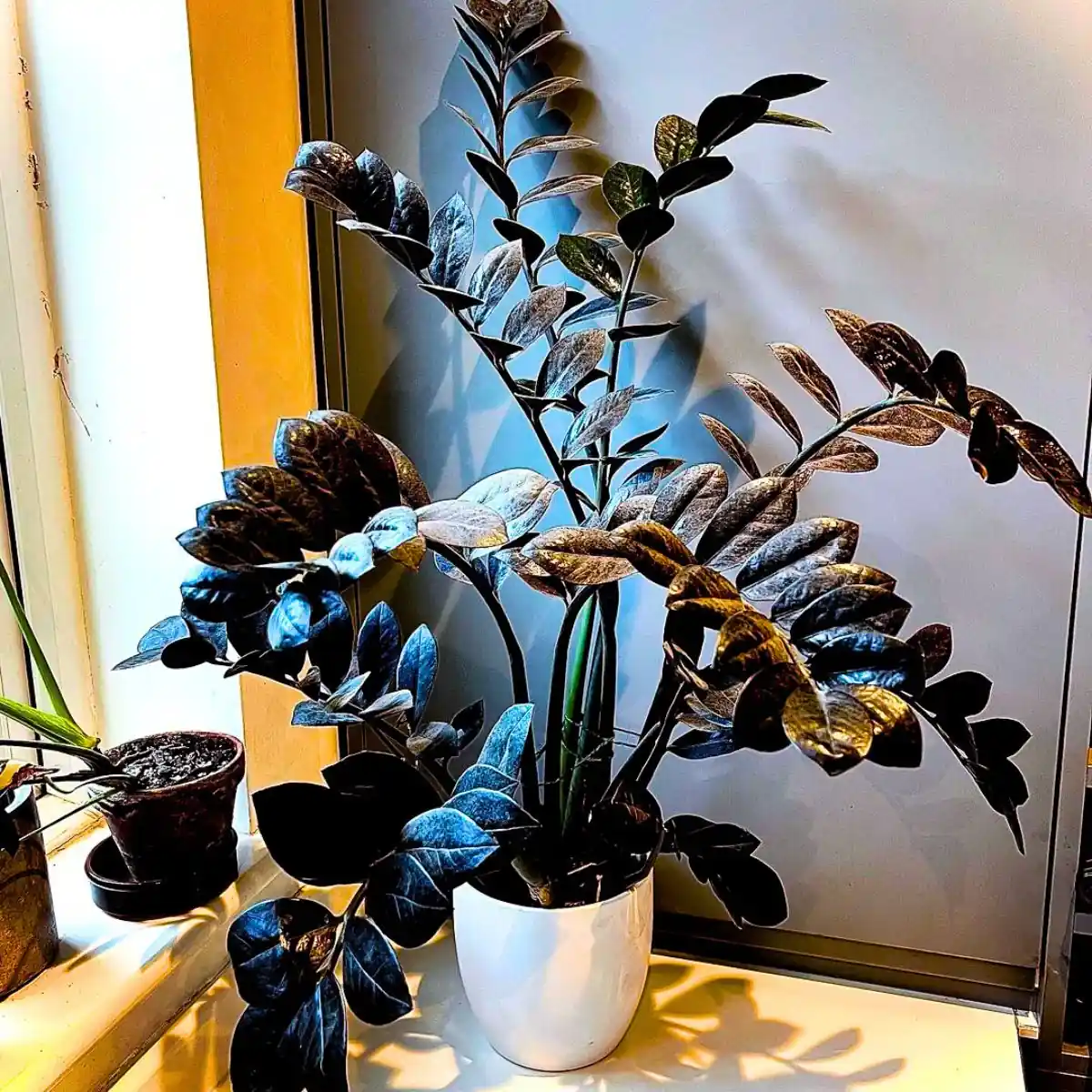
Photo: @northernfoliage
2. Alocasia Black Velvet
Oh, the irresistible intrigue of Alocasia Black Velvet—often nicknamed the “Black Velvet Elephant Ear”—a must-have tropical houseplant that infuses any home with lush mystery and elegant charm. Its signature heart-shaped leaves, deepening to a rich, nearly jet-black hue, are adorned with shimmering silver veins that catch the light, turning each foliage into a living work of art. This isn’t just a plant; it’s a subtle statement piece, feeling like a whispered secret tucked into your living space, whether you’re in a tiny apartment in Tokyo or a suburban home in Sydney.
As an evergreen perennial, Alocasia Black Velvet thrives in specific conditions tailored to its tropical origins—key info for plant parents worldwide. It craves humid environments (ideally 50%-70% humidity) and bright, indirect light; think near a frosted window or a spot a few feet away from a south-facing glass (to avoid leaf burn).
Direct sunlight will scorch its velvety surface, while low light fades its dramatic black color—critical care tips for regions like dry deserts in Arizona or cool, dim flats in Berlin. It also prefers temperatures between 65-80°F (18-27°C), making it suitable for outdoor growth in USDA zones 10-11 (such as Florida or Southern California) but a beloved indoor plant for colder areas like Canada or Northern Europe year-round.
When it comes to watering, keep the soil evenly moist but never soggy: wait until the top 1-2 inches of soil feel dry to the touch, then water thoroughly, ensuring the pot has drainage holes to prevent root rot (a common issue for new growers everywhere). Come Halloween, this plant truly shines—its dark foliage and silvery veins evoke a hauntingly beautiful vibe, blending seamlessly with jack-o’-lanterns, orange fairy lights, or dried corn stalks for a setup that’s pure Halloween poetry.
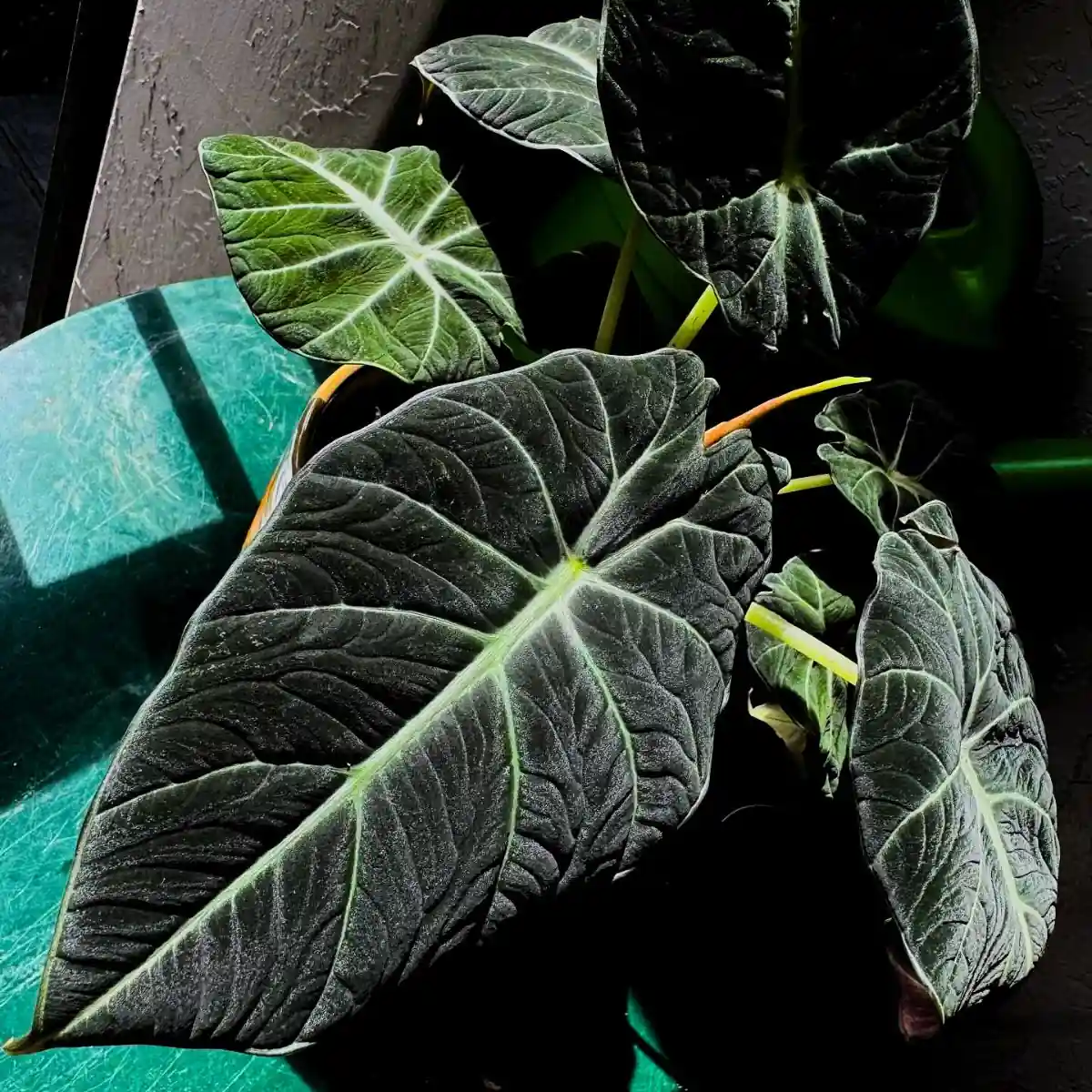
Photo: @aprettylittlegarden
3. Aeonium ‘Black Rose’ Succulent
For succulent enthusiasts worldwide, the Aeonium ‘Black Rose’ (commonly called Black Rose Aeonium) is the ultimate blend of burgundy-black allure and rosette sophistication—no other succulent captures this dark, romantic charm quite like it. Imagine its plump, fleshy leaves unfurling slowly like crumpled burgundy silk petals, each edged with a faint glossy sheen that catches light—even in dim corners. These lush rosettes sit atop slender, woody green stems, creating a striking contrast that turns it into an instant focal point in any space.
When it comes to decor, this succulent shines brightest during festive seasons, especially Halloween. Pair it with white pumpkins (carved or whole) for a cozy, spooky-chic vibe, or nestle it alongside mini witch hats, tiny black cats, or matte-black planters to amp up the All Hallows’ Eve spirit. It also works beautifully in autumn succulent arrangements, balancing out brighter hues like orange marigolds or yellow sedums.
As a low-maintenance succulent, the Black Rose Aeonium is perfect for both beginners and busy plant parents—but nailing its care keeps its inky color vibrant. Here’s what you need to know:
- Lighting: It thrives in bright, indirect sunlight. For optimal color, place it near a south-facing window (with sheer curtains to filter harsh rays) in the Northern Hemisphere; in the Southern Hemisphere, a north-facing window works best. Avoid direct midday sun, which can scorch its leaves and fade its deep hue.
- Watering: Let the soil dry out completely between waterings—stick your finger 2 inches into the soil; if it’s dry, it’s time to water. Overwatering is its biggest enemy, as it leads to root rot. Reduce watering in winter when growth slows.
- Soil & Temperature: Use a well-draining succulent mix (1 part cactus soil + 1 part perlite or pumice) to prevent waterlogging. It prefers temperatures between 15–25°C (59–77°F); protect it from frost (temperatures below 10°C/50°F can damage leaves).
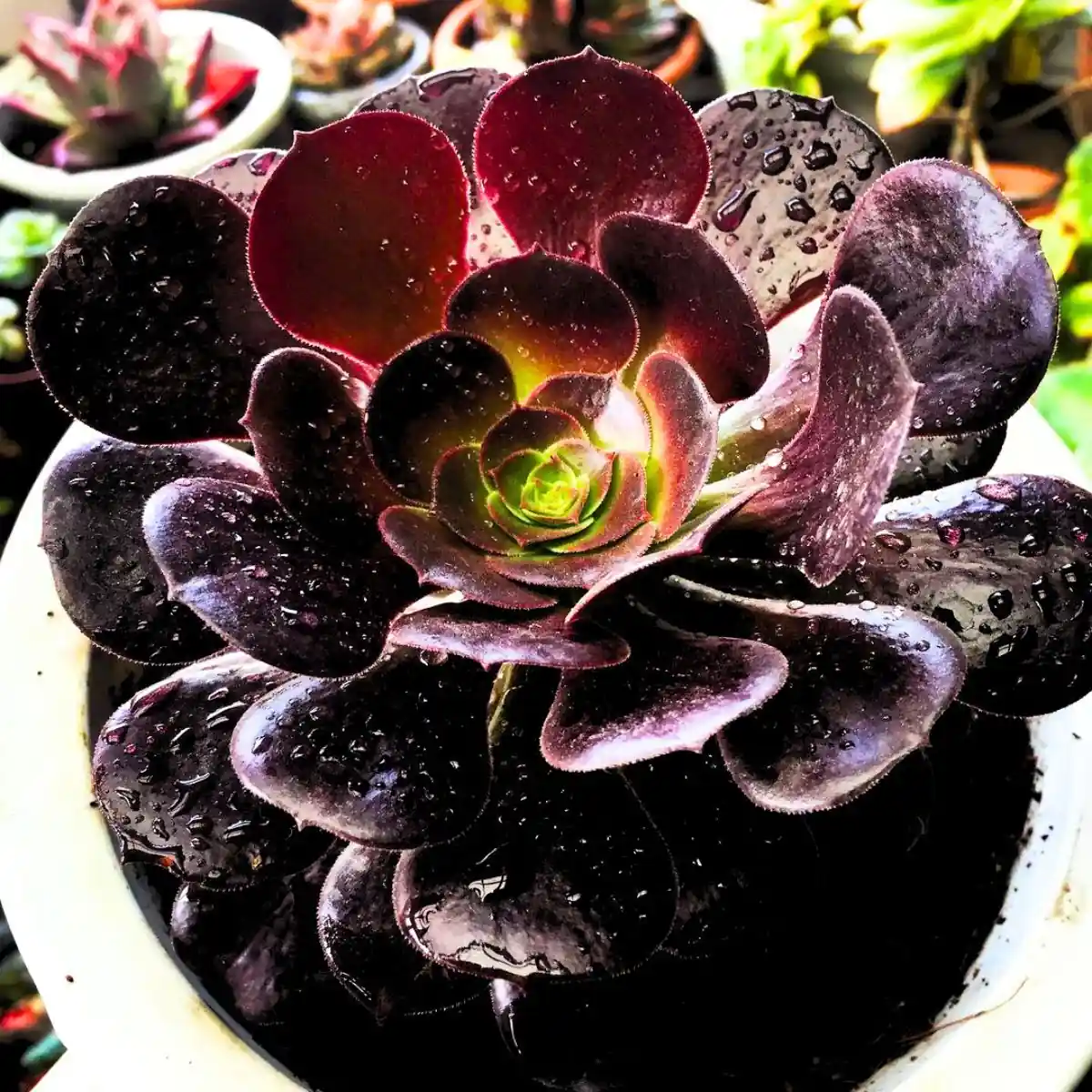
Photo: @rustam_thongbam
4. Black Hedgehog Succulent (Sinocrassula yunnanensis)
Small but mighty, the Black Hedgehog Succulent (scientific alias: Echeveria ‘Black Prince’ variant, a popular cultivar for its dark foliage) stands out as a unique gem in the succulent world. Its tight, near-black rosettes—measuring just 3 to 5 inches in diameter—are lined with delicate yet sharp spines, each leaf curling slightly inward to mimic the round, defensive shape of a tiny hedgehog. This enigmatic appearance isn’t just for show; it evolved to lock in moisture and deter predators in its native habitat: the arid, rocky terrains of South Africa and Namibia, where harsh sunlight and scarce rainfall shape its hardy nature.
It shines as a seasonal decor piece: come Halloween, pair it with mini pumpkins, dried cornstalks, or matte-black planters, and its dark, “daunting” vibe blends seamlessly with spooky themes, while its compact size keeps the display from feeling cluttered. Unlike brighter succulents that fade next to bold holiday decor, the Black Hedgehog Succulent’s deep hue adds depth without clashing.
Caring for it is simple—even for beginners—thanks to its low-maintenance needs. Start with soil: use a gritty, well-draining mix (try 3 parts peat moss, 2 parts perlite, and 1 part volcanic rock) to prevent root rot, a common issue with overwatered succulents. Watering is equally straightforward: let the soil dry out completely between waterings—this means 2 to 3 weeks in warm, humid climates (like the southern U.S. or Southeast Asia) and once a month in cooler, drier areas (such as northern Europe or the western U.S.).
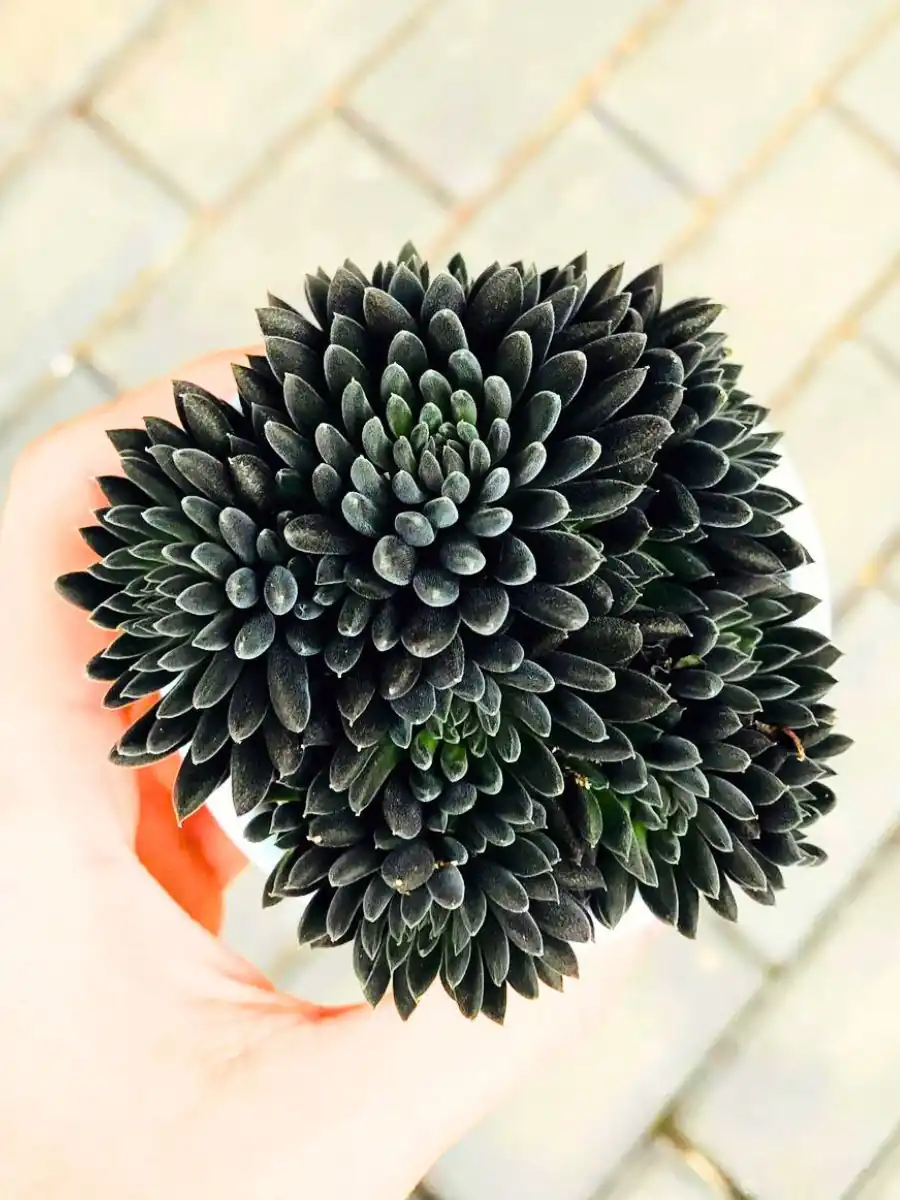
Photo: @plantroompl
5. Black Coral Snake Plant (Sansevieria trifasciata)
Ever searched for a unique houseplant with tall, sword-like leaves decorated in striking deep green and black stripes? The Black Coral Snake Plant is your steadfast “natural guardian” at home.
As a well-recognized “air-purifying expert,” the Black Coral Snake Plant actively absorbs common indoor pollutants such as formaldehyde, benzene, and trichloroethylene, continuously improving air quality in enclosed home environments. Whether it’s a newly renovated house, a bedroom or living room with windows closed for long periods, it works silently, letting you embrace natural freshness with every breath—especially ideal for people sensitive to air quality.
For care, just remember the core principle of “soak and dry”: water thoroughly each time to ensure moisture penetrates the soil completely (until water drains from the bottom of the pot), but extend the watering interval to avoid waterlogging (which causes root rot). The specific frequency can be adjusted according to the season—water once every 1-2 weeks in summer when temperatures are high; in winter, when temperatures drop and the plant’s metabolism slows down, once every 2-3 weeks is enough, making it simple and hassle-free.
A bonus: Unlike most plants that “stop releasing oxygen at night,” the Black Coral Snake Plant continues to produce oxygen after dark. It effectively improves bedroom air quality at night, helping you reduce breathing pressure during sleep and enjoy sweeter dreams. Even during Halloween, when your home is filled with festive elements like pumpkin lanterns and ghost decorations, its black leaves can subtly echo the holiday’s “shadowy atmosphere,” combining decorative beauty with practical functions—so it doesn’t stop guarding your health even during festivals.
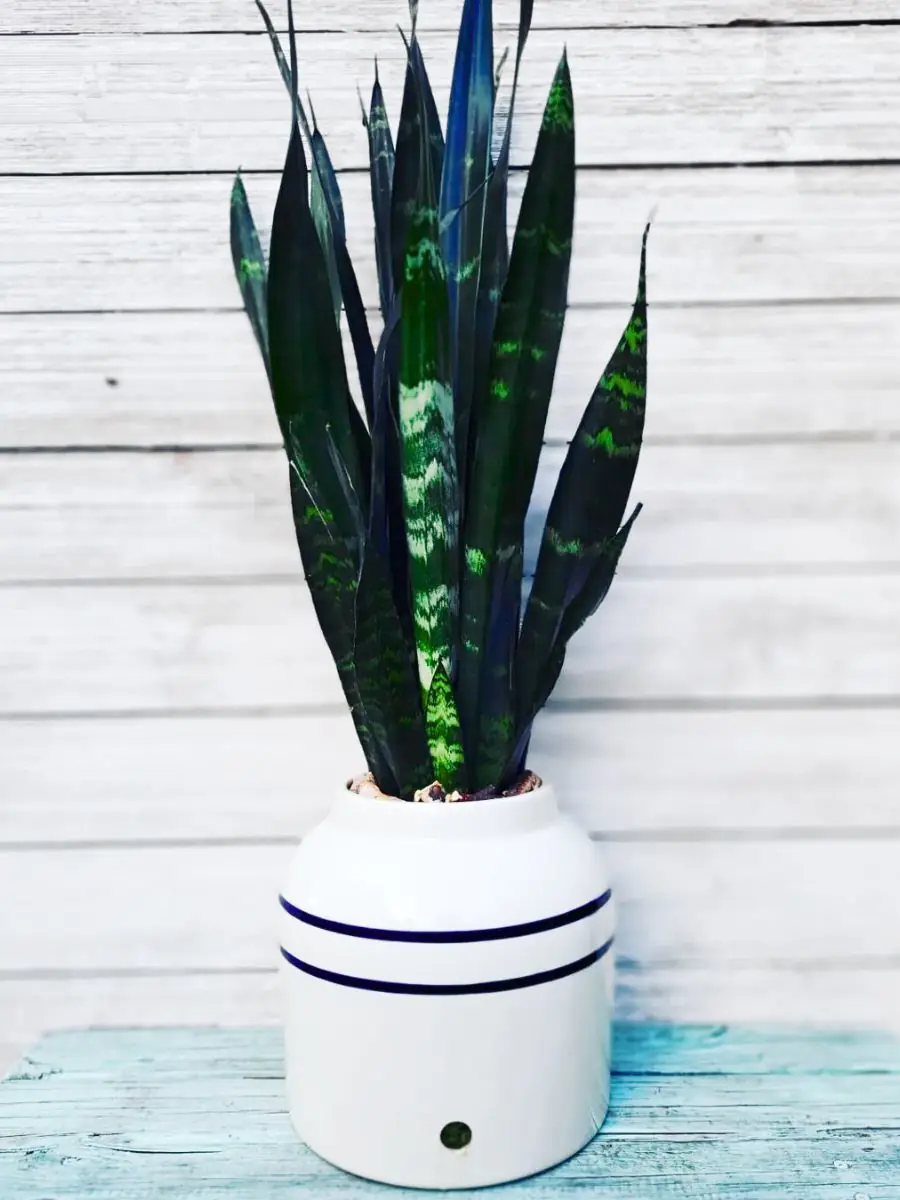
Photo: @green_thumbgal
6. Echeveria ‘Black Prince’
Craving gothic grandeur in your home? Look no further than Echeveria ‘Black Prince’ —a striking succulent that embodies dark elegance with its tight, spiraling rosettes of pointed leaves. Each leaf gradients beautifully, starting with subtle green tips that fade into rich, almost-black depths when exposed to optimal light—making it a top pick for lovers of moody, gothic home decor.
This low-maintenance black succulent thrives on light: its color deepens dramatically with 4–6 hours of direct sunlight daily. For best results, place it on a sunny south-facing windowsill (ideal for most Northern Hemisphere homes) or a bright patio during warmer months. Too little light can cause leggy growth and faded color, so experiment with light exposure to unlock its full dark potential.
When it comes to care, Echeveria ‘Black Prince’ is forgiving but needs proper watering: water sparingly, only when the soil is completely dry (usually every 10–14 days in spring and fall, less in winter). Use a well-draining succulent mix—like 70% peat moss and 30% perlite—to prevent root rot, and choose a shallow, porous pot (terracotta works best) to keep it compact and healthy.
Beyond its hardiness, this succulent shines as a decorative piece. Pair it with beeswax candles or black glass-encased candles: the flickering flame dances off its dark leaves, casting soft, moody shadows that elevate any space—from a gothic-themed living room to a cozy bedroom nook. It’s also a standout for seasonal decor, adding a touch of dark glamour to Halloween displays or winter holiday setups. Effortless, personal, and profoundly elegant—Echeveria ‘Black Prince’ turns ordinary corners into gothic sanctuaries.
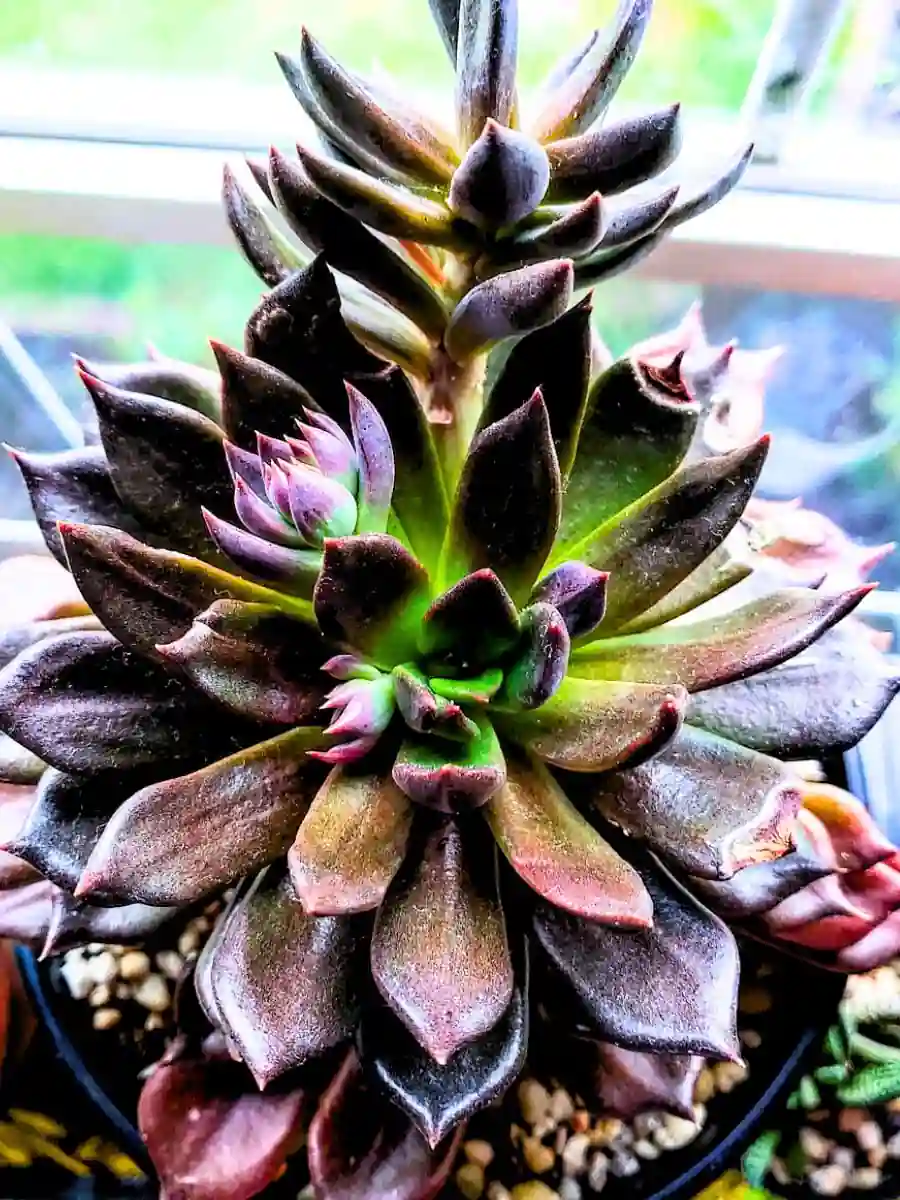
Photo: @thefloridagarden
7. Colocasia ‘Black Magic’ Elephant’s Ear
“Dramatic” barely scratches the surface of Colocasia ‘Black Magic’ —a showstopping tropical foliage plant renowned for its massive, heart-shaped leaves that glow with a rich, shimmering purple-black hue. Often called the “black elephant ear,” each leaf can grow up to 2-3 feet wide, creating an instant focal point that blends majestic size with mysterious dark allure—perfect for anyone craving bold, tropical vibes in their home or garden.
When it comes to care, Colocasia ‘Black Magic’ loves consistent moisture but hates soggy soil. Use a well-draining potting mix (blend 60% peat moss, 30% perlite, and 10% compost) to keep roots healthy, and water whenever the top 1-2 inches of soil feel dry (usually 2-3 times a week in summer, less in winter). Add a layer of mulch around outdoor plants to retain moisture, and fertilize monthly with a balanced liquid fertilizer (diluted to half strength) during the growing season (spring to fall) to support its lush growth.
Its decorative potential is unmatched, especially for seasonal flair. For Halloween, drape warm white or orange fairy lights around its stems— the lights peek through its large leaves, casting enchanted, forest-like shadows that turn mantels, porches, or entryways into spooky-yet-elegant spaces. Beyond Halloween, it’s a year-round stunner: pair it with other tropical plants (like pothos or bird of paradise) in a large planter for a lush, jungle-inspired corner, or use it as a standalone statement piece in a minimalist room to add drama. It doesn’t just earn a “wow”—it turns every glance into a “whoa.”
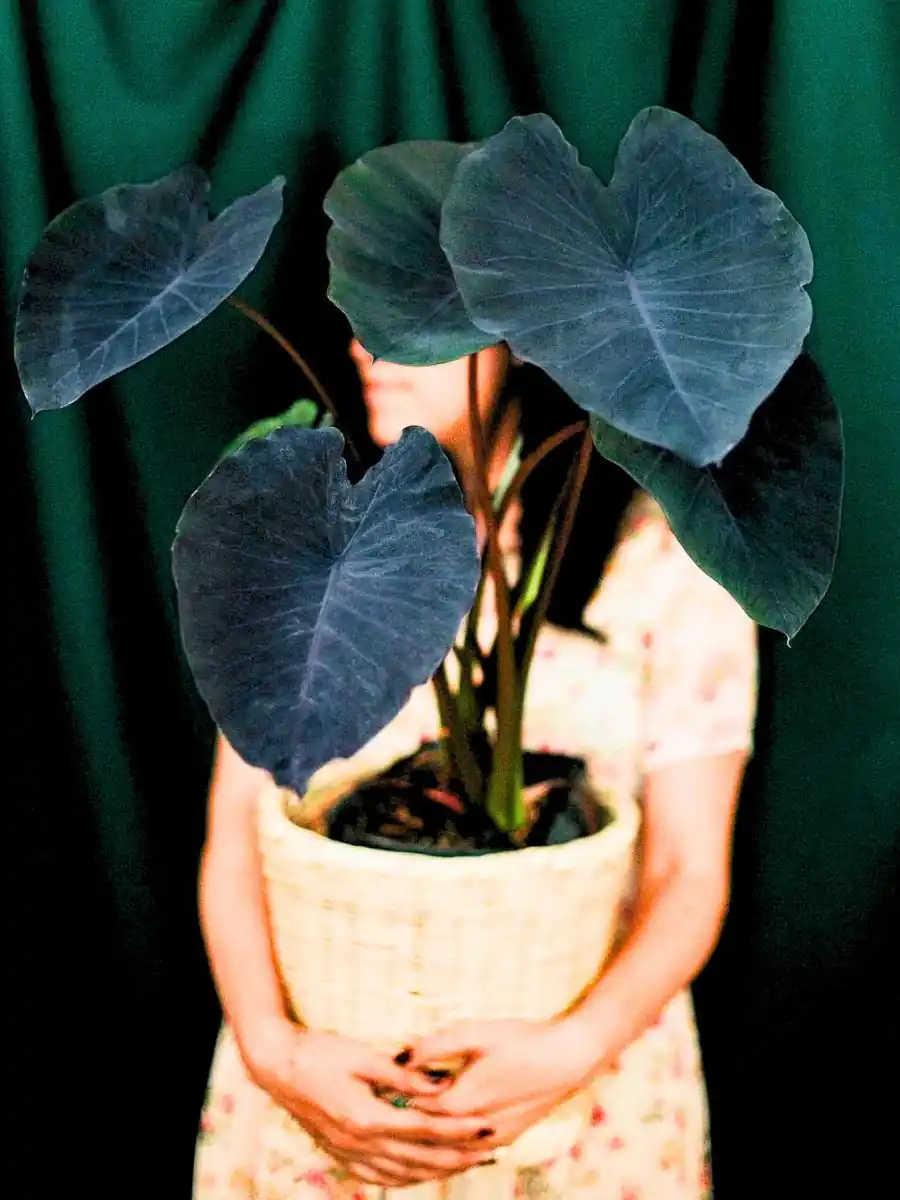
Photo: @doni.plantas
8. Begonia ‘Black Fancy’
Begonia ‘Black Fancy’ is a standout indoor plant tailored for warm, humid indoor spaces, blending unique aesthetics with easy care—making it a top pick for houseplant enthusiasts seeking both style and resilience. It grows 12–18 inches tall and wide, forming a dense, rounded clump that fits seamlessly on windowsills, small plant stands, or even tight indoor nooks, no excessive space required. Its medium-sized leaves boast rich green foliage, accentuated by deep, inky black veins that create a striking contrast.
As a rhizome-rooted hybrid, Begonia ‘Black Fancy’ offers surprising resilience. It’s forgiving of occasional missed waterings (though prolonged dryness can harm its rhizomes), but it craves humidity—mist the leaves and surrounding air 2–3 times a week to replicate its preferred moist environment, especially in dry indoor spaces like heated homes or air-conditioned offices.
In terms of decor, think of it as the “understated artist” in your plant collection: it adds sophisticated depth to your display without dominating other plants. Whether paired with bright foliage plants or flowering specimens, it complements rather than overshadows, making it perfect for both minimalist and eclectic indoor gardens.
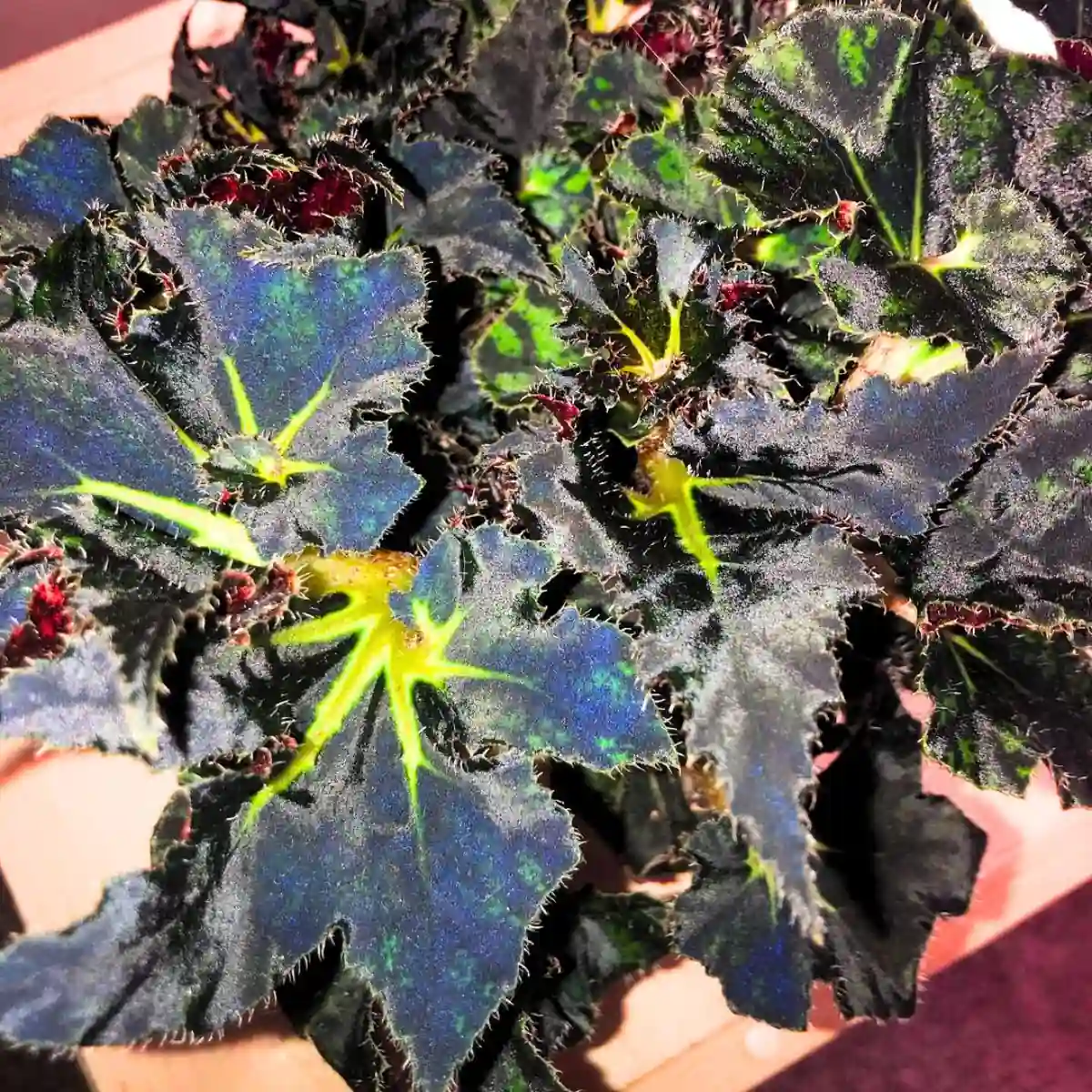
Photo: @theplantprodigy
9. Black Bat Flower (Tacca chantrieri)
If you’re obsessed with unique, eye-catching plants that spark curiosity, the Black Bat Flower (Tacca chantrieri) is guaranteed to steal your heart—and become the star of every garden conversation. Native to the lush rainforests of Southeast Asia (think Thailand, Malaysia, and southern China), this one-of-a-kind tropical oddity blooms from late summer straight into fall—timing that perfectly aligns with Halloween, making it a top pick for spooky-season decor lovers.
To help this gothic beauty thrive, it has specific needs tied to its tropical origins:
- Humidity & Light: It craves high humidity (60%-80% is ideal) and dappled sunlight—avoid direct midday sun, which can scorch its delicate leaves. A shaded porch, greenhouse, or indoor spot near a bright window (with a sheer curtain for filtering) works best, especially in cooler regions like North America or Europe.
- Moisture & Temperature: Keep the soil consistently moist (never waterlogged) and maintain temperatures between 65°F-85°F (18°C-29°C). It’s not frost-tolerant, so bring potted plants indoors if nighttime temps drop below 50°F (10°C).
- Soil: Plant it in rich, well-draining peat-based soil (mix in perlite or orchid bark for extra drainage) to mimic its natural rainforest floor habitat.
Beyond its care, the Black Bat Flower’s allure lies in its drama: its bat-shaped blooms (up to 12 inches wide) and long, whisker-like tendrils (often 2-3 feet long) add an otherworldly vibe to any space. Whether it’s a potted focal point on your patio or a conversation starter in your living room, this plant delivers immense visual payoff for the little extra effort it requires.
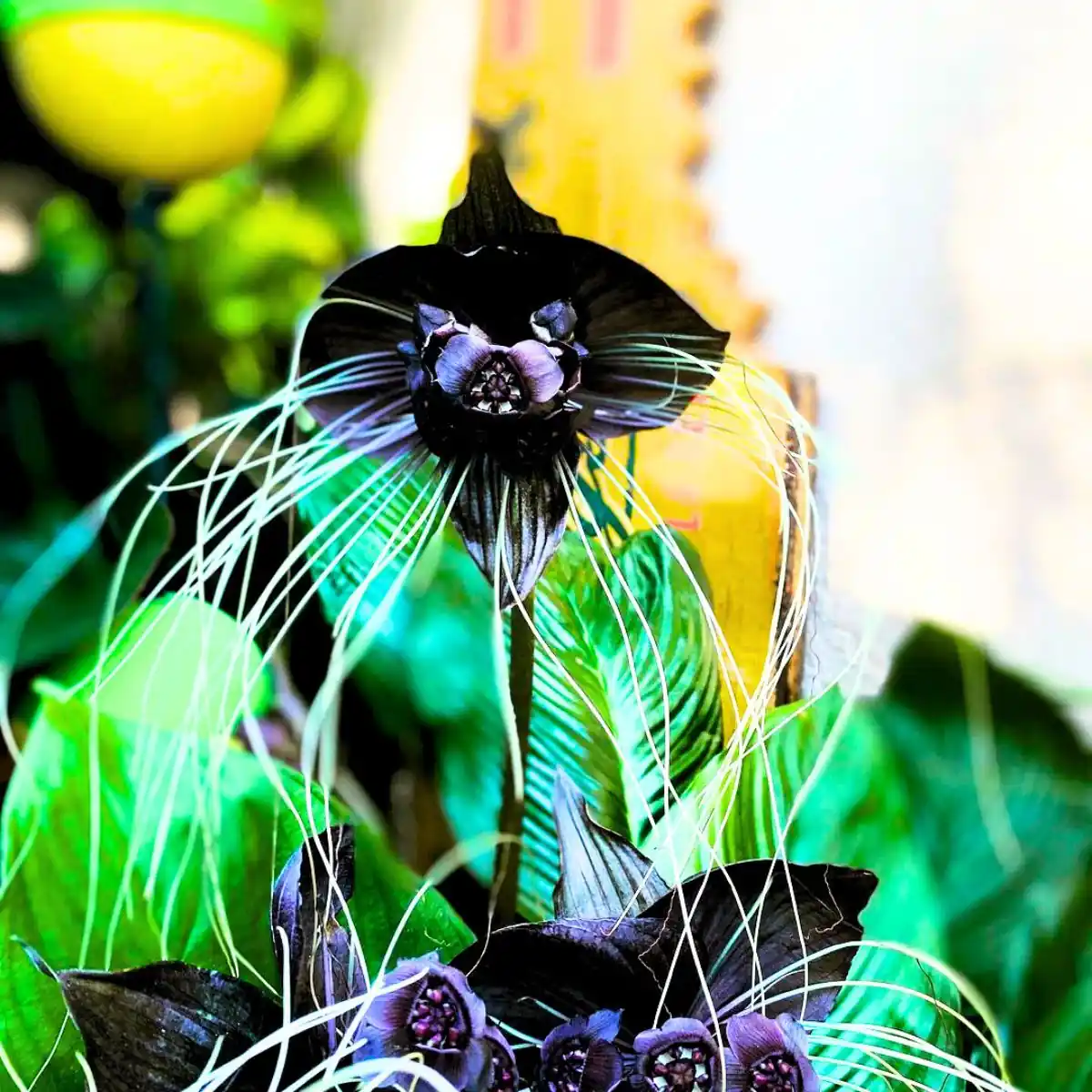
Photo: @ericadilenge
10. Dark Lord Philodendron (Philodendron erubescens)
Crowning our list of top-tier indoor tropical plants, the Dark Lord Philodendron stands out as a dramatic showstopper, unfurling lush heart-shaped leaves that undergo a stunning color transformation—starting as deep burgundy-red when new, then maturing into a glossy, near-jet black that shimmers softly in light. This plant grows with luxurious abandon: its vines either cascade gracefully or climb steadily, bringing an air of dark opulence to any space.
To keep its gothic grandeur thriving, stick to key care tips: place it in bright, indirect light (avoid harsh afternoon sun, which can scorch its delicate foliage) and water moderately—allow the top 1–2 inches of soil to dry out between waterings to prevent root rot, a common issue in drier indoor climates. It also thrives in 40–60% humidity; mist its leaves weekly or set it near a humidifier, especially during winter months when heating systems dry out air in U.S. and EU homes.
For added drama, train its vines on a moss pole: this mimics its native tropical habitat (Central American rainforests), encourages larger leaf growth, and creates upward height that elevates shelves or corners. Left to trail in hanging baskets or spill over bookshelves, it becomes an instant focal point, exuding that hauntingly elegant, haunted-mansion allure.
What makes it truly special? The Dark Lord Philodendron evolves with you—its foliage deepens in richness as it adapts to your care, turning from vibrant burgundy to inky black over time, a visual reflection of the growing bond between you and your plant.
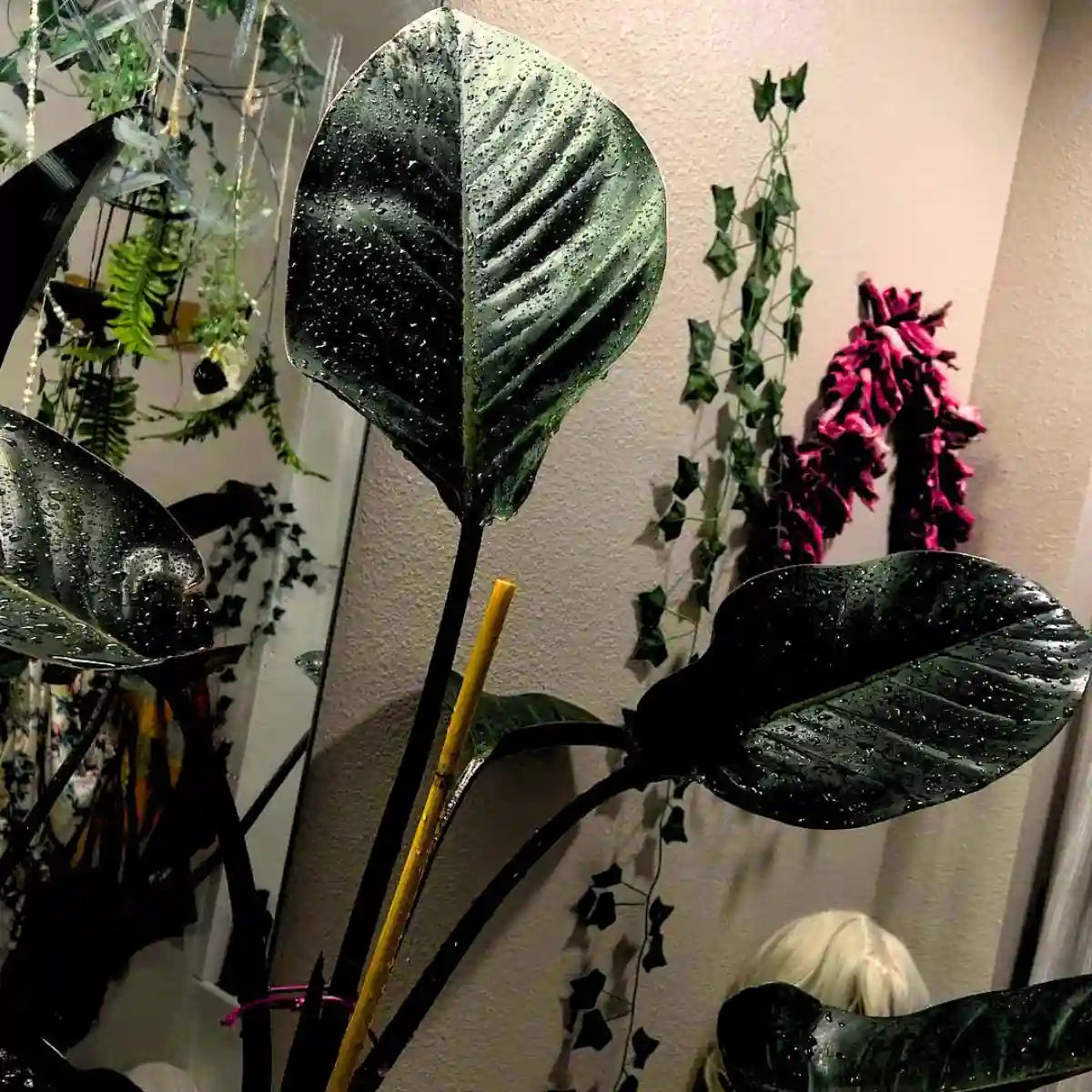
Photo: @evasexotics
Bringing It All Home: Your Spooky Plant Oasis Awaits
There you have it—10 black houseplants that blend practicality with pure enchantment, turning your home into a haven of Halloween whispers. From the ultra-forgiving ZZ Raven to the exotic Bat Flower, each offers a slice of tropical mystery tailored to real-life routines.
Start small: Pick one that resonates with your light levels and care style, then layer in accents like faux cobwebs or LED lanterns for amplified effect. Remember, these plants aren’t just decor—they’re companions that purify air, boost mood, and remind us of nature’s wild beauty. Grab yours, get planting, and let’s make this season unforgettable.
FAQ
What Makes Black Houseplants Perfect for Halloween Decor?
Black houseplants like the ZZ Black Raven or Alocasia Black Velvet create instant shadowy contrast, evoking gothic charm without much effort. Their dark foliage pairs seamlessly with pumpkins and lights, ideal for mantels or doorways—easy drama for busy enthusiasts.
Do Black Houseplants Stay Black Year-Round?
Not quite; colors shift with light and seasons, deepening in bright indirect sun and softening in shade. Rotate for even exposure and maintain humidity to keep that inky vibe strong—it’s all about gentle adaptation.
Which Black Houseplant Is Best for Beginners?
The Black Raven ZZ Plant is unbeatable—tolerates neglect, low light, and infrequent watering like a champ. It’s your forgiving entry to spooky style, growing steadily without the guesswork.
Can black indoor plants purify the air like other houseplants?
Yes! many plants can serve this purpose while also functioning as decoration. Tiger tail plants and black-leaved philodendrons are just as effective as greenery, especially in semi-shaded areas with consistent humidity. Avoid direct sunlight; most plants thrive in moderate sunlight. Pairing a purifier with contrasting green foliage can enhance the drama of your interior. You’ll enjoy cleaner air while still appreciating the sculptural appearance of the black leaves, yet the elements serve the same purpose.
Where do black plants look best outdoors, and which varieties should I choose?
Black mondo grass is a classic choice for borders and rock gardens: its inky black leaves complement chartreuse companion plants and early spring bulbs. It thrives in full sun in cooler regions and in moderate sun in hotter ones. While the rosettes of Echevaria Black Prince lend themselves well to container planting, black mondo grass makes a striking addition to paths, dotting the edges of botanical gardens. In full sun, intercrop with silver or variegated leaves to showcase its striking color and deep purple hues.